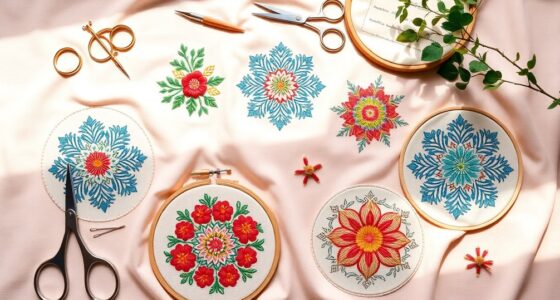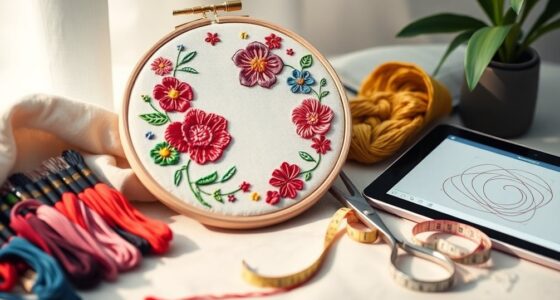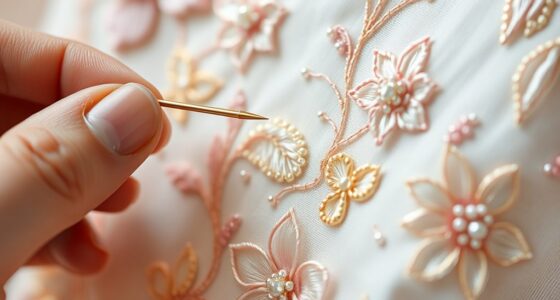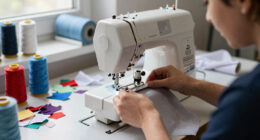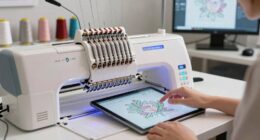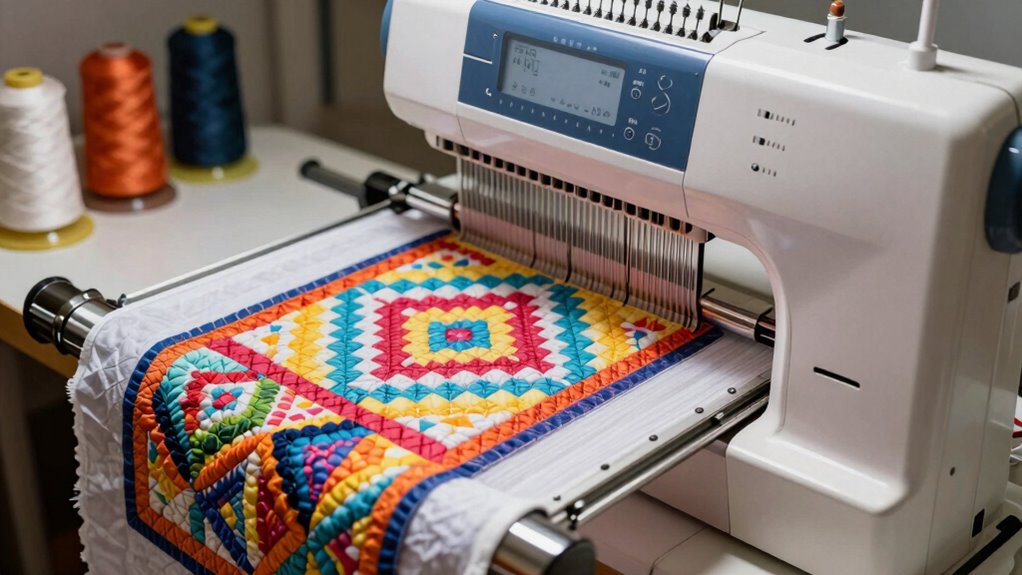
If you’re used to garment sewing, in-the-hoop quilting will feel unfamiliar at first, but your skills with fabric handling and machine control are a great foundation. Focus on maintaining your machine, using stabilizers, and selecting stable fabrics to prevent puckering and shifting. Precise layer management and understanding your machine’s features are key to success. Keep practicing these basics, and you’ll soon master creating intricate, professional-looking quilted designs right in the hoop.
Key Takeaways
- Understand and utilize your machine’s built-in quilting features to adapt garment sewing skills for in-the-hoop projects.
- Focus on fabric stability and proper stabilizers to manage multiple layers and prevent puckering.
- Maintain your machine regularly to ensure smooth operation for intricate quilting designs.
- Choose compatible fabrics and batting that suit quilting rather than garment construction for best results.
- Practice precise placement and alignment, leveraging your garment sewing experience to achieve professional-looking quilts.
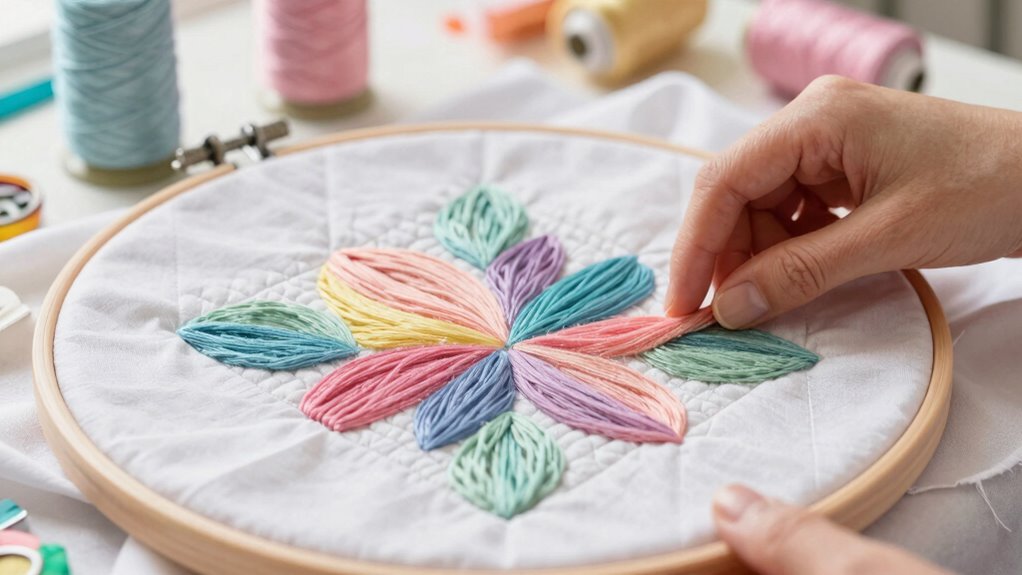
Have you ever wondered how to create intricate quilting designs directly within your embroidery machine? If you’re familiar with sewing garments, shifting to in-the-hoop quilting might seem intimidating at first, but with a few key tips, you’ll find it both manageable and rewarding. The first step is understanding the importance of machine maintenance. Regularly cleaning your embroidery machine ensures smooth operation, especially when handling multiple layers of fabric and batting. Dust and lint can cause stitching issues or even damage your machine over time, so make it a habit to clean the bobbin area, feed dogs, and tension discs after each project. Oiling or lubricating moving parts as recommended by the manufacturer keeps everything running smoothly and prevents unnecessary breakdowns, which is essential when you’re working on complex quilting patterns that demand precision. It’s also helpful to familiarize yourself with your machine’s built-in features to optimize your quilting process. Additionally, exploring machine troubleshooting tips can help you quickly resolve common issues that might arise during intricate quilting projects. Being aware of your machine’s performance capabilities can further ensure you select suitable projects that match its specifications and avoid frustration. To further improve your results, understanding fabric stretch and stability can make a significant difference in how your designs turn out.
Next, fabric selection plays a critical role in successful in-the-hoop quilting. Unlike garment sewing, where you might prioritize drape or stretch, quilt projects require stable, well-behaved fabrics that can handle multiple layers without shifting or puckering. Cotton or cotton-blend fabrics are popular choices because they provide a firm, even surface that’s easy for your machine to stitch through. When selecting fabrics, look for ones that are pre-washed and pressed flat to prevent shrinkage or wrinkles during quilting. Since in-the-hoop quilting involves precise positioning, choosing fabrics with a consistent weave helps guarantee your designs come out neat and professional. Additionally, pick batting that complements your fabric choice, keeping in mind the thickness and stiffness to avoid putting unnecessary strain on your machine’s motor or thread tension.
As you immerse yourself in designing your quilting projects, keep in mind that fabric stability is key. Using a stabilizer can help prevent puckering and shifting, especially when working with delicate or slippery fabrics. Also, consider the type of thread you’re using; a good-quality polyester or rayon thread can give your finished quilt a polished look and withstand frequent washing. Maintaining your machine and selecting the right fabrics go hand-in-hand—if your machine is well-kept, it’ll handle the layers and thicknesses more effectively, leading to cleaner, more precise stitches. In the end, mastering in-the-hoop quilting means paying attention to these details, and before you know it, you’ll create intricate, professional-looking designs right within your embroidery machine, expanding your sewing skills beyond garments into beautiful quilted projects.

New brothread Tear Away Machine Embroidery Stabilizer Backing 8"x8" – 100 Precut Sheets – Medium Weight 1.8 oz- Fits 4×4 and 6×6 Hoops
▶TEMPORARY STABILIZER: It provides temporary support for embroidery projects. They are best used on firmly woven fabrics and…
As an affiliate, we earn on qualifying purchases.
As an affiliate, we earn on qualifying purchases.
Frequently Asked Questions
Can I Use My Regular Sewing Machine for In-The-Hoop Quilting?
You can’t typically use your regular sewing machine for in-the-hoop quilting, as machine compatibility is limited. In-the-hoop projects require a hooping feature and precise control that most standard sewing machines lack. Also, fabric flexibility matters; embroidery machines are designed to handle the delicate and complex layers involved. Investing in a compatible embroidery machine will give you better results and ease when tackling in-the-hoop quilting projects.
What Types of Fabrics Are Best for In-The-Hoop Quilting Projects?
Imagine a vibrant quilt coming to life; choose fabrics with the right fabric durability and colorfast qualities. You’ll want cotton or cotton blends, which are sturdy and hold color well, perfect for in-the-hoop quilting. Avoid stretchy or flimsy fabrics that may shift or distort. By selecting the right fabric types, your project will stay beautiful and intact, making your in-the-hoop quilting experience smooth and rewarding.
How Do I Troubleshoot Common Issues With In-The-Hoop Quilting?
To troubleshoot in-the-hoop quilting issues, start by checking your fabric stabilizers; guarantee they’re appropriate for your project to prevent puckering or shifting. Adjust your thread tension if stitches are uneven or skipping. Also, verify your machine’s settings and needle compatibility. If problems persist, re-hoop your fabric firmly and clean your bobbin area. These steps help create smooth, professional-looking in-the-hoop quilts.
Are There Specific Tools or Accessories Needed for In-The-Hoop Quilting?
Yes, you need specialty hoops to securely hold your fabric during in-the-hoop quilting. These hoops guarantee precise alignment and stability. Additionally, embroidery stabilizers are essential—they keep your fabric from shifting or puckering, providing a smooth surface for quilting. You might also want a variety of needles, quality threads, and scissors. Using the right tools and accessories helps achieve professional-looking results and makes your in-the-hoop quilting projects much easier.
How Do I Finish and Bind In-The-Hoop Quilted Items?
To finish and bind your in-the-hoop quilted items, start by trimming excess fabric and ensuring your edges are neat. Use fabric preparation techniques like pressing seams flat for a polished look. Choose a matching or contrasting thread for durability and aesthetic appeal. Then, carefully fold and secure the binding around the edges, either by hand or machine, to create a clean, professional finish that complements your quilted design.
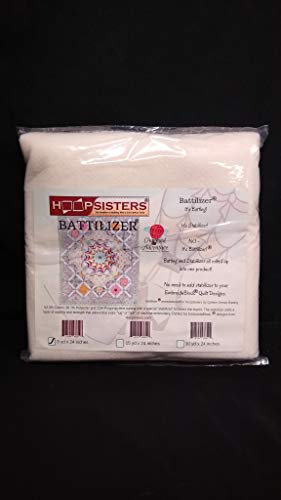
Hoop Sisters Battilizer Batting Stabilizer 24 Inches Wide 5-Yard Roll
70% Cotton, 30% Polyester Batting Stabilizer
As an affiliate, we earn on qualifying purchases.
As an affiliate, we earn on qualifying purchases.
Conclusion
Now that you’ve mastered the basics of in-the-hoop quilting, imagine the endless projects waiting to be created—each more intricate and stunning than the last. But there’s a twist, a secret technique that can elevate your work even further. Are you ready to access it? Stay tuned, because what you’re about to discover could change the way you quilt forever. The next step is closer than you think—don’t miss out!
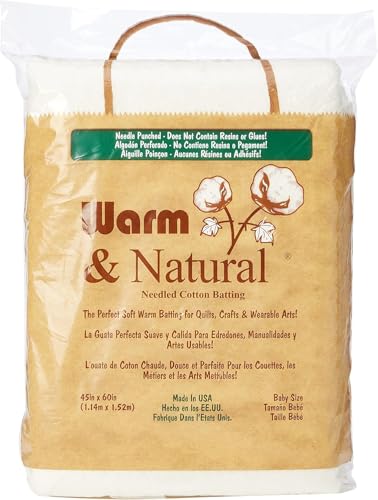
The Warm Company – Warm & Natural Cotton Quilt Batting – Baby Size 45" x 60" – Premium Quilt & Craft Batting for Sewing & Quilting Projects
Premium Cotton Blend Batting – Made with high-quality cotton fibers for natural softness, warmth, and durability.
As an affiliate, we earn on qualifying purchases.
As an affiliate, we earn on qualifying purchases.

7 Piece Sewing Machine Cleaning Kit Include Tweezers Double Ended Fluff Brush Needle Board Screwdriver and 4 Short Screwdrivers, Sewing Machine Repair Tool
【Package includes】- 1 pcs curved nose tweezers, 1 pcs double-ended fluff brush, 1 pcs needle board screwdriver and…
As an affiliate, we earn on qualifying purchases.
As an affiliate, we earn on qualifying purchases.