
TL;DR
A good woodworking tool set for students combines safety, affordability, and completeness. Recent trends include eco-friendly tools and digital guides, helping beginners build skills confidently and safely.
Imagine a child’s eyes lighting up when they hold their first saw, ready to create. The right woodworking tool set can spark that moment — a blend of safety, simplicity, and fun. But with so many options, picking the best one can feel overwhelming.
This guide cuts through the noise, showing you exactly what to look for in student-friendly woodworking sets. Whether for the classroom or a weekend project at home, you’ll learn how to spot quality tools, recent innovations, and safety essentials. Ready to turn raw wood into something amazing? Let’s dive in.
Choose sets with safety features like blade guards and ergonomic handles to protect young users.
Budget between $20 and $100 for a solid, beginner-friendly woodworking set that’s durable and complete.
Look for sets with modular or expandable options—perfect for growing skills and projects.
Incorporate eco-friendly tools to teach sustainability alongside craftsmanship.
Always supervise young students, and teach safety as a core part of every project.
What Makes a Great Woodworking Tool Set for Students?
When choosing a set, safety tops the list. Look for tools with safety features like blade guards and ergonomic handles. The set should include essentials—saws, hammers, screwdrivers, and measuring tools—that cover beginner projects. These features aren’t just about safety; they influence how effectively a student can learn and develop skills. For instance, ergonomic handles reduce fatigue and improve control, which is crucial for precision and confidence. Blade guards prevent accidental cuts, fostering safer habits from the start.
Portability matters too. Compact, organized cases make it easy for students to carry tools and keep everything tidy. And don’t forget durability—tools need to withstand repeated use without breaking the bank. A durable set encourages ongoing practice, which is essential for skill mastery. For example, a sturdy plastic case not only protects tools but also helps students develop organization skills, making it easier to find the right tool quickly and reducing the risk of accidents caused by misplaced items.
For instance, a beginner set from Black & Decker includes a handsaw, a mini hammer, screwdrivers, and safety goggles—all in a sturdy plastic case. It’s perfect for young learners just starting out. Choosing a set that balances safety, durability, and portability ensures young woodworkers can focus on learning, not equipment issues.
As an affiliate, we earn on qualifying purchases.
What Are the Latest Trends in Student Woodworking Sets?
Modern sets are more than just basic tools. Multi-functional tools, like a screwdriver with interchangeable bits, save space and simplify projects. These versatile tools reduce clutter, making it easier for students to switch between tasks without needing to carry multiple individual tools. Eco-friendly options, with handles made from recycled plastics or biodegradable materials, are gaining ground because they align with environmental values and teach sustainability. Using eco-friendly tools can instill responsible craftsmanship—students learn that good design doesn’t have to come at the expense of the environment.
Safety tech also advances—automatic blade covers and safety locks help prevent accidents. These innovations are particularly important because they lower the risk of injury, building confidence for beginners. Moreover, some sets now come with online tutorials or augmented reality (AR) guides, making learning interactive and engaging. These digital integrations provide instant feedback, reinforce safety practices, and help students visualize complex steps, reducing frustration and increasing motivation.
A student using a digital-enhanced set can follow step-by-step videos, turning a simple wooden box into a masterpiece—without feeling lost. Incorporating these trends makes woodworking more accessible, safer, and fun, which can inspire sustained interest and skill development.
How Much Should a Beginner Woodworking Set Cost?
Expect to spend between $20 and $100 for a quality beginner set. Cheaper options might lack durability, which can lead to frustration or safety issues if tools break easily. For example, a plastic-handled saw might bend or dull quickly, causing students to struggle with their projects and possibly develop bad habits or safety risks. Conversely, more expensive sets often include a broader range of tools, safety features, and higher-quality materials, which can enhance learning and safety. The tradeoff involves balancing initial investment with long-term usefulness—spending a bit more upfront can save money and headaches later.
For example, a $50 set with hand saws, chisels, a hammer, and safety gear will be enough for most small projects. As skills grow, students can expand their toolkit, making the initial choice a stepping stone rather than a limiting factor. This approach encourages continuous learning and prevents the need for a complete overhaul of tools as proficiency increases.
| Price Range | Features | Ideal For |
|---|---|---|
| $20-$50 | Basic tools, safety gear, simple storage | Beginners, young children |
| $50-$100 | More tools, safety enhancements, better materials | Older students, more serious projects |
What Safety Tips Should You Follow?
Safety is non-negotiable. Always supervise young students. Teach them to wear goggles and gloves, and show proper tool handling. Store tools in a secure, organized case when not in use. Proper supervision isn’t just about preventing accidents; it’s about instilling lifelong safety habits. When students understand the reasons behind safety protocols—like why goggles are essential—they internalize these practices, reducing risks significantly.
For example, before cutting wood, remind students to check their workspace for loose clothing or jewelry. Demonstrate how to hold a saw firmly and keep fingers clear of blades. Safety isn’t just a rule—it’s a habit that prevents accidents. Reinforcing correct techniques and safety awareness creates a culture of responsibility that extends beyond woodworking to other areas of life.
Understanding why safety measures matter helps students internalize good habits. For instance, wearing goggles protects their eyes from flying debris, which is a common cause of injury. Consistent safety practices reduce the risk of accidents and foster a responsible attitude towards using tools. When safety becomes second nature, students can focus on honing their skills without fear, leading to better craftsmanship and confidence.
Can Kids Grow Into More Advanced Tools?
Absolutely. Beginner sets are stepping stones. As confidence and skills develop, students will need more precise saws, drills, and sanding tools. Look for modular sets or expandable options that adapt to their growing abilities. The importance of scalability is that it allows learners to progress without feeling constrained by their initial equipment. For example, starting with a simple hand saw and then moving to a small power drill introduces new techniques and challenges, keeping their engagement high.
Imagine a young woodworker starting with a simple handsaw, then moving on to a small power drill and a jigsaw. This progression keeps them challenged and excited, encouraging continuous learning. The ability to upgrade or expand their toolkit means they won’t outgrow their initial set too quickly, making it a more cost-effective and motivating investment. It also teaches resourcefulness and planning, as students learn to select and care for their tools over time.
Many brands offer upgrade kits or larger tool collections designed to match increasing skill levels, making the learning curve smooth and rewarding. This approach supports sustained interest and skill development, leading to more complex projects and a deeper understanding of woodworking principles.
Are Eco-Friendly Tools a Good Choice for Students?
Eco-friendly tools are increasingly available and make a solid choice. Handles made from recycled plastics or biodegradable materials reduce environmental impact. Plus, they often feel better in hand—smooth, lightweight, and less toxic. Choosing eco-friendly tools demonstrates environmental responsibility and can influence students’ attitudes toward sustainability, making craftsmanship a platform for teaching broader values. The natural feel of bamboo or recycled wood handles can also improve grip and comfort, encouraging longer practice sessions without fatigue.
For instance, some brands use bamboo or recycled wood for handles, giving tools a natural feel that kids respond to positively. It’s a win-win: teach sustainability while fostering craftsmanship. Additionally, eco-friendly materials often require less processing and are produced with fewer harmful chemicals, which can be safer for young users and better for the environment. This combination of safety and sustainability makes them especially suitable for educational settings, where instilling good habits is key.
According to eco-conscious manufacturers, these tools meet safety standards and last just as long as traditional ones, making them a responsible and practical choice for school projects or home use. This aligns well with educational goals of teaching environmental responsibility alongside craftsmanship skills. The long-term durability and safety of eco-friendly tools ensure that they are not just a trend but a meaningful investment in sustainable craftsmanship.
Frequently Asked Questions
What tools should be included in a beginner woodworking set?
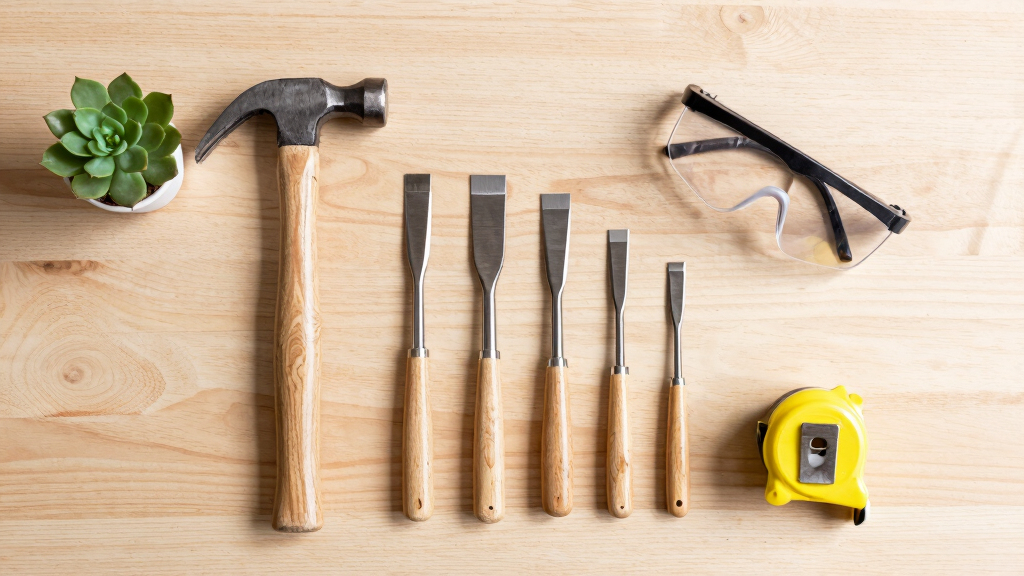
Most beginner sets include a handsaw, a hammer, screwdrivers, chisels, a measuring tape, a square, and safety goggles. These cover basic projects and teach fundamental skills.
Are power tools safe for kids?
Power tools can be safe for older, trained students with supervision. For beginners, start with hand tools to build proper technique and safety habits first.
How do I pick the right set for my child’s age and skill level?
Check if the set is age-appropriate, includes safety features, and is designed for beginners. Reading reviews and product descriptions helps find the best fit.
What safety precautions should I take?
Supervise all work, teach correct handling, use safety gear, and store tools securely. Make safety a core part of every project and conversation.
Can these sets be upgraded as skills improve?
Yes, many brands offer expansion kits or larger tool collections. As skills develop, students can add more advanced tools to their arsenal.
Conclusion
The right woodworking set for students doesn’t just build projects — it builds confidence, safety habits, and a love for making. Focus on safety, quality, and growth potential, and you’ll set a young woodworker on a path of creative discovery.
Remember, a beginner’s toolkit is just the start. With each project, they’ll gain skills, patience, and pride. So pick wisely, teach safety, and watch the woodwork magic happen.