To blend pattern sizes like a pro with bust, waist, and hip mismatches, focus on balancing proportions using pattern scale. Use large patterns on areas you want to emphasize or balance, like the hips or bust, and smaller patterns to slim or downplay less flattering zones, such as the waist. Keep colors cohesive and textures similar for harmony. Mixing only two or three pattern sizes prevents clutter. If you want to master these tips, explore how strategic pattern placement can transform your look.
Key Takeaways
- Mix large patterns on broader areas and small patterns on narrower ones to create visual balance.
- Use large, bold prints on the top or bottom to divert attention from mismatched bust, waist, or hips.
- Pair small, detailed patterns with larger prints to emphasize proportionate areas and downplay less flattering ones.
- Balance pattern scale with body measurements by choosing prints that complement your bust, waist, and hip sizes.
- Incorporate cohesive colors and textures across pattern sizes to unify the look and enhance visual harmony.
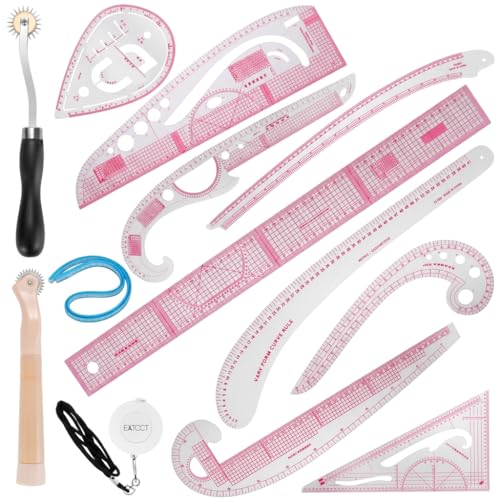
13PCS Styling Sewing French Curve Ruler Set, Dress Makers Rulers Clear Sewing Tailors Pattern Making Ruler for Fashion Design and Guides
Update English Language Indicator Rulers: 13PCS Package including Ten Rulers, Button Ruler, Curve Ruler, Scale Triangle, Grading Ruler,…
As an affiliate, we earn on qualifying purchases.
As an affiliate, we earn on qualifying purchases.
Why Mismatched Measurements Make Styling Challenging: And How Pattern Mixing Can Help

When your measurements don’t align perfectly, styling can become a real challenge. Mismatched body proportions can make it tricky to find patterns that flatter your figure. The key issue is pattern scale—small patterns on a larger frame can look overwhelming, while large patterns on a petite body might drown you out. Understanding your body proportion helps you choose patterns that create harmony. Mixing different pattern scales can balance out uneven measurements, drawing attention to your best features. For example, pairing a small, detailed pattern with a larger, bold one can help you achieve a cohesive look. Paying attention to pattern scale and body proportion allows you to select outfits that enhance your natural shape. By paying attention to pattern scale and body proportion, you can confidently style your outfits, even with bust, waist, or hip mismatches.
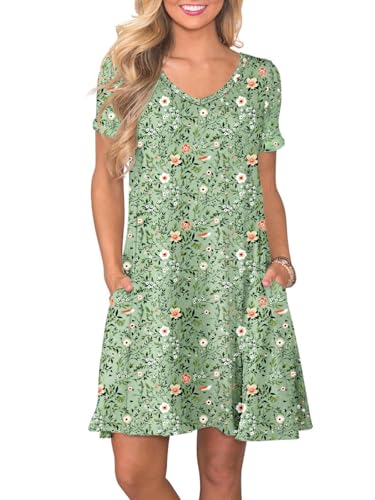
lionstill Women's Casual T Shirt Dress Summer Fashion Short Sleeve Swing Floral Dresses with Pockets, Green Sparrow Floral XL
Standard American sizes are used. Please refer to the size chart carefully prior to placing your order. This…
As an affiliate, we earn on qualifying purchases.
As an affiliate, we earn on qualifying purchases.
Figuring Out Your Body’s Measurements to Style Flattering Patterns
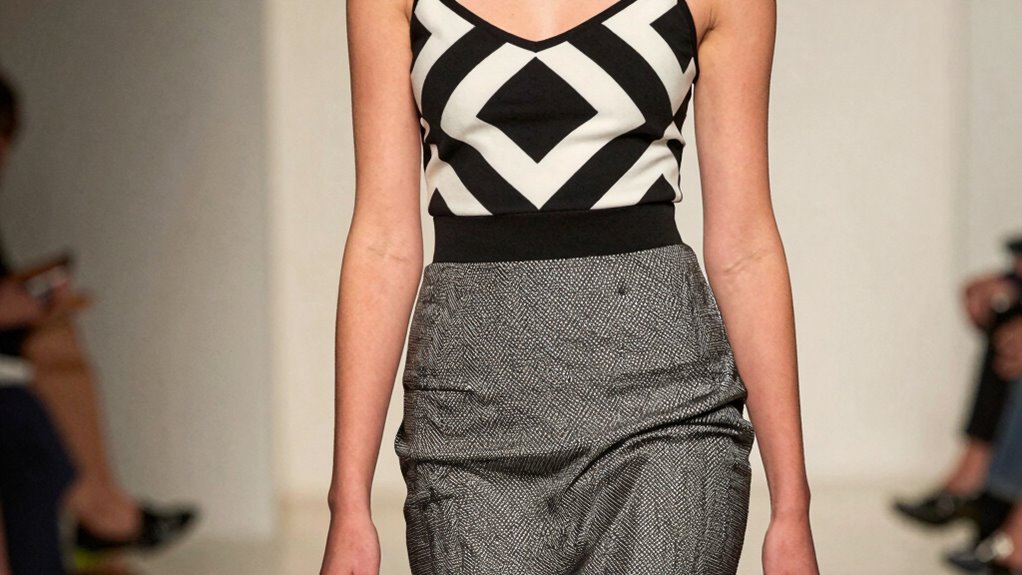
To style flattering patterns, you first need to understand your body’s measurements. Measure your bust, waist, and hips accurately using a flexible tape. Knowing these numbers helps you select patterns that enhance your best features and create balance. Pay attention to fabric texture as well—smooth fabrics can streamline your silhouette, while textured fabrics add dimension. Color coordination is also key; darker shades can minimize, while brighter or lighter hues draw attention. When choosing patterns, consider your proportions: smaller measurements benefit from delicate, intricate prints, while larger measurements are complemented by bold, simpler patterns. Understanding your body’s proportions and measurements is essential for selecting the most flattering patterns. Additionally, being aware of fabric texture and pattern scale can further enhance your styling choices, helping you achieve a cohesive and flattering look. Recognizing the impact of body shape can guide you in choosing patterns that emphasize your natural curves. By understanding your measurements, fabric texture, and color coordination, you can better select patterns that flatter your figure and boost your confidence. Incorporating pattern scale awareness into your wardrobe decisions ensures your clothing choices enhance your overall silhouette and style. Being mindful of pattern size and placement can also help balance your proportions effectively.

4 Models Fashion Illustration Rulers, Fashion Sketching Templates Ruler, Fashion Sketching Ruler Sewing Humanoid Patterns Design, Clothing Measuring French Curve Rulers A4 Pattern Paper Draft Drawings
As a best gift for designer! 📌【Precise Humanoid Template】The template is based on the standard clothing stereoscopic mannequin…
As an affiliate, we earn on qualifying purchases.
As an affiliate, we earn on qualifying purchases.
Choosing Large-Scale Patterns to Balance Bust and Hips
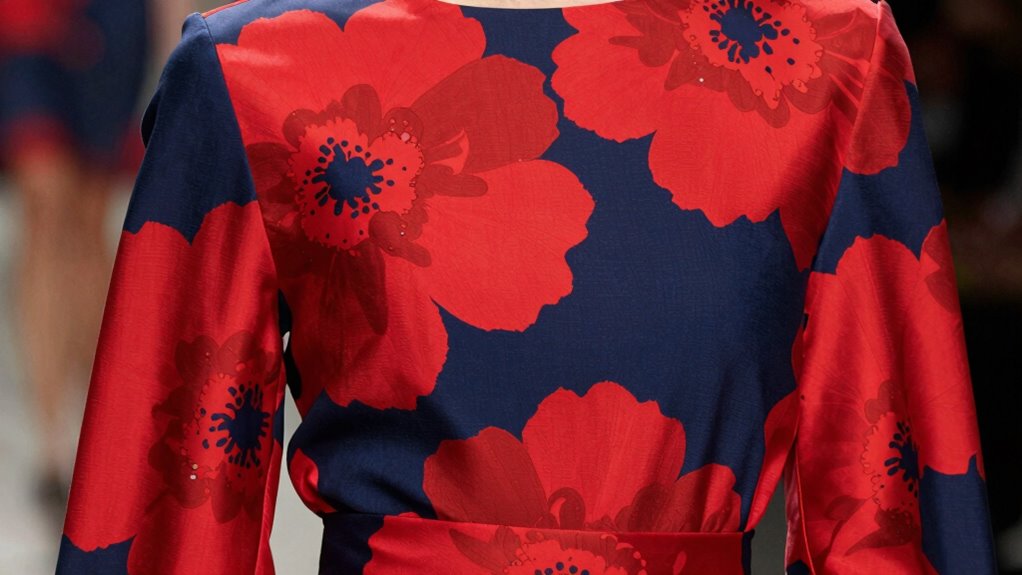
Choosing large-scale patterns can be an effective way to create balance if you have a bust and hips that draw attention. Big, bold patterns command focus and can visually shift attention away from areas you want to de-emphasize. Opt for patterns with varied fabric textures and confident color coordination to enhance the effect. For example, a dress with a large floral print and textured fabric on the upper half balances a fuller hip area. Use the table below to imagine pattern placements:
| Pattern Placement | Effect |
|---|---|
| Large pattern on the top | Draws attention upward, balancing hips |
| Bold prints on the lower part | Adds visual weight to hips, balancing bust |
| Coordinated color blocking | Creates a cohesive, balanced silhouette |
Choose patterns that emphasize size and texture to achieve a balanced, stylish look.

MiYang Women's Plus-Size Flower Printing Shaping Body One Piece Swim Dresses Swimsuit Green Leaf Printed X-Large (US 16-18)
TUMMY CONTROL SWIMDRESS: What this flower printed swimdress can offer you is a tummy control front lining, which…
As an affiliate, we earn on qualifying purchases.
As an affiliate, we earn on qualifying purchases.
Using Smaller Prints to Slim and Flatter Your Waist
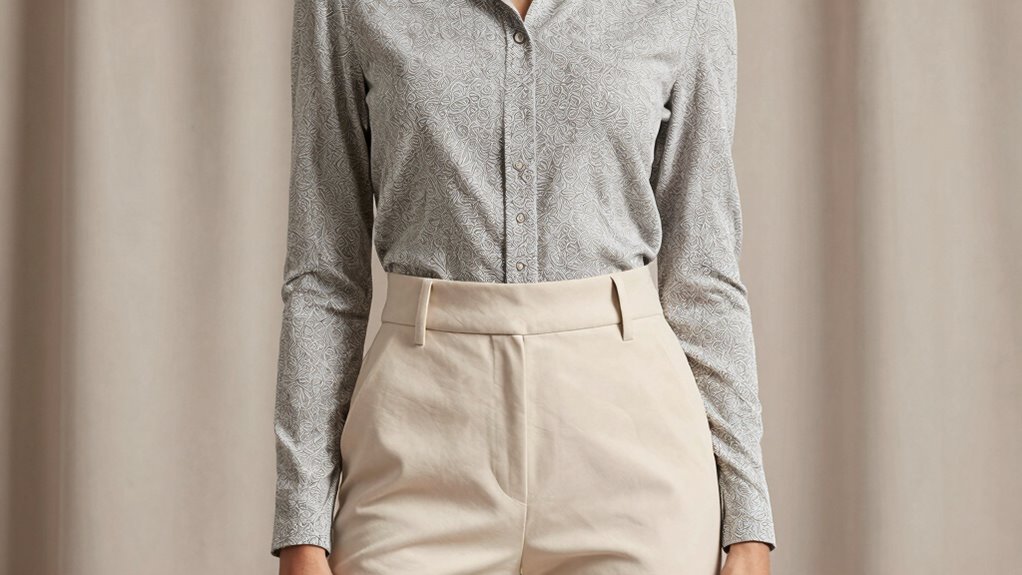
Using smaller prints can create a visual slimming effect around your waist, making you look more proportionate. They also distract the eye from mismatched areas, drawing attention away from less flattering spots. By choosing these prints wisely, you can enhance your overall balance and flatter your figure effortlessly. Additionally, understanding artistic expression can inspire you to experiment with patterns that highlight your best features and boost your confidence. Incorporating pattern size knowledge into your wardrobe choices can further refine your look and help you achieve a harmonious silhouette. Recognizing the importance of visual balance can guide you in selecting patterns that complement your natural shape and improve your overall appearance. Furthermore, exploring fashion techniques can provide additional tips for styling patterns effectively and confidently. Moreover, being aware of investment diversification principles can help you make smarter fashion choices that reflect your personal style while maintaining harmony.
Visual Slimming Effect
Ever wonder how small prints can make a difference in your appearance? Using smaller prints creates a visual slimming effect by drawing less attention to your midsection. Incorporate contrast color subtly within the pattern to add depth without overwhelming your frame. Fabric textures also play a role—smooth, matte finishes tend to be less bulky than shiny or textured fabrics, helping you look slimmer. When small prints are combined with strategic color placement, they create a seamless, streamlined silhouette. Avoid large or busy patterns that can draw focus and add visual bulk. Instead, opt for delicate prints with subtle contrast color details and soft fabric textures. This approach tricks the eye into perceiving a flatter, more balanced waistline, enhancing your overall silhouette effortlessly. Additionally, understanding how visual perception influences pattern choices can further optimize your styling for a slender appearance. Recognizing the importance of pattern size can help you select prints that flatter your body shape best. Incorporating design principles such as balance and proportion can also make a significant difference in achieving a harmonious look.
Distraction From Mismatched Areas
When you want to divert attention from areas you’re less confident about, smaller prints can be your best ally. They create a visual focus that naturally draws the eye away from the mismatched parts, helping you feel more confident. Smaller patterns produce an optical illusion that minimizes the prominence of larger or less proportionate areas, effectively slimming and flattening them. By choosing prints that are less bold and more subtle, you guide attention to your overall silhouette rather than individual features. This strategic distraction makes mismatched areas less noticeable and enhances your natural shape. When you use smaller prints thoughtfully, you craft a balanced look that emphasizes your best features while downplaying those you want less emphasized. Plus, understanding interior design principles can help you combine patterns more successfully in your space, creating harmony and visual interest.
Proportional Balance Enhancement
Smaller prints are a powerful tool for creating a more proportional and balanced silhouette, especially around your waist. They draw attention downward and create a slimming effect through texture contrast and color coordination. To maximize this, choose prints that are noticeably smaller than the surrounding patterns. For example, pairing a tiny floral print with larger plains helps direct focus to your narrower waist. Additionally, incorporating visual cues can further enhance the slimming illusion by guiding the eye strategically. Understanding visual hierarchy principles can help you select patterns that naturally emphasize your best features.
How to Mix Different Pattern Sizes Without Looking Cluttered
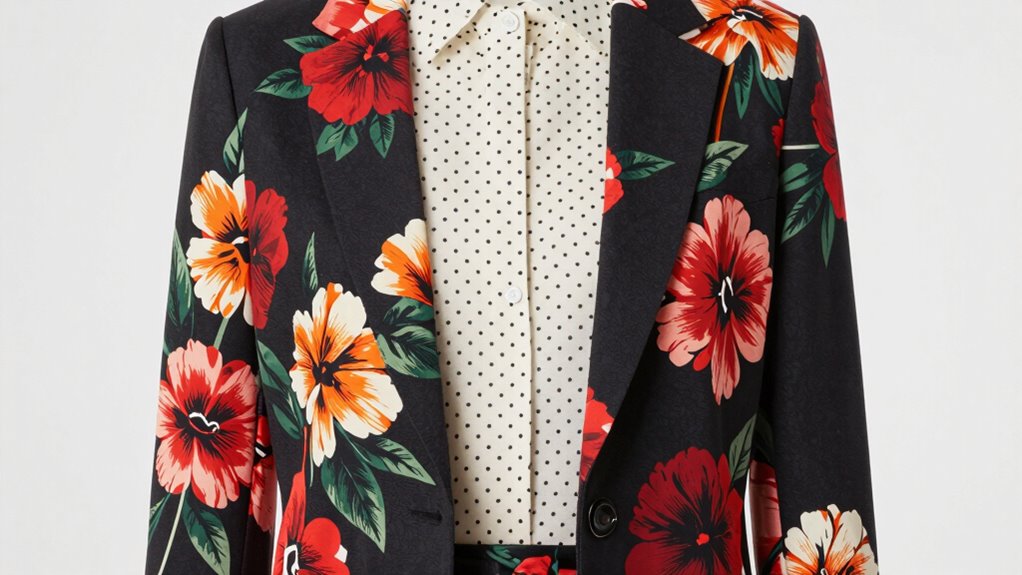
Wondering how to combine different pattern sizes without creating chaos? The key is to balance fabric texture and color coordination. Stick to a neutral or cohesive color palette so that the patterns complement rather than clash. When mixing large and small patterns, keep the scale in mind—pair a bold, large print with a subtle, smaller one to prevent visual overload. Use similar fabric textures to create harmony; for example, pairing a smooth silk with a matte cotton keeps the look polished. Limit your pattern combinations to two or three pieces to avoid clutter. Focus on creating a visual flow by repeating a color or pattern element across garments. Paying attention to quality assessment ensures your patterns and fabrics maintain their appearance and longevity over time. Additionally, understanding pattern scale allows you to make more informed choices that enhance your overall look. Recognizing fabric types and textures can also help you select patterns that work well together and add depth to your outfits. Incorporating visual balance into your styling helps achieve a cohesive and polished appearance. Being mindful of pattern placement can further elevate your outfit by highlighting your best features and creating visual interest.
Styling Tricks to Make Mismatched Patterns Look Cohesive
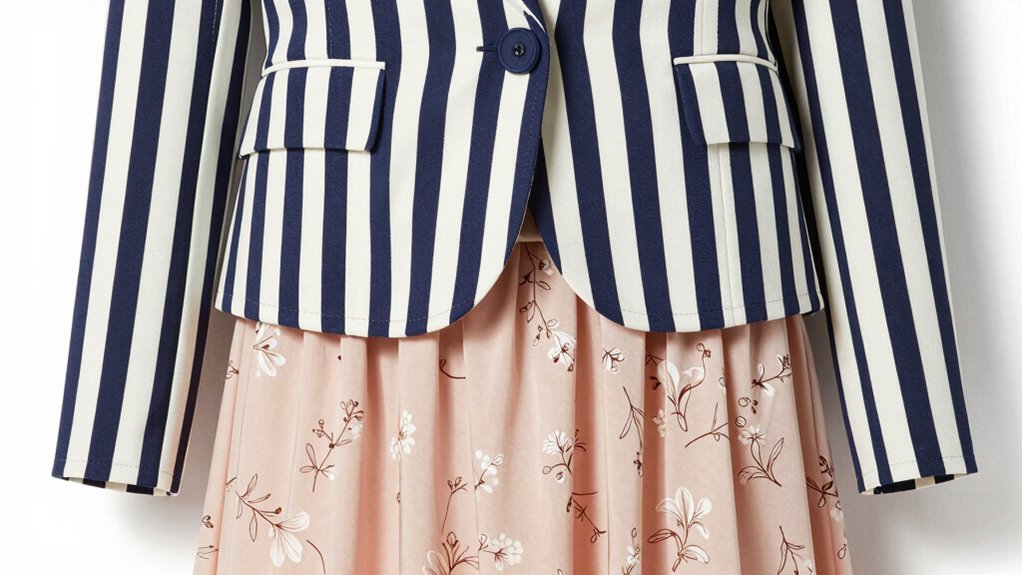
To make mismatched patterns look intentional and polished, focus on strategic styling tricks that create visual harmony. Start by paying attention to fabric texture; pairing similar textures, like matte with matte or smooth with textured fabrics, helps unify different patterns. Color coordination also plays a key role—stick to a cohesive color palette or pick one dominant hue to tie the look together. Incorporate neutral accessories or layers to ground the outfit and soften the contrast between patterns. Additionally, balancing the scale of patterns ensures they don’t compete—pair larger prints with smaller ones, but keep the color scheme consistent. These tricks help your mismatched patterns appear thoughtfully styled, elevating your overall look with intentional cohesion.
Common Pattern Mixing Mistakes When You Have Bust, Waist, and Hip Differences
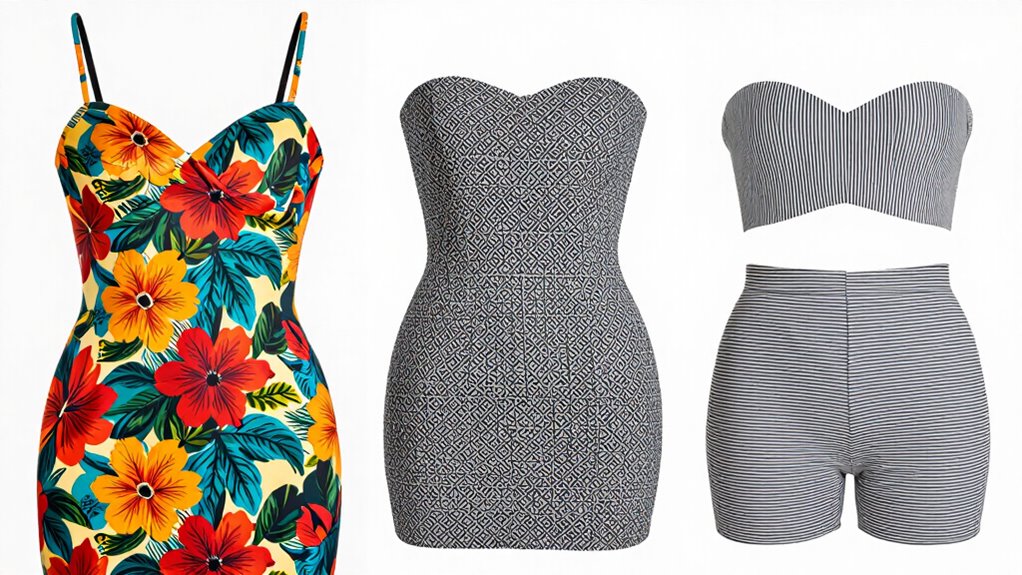
When mixing patterns with different bust, waist, and hip measurements, it’s easy to fall into common mistakes that can make your outfit look unbalanced or unflattering. One mistake is ignoring fabric textures; pairing busy patterns with overly textured fabrics can create visual chaos instead of harmony. Another pitfall is poor color coordination—clashing colors or patterns that don’t complement each other can emphasize size differences rather than blend them seamlessly. You might also choose patterns that are too similar in scale without considering how they interact with your body’s proportions, making certain areas appear larger or smaller. To avoid these issues, focus on balancing textures and selecting colors that work well together. This helps create a cohesive look that flatters your unique body shape and prevents mismatched pattern mishaps. Additionally, understanding how to detect and correct passive voice in your clothing descriptions can enhance your overall style communication. Being mindful of pattern scale can also help you select designs that harmonize with your proportions.
Real-Life Examples of Pattern Size Mixing for Flattering Outfits
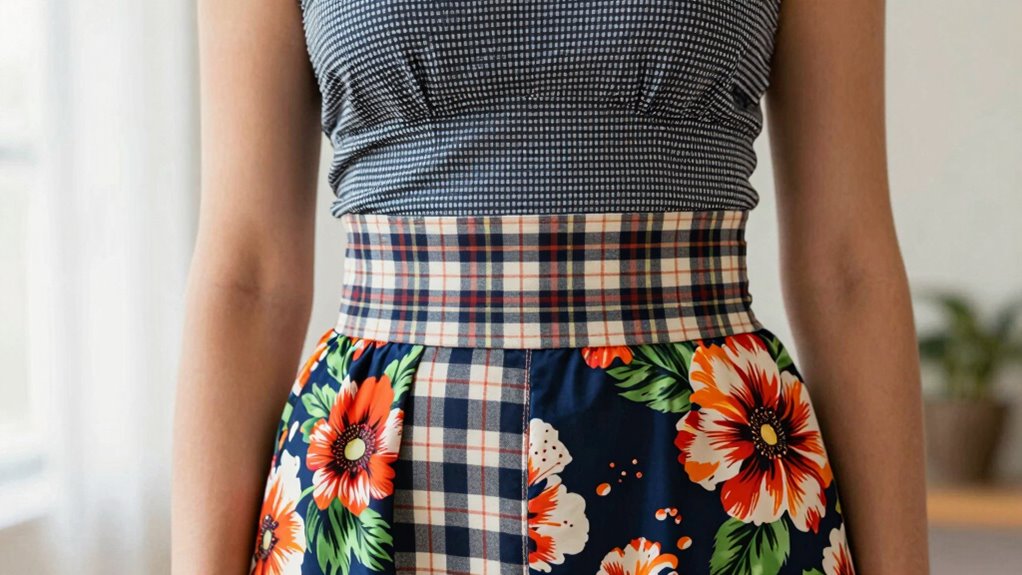
Mixing pattern sizes can considerably enhance your outfit when done thoughtfully. For example, pairing a large floral print top with a smaller polka-dot skirt creates visual interest without overwhelming your figure. Pay attention to fabric textures—combining smooth silk with textured knits adds depth and sophistication. Color coordination is key; matching shades or sticking to a cohesive color palette helps balance the patterns. For example, pairing a bold, large-scale pattern in vibrant hues with a subtler, smaller print in complementary tones creates harmony. Using consistent color themes across different pattern sizes ensures your outfit looks intentional rather than chaotic. Incorporating visual harmony principles can help you refine your pattern mixing skills and achieve a polished look. These real-life examples show how blending pattern sizes, textures, and colors can flatter your bust, waist, and hips while keeping your style fresh and polished.
Planning Your Pattern Mix: A Step-by-Step Guide to Style Confidence
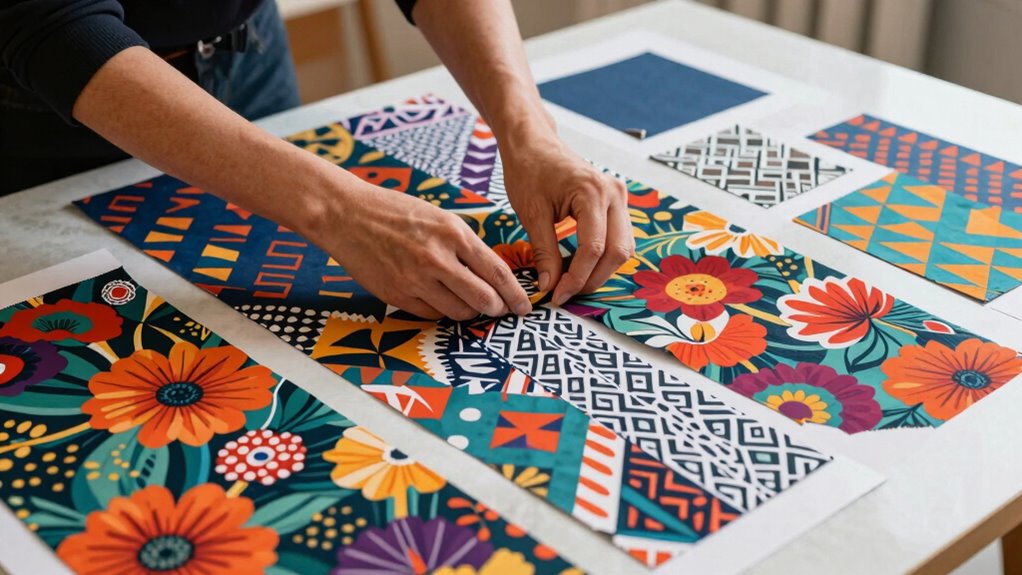
Planning your pattern mix might seem intimidating at first, but breaking it down into simple steps can boost your confidence and guarantee a stylish result. Start by choosing a dominant pattern to anchor your look. Next, select complementary fabric textures and assure your color coordination creates harmony. Mix large and small patterns thoughtfully; for example, pair a bold floral with a subtle polka dot. Use the table below to guide your choices:
| Step | Action |
|---|---|
| 1 | Pick a dominant pattern |
| 2 | Match fabric textures |
| 3 | Coordinate colors for balance |
Frequently Asked Questions
How Do I Choose Patterns That Suit My Unique Body Shape?
To choose patterns that suit your body shape, focus on enhancing your body symmetry and balancing proportions. Opt for patterns with a scale that complements your figure—smaller patterns work well for a delicate frame, while larger ones suit a fuller shape. Consider your waist, bust, and hips, and select patterns that highlight your best features. Always try on different options to see what makes you feel confident and comfortable.
Can Pattern Mixing Help Create the Illusion of Balanced Proportions?
Yes, pattern mixing can help create the illusion of balanced proportions. By choosing patterns with varying scales—small prints on areas you want to downplay and larger patterns on areas you want to highlight—you’ll achieve better visual balance. Play with pattern scale to draw attention strategically, making your overall silhouette appear more harmonious. This technique tricks the eye and enhances your natural shape effortlessly.
What Accessories Can Complement a Mixed-Pattern Outfit?
You might think accessories are just extras, but with clever accessory pairing and color coordination, they become your outfit’s secret weapon. Opt for simple jewelry to balance bold patterns or pick one accent color to tie everything together. A sleek belt or elegant earrings can anchor your look, making your mixed patterns appear intentional and stylish. Just remember, when in doubt, less is more — let your patterns do the talking.
How Do Fabric Textures Influence Pattern Blending Effectiveness?
Fabric textures play a vital role in pattern blending, helping you achieve a cohesive look. Smooth textures like silk or jersey make patterns blend seamlessly, while textured fabrics like tweed or lace add depth and contrast. When mixing patterns, consider matching the textures to create harmony or intentionally contrasting them for visual interest. This approach guarantees your outfit looks intentional and stylish, making pattern blending more effective and polished.
Are There Specific Color Combinations That Work Best With Pattern Sizes?
Think of color pairing as a dance where harmony and contrast set the rhythm. You’ll want to choose contrasting colors for bold pattern sizes to create visual interest, like navy with crisp white, or soft pastels for a gentle balance. For smaller patterns, go for subtle, monochromatic color schemes to avoid overwhelming the eye. When pattern contrast is high, bold colors make the design pop; when it’s low, muted tones keep it elegant.
Conclusion
Mastering pattern size mixing turns fashion into your personal canvas, even with a Dickensian bust-waist-hip mismatch. By choosing the right scales and balancing your prints, you’ll craft outfits that flatter and intrigue. Remember, as the Bard once said, “All the world’s a stage,” so don’t shy away from experimenting. With these tricks, you’ll confidently style like a pro—no more fashion follies, just stunning, harmonious looks every time.