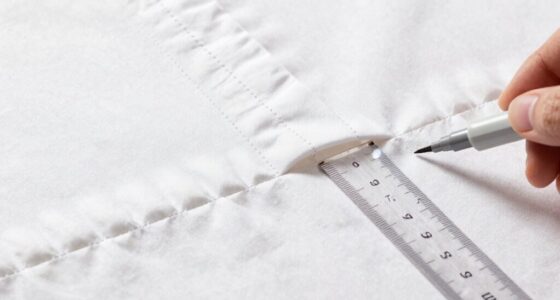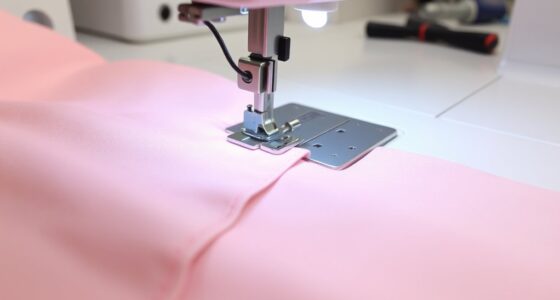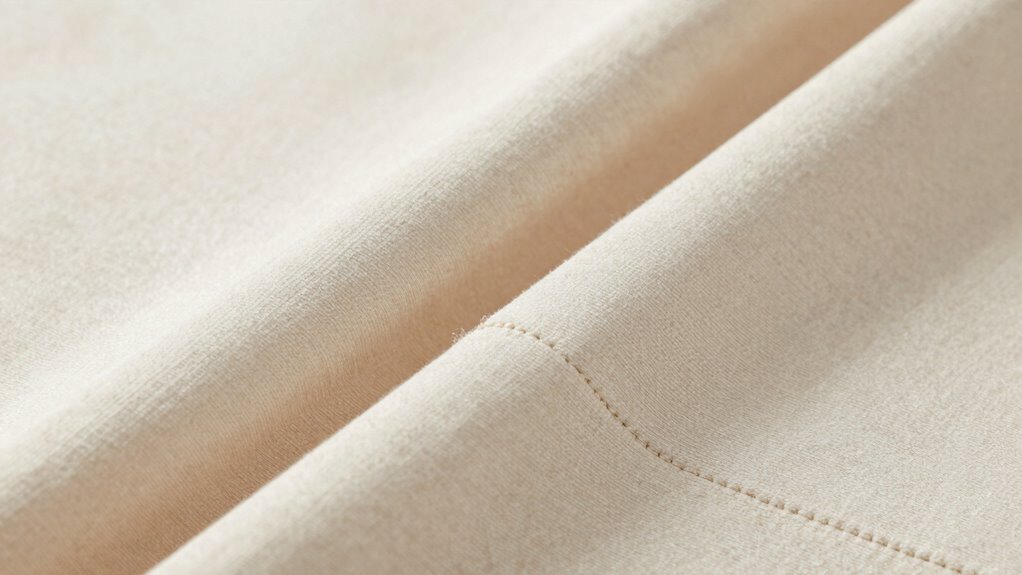

When comparing steam and dry heat for finishing seams, steam sterilization typically provides a smoother, more polished finish. It penetrates fibers easily, reducing stiffness and helping seams look cleaner and more aligned. Dry heat, on the other hand, can cause fabrics to stiffen or become brittle if not carefully controlled. For ideal seam quality and fabric longevity, steam often works better—if you want to understand how each method affects different materials, there’s more to explore.
Key Takeaways
- Steam sterilization penetrates fibers with moisture, resulting in smoother, more polished seam finishes.
- Dry heat avoids water damage but may cause fabrics to become stiff or brittle if not carefully controlled.
- Steam’s lower temperature range offers easier regulation, ensuring consistent seam quality.
- Dry heat’s higher temperatures are suitable for moisture-sensitive items but risk damaging delicate fabrics.
- Proper method selection preserves fabric flexibility and seam durability over time.
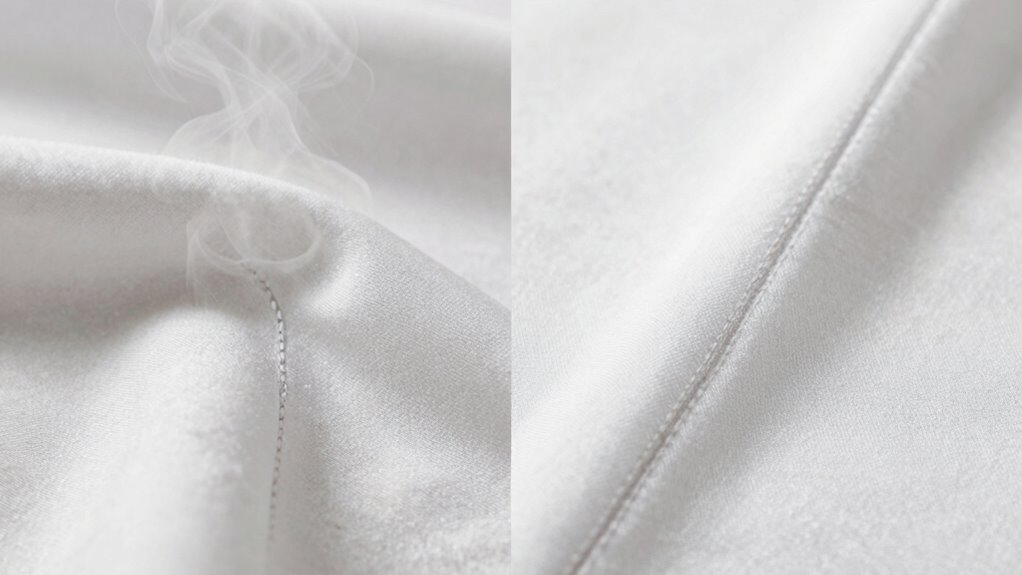
When choosing between steam and dry heat for sterilization, understanding their differences can help you make the best decision for your needs. Both methods are effective but serve different purposes, especially when it comes to finishing seams and working with various fabrics. Steam sterilization uses moist heat under pressure, which penetrates materials quickly, making it ideal for quick turnaround and delicate fabrics. This rapid penetration also ensures more consistent seam finishing results, especially on complex textile patterns. This process is often preferred in settings where efficiency is crucial, such as in healthcare or textile industries. If your priority is maintaining fabric flexibility, steam sterilization offers advantages. The moist heat penetrates fibers more effectively, often reducing the risk of damage or stiffness that can come from dry heat. This makes steam particularly suitable for textiles and materials that need to retain their pliability after sterilization. However, because steam involves moisture, it’s not always the best choice for items that are sensitive to water or could be warped by humidity. In such cases, dry heat’s ability to sterilize at higher temperatures without introducing moisture becomes advantageous.
Choosing between steam and dry heat depends on fabric sensitivity, seam finishing, and temperature control needs.
Temperature regulation plays a vital role in choosing between the two methods. Steam sterilizers typically operate at lower temperatures, around 121-134°C (250-273°F), which is sufficient for most medical and textile applications. These temperatures are easier to regulate and ensure consistent results without risking damage to heat-sensitive materials. Dry heat sterilization, however, requires much higher temperatures—usually around 160-180°C (320-356°F)—to achieve the same level of sterilization. While this can be more challenging to control, it’s necessary for materials that can’t withstand moisture or lower temperatures. Effective temperature control is essential for ensuring optimal sterilization without compromising material integrity. Proper temperature regulation also helps prevent overexposure, which could weaken fibers or cause discoloration.
You also need to take into account the finishing of seams. Steam’s penetrating moisture helps smooth out fabric fibers and can reduce seam stiffness, leading to a cleaner, more polished finish. Dry heat, with its higher temperatures and lack of moisture, can sometimes cause fabrics to become brittle or stiff, especially if not carefully monitored. If your goal is to achieve a seamless, flexible finish, steam’s ability to finish seams better and preserve fabric integrity gives it an edge. Additionally, understanding the effectiveness of sterilization methods can help you select the most suitable process for your specific application. Incorporating proper process controls can further enhance the results, ensuring consistent quality and durability.
Furthermore, selecting the appropriate sterilization method can influence the lifespan of textiles and fabrics, making this an important consideration for both industrial and medical settings. Ultimately, your choice depends on the fabric type, the importance of fabric flexibility, and the need for precise temperature control. Steam offers a gentler, faster process suited for delicate textiles and seamless finishes, while dry heat provides a more robust sterilization for items that require higher temperatures without moisture. Understanding these differences helps guarantee you select the right method to achieve ideal seam finishing and fabric durability.

Conair Handheld Garment Steamer for Clothes, Turbo ExtremeSteam 1875W Fabric Steamer, Portable Handheld Design, Strong Penetrating Steam, Amazon Exclusive, Black
- Turbo Steam Power: Instantly smooth wrinkles with powerful steam
- Quick Heat-Up & Large Water Tank: Ready in 40 seconds, 20-minute steam duration
- 3-in-1 Attachment: Includes fabric band, spacer, and brush for versatile steaming
As an affiliate, we earn on qualifying purchases.
As an affiliate, we earn on qualifying purchases.
Frequently Asked Questions
Which Method Is Faster for Seam Finishing?
Dry heat is typically faster for seam finishing because it quickly seals edges, improving fabric durability and seam precision. You can use an iron or heat press to apply dry heat, which efficiently melts or seals fabric edges without waiting for steam to generate. This method saves time, guarantees consistent results, and enhances the overall strength of your seams, making it ideal when speed and durability are priorities.
Can Dry Heat Damage Delicate Fabrics?
Think of dry heat as a fiery dragon—it can be powerful but risky. Yes, dry heat can damage delicate fabrics if you’re not careful, especially with heat-sensitive materials. It may weaken fabric durability over time or cause scorching. If you’re working with delicate textiles, you should use lower temperatures or opt for steam instead. Always test a small area first to prevent permanent damage and preserve your fabric’s integrity.
Is Steam More Energy-Efficient Than Dry Heat?
Steam is generally more energy-efficient than dry heat because it uses less energy to produce the necessary heat and moisture. This reduces overall energy consumption and lowers environmental impact. You’ll find that steaming garments takes less time and power, making it a smarter choice for conserving resources. Plus, its efficiency means fewer emissions, helping you reduce your carbon footprint while achieving excellent results.
How Do Temperature Settings Differ Between the Two?
Think of temperature settings as a dance where precision leads. With steam, you typically set a lower temperature because the moisture helps penetrate fabric effectively, ensuring consistent heat without scorching. Dry heat requires higher temperatures to achieve the same fabric penetration, but it can sometimes lead to uneven heat consistency. Adjusting these settings carefully allows you to optimize seam finishing, balancing heat and moisture for the best results.
Which Method Is Safer for Home Use?
You’ll find dry heat safer for home use because it’s easier to control and reduces the risk of burns or fabric damage. Always check fabric compatibility first, as some materials can scorch or melt with dry heat. Follow safety precautions like using heat-resistant gloves and working in a well-ventilated area. Steam can be safe too, but you need to be extra cautious with hot water and steam pressure.
Conclusion
Ultimately, whether you opt for steam or dry heat depends on your specific seam sealing needs. Steam’s subtle softness soothes seams with a gentle touch, while dry heat delivers a decisive, dry finish that deters dampness. Decide based on durability and detail, but remember, the right method makes your seams stronger, smarter, and superbly sealed. So, select your solution wisely, and seal with confidence, creating a seamless, secure, and superior finish every time.