

If your project is slightly off course, act quickly by evaluating where things are veering from the plan, honestly evaluating the current status, and identifying key issues. Communicate openly with your team and stakeholders to build trust and gather input. Reallocate resources strategically, focusing on critical areas, and consider adjusting the scope if needed. Set short-term milestones to measure progress, stay flexible, and adapt as necessary. Keep these strategies in mind to guide your recovery efforts effectively.
Key Takeaways
- Conduct an honest assessment to identify specific deviations and areas needing correction.
- Communicate transparently with stakeholders to build trust and gather support.
- Reallocate resources strategically to critical tasks and consider scope adjustments if necessary.
- Set short-term milestones and monitor progress regularly to ensure accountability.
- Stay flexible by adapting plans quickly and maintaining open communication to navigate setbacks effectively.

Have you ever wondered what it takes to turn a failing project around? When things start veering off course, it’s easy to feel overwhelmed or unsure of what to do next. But the key to rescuing a project lies in clear, direct action. First, assess the situation honestly. Identify where the project is diverging from its original goals, whether it’s missed deadlines, budget overruns, or scope creep. Once you have a clear picture, focus on effective stakeholder communication. You need to keep everyone involved informed and engaged. This involves openly discussing the issues with your team, clients, and other stakeholders, without sugarcoating the facts. Honest communication builds trust, and it encourages collective problem-solving. When stakeholders understand the challenges, they’re more likely to support necessary adjustments.
Next, prioritize resource reallocation. This is often the quickest way to get a lagging project back on track. Review your current resource allocation—people, budget, and tools—and determine where shifts can have the most impact. If certain tasks are falling behind, consider assigning additional personnel or reallocating budget to critical areas. Sometimes, you may need to bring in external expertise or adjust the scope to match available resources. Be decisive but strategic in your reallocations; don’t spread your resources too thin or fixate on minor issues that won’t considerably move the project forward. Additionally, understanding the importance of biodiversity can inspire more sustainable and adaptive project management practices that respect ecological constraints. Incorporating sustainable principles can also enhance stakeholder trust and long-term viability. Recognizing the significance of hardware and cabling essentials in infrastructure can provide a foundation for more resilient project outcomes. Moreover, aligning your project goals with sustainable practices can contribute to more resilient and environmentally conscious project management. It’s also crucial to consider risk management strategies to anticipate potential setbacks and prepare contingency plans.
As you implement these changes, keep a close eye on progress. Set short-term milestones that allow you to measure the impact of your adjustments. Regular check-ins with your team and stakeholders ensure everyone stays aligned and can adapt quickly if new issues arise. Transparency in your updates fosters accountability and reassures stakeholders that you’re actively managing the project’s recovery. Remember, you don’t need to overhaul everything at once—small, targeted changes often yield the best results.
Finally, stay flexible. Projects rarely follow a straight path, especially when they’re off course. Be willing to pivot your approach if initial efforts don’t produce the desired outcomes. Continuous communication and strategic resource reallocation are your best tools for bringing a project back into alignment. With a clear plan, open dialogue, and smart resource management, you stand a good chance of turning a slightly off-grain project into a success story. It’s about staying proactive, focused, and adaptable—traits that will help you navigate even the toughest setbacks.
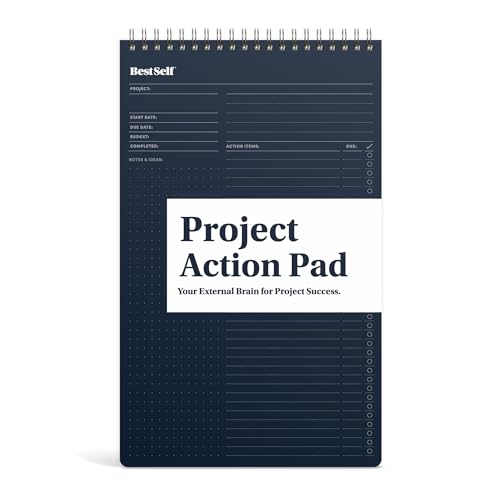
BestSelf Project Action Pad – 60 Sheets, Project Tracker & Manager Pad
- Ultimate Task Planner: Breaks down multi-tasks into clear plans
- Organized Notepad: Ideal for work, school, and life notes
- Priority Tracking: Includes start, due, budget, and completion dates
As an affiliate, we earn on qualifying purchases.
As an affiliate, we earn on qualifying purchases.
Frequently Asked Questions
How Do I Identify Early Signs of Project Misalignment?
You can spot early signs of project misalignment by monitoring team motivation and stakeholder feedback regularly. If team members seem disengaged or stakeholders express concern about progress, it signals potential issues. Keep communication open, ask for honest input, and track project milestones closely. Address any discrepancies quickly, adjusting plans if needed, to guarantee everyone stays aligned and motivated, preventing small issues from escalating into major setbacks.
What Tools Can Help Monitor Project Health Effectively?
Imagine a ship steering through fog—tools like risk assessments and stakeholder engagement act as your radar, keeping you on course. Use project management software to track progress, deadlines, and resources, providing real-time health indicators. Regularly scheduled check-ins foster stakeholder engagement, catching issues early. These tools help you visualize project health, enabling swift adjustments. Stay proactive, and you’ll navigate your project back on track with confidence.
How Do I Communicate Issues Without Causing Panic?
You should communicate issues calmly and clearly, emphasizing transparency to maintain team morale and manage stakeholder expectations. Share specific facts, highlight potential impacts, and suggest solutions to show you’re proactive. Avoid blame and focus on collaboration, so everyone feels part of the fix. Keep updates consistent and positive, reinforcing your commitment to resolving problems. This approach helps prevent panic, builds trust, and keeps the project on track.
When Should I Consider Halting a Project?
You should consider halting a project when team collaboration reveals persistent issues that can’t be resolved quickly, and stakeholder engagement indicates significant risks or misaligned goals. If progress stalls despite efforts to realign, and the project’s outcomes no longer align with strategic objectives, stopping becomes necessary. Regularly communicate these concerns transparently, involving stakeholders in the decision, to guarantee everyone understands why halting is the best course of action for future success.
Who Should Be Involved in the Rescue Process?
You should involve key stakeholders, project managers, and team members in the rescue process. Engage stakeholders early to gather insights and secure buy-in, ensuring stakeholder engagement remains strong. Assess resource allocation to identify gaps or misaligned efforts. By collaborating with these individuals and adjusting resource deployment, you can realign the project, boost morale, and set clear, achievable goals to bring it back on track efficiently.
Conclusion
Remember, every project is like a ship charting choppy waters; with steady hands and clear direction, you can steer it back on course. When things feel off, don’t abandon ship—adjust your sails, reassess your course, and rally your crew. With patience and strategic moves, you’ll turn that wayward vessel into a success story. Stay committed, stay flexible, and trust your instincts—you’re the captain of your project’s destiny.