
Before buying your first spinning wheel, consider the types of fibers you plan to spin and choose a wheel compatible with those fibers, such as fine or coarse. Look for a well-designed, adjustable, and stable wheel that’s easy to maintain. Think about fiber preparation—well-prepped fiber makes spinning smoother and yarn more uniform. Balancing costs, ease of use, and upkeep will help you enjoy your spinning experience. If you keep exploring, you’ll find even more tips for selecting the perfect wheel.

Get business pricing on tools and workshop supplies
- Business-only prices and quantity discounts
- Tax-exempt purchasing
- Multiple users, one account, clear invoices
Key Takeaways
- Match wheel type and features to your fiber preferences and spinning goals.
- Choose a stable, well-designed wheel with adjustable tension for ease of use.
- Consider maintenance needs; simpler models require less upkeep, ideal for beginners.
- Ensure compatibility with fiber preparation techniques like carding or combing.
- Factor in long-term durability, ease of maintenance, and your budget before purchasing.
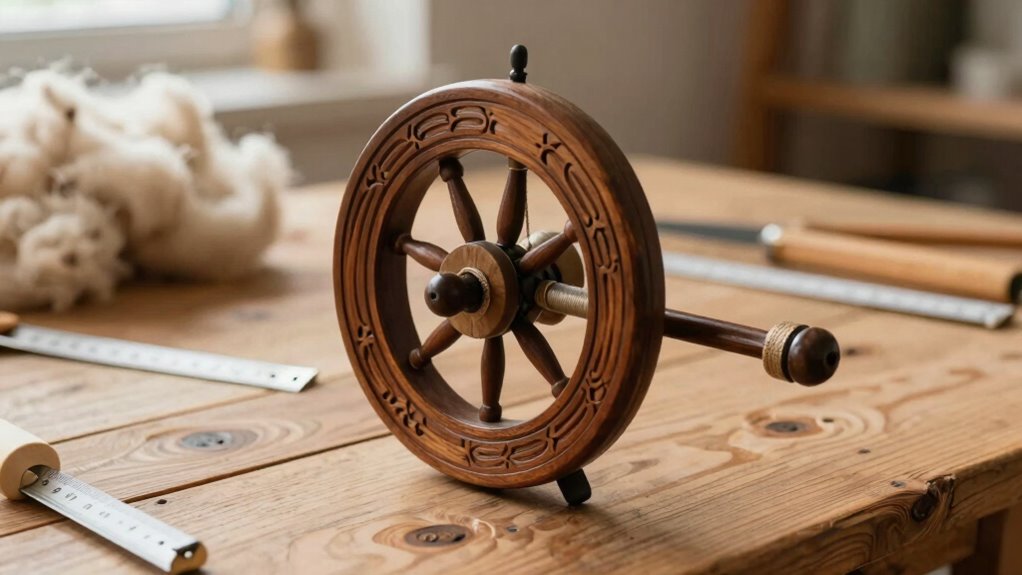
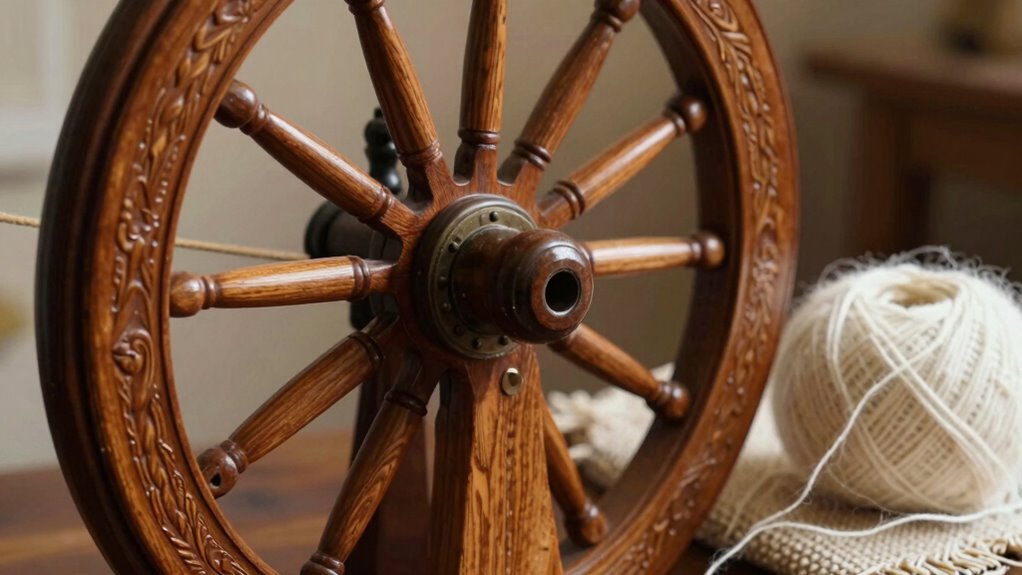
If you’re considering buying your first spinning wheel, it’s important to understand what features and options will best suit your needs. The right wheel can transform your fiber preparation process and make spinning more enjoyable and efficient. Start by thinking about the types of fibers you’ll work with most often. Some wheels are better suited for fine, delicate fibers like merino or silk, while others excel at handling coarser materials like wool or alpaca. Your choice will influence the wheel’s style—either a single-treadle or double-treadle, or perhaps a more portable model if you plan to take your spinning on the go.
Pay attention to the wheel’s construction and ease of use. A well-designed wheel should allow you to control the tension easily and provide a smooth spinning experience. If you’re new to spinning, look for a model that offers straightforward adjustments and a stable, balanced frame. This helps you focus on fiber preparation and spinning without fighting the wheel’s mechanics. Remember, your wheel will require regular wheel maintenance to keep it in top shape. Learning how to care for it—cleaning the orifice, tightening the drive band, and lubricating moving parts—will extend its lifespan and ensure consistent performance. Incorporating proper wheel maintenance techniques can significantly improve your spinning experience.
Fiber preparation is a critical step that often gets overlooked but is essential for successful spinning. Your wheel needs to work with well-prepared fiber that’s free of tangles, debris, and excessive VM (vegetable matter). Choosing a wheel that’s compatible with different fiber preparation techniques, like carding or combing, can streamline your process. Proper fiber prep reduces tension on the wheel, making spinning easier and more enjoyable, especially for beginners. It also produces a more uniform yarn, which is crucial for projects you’ll want to be proud of. Additionally, understanding wheel compatibility with various fibers can help you select the best model for your specific needs. Being aware of fiber compatibility can also influence your choice, ensuring your wheel can adapt as your skills and fiber interests grow. Considering fiber preparation techniques can further optimize your spinning experience and result in higher-quality yarns. Exploring different fiber types can help you determine which wheel features will best support your evolving craft.
Consider the long-term commitment when choosing your first wheel. In addition to the initial cost, factor in wheel maintenance and the time you’ll dedicate to learning fiber preparation techniques. Some wheels are simpler to maintain, making them ideal for newcomers, while others might require more frequent adjustments but offer greater versatility. Whichever you pick, keep in mind that regular wheel maintenance—like cleaning, checking parts, and lubrication—will keep your spinning smooth and effortless.
Ultimately, selecting the right spinning wheel involves balancing fiber compatibility, ease of use, durability, and maintenance needs. When you understand these elements and invest in proper fiber preparation, you’ll enjoy spinning more and create beautiful yarns with less frustration. Your first wheel isn’t just a tool; it’s the beginning of a rewarding craft journey.
Popular right now

De'Longhi Stilosa Compact Manual Espresso Machine with Milk Frother

Shark Navigator Robot Vacuum with Self-Empty Base, Dark Grey (RV2120AE)

LG 85-inch QNED75B Mini LED Smart TV Bundle with HDMI and CPS Protection Plan
As an affiliate, we earn on qualifying purchases.
Frequently Asked Questions
How Much Space Does a Spinning Wheel Require?
A spinning wheel typically needs about 3 to 4 square feet of space for comfortable use, but this varies with wheel size and your setup. You’ll want enough room for fiber preparation and wheel customization. Make sure there’s clear space around the wheel for treadling and handling fiber. Consider a dedicated corner or table to keep your workspace organized, ensuring you have room to spin smoothly and comfortably.
Are There Beginner-Friendly Spinning Wheels Available?
Yes, there are beginner-friendly spinning wheels designed for ease and enjoyment. You’ll find models that simplify fiber preparation and support basic spinning techniques, making your first projects fun and frustration-free. Look for wheels with straightforward adjustments, smooth operation, and clear instructions. These user-friendly wheels help you learn the ropes quickly, ensuring you develop confidence and craft beautiful yarns as you explore your spinning journey.
What Maintenance Is Needed for a Spinning Wheel?
You need to regularly maintain your spinning wheel to keep it in good shape. This includes cleaning and inspecting for dust and dirt, and applying wheel lubrication to moving parts like the flyer and treadle. Also, make sure your fiber is properly prepared to avoid strain on the wheel. Routine maintenance helps prevent wear and tear, ensuring smooth spinning and extending the lifespan of your wheel.
Can I Use a Spinning Wheel for All Fiber Types?
You can use a spinning wheel for many fiber types, but not all. About 80% of wheels are versatile enough for various fibers, making them suitable for wool, alpaca, and even silk blends. However, fiber compatibility varies—some wheels handle coarse fibers better, while others excel with fine, delicate fibers. Check your wheel’s specifications for versatility, ensuring it suits your fiber choices. This way, you maximize your wheel’s potential across different projects.
How Long Does It Take to Learn Spinning?
Learning to spin typically takes a few weeks to months, depending on your dedication and practice. As you develop your skills, you’ll focus on fiber preparation and mastering various spinning techniques. Consistent practice helps you gain control and confidence, making the process smoother. Remember, everyone progresses at their own pace, so be patient and enjoy experimenting with different fibers and techniques to improve your spinning skills over time.
Conclusion
Now that you’re armed with everything you need to know, you’re practically a spinning wheel guru! With your new wheel, you’ll turn fibers into yarn faster than a superhero, creating masterpieces at lightning speed. Just imagine the endless possibilities—your friends will think you’ve got magical powers! So go ahead, pick your perfect spinning wheel and prepare to weave, spin, and conquer the fiber world like a spinning superstar. The yarn universe awaits your greatness!