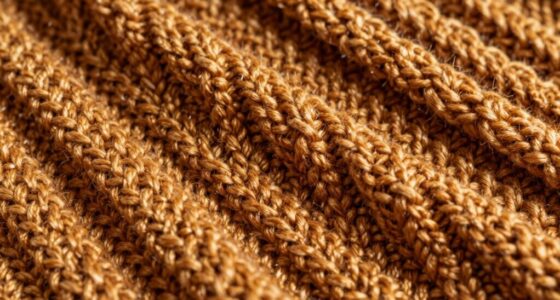
Vacuum-sealing yarn can be a smart way to save space and keep your stash fresh, but it comes with some risks. If done carefully, it protects your yarn from pests, dust, and light, and helps preserve its quality for longer. However, too much compression can damage delicate fibers or cause misshaping. To avoid problems, you’ll want to learn proper sealing techniques and considerations for different yarn types—something worth exploring further.

Get business pricing on tools and workshop supplies
- Business-only prices and quantity discounts
- Tax-exempt purchasing
- Multiple users, one account, clear invoices
Key Takeaways
- Vacuum-sealing saves space and prolongs yarn shelf life, making it a practical space-saving method.
- Proper sealing prevents moisture, pests, and UV damage, maintaining yarn quality over time.
- Over-compression can distort delicate fibers like wool, risking damage and felting.
- Careful handling and regular inspection are essential to avoid fiber breakdown or sealing issues.
- Suitable mainly for durable fibers; some sensitive yarns may suffer from pressure and temperature effects.
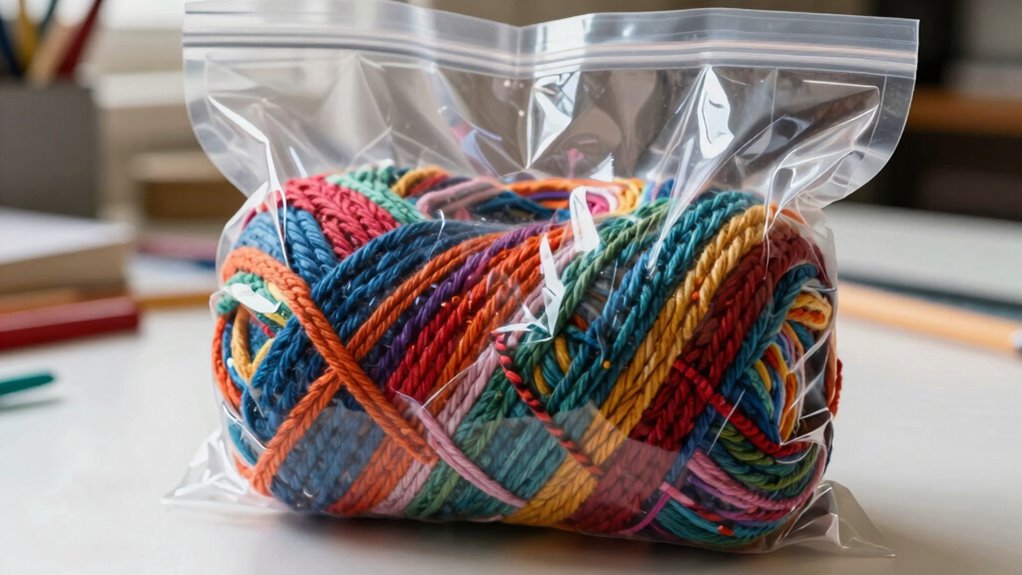
Storage longevity is another key benefit. When yarn is vacuum-sealed, it’s stored in a compact, airtight package that minimizes space. This allows you to maximize your storage area and keep your yarn safe from pests like insects or rodents, which are common threats in open or loosely stored supplies. Plus, with less exposure to air, UV light, and dust, your yarn maintains its color, texture, and overall condition much longer than traditional storage methods. Over time, this can save you money, as you won’t need to replace damaged or degraded skeins as frequently. Additionally, properly vacuum-sealed yarn can help prevent fiber degradation, ensuring your supplies stay in top condition for future use. Using the right sealing technique can also help prevent moisture buildup, which is vital for maintaining yarn quality over long periods.
Vacuum-sealing yarn extends its shelf life, protects from pests, and preserves color and texture efficiently.
However, while vacuum-sealing yarn seems like a smart solution, it’s not without potential drawbacks. Some crafters worry about the compression effect of vacuum sealing, which can sometimes distort or damage delicate fibers. If the yarn is tightly compressed, it may become misshapen or even develop creases that are hard to undo. This could make it less enjoyable to work with later on, especially if you prefer to keep your yarn in a more natural, fluffy state. Additionally, some fibers, like wool or certain natural fibers, may be sensitive to the pressure or temperature changes involved in vacuum sealing, risking fiber breakdown or felting.
Another concern is whether vacuum-sealed yarn can be stored for long periods without issues. If not done correctly, there’s a chance of trapped moisture or air leaks that could compromise the preservation benefits. It’s essential to ensure that your yarn is completely dry before sealing and that the seal is airtight. Properly done, vacuum-sealing can extend your yarn’s shelf life significantly, but improper techniques may negate those advantages. Regularly inspecting your sealed yarn can also help catch potential issues early on and maintain optimal storage conditions.
In the end, vacuum-sealing yarn is a practical solution for preserving and organizing your supplies, especially if you’re tight on space or dealing with environmental challenges. Just be mindful of the fiber type and sealing method to ensure you’re not inadvertently harming your yarn’s quality. When done correctly, it’s a smart way to keep your stash safe, moisture-free, and ready for your next project.
Popular right now

eufy E25 Robot Vacuum and Mop Combo with HydroJet Roller Mop

Dyson Cyclone V10 Origin Cordless Vacuum

Shark AI Ultra Robot Vacuum with Self-Empty Base
As an affiliate, we earn on qualifying purchases.
Frequently Asked Questions
Does Vacuum-Sealing Damage Delicate or Fragile Yarns?
Vacuum-sealing delicate or fragile yarns can cause damage if you’re not careful, as the intense pressure might lead to chemical reactions that weaken fibers. It can also compress the yarns too tightly, risking breakage. Additionally, improper sealing may have environmental impacts, like releasing trapped chemicals or creating waste. To protect your yarns, consider using breathable storage options or gentle sealing methods to avoid damage and minimize environmental concerns.
How Long Can Yarns Be Stored Vacuum-Sealed Without Quality Loss?
Ever wonder how long your vacuum-sealed yarn stays fresh? You can store yarns vacuum-sealed for up to 1-2 years without quality loss, provided you maintain good air quality and prevent mold. Proper sealing and storage in a cool, dry place are essential. This method effectively prevents mold and preserves your yarn’s color and texture, making it a smart choice for long-term storage.
Is Vacuum-Sealing Suitable for All Types of Yarn Fibers?
Vacuum-sealing isn’t suitable for all yarn fibers. It works well for preventing odors and preserving color in natural fibers like wool and cotton, but delicate fibers like silk or acrylic may get damaged or lose quality. You should consider the fiber type before sealing, as some materials need more breathable storage. For best results, test a small piece first, ensuring that color remains vibrant and odors stay blocked without harming the yarn.
Can Vacuum-Sealed Yarns Be Reused for Multiple Projects?
Yes, you can reuse vacuum-sealed yarns for multiple projects, but beware—color preservation and scent retention might become issues over time. As you peel back the seal, you might notice subtle changes, hinting that the yarn isn’t quite as fresh as before. If you’re careful, storing your yarn properly, you can extend its usability without sacrificing its vibrancy or aroma. Just stay alert to these potential pitfalls.
What Are the Best Storage Containers for Vacuum-Sealed Yarns?
The best storage containers for vacuum-sealed yarns are airtight, BPA-free plastic or silicone containers. These containers help preserve color and prevent fading over time while providing excellent moisture control, which keeps your yarns fresh and free from mold. Look for containers with secure seals and transparent sides so you can easily identify your yarns. Proper storage guarantees your yarns stay vibrant and in pristine condition for future projects.
Conclusion
Like Pandora’s box, vacuum-sealing yarn holds both promise and peril. It’s a clever trick to save space, but beware of hidden risks like moisture and fiber damage. Before you seal away your precious skeins, weigh the benefits against the potential pitfalls. Sometimes, the old-fashioned way—storing yarn in breathable containers—remains the safest bet. Remember, even in the world of innovation, a little caution can keep your craft thriving rather than unraveling.
![[Fact Check] Lee’s Claim Blaming Oh For Seoul Home Prices? - 최보식의언론](https://owncrafting.com/wp-content/uploads/2026/09/fact-check-lee-s-claim-blaming-oh-for-seoul-home-prices-featured-560x300.jpg)