
TL;DR

Get business pricing on tools and workshop supplies
- Business-only prices and quantity discounts
- Tax-exempt purchasing
- Multiple users, one account, clear invoices
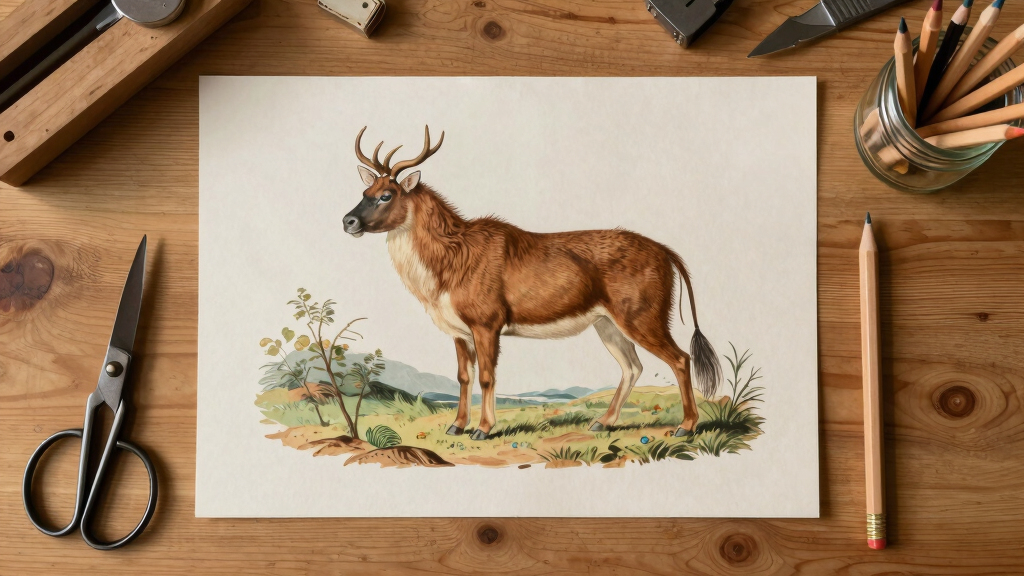
A collection of 1,300 detailed wildlife illustrations from the 19th century has been fully restored and is now available to the public. The project aims to preserve historic biodiversity artwork and enhance educational resources.
Over 1,300 detailed wildlife illustrations from the 19th century have been fully restored and are now accessible through a digital archive. This effort, led by a team of conservationists and historians, aims to preserve and share historic biodiversity artwork, highlighting the artistic and scientific value of 19th-century naturalist illustrations.
The collection includes illustrations of various species, from birds and mammals to insects and marine life, originally created by 19th-century naturalists and artists. The restoration project involved advanced digital techniques to repair damage caused by time, such as fading, tears, and discoloration, ensuring the images are now clear and detailed.
The restored collection was made publicly available earlier this month via an online platform managed by the Biodiversity Heritage Library, which specializes in digitizing and preserving historical scientific materials. Experts involved in the project say the illustrations offer valuable insights into the biodiversity of the 19th century and serve as important educational resources.
Why Restoring 19th Century Wildlife Art Matters Today
This restoration effort matters because it preserves a vital part of scientific and artistic history, providing researchers, educators, and the public with access to detailed visual records of species from over a century ago. These illustrations can aid in understanding historical species distribution and changes in biodiversity over time.
Additionally, the project highlights the importance of digital preservation in safeguarding fragile historical materials, ensuring they remain available despite the deterioration of physical copies. The restored images also serve as a bridge connecting art and science, illustrating the meticulous work of early naturalists and artists.
19th century wildlife illustration art book
As an affiliate, we earn on qualifying purchases.
As an affiliate, we earn on qualifying purchases.
Historical Background of 19th Century Wildlife Illustrations
During the 19th century, naturalists and artists collaborated to document the natural world through detailed illustrations, often accompanying scientific discoveries and taxonomy efforts. Many of these works were published in scientific journals and books, becoming foundational in the study of biodiversity.
Over time, physical copies of these illustrations suffered from deterioration due to age, handling, and environmental factors. Prior to this restoration project, access to high-quality images was limited, often confined to rare book collections or archives.
The recent digital restoration builds on decades of efforts to preserve scientific heritage, utilizing modern imaging technology to recover lost details and ensure future accessibility.
“The restoration process has allowed us to recover the intricate details of these historic illustrations, which are invaluable for both scientific research and artistic appreciation.”
— Dr. Emily Carter, Lead Conservator
Remaining Questions About the Collection’s Completeness and Usage
It is not yet clear how widely the restored illustrations will be used in academic or educational settings, or whether additional collections from other periods are planned for similar restoration efforts.Future Plans for Expanding and Promoting the Digitized Collection
The project coordinators plan to promote the collection through educational programs and partnerships with museums and universities. They are also exploring options to include more collections from other eras and regions, aiming to create a comprehensive digital archive of natural history illustrations.
Further research might involve linking the images with modern biodiversity data to track changes over time.
Key Questions
How were the illustrations restored?
The restoration involved advanced digital imaging techniques, including high-resolution scanning and digital editing, to repair damage and enhance details while preserving the original artwork’s integrity.
Are the illustrations available to the public for free?
Yes, the restored collection has been made accessible through an online platform managed by the Biodiversity Heritage Library, free for public viewing and download.
Can researchers use these images for scientific studies?
Absolutely. The high-quality digital images are intended to support scientific research, educational projects, and historical analysis.
Will there be more collections restored in the future?
The project team is considering expanding to include other historical naturalist collections, depending on funding and partnership opportunities.
How do these illustrations compare to modern wildlife images?
While artistic and often stylized, the 19th-century illustrations are highly detailed and scientifically valuable, offering a different perspective from modern photography.
Source: hn
Halloween Picks
halloween
As an affiliate, we earn on qualifying purchases.