
TL;DR

Get business pricing on tools and workshop supplies
- Business-only prices and quantity discounts
- Tax-exempt purchasing
- Multiple users, one account, clear invoices
In 2018, a collection of Soviet control rooms was documented, revealing their distinctive vintage design and technological features. This sheds light on Cold War-era engineering and control systems.
In 2018, a series of photographs and reports revealed the vintage design and technological features of Soviet-era control rooms, offering a rare glimpse into the operational centers of the Cold War period. This development matters because it provides insight into the engineering and aesthetic choices of Soviet control systems, which have been largely inaccessible to the public until now.
The control rooms documented include facilities used for nuclear command, missile defense, and communications. These sites feature large analog consoles, vintage instrumentation, and distinctive Soviet-era design elements. Experts note that many of these control rooms were built during the 1960s and 1970s, reflecting the technological standards of that time.
Photographers and researchers who visited these sites in 2018 described the control rooms as imposing and meticulously arranged, with a focus on functionality and durability. Some of these facilities had been abandoned or preserved in a state close to their original condition, offering valuable historical artifacts for study.
According to Dr. Ivan Petrov, a historian specializing in Soviet military infrastructure, “These control rooms are a testament to the Cold War rivalry and the emphasis placed on centralized control and surveillance. Their design reveals much about the technological capabilities and strategic priorities of the Soviet Union.”
Why Vintage Soviet Control Rooms Matter Today
The documented control rooms are significant because they highlight the technological and architectural legacy of the Soviet Union’s Cold War efforts. They offer a tangible connection to a period marked by intense geopolitical rivalry and nuclear deterrence. For historians and engineers, these sites provide valuable insights into the design principles and operational challenges of that era.
Furthermore, the preservation and study of these control rooms contribute to understanding how Cold War technology influenced modern control systems and cybersecurity infrastructure. They also serve as cultural artifacts that reflect the Soviet Union’s approach to military and technological innovation.
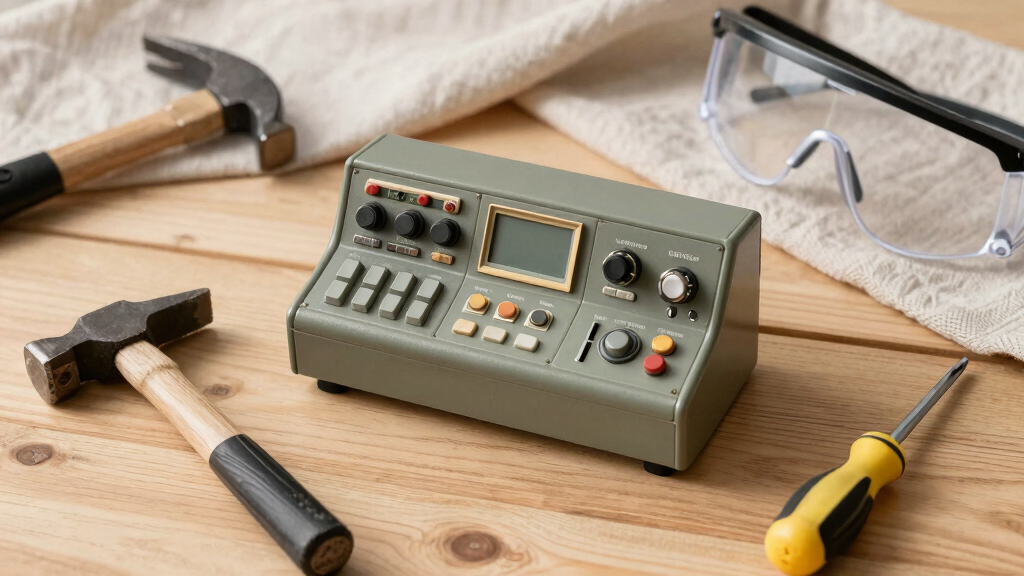
vintage Soviet control room replica
As an affiliate, we earn on qualifying purchases.
As an affiliate, we earn on qualifying purchases.
Historical Background of Soviet Control Rooms
Soviet control rooms were central components of the USSR’s military and nuclear command infrastructure during the Cold War. Built primarily in the 1960s and 1970s, these facilities were designed to monitor and manage missile launches, nuclear arsenals, and defense systems.
Many of these control centers were classified, and their layouts and equipment remained secret until recent years. The Cold War rivalry with the United States drove the Soviet Union to develop highly sophisticated and resilient control systems, often housed in underground or heavily fortified facilities.
In recent years, some of these control rooms have been uncovered or documented through declassified materials, visits by researchers, and photographic evidence, revealing their vintage aesthetic and technological features.
“These control rooms are a testament to the Cold War rivalry and the emphasis placed on centralized control and surveillance.”
— Dr. Ivan Petrov
Unanswered Questions About the Current State and Accessibility
It is not yet clear how many of these Soviet control rooms remain accessible or intact today. Some sites may have been repurposed, demolished, or remain classified. The extent of preservation and the potential for further research or public access are still uncertain.
Details about the exact locations and operational status of these control rooms are still emerging, and some information remains classified or unavailable to the public.
Future Efforts to Study and Preserve Soviet Control Rooms
Researchers and historians plan to continue documenting remaining control rooms, aiming to create comprehensive archives and possibly facilitate preservation efforts. Declassified materials and new technological methods, such as 3D scanning, could enhance understanding and public access.
Further investigations are expected to clarify the current condition of these sites and their potential for educational or museum purposes. International interest in Cold War relics may also influence preservation initiatives.
Key Questions
Why are Soviet control rooms considered historically significant?
Soviet control rooms are significant because they reflect Cold War technological innovation, strategic military planning, and architectural design. They serve as tangible artifacts of a tense geopolitical era.
Are these control rooms still operational today?
Most of these control rooms are believed to be non-operational or decommissioned, with many abandoned or sealed. Their current status varies by site, and detailed information is often classified.
Can the public visit these Soviet control rooms?
Access is generally restricted due to security and preservation concerns. Some sites may be accessible through guided tours or special arrangements, but most remain off-limits to the public.
What technological features distinguished Soviet control rooms?
They featured large analog consoles, vintage instrumentation, and Soviet-designed interfaces, emphasizing durability and centralized control during the Cold War.
Source: hn
Fall Picks
fall essentials
As an affiliate, we earn on qualifying purchases.