
TL;DR

Get business pricing on tools and workshop supplies
- Business-only prices and quantity discounts
- Tax-exempt purchasing
- Multiple users, one account, clear invoices
This article examines the evolving role of user interfaces in the demo scene, emphasizing recent innovations and their impact on digital art. It discusses confirmed developments and ongoing debates among creators.
Recent developments in the demo scene reveal a growing focus on user interface design as a key element of digital art and technical innovation. Creators are increasingly experimenting with interfaces to enhance viewer engagement and streamline production processes, marking a shift in the scene’s aesthetic and technical approach.
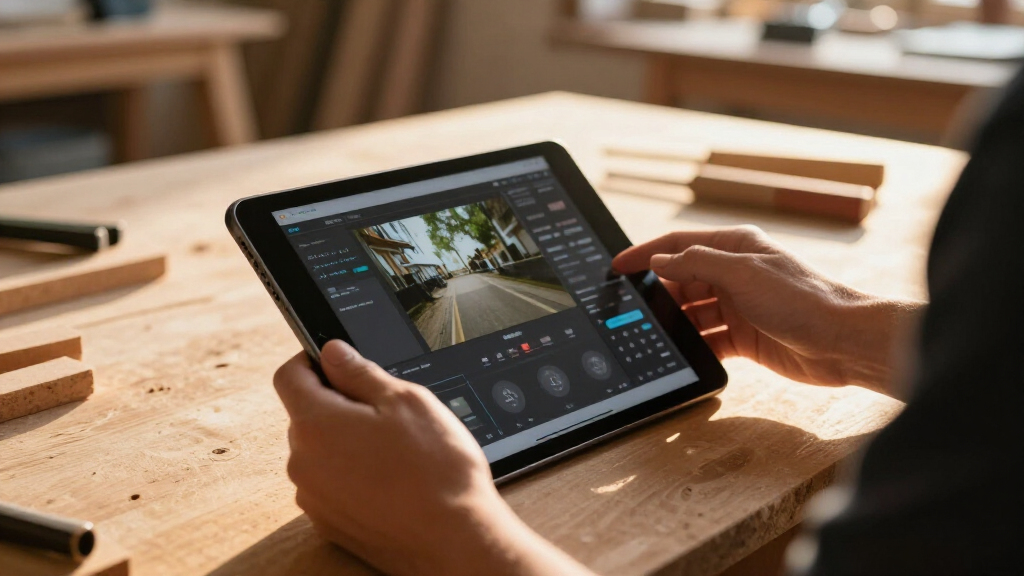
The demo scene, a community centered on creating audiovisual computer art, has traditionally prioritized code, visuals, and sound. However, recent presentations at events like Revision and Breakpoint have showcased new tools and interface designs that facilitate easier interaction and customization for both artists and audiences. These interfaces range from custom control panels to immersive visual overlays that respond to user input.
According to several scene participants, these developments are driven by advances in web technologies, real-time rendering, and open-source frameworks. Notably, some projects now incorporate touch-based controls, virtual reality elements, and modular UI components to improve accessibility and creative flexibility. While these innovations are confirmed through demonstrations and developer statements, the scene remains cautious about standardizing new interface paradigms, emphasizing experimentation over uniformity.
Why User Interface Innovations Matter for the Demo Scene
The increasing focus on user interfaces signifies a shift toward more interactive and accessible digital art forms within the demo scene. Enhanced interfaces can expand the audience base, enable new creative techniques, and foster greater community engagement. This evolution also reflects broader technological trends, such as the adoption of web-based tools and immersive media, which could influence the scene’s future development.
Experts suggest that these UI innovations may lead to more collaborative projects, easier sharing of complex demos, and new modes of artistic expression. However, some community members caution that overemphasizing interface design could divert attention from core artistic and technical skills, potentially diluting the scene’s experimental ethos.
interactive user interface design tools
As an affiliate, we earn on qualifying purchases.
As an affiliate, we earn on qualifying purchases.
Recent Trends and Technological Influences in the Demo Scene
The demo scene has historically been defined by its technical mastery and aesthetic experimentation, often showcasing elaborate visuals synchronized with music. Over the past decade, the scene has embraced new hardware (such as VR headsets and touchscreens) and software frameworks (like GLSL shaders and WebGL), which have expanded creative possibilities.
In 2023, discussions at major demo events have highlighted a renewed interest in user interfaces, driven by the availability of more sophisticated tools for UI design and real-time interaction. Notably, some prominent groups have released open-source UI frameworks aimed at simplifying complex demo creation, making the process more accessible to newcomers and expanding the scope of interactive features.
While the scene’s core remains focused on audiovisual spectacle, these interface developments are seen as a natural evolution aligned with broader trends in digital art and interactive media.
“User interfaces are becoming as important as the visuals themselves—they shape how audiences experience and interact with our work.”
— Alex Johnson, demo scene developer
Unresolved Questions About Standardization and Artistic Impact
It is still unclear how widely adopted these new UI frameworks will become within the scene, and whether they will lead to standardized practices or remain experimental. There is also ongoing debate about whether a focus on interface design could overshadow the core artistic and technical skills that define the scene. Additionally, the long-term impact on community cohesion and artistic diversity remains uncertain.
Next Steps for UI Development and Community Adoption
Further demonstrations and community discussions are expected at upcoming demo events in early 2024. Developers are likely to release more open-source tools, and some groups may begin integrating these interfaces into their flagship productions. Monitoring how the scene balances experimentation with potential standardization will be key to understanding its future trajectory.
Key Questions
How are user interfaces currently used in demo scene productions?
They are used to enhance interactivity, control visual effects, and create immersive experiences, often through custom control panels, overlays, or VR integrations.
Are these new UI tools accessible to all demo creators?
Many are open-source and designed to be user-friendly, but mastery still requires technical knowledge, and adoption varies among groups.
Will UI innovations change the artistic style of the demo scene?
Potentially, as new interfaces enable different modes of interaction and presentation, but core aesthetic principles are likely to remain centered on audiovisual spectacle.
What are the risks of focusing heavily on user interfaces?
There is a concern that overemphasis on UI design could divert attention from the scene’s technical mastery and experimental ethos.
Source: hn
Fall Picks
fall essentials
As an affiliate, we earn on qualifying purchases.