
TL;DR

Get business pricing on tools and workshop supplies
- Business-only prices and quantity discounts
- Tax-exempt purchasing
- Multiple users, one account, clear invoices
A series of new sculptures honoring a Yoruba goddess have been installed in Nigeria’s Ọṣun-Òṣogbo Sacred Grove. This development reflects the continued cultural and spiritual significance of the site. The event is confirmed, but the full scope of the installation and its implications are still emerging.
New sculptures honoring a Yoruba goddess have been installed in Nigeria’s Ọṣun-Òṣogbo Sacred Grove. This development reaffirms the site’s significance as a spiritual center for the Yoruba people and highlights ongoing cultural preservation efforts. The installation was confirmed by local authorities and cultural practitioners, emphasizing its importance for religious and heritage reasons.
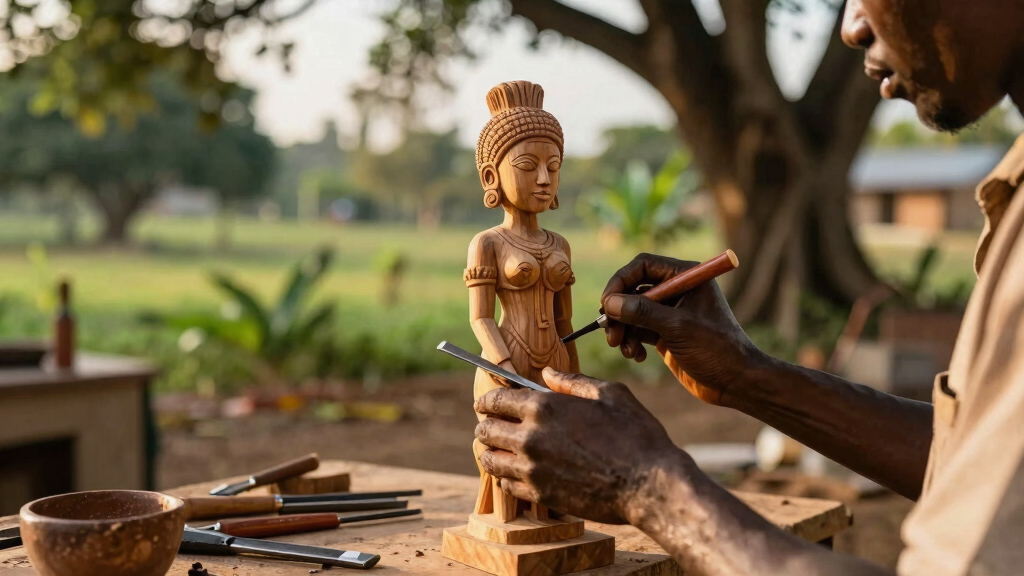
The sculptures depict the deity Ọṣun, a prominent goddess associated with fertility, love, and rivers in Yoruba tradition. The installation took place within the sacred grove, a UNESCO World Heritage site located in Osogbo, Osun State, Nigeria. Officials from the Nigerian National Commission for UNESCO and local cultural leaders confirmed the sculptures’ placement, which aims to honor and revive traditional Yoruba spiritual practices.
Sources indicate that the sculptures were created by renowned Yoruba artists and installed as part of a broader cultural initiative to preserve and promote indigenous beliefs. The event attracted attention from local communities, religious practitioners, and cultural preservationists, emphasizing the ongoing relevance of Yoruba spirituality in contemporary Nigeria.
While the sculptures’ exact number and design details are still being finalized, their presence underscores a renewed focus on the sacred grove’s religious function and cultural heritage. The Nigerian government and cultural organizations have expressed support for the project, viewing it as a means to sustain indigenous traditions amid modern influences.
Cultural Revival and Religious Significance of the Sculptures
The installation of new sculptures in the Ọṣun-Òṣogbo Sacred Grove is significant because it demonstrates ongoing efforts to preserve and promote Yoruba religious practices and cultural identity. The sacred grove is a vital spiritual site, attracting pilgrims and tourists alike, and the sculptures serve as a visual reaffirmation of the goddess Ọṣun’s enduring importance. This development also highlights Nigeria’s broader commitment to safeguarding intangible cultural heritage and indigenous beliefs in the face of globalization and modernization.
For local communities, the sculptures symbolize a revival of traditional worship and cultural pride. For Nigeria, the event underscores the importance of maintaining diverse religious expressions and cultural histories that are central to national identity. It also enhances the grove’s status as a UNESCO World Heritage site, potentially increasing tourism and international recognition.
As an affiliate, we earn on qualifying purchases.
Yoruba Spiritual Heritage and the Sacred Grove’s Role
The Ọṣun-Òṣogbo Sacred Grove has been a religious and cultural hub for the Yoruba people for centuries. It is dedicated to the goddess Ọṣun, one of the most venerated deities in Yoruba mythology, associated with rivers, fertility, and femininity. The site has been a focal point for annual festivals, rituals, and pilgrimages, maintaining its spiritual significance through generations.
In 2005, the grove was designated a UNESCO World Heritage site, recognizing its cultural and spiritual importance. Recent years have seen renewed interest in preserving Yoruba traditions, with efforts including festivals, rituals, and now the installation of new sculptures. Historically, the site has faced threats from urban development and neglect, but recent initiatives aim to reinforce its cultural relevance.
The recent sculpture installation aligns with Nigeria’s broader cultural preservation policies, aiming to sustain indigenous practices and promote cultural tourism. The event also coincides with ongoing discussions about safeguarding intangible heritage and supporting local artisans.
“The new sculptures reaffirm our deep respect for Ọṣun and our commitment to preserving our spiritual heritage for future generations.”
— Chief Adeola Olatunde, local cultural leader
Details of the Sculptures’ Design and Placement Still Unclear
It is not yet clear how many sculptures have been installed or their specific artistic features. Details about the artists involved and the precise locations within the grove are still emerging. Additionally, the full scope of the project’s cultural and religious impact remains under discussion among local stakeholders and authorities.
Next Steps for Cultural and Religious Engagement
Further details about the sculptures’ unveiling and the official inauguration are expected in the coming weeks. Local authorities plan to hold ceremonies to bless and dedicate the sculptures, and there may be additional installations or activities to promote Yoruba spirituality. Monitoring community reactions and the site’s visitor numbers will also be key in assessing the project’s success.
Key Questions
What is the significance of the Ọṣun-Òṣogbo Sacred Grove?
The grove is a UNESCO World Heritage site and a vital spiritual center for Yoruba worship, dedicated to the goddess Ọṣun. It hosts festivals, rituals, and attracts pilgrims, embodying centuries of cultural tradition.
Who created the new sculptures installed in the grove?
While specific artists have not been publicly named, the sculptures are reportedly the work of renowned Yoruba artisans commissioned as part of a cultural preservation initiative.
How does this development impact Yoruba cultural practices?
The sculptures serve as a visual and spiritual reinforcement of Yoruba beliefs, potentially revitalizing traditional worship and fostering cultural pride among local communities.
Are there plans for more installations or events?
Yes, authorities plan to hold ceremonies to bless the sculptures and may include additional cultural activities to promote and sustain Yoruba spiritual heritage.
Is this part of a government or UNESCO initiative?
The project is supported by Nigerian cultural agencies and UNESCO, emphasizing its role in heritage preservation and international recognition of Yoruba traditions.
Source: rss
Fall yard work Picks
leaf blowers
As an affiliate, we earn on qualifying purchases.