
TL;DR
A Hunker report describes a YouTube project by Yoduvh Essentials that uses pool noodles and other upholstery materials to turn an old dining chair into a rounded accent chair. The project’s instructions caution that adhesive must suit the noodle’s foam and that the chair frame should be checked and repaired before reupholstery.
A Yoduvh Essentials YouTube project shows how pool noodles, upholstery foam and fabric can reshape an old dining chair into a rounded accent piece, according to a report by Hunker. The makeover offers a way to reuse a chair, but the instructions stress that the frame must be sound and the adhesive must be compatible with the noodle material.

Get business pricing on tools and workshop supplies
- Business-only prices and quantity discounts
- Tax-exempt purchasing
- Multiple users, one account, clear invoices
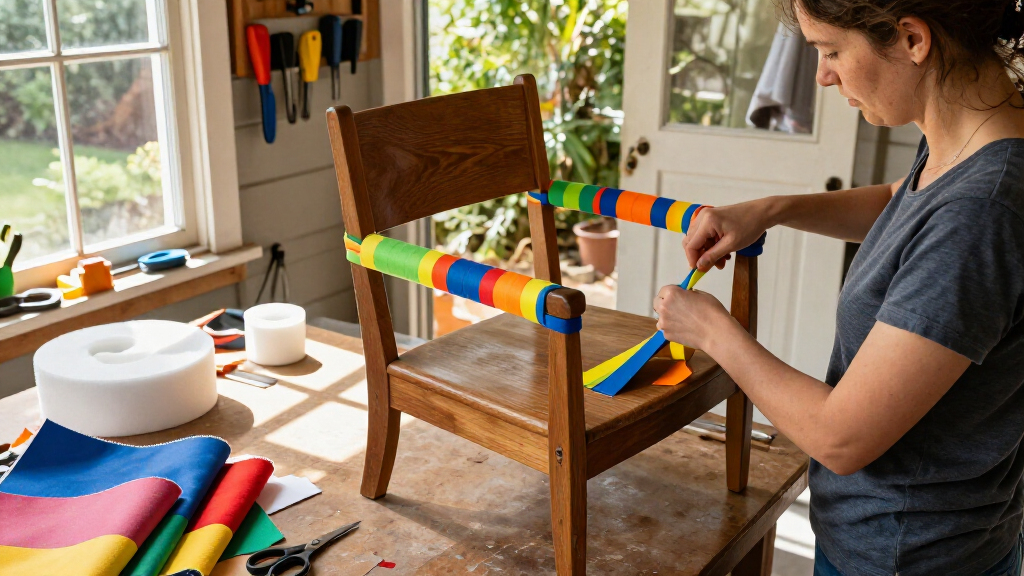
The project starts by stripping the chair and modifying its frame if needed. Pieces of a hula hoop are inserted into pool noodles to create curved sections, which are attached to the wooden frame with screws. The seat and back are then built up with upholstery foam to create a fuller shape, followed by batting and the chosen fabric.
For a tufted finish, the instructions describe using a staple gun on the foam and screws with washers on the wood. Excess fabric is secured and trimmed. Decorative additions such as rhinestone-style trim, crystal buttons or gems are optional finishing details, rather than structural parts of the chair.
Adhesive selection is a key constraint. Hunker says many pool noodles use polyethylene foam, which can be difficult to bond. The report warns against relying on Gorilla Glue or cyanoacrylate super glue for polyethylene, and says very hot glue can melt the material. It recommends adhesives designed for polyethylene foam or a low-temperature glue gun, while advising readers to check compatibility with both the foam and the surface being joined.
A Reuse Project With Practical Limits
The makeover illustrates how an unwanted or mismatched chair can be given a different appearance using accessible craft and upholstery materials. For readers considering a similar project, the report’s practical cautions matter as much as its visual idea: not every adhesive works with every foam, and an attractive covering cannot compensate for a damaged frame.
The work also involves more than adding noodles. It may require disassembly, frame changes, drilling, screws, upholstery foam and fabric, as well as tools such as a staple gun. That makes the project a furniture-repair task as well as a decorative one. The finished result shown by a creator is an example, not evidence that every chair or combination of materials will produce the same outcome.
Popular right now

Ninja Foodi 10-Qt DualZone XL Air Fryer, 6-in-1, Grey (DZ401)

Vitamix 5-Speed Immersion Blender, 625-Watt, Stainless Steel/Black

Apple AirPods Pro 3 Wireless Earbuds
As an affiliate, we earn on qualifying purchases.
How the Chair Gets Its Curved Shape
Pool noodles are used here as part of the chair’s new outline, not as a complete replacement for the seat or back. The hula hoop sections help hold curved noodle pieces in shape, while upholstery foam and batting build out the surfaces before they are covered in fabric. The reported method combines those materials with the original chair’s wooden structure.
Hunker says materials can be substituted: Yoduvh Essentials suggests a curved iron pipe in place of the hula hoop, and lists flexible polyethylene, high-density polyethylene or polypropylene tubing as other possible options. Any substitute still needs to suit the intended shape and attachment method. Before beginning, the report advises stripping the upholstery and checking the chair for loose joints or other damage, then making needed repairs.
“The type of glue used for this project is crucial.”
— Hunker’s account of the Yoduvh Essentials project
Material Compatibility and Chair Condition
The source does not identify the exact brand or formulation of the pool noodles, upholstery materials or adhesive used in the video, so readers cannot assume that a particular product will bond safely or hold over time. It also does not provide testing results, weight limits or long-term durability information for the finished chair.
The report gives general guidance, but the suitability of a specific adhesive depends on the materials being joined and their product instructions. The condition of any reader’s chair is likewise unknown until its upholstery is removed and the frame inspected. The source does not establish that every old dining chair can be modified this way or that the completed piece meets any particular furniture standard.
Inspect Before Starting the Makeover
The next step for anyone attempting the project is to inspect the chair after removing its old upholstery, tighten or repair the frame as needed, and confirm the material of the noodles and other components. Readers should check adhesive labels for compatibility with both surfaces and follow the product’s application instructions. They can then decide whether the hula hoop approach or a listed tubing substitute fits the chair’s shape.
Hunker’s report does not announce a follow-up test, product review or durability update. The immediate outcome will depend on each chair’s condition, the materials selected and the quality of the assembly; no further development is specified in the source.
Key Questions
What does the pool noodle do in the chair makeover?
The noodles form curved sections attached to the chair frame, helping change its outline. Upholstery foam, batting and fabric are used to shape and cover the seat and back.
What adhesive does the report recommend?
Hunker recommends an adhesive designed for polyethylene foam or a low-temperature glue gun, and says to check that any product is compatible with both materials being joined. It cautions that very hot glue may melt the foam.
Can a hula hoop be replaced?
Yes. Hunker says Yoduvh Essentials suggests a curved iron pipe as an alternative, and lists flexible polyethylene, high-density polyethylene or polypropylene tubing as other possible options.
Should every old chair be used for this project?
No. The report advises removing the old upholstery and checking the frame for loose joints or other damage. Repairs should be made before adding new materials, and a chair with a poor frame may not be worth modifying.
Source: rss