
TL;DR

Get business pricing on tools and workshop supplies
- Business-only prices and quantity discounts
- Tax-exempt purchasing
- Multiple users, one account, clear invoices
Search interest in home organization is rising, driven by a trend toward clutter prevention. Experts recommend five key strategies to keep homes tidy, emphasizing proactive habits and regular maintenance.
As clutter continues to be a common challenge for homeowners, experts are highlighting five proven methods to prevent it from taking over entire living spaces. This surge in interest reflects a broader trend toward home organization and minimalism, with many seeking practical, sustainable habits to maintain a tidy environment.
Recent data shows a spike in online searches related to home decluttering and organization strategies, suggesting that many are actively looking for ways to manage clutter before it becomes unmanageable. The recommended approaches include establishing daily habits, creating designated storage areas, regularly purging unnecessary items, implementing effective sorting systems, and maintaining a consistent cleaning routine.
These methods are supported by professional organizers and lifestyle experts, who emphasize that proactive, small-scale efforts can significantly reduce the risk of clutter accumulation over time. For example, setting aside 10 minutes daily for tidying can prevent clutter from building up, while designated storage solutions help keep items contained and accessible.
While these strategies are widely endorsed, it is still uncertain how they will be adopted across different household types or whether new technological tools will further enhance clutter prevention efforts. The current focus remains on simple, sustainable habits that can be integrated into daily routines.
Why Clutter Prevention Matters for Homeowners
Preventing clutter is crucial because it directly impacts a home’s livability, safety, and aesthetic appeal. Clutter can lead to stress, reduce functional space, and pose safety hazards such as trips and falls. By adopting effective clutter prevention strategies, homeowners can create more organized, peaceful environments that require less time and effort to maintain.
Furthermore, maintaining a clutter-free home can foster better mental health, improve productivity, and even enhance property value. As interest in minimalist lifestyles grows, these strategies align with broader societal shifts toward simplicity and intentional living. The ability to manage clutter proactively is increasingly seen as a key component of overall home management and personal well-being.
As an affiliate, we earn on qualifying purchases.
Rising Interest in Home Organization and Clutter Control
Over recent months, there has been a notable increase in online searches and media coverage focused on home organization, decluttering, and minimalism. This trend appears to be driven by a combination of factors, including the rise of remote work, which makes home environments more central to daily life, and a cultural shift toward valuing simplicity and mental clarity.
While the specific trigger for this surge remains unconfirmed, experts suggest that the ongoing emphasis on mental health, productivity, and sustainable living has contributed to the renewed focus on maintaining tidy homes. The trend signals a desire among many to avoid the chaos of clutter and create more functional living spaces.
It is also worth noting that the popularity of organization products and professional organizers has increased, indicating a growing consumer interest in practical solutions for clutter prevention. However, how widespread adoption of these methods will be remains to be seen, as individual household needs vary widely.
Unconfirmed Impact of New Clutter Prevention Trends
While current data indicates a growing interest in clutter prevention strategies, it is still unclear how widely these methods will be adopted across different demographics and household types. The long-term effectiveness of these habits in reducing clutter on a large scale remains to be seen, and the influence of emerging technological tools has yet to be fully evaluated.
Next Steps in Home Organization and Clutter Management
Experts anticipate ongoing research into effective clutter prevention habits and the development of innovative organizational tools. As more households experiment with these strategies, case studies and user feedback will help refine best practices. Additionally, industry professionals expect increased availability of resources, including online courses and smart storage solutions, to support sustained clutter management efforts.
Key Questions
What are the most effective daily habits for preventing clutter?
Experts recommend setting aside 10 minutes each day for tidying, immediately putting away items after use, and regularly reviewing belongings to discard unnecessary items.
How can I create better storage solutions to manage clutter?
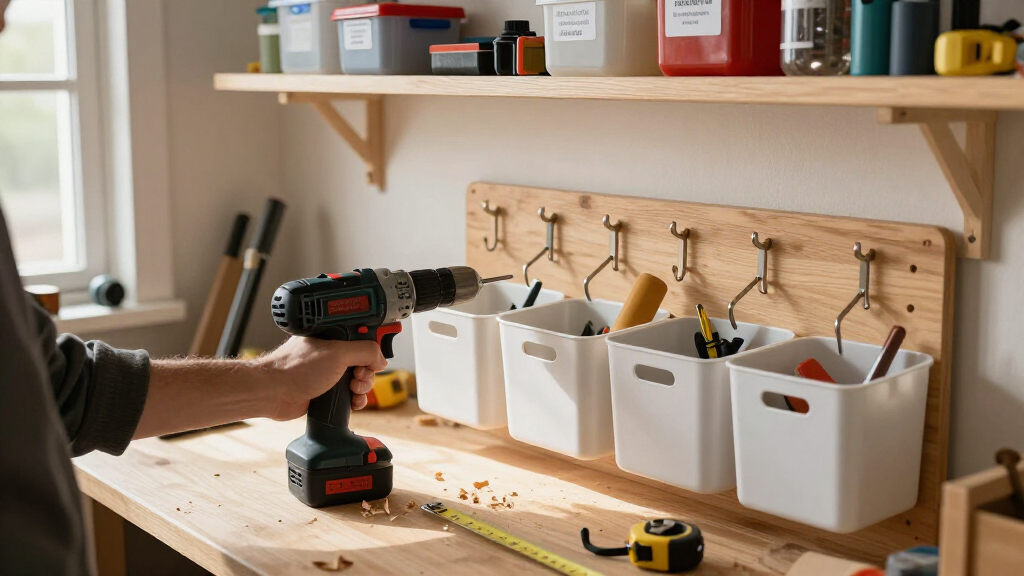
Designating specific storage areas for different items, using labeled bins, and investing in furniture with built-in storage can help contain clutter and improve organization.
Is decluttering a one-time task or an ongoing process?
Clutter prevention is an ongoing process that requires regular maintenance and habit reinforcement to keep a home consistently organized.
Are there technological tools that help prevent clutter?
Yes, apps for organizing digital and physical belongings, smart storage solutions, and reminders can support clutter prevention efforts, though their long-term effectiveness varies.
What should I do if clutter has already accumulated in my home?
Start with a thorough decluttering session, then implement daily habits and organizational systems to prevent future buildup. Consider consulting a professional organizer for personalized advice.
Source: rss
Fall yard work Picks
leaf blowers
As an affiliate, we earn on qualifying purchases.