
TL;DR

Get tools and workshop supplies delivered free — and shop member deals
- Fast, free delivery on millions of items
- Access to Prime Big Deal Days deals on October 6–7
- Prime Video, Amazon Music and more included
An Ideal Home report describes seven measures its writer plans to use to delay switching on central heating, with advice from home-energy and window-treatment experts. The supplied source details draught-proofing and window coverings; it does not include the remaining five measures or establish how much money or energy the steps will save.
Ideal Home has published a first-person report on seven measures its writer plans to try to delay switching on central heating as colder weather returns. The article includes expert advice on draught-proofing and window coverings, but the source supplied here contains only the first two of the seven measures and does not establish the savings they might deliver.
The writer says the aim is to stay comfortable at home while putting off the heating, citing rising heating costs and a draught-prone older house with some original, single-glazed windows. The article presents the measures as personal plans, not as a controlled test of energy use or household bills.
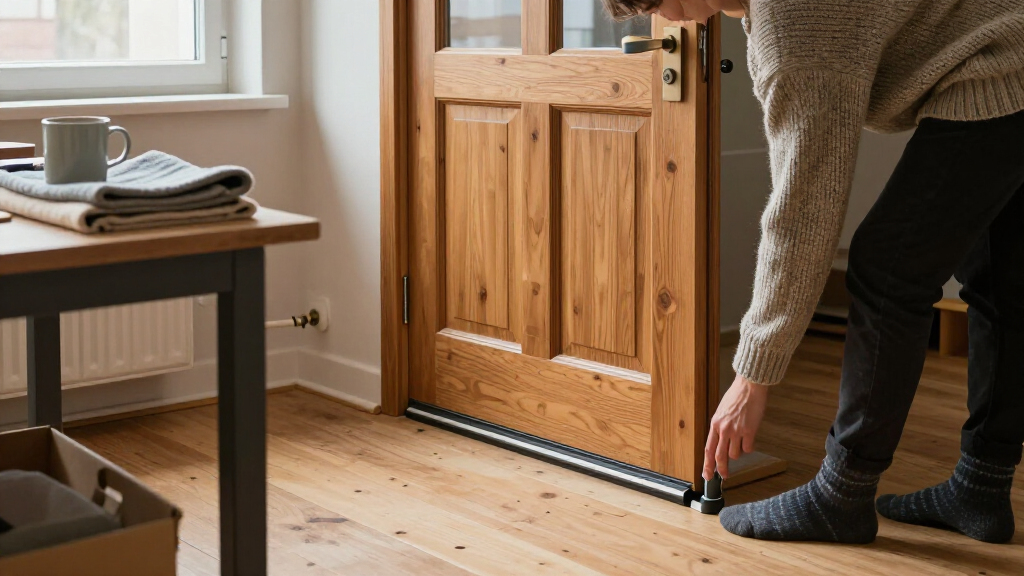
Draught-proofing is the first measure described. Stephen Hankinson, a heating and energy-efficiency expert at Electric Radiators Direct, advises checking gaps around doors, windows, letterboxes, unused chimneys and floorboards. Suggested options include draught excluders, chimney balloons and pipework insulation. Becky Lane, chief executive of Furbnow, recommends locating the largest draughts by feeling around likely gaps or using a thermal imaging camera.
The second measure is improving window coverings. The writer says some windows are single-glazed and considers using blinds and curtains to reduce heat loss. Helen O’Connor, product manager at 247 Blinds and 247 Curtains, recommends a close-fitting blind and says combining a blind with a heavy curtain can add another insulating layer. Her figures about heat loss and potential reductions are claims attributed to her in the report, not results from the writer’s home.
Keeping Warm Before Heating Comes On
For households trying to manage heating costs, the measures focus on limiting heat loss before turning up the thermostat. Sealing draughts and making better use of existing window coverings may improve comfort in specific rooms, particularly where windows or doors allow cold air in. The advice also offers a way to identify problem areas before considering larger upgrades.
The article does not quantify what readers could save. Results will depend on the home’s condition, the size and location of gaps, window type, weather and how the measures are installed. The report is best read as practical suggestions and expert guidance, not a guarantee that a household can avoid heating or lower bills by a particular amount.
draught excluders for doors and windows
As an affiliate, we earn on qualifying purchases.
As an affiliate, we earn on qualifying purchases.
The Home’s Main Heat-Loss Points
The writer describes a recurring autumn choice: when to start heating a home while balancing warmth against energy costs. In the account, the house has draught-proofing gaps and some original single-glazed windows, which shape the advice selected. The recommendations may not apply equally to every property.
Hankinson advises leaving some means of fresh-air circulation to help prevent mould. That caveat matters when sealing gaps: the source does not recommend blocking ventilation. O’Connor’s comments about the insulating role of blinds and curtains are advice from a window-covering industry professional; the supplied report does not provide independent testing details for the figures she cites.
“A cheap and effective way to save on energy bills is by controlling draughts, because they let warm air escape through gaps.”
— Stephen Hankinson, heating and energy-efficiency expert at Electric Radiators Direct
Savings and Five Missing Measures
The supplied source is incomplete: it introduces seven measures but includes details only for draught-proofing and window treatments. The other five steps cannot be reported from the material provided. It also does not state when the article was published, give measured results from the writer’s home, or say how much energy or money the proposed changes could save.
The report cites a figure that standard window glass accounts for up to 18% of heat loss in a typical British home and says blinds can reduce that loss by up to a third, attributing those figures to O’Connor. The source does not provide the study, methodology or conditions behind the numbers, so they should not be treated as a guaranteed outcome for an individual home.
What the Writer Plans to Try
The writer says she intends to address draughts and improve window coverings before switching on central heating, but the supplied report does not say when she will make the changes or publish results. There is no confirmed follow-up measurement of indoor temperatures, energy consumption or bills.
For readers, the immediate steps described are to check common leak points and assess whether blinds or curtains fit closely around windows. The source also cautions against eliminating fresh-air circulation. Further details on the remaining five measures, and any reported effect on the writer’s heating use, are not available in the supplied material.
Key Questions
What are the two measures detailed in the source?
The report describes draught-proofing gaps around doors, windows and other openings, and improving window coverings with close-fitting blinds or layered curtains.
Does the article prove these steps will lower heating bills?
No. It offers expert advice and the writer’s plans, but the supplied source reports no measured change in energy use or household bills.
What are the other five things the writer plans to do?
They are not included in the source material provided. The article introduction refers to seven measures, but only the first two are detailed here.
Should every gap in a home be sealed?
Hankinson advises keeping some fresh air coming into the house to help prevent mould. The report does not recommend blocking ventilation.
Source: rss
Fall Picks
fall essentials
As an affiliate, we earn on qualifying purchases.