
TL;DR

Get business pricing on tools and workshop supplies
- Business-only prices and quantity discounts
- Tax-exempt purchasing
- Multiple users, one account, clear invoices
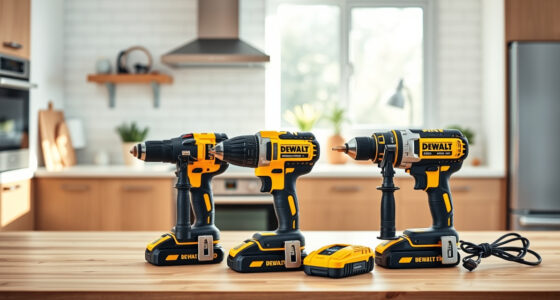
A cordless power drill set usually pairs a drill driver with a rechargeable battery, charger, and accessories; some kits add an impact driver or hammer-drill mode. Match the tool to your materials, then compare battery compatibility, capacity, handling, and charger before buying. For most home projects, a comfortable drill with a clutch and useful bits beats a flashy spec sheet.
A drill driver is the general-purpose pick for ordinary holes and controlled screwdriving; an impact driver is better suited to repeated, demanding fasteners.
A hammer drill adds a pulsing action for suitable masonry, while heavier concrete jobs may call for a rotary hammer.
Amp-hours describe battery capacity and usually affect runtime; they do not alone measure tool power.
Compare the whole kit: compatible batteries, charger, useful bits, case, tool count, and warranty.
Comfort, clutch control, and the right bit can matter more to your results than a headline torque figure.
Know Which Drill Makes Clean Holes—and Which Drives Screws
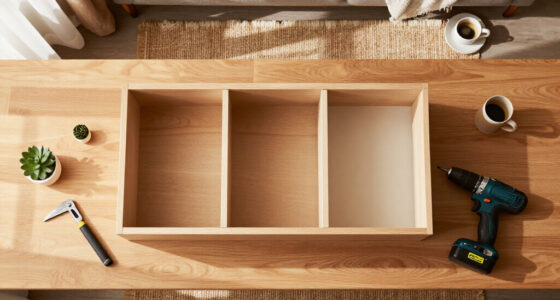
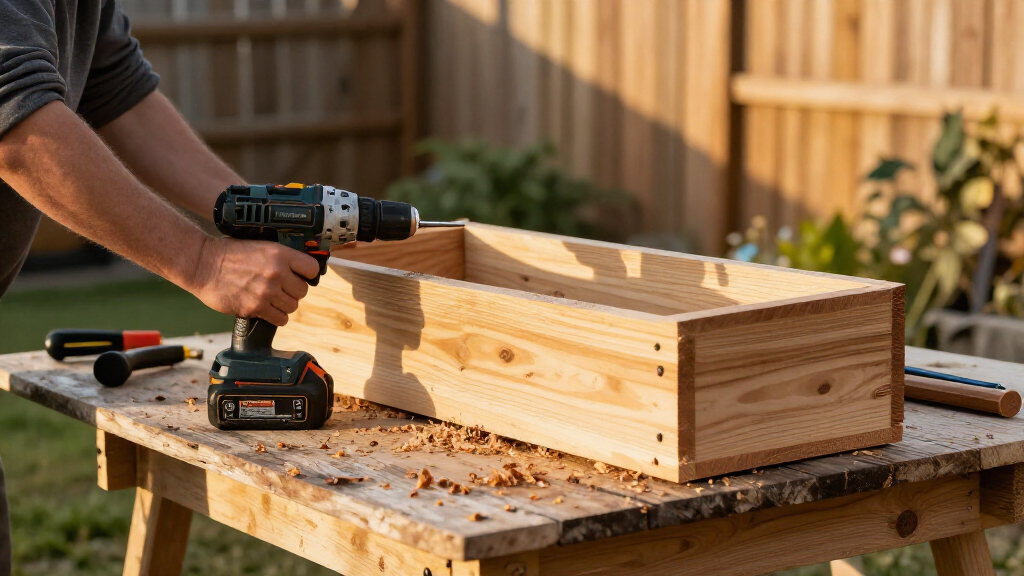
A cordless power drill set can include a drill driver, hammer drill, impact driver, or a combination, and each tool handles a different kind of work. A standard drill driver turns a bit to bore holes in wood, metal, and some plastics, and it drives screws when you fit a driver bit. A hammer drill adds a forward-pulsing action that helps a suitable masonry bit bite into brick or block. An impact driver is built for driving fasteners. Its rotational impacts help push long screws into framing lumber or loosen a stubborn fastener, but its punchier action makes it a poor choice for delicate work or clean, accurately sized holes. Think of a drill driver as a steady hand with a pencil; an impact driver is the stronger grip you want when the screw gets tough. Picture assembling a pine bookshelf. A drill driver can make pilot holes and drive short screws with the clutch set low. Building a backyard platform with long structural screws? An impact driver can make that repetitive work easier. A small masonry job, such as attaching a bracket to brick, calls for a hammer drill and masonry bit. For heavier concrete work, a rotary hammer is usually the better fit; a hammer drill is not the same tool.Choose by material and task: use a drill driver for general holes and controlled screwdriving, an impact driver for demanding fasteners, and a hammer drill for suitable masonry drilling.
Popular right now

Hisense 75U6SF Pro 75-Inch U6 Pro Mini-LED 4K UHD Smart Fire TV
Bose QuietComfort Ultra Headphones (2nd Gen), Wireless Noise-Cancelling Over-Ear Headphones, Black

De'Longhi COM530M All-in-One Coffee and Espresso Machine, 47 oz
As an affiliate, we earn on qualifying purchases.
Compare What Each Kit Actually Gives You
A drill kit’s value depends on the tools, batteries, charger, and accessories it includes—not just the number of items on the box. A set usually combines a drill driver with a rechargeable battery and charger; combo kits may add an impact driver, spare battery, or case. Check each part against your planned jobs before comparing prices. | Kit feature | What you gain | What to check | |—|—|—| | Drill driver | General drilling and controlled screwdriving | Chuck size, clutch settings, and balance | | Impact driver | Easier driving of long or stubborn fasteners | Whether you’ll regularly drive many screws | | Hammer-drill mode | Help drilling into suitable masonry | Whether it’s a hammer drill or a separate tool | | Second battery | Less waiting when the first runs down | Capacity and whether it fits tools you own | | Bit assortment | A few accessories ready to use | Bit quality and whether sizes suit your work | | Case | A place to store and carry the kit | Room for batteries and commonly used bits | For example, a kit with an impact driver may be useful if you are putting up fence panels, but it won’t replace the drill driver for making clean holes for shelf brackets. A case can be handy if you move tools between a garage and a flat, while a large assortment of low-quality bits may do little for you. A few dependable driver bits, a suitable drill-bit set, and two useful batteries can be a better buy than a crowded accessory tray. Compare the total cost with your existing tools, too. If you already own a compatible battery and charger, a bare tool may save money. If you’re starting from scratch, add the cost of anything the kit leaves out before calling it a bargain.Read Battery Numbers Without Paying for the Wrong Thing
Battery voltage gives you a rough sense of a tool’s class, while amp-hours (Ah) describe battery capacity; neither figure alone tells you how a drill will perform on every task. Motor design, gearing, the battery itself, and the material you’re drilling all play a part. A higher-capacity battery generally runs longer, but it can also add weight and cost. That trade-off shows up on a ladder or during a long day of overhead work. A compact, lower-capacity battery can feel far more manageable while fitting a kitchen cabinet than a larger pack that keeps you going through a bigger project. For building a deck, extra runtime may be welcome, especially if you keep a second charged battery ready. Battery compatibility matters beyond the first purchase. Many manufacturers build shared battery platforms, so a drill set can be an entry point to other tools in that system. Before buying, check the specific model and battery compatibility; don’t assume two products from the same brand use the same pack, or that different brands’ batteries work together. Charging time and storage instructions vary by battery and charger. Follow the maker’s guidance for charging, temperature, and storage rather than relying on a one-size-fits-all rule. If your project means drilling a few holes for a curtain rod, one battery may be enough. For a long fence job, two batteries can keep the work moving while one charges.Choose Control and Comfort Over a Big Torque Number
A drill you can guide comfortably is easier to use well than one you can barely hold steady. Weight, balance, grip, trigger control, and visibility all affect how accurately you drill and drive. A compact tool can slip into a tight cupboard or feel lighter during furniture assembly; a larger drill may better suit demanding, repeated work. Torque helps with fasteners, but published figures can be hard to compare across brands because manufacturers may use different testing and reporting methods. For everyday work, look at the adjustable clutch, speed settings, and how the tool feels in your hand. The clutch lets you limit how firmly the drill drives a screw, which can help prevent a screw head from stripping or a soft panel from getting chewed up. Imagine fastening a handle onto a thin cabinet door. Use a low clutch setting, start slowly, and stop when the screw sits snug. If you use full force, the screw can sink too far or damage the surface. For a long screw in dense lumber, you can select a suitable setting and drive with a well-fitting bit, while keeping the workpiece secure. Brushless models are typically more efficient and may offer longer runtime and motor life than comparable brushed models. They often cost more, so the extra price may make sense if you use a drill frequently or tackle heavier projects. For occasional repairs, a well-balanced brushed drill with useful clutch settings may serve you better than paying for brushless performance you rarely need.Use This Five-Step Check Before You Buy
You can compare cordless power drill sets in five steps: list your materials and jobs, select the tool type, check battery compatibility and capacity, try the handling if possible, and compare the complete kit cost. That order helps you connect features to actual work instead of getting distracted by a large number printed on the package.- Write down your jobs. Separate ordinary screwdriving and wood drilling from masonry work or repeated long-fastener driving. Hanging a mirror in drywall and building a deck need different tools.
- Match the tool to the material. A standard drill driver suits wood and many household tasks; choose a hammer drill for appropriate brick or block work. Use an impact driver when you often drive long or stubborn fasteners.
- Check the battery platform. Look for compatibility with tools you own or might add, then compare battery capacity, charger, and the number of packs.
- Check the fit and controls. Hold the drill if you can. Make sure you can reach the trigger and clutch comfortably, and that the tool feels balanced with its battery attached.
- Price the whole kit. Include useful bits, a second battery if you need one, and a case if you will carry the set. Confirm what is actually included.