
TL;DR

Get business pricing on tools and workshop supplies
- Business-only prices and quantity discounts
- Tax-exempt purchasing
- Multiple users, one account, clear invoices
A YouTube creator known as Greens and Machines built a garden trellis from PVC pipe and jute twine, with a frame sized to fit a garden row. The reported design uses ground stakes, a top rail and diagonal twine supports; its cost, durability and performance over time are not reported.
A YouTube user known as Greens and Machines built a garden trellis from PVC pipe and jute twine, creating a customizable frame for climbing fruit and vegetable vines. Hunker reported on the DIY design, which uses vertical posts, a connecting top rail and diagonally arranged twine; the source does not give a verified project cost or report how the structure performs over time.
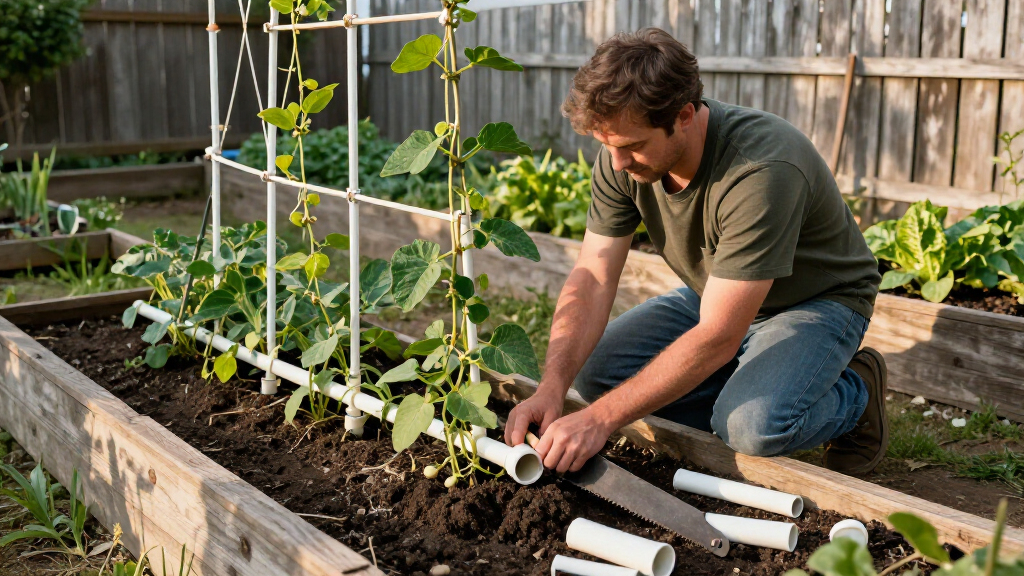
The reported example uses four six-foot vertical posts made from three-quarter-inch PVC pipe, spaced about four feet apart and connected across the top by a rail spanning roughly 12 feet. The dimensions were planned around available 10-foot pipe lengths, allowing each length to yield a six-foot post and a four-foot rail section. Hunker says the measurements can be changed to suit a garden and the plants being grown.
For ground support, the design uses half-inch Schedule 40 PVC stakes, cut to about 18 inches and driven roughly halfway into the soil. The larger posts slide over the stakes. Elbow connectors finish the ends of the top rail, while T-connectors join the rail to the intermediate posts. The source describes three-quarter-inch Schedule 200 pipe for the frame, noting its thinner walls compared with Schedule 40 pipe.
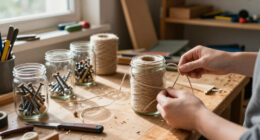
After assembling the frame, the builder adds jute twine as plant support. Each length runs from a ground anchor up and around the upper rail, then down toward another anchor, creating diagonal lines that form triangular sections. The report suggests placing these runs about 12 to 18 inches apart, depending on plant spacing. Raised-bed gardeners can attach the twine to the bed; for in-ground rows, garden staples can hold it at the soil edge.
A Custom Frame for Climbing Crops
The design offers gardeners a way to add vertical growing support without buying a purpose-built trellis system. Its basic materials and adjustable dimensions may suit small home gardens, particularly where a standard trellis would not fit the row or bed. The reported build also separates the frame from the plant-support material: the PVC provides the structure, while twine creates the surfaces vines can climb.
That does not establish how much money a gardener would save or whether the design lasts as long as commercial alternatives. The report gives no itemized total, long-term durability test or measurements of crop yields. Its practical value is best understood as a reusable DIY approach whose cost and suitability depend on local material prices, the garden layout and the weight and growth habits of the plants.
Popular right now

Sony BRAVIA 5 85-Inch Mini LED 4K HDR Smart TV (K-85XR50)

De'Longhi Magnifica Evo Fully Automatic Espresso Machine with Manual Milk Frother, Silver

Breville Bambino Espresso Machine, Brushed Stainless Steel (BES450BSS)
As an affiliate, we earn on qualifying purchases.
How the Reported Design Fits Together
Hunker presents the project as a budget-oriented garden upgrade shared by a YouTube creator, rather than as a tested product or a formal building plan. The article’s description lays out a sequence: plan the post spacing, cut the pipes, set the ground stakes, connect the posts with a top rail, then anchor the twine. It also notes that some retailers sell pipe in five-foot lengths, which could suit gardeners who prefer a smaller design or want to avoid cutting.
The specified dimensions are one example, not a universal standard. A gardener would need to adapt the height, width and post spacing to the site and crops. The source recommends a pipe cutter for making cuts and says a hardware store may be able to cut pipe. It does not provide a detailed load rating or claim that the frame is suitable for every climate or plant.
Cost and Long-Term Strength
The report does not state the creator’s actual spending, where the materials were purchased or whether the finished trellis has been used through multiple growing seasons. It also provides no independent test of wind resistance, load capacity or longevity. Those details matter because conditions vary: a frame supporting mature vines may face different demands from one holding lighter growth, and exposure to weather can affect materials and anchors.
Hunker describes the structure as a way to support climbing plants, but offers no documented crop results or comparison with other trellis systems. The project’s exact completed appearance and performance beyond the article’s account cannot be verified from the supplied material.
Adapt the Layout to the Garden
The next step for anyone considering the design is to measure the growing area and decide how many posts and twine runs the plants need. The reported plan places posts about four feet apart and twine lines every 12 to 18 inches, but those figures can be adjusted. Before assembly, gardeners should check that the selected pipe sizes and connectors fit together and that the stakes can be secured in the soil or bed.
No follow-up test or update is identified in the source. Whether the creator or Hunker publishes additional information on seasonal performance, maintenance or total cost remains unknown. For now, the available account provides a materials list and construction outline, not a verified assessment of how the trellis holds up over time.
Key Questions
What materials does the reported trellis use?
The design uses three-quarter-inch PVC pipe for the frame, half-inch PVC stakes for ground support, elbow and T-connectors, and jute twine for the vine supports. Ground staples or bed fasteners anchor the twine.
How large was the example trellis?
Hunker describes four six-foot posts spaced about four feet apart, with a top rail spanning roughly 12 feet. The dimensions can be changed to fit a garden.
How does the twine support plants?
The twine runs from one ground anchor up and around the top rail, then down to another anchor. Repeated runs create diagonal, triangular supports for climbing vines.
Is the project’s cost or durability confirmed?
No. The report describes the materials as basic and inexpensive but gives no itemized project cost or long-term durability results. Its price and performance remain unreported.
Source: hunker.com