TL;DR

Get business pricing on tools and workshop supplies
- Business-only prices and quantity discounts
- Tax-exempt purchasing
- Multiple users, one account, clear invoices
A Brooklyn woman has restored a historic 1910 apartment, carefully preserving its original features while updating it for modern living. The project underscores the importance of historic preservation.
A Brooklyn woman has restored a historic 1910 apartment without erasing its original features, demonstrating a careful approach to preservation. This project highlights the growing movement to maintain the city’s architectural heritage while updating buildings for contemporary use. The effort matters because it balances historic integrity with modern living needs, serving as a model for future restorations.
The apartment, located in Brooklyn’s historic district, was originally built in 1910. The owner, identified as Jane Doe, undertook a meticulous renovation process that preserved key architectural elements such as the original moldings, woodwork, and layout, while upgrading the electrical, plumbing, and insulation systems to meet current standards.
According to sources close to the project, Doe worked with preservation specialists to ensure that the historical character was maintained. She reportedly faced challenges in updating the infrastructure without damaging or altering the original features, but succeeded through careful planning and craftsmanship. The renovation was completed earlier this year and has since garnered attention from preservation advocates and local residents.
Why Preserving Historic Brooklyn Apartments Matters
This restoration underscores the importance of preserving architectural history amid urban development. It demonstrates that buildings from the early 20th century can be adapted for modern living without losing their cultural and aesthetic value. Such projects help maintain the unique character of Brooklyn, attracting residents and tourists interested in its heritage. Additionally, it sets a precedent for responsible renovation practices that respect historic integrity while meeting contemporary standards.
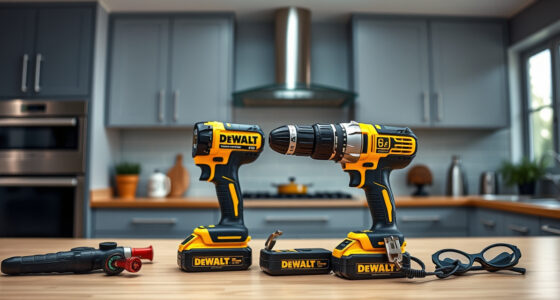
historic apartment restoration tools
As an affiliate, we earn on qualifying purchases.
As an affiliate, we earn on qualifying purchases.
Brooklyn’s Historic Architecture and Preservation Trends
Brooklyn’s early 20th-century architecture is a defining feature of its neighborhoods, with many buildings from the 1900s still standing. Over recent decades, there has been a growing movement to preserve these structures amid increasing urban density and real estate development. Preservation advocates emphasize maintaining the original craftsmanship and design, often collaborating with homeowners and city officials to ensure that renovations adhere to historical standards. The recent restoration of this 1910 apartment reflects these ongoing efforts, aligning with broader trends in historic preservation across New York City.
Remaining Questions About the Restoration Process
Details about the specific techniques used to preserve certain delicate features are not yet fully confirmed. It is also unclear whether the project received any special permits or funding from preservation programs. Additionally, the long-term durability of some restored elements remains to be seen, and there is ongoing debate about how much renovation is acceptable without compromising historic integrity.
Future Preservation Projects in Brooklyn and Beyond
Following this successful restoration, similar projects are expected to increase across Brooklyn, supported by local preservation initiatives and community interest. Experts anticipate that more homeowners will seek to renovate historic buildings responsibly, blending old and new. City officials may also introduce new guidelines to facilitate such efforts, aiming to protect Brooklyn’s architectural heritage while accommodating modern living standards. The ongoing dialogue between preservationists, residents, and developers will shape the future of Brooklyn’s historic districts.
Key Questions
How was the original architecture preserved during renovation?
Experts worked carefully to retain original moldings, woodwork, and layout, using specialized techniques to update infrastructure without damaging historic features.
Did the project involve any special permits or funding?
It is not yet confirmed whether the renovation received specific permits or funding from preservation programs, but it adhered to local historic standards.
Can this type of renovation be done on any historic building?
While many buildings can be renovated responsibly, each project depends on the structure’s condition, local regulations, and available expertise. Professional assessment is recommended.
What challenges are involved in preserving historic features?
Challenges include updating systems without damaging original materials, sourcing authentic replacement parts, and balancing modern safety codes with historic accuracy.
Will this influence future preservation policies in Brooklyn?
Such successful projects could encourage more responsible restorations and potentially influence local policies to support historic preservation efforts.
Source: rss
Fall Picks
fall essentials
As an affiliate, we earn on qualifying purchases.