
TL;DR

Get business pricing on tools and workshop supplies
- Business-only prices and quantity discounts
- Tax-exempt purchasing
- Multiple users, one account, clear invoices
A home and interiors report says an inexpensive stick of chalk may help deter spiders from crossing some entry points, including door thresholds and window frames. Pest and home-maintenance experts quoted in the report describe it as an additional measure, not a guaranteed way to keep spiders out; dampness and foot traffic can weaken it.
An Ideal Home report says a stick of chalk costing about £2 may help deter some spiders from crossing door thresholds, window frames and other possible entry points this autumn. Experts quoted in the report describe chalk as an extra deterrent, not a reliable standalone solution, and say its effectiveness can fall when it gets wet, is walked over or is cleaned away.
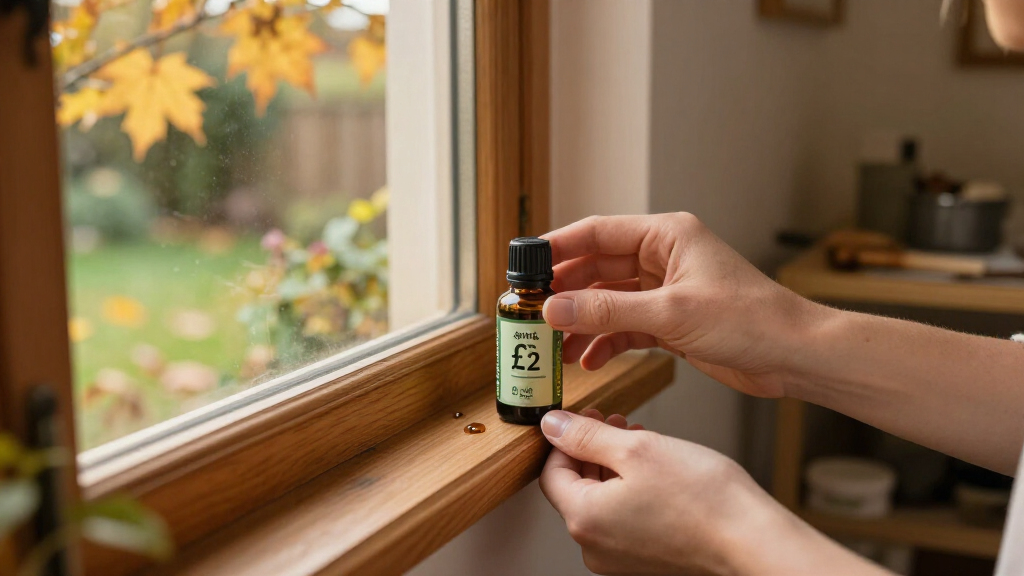
The suggested method is to draw a chalk line around places where spiders may enter, such as external door thresholds, window frames and small gaps. The report also suggests using chalk on indoor windowsills, doorways and gaps around frames, where the line may remain undisturbed for longer. Home-maintenance expert Emily Green, of Howarth Timber, advises testing chalk on an inconspicuous patch first because it may mark some surfaces.
Mosh Latifi, co-owner of EcoCare Pest Management, told Ideal Home that chalk is made of calcium carbonate and argued that its dry, alkaline surface and texture may make it unpleasant for spiders to cross. The explanation is an expert’s account of why the home remedy might work; the report does not cite controlled testing or provide measurements of how much spider activity chalk barriers reduce.
Latifi said barriers should be drawn on a dry day, since moisture can make chalk less effective and cause it to degrade faster. Both experts describe upkeep as necessary: rain or damp, foot traffic and cleaning can break up the line, so it may need to be redrawn. The report also notes that spiders may still get inside even when chalk is used.
A Low-Cost Add-On, Not a Fix
For households looking for a quick, inexpensive measure during the autumn period, chalk offers a simple option to try at likely entry points. Its low cost and ease of application may appeal to people who want to avoid relying on a single treatment, but the advice comes with limits: a chalk line can be disrupted, and the report does not establish how often it prevents spiders from entering.
The practical takeaway is to treat chalk as one part of reducing access to the home, rather than as proof that a room or building is spider-proof. The report recommends combining barriers with basic prevention, including closing windows when appropriate, sealing visible gaps and reducing conditions that may make indoor spaces attractive to spiders. Those steps address access or household conditions more directly than a line that can wear away.
That distinction matters for readers deciding whether to spend money or time on the hack. The cited experts support trying it as an additional deterrent, but do not promise complete prevention. The report also does not compare chalk with other methods, so it cannot establish which approach works best.
As an affiliate, we earn on qualifying purchases.
Why the Advice Targets Autumn
The report frames the suggestion around the autumn spider season, when, it says, spider activity is at its peak. Latifi advised drawing barriers in early October, describing that period as peak mating season, when male spiders are actively moving around and may seek a way indoors. The article does not independently verify that timing or provide local or year-by-year data on spider activity.
Chalk is presented as a household remedy also associated with deterring pests such as ants. The specific advice here is to place it at possible routes into the home, rather than to use it as a treatment for spiders already indoors. Green’s guidance includes both external points, such as thresholds and window frames, and indoor edges where chalk is less likely to be disturbed.
The article proposes a layered approach: keep windows shut when feasible, address gaps around doors and frames, and manage clutter, evening lighting and moisture. Latifi also suggested peppermint oil spray at entry points. These are recommendations in the source report, not evidence that any one combination will prevent all spiders from entering.
How Much Protection Chalk Offers
The report does not give controlled trial results, success rates or a comparison group showing how many spiders a chalk barrier stops. It also does not identify which spider species, surfaces or home conditions might affect the outcome. Latifi’s description of how chalk may deter spiders is attributed expert advice, not a measured guarantee.
It remains unclear how long a line will stay effective in different settings or how frequently it must be replaced. That will depend on whether it is exposed to rain, damp, cleaning or regular foot traffic, the factors the experts say can degrade it. Green also warns that chalk can mark some surfaces, but the report does not list which finishes are most at risk.
The source says chalk may reduce spider presence but may not keep spiders out entirely. It provides no evidence that peppermint oil or other suggested measures reliably improve results when combined with chalk. Readers should therefore understand the advice as a possible household deterrent, with effectiveness still uncertain.
Check Barriers and Seal Gaps
Anyone trying the method can begin by identifying likely entry points, testing chalk on a hidden area and applying it only where it will not damage or create a nuisance on the surface. The report’s guidance is to use a dry day and check the line regularly, redrawing it if it becomes damp, worn or is removed during cleaning.
For longer-term prevention, the experts’ advice is to look beyond the chalk line: close windows when needed and seal visible gaps around frames and doors. The article does not announce a follow-up study or official evaluation, so no later test or outcome is confirmed. Whether the hack helps in a particular home will depend on conditions and should not be assumed from the recommendation alone.
Key Questions
Does chalk definitely keep spiders out?
No. The Ideal Home report presents chalk as a possible deterrent, and expert Emily Green says it should be an extra measure rather than the main defence. The report does not provide trial data or a guaranteed success rate.
Where does the report suggest drawing a chalk line?
It suggests likely entry points such as door thresholds, window frames and small gaps. Chalk may also be used around indoor windowsills and doorways, but Green advises testing it on an inconspicuous patch because it can mark some surfaces.
How often does chalk need to be reapplied?
The report gives no fixed schedule. Latifi says moisture, foot traffic and cleaning can degrade a line, so it should be checked and refreshed when it wears away.
What else does the report recommend?
It recommends a layered approach, including closing windows when appropriate and sealing visible gaps around doors and frames. It also mentions managing clutter, humidity and evening lighting, and cites peppermint oil as a possible additional measure, without providing evidence that these methods guarantee prevention.
Source: rss
Halloween Picks
halloween
As an affiliate, we earn on qualifying purchases.