TL;DR

Get business pricing on tools and workshop supplies
- Business-only prices and quantity discounts
- Tax-exempt purchasing
- Multiple users, one account, clear invoices
In 2022, transit agencies continued to produce passes manually, reflecting traditional design methods. This approach highlights ongoing reliance on manual processes despite digital advancements. The development underscores the importance of understanding transit system histories.
In 2022, many transit agencies relied on manual, hand-drawn methods to design and produce transit passes, a practice that has persisted despite the availability of digital design technology. This development highlights ongoing reliance on traditional techniques within transit systems and raises questions about modernization efforts.
According to sources familiar with transit operations, several transit agencies continued to produce their passes using manual drawing and assembly techniques in 2022. This process involved staff physically sketching, cutting, and assembling passes, often due to budget constraints, legacy practices, or preferences for tactile design methods. While digital design tools are widely available, some agencies opted to maintain traditional methods, citing reasons such as ease of customization or familiarity.
Officials from a mid-sized transit authority confirmed that their team still used hand-drawn templates for certain types of passes, especially for special editions or temporary passes. Experts note that this practice is increasingly rare but still persists in some contexts, particularly where digital infrastructure is limited or staff are accustomed to manual processes. The practice has been documented in internal reports and transit community discussions from late 2022.
Implications of Manual Transit Pass Design in Modern Systems
This reliance on manual design methods in 2022 underscores the slow pace of technological adoption in some transit agencies. It highlights issues related to operational costs, efficiency, and modernization efforts within public transportation systems. Understanding this historical practice helps contextualize ongoing debates about digital transformation in transit agencies and the importance of updating legacy processes to improve service delivery and security.
Popular right now

Ninja CREAMi 7-in-1 Ice Cream Maker, NC301
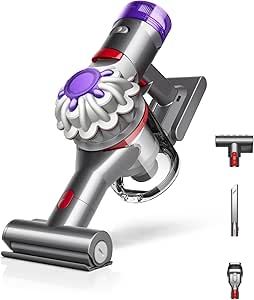
Dyson Car+Boat Cordless Handheld Vacuum

iRobot Roomba Max 715 Pet Robot Vacuum with AutoEmpty Dock
As an affiliate, we earn on qualifying purchases.
Legacy Practices in Transit Pass Production
Historically, transit passes transitioned from physical tickets to plastic cards, with design and production evolving from manual methods to digital printing and electronic customization. Despite widespread digital adoption, some agencies continued to produce passes manually in 2022, often due to budget limitations or institutional inertia. This practice reflects a broader trend of gradual technological change within public transit systems, where legacy processes persist alongside modern innovations.
Recent discussions in transit industry forums and internal reports from 2022 indicate that manual pass design was still in use in certain regions, especially for limited editions, promotional passes, or in smaller transit systems. The transition to fully digital systems remains uneven across different agencies and jurisdictions.
Extent and Future of Manual Pass Design Practices
It is unclear how widespread manual pass design was across all transit agencies in 2022, and whether this practice has significantly declined since then. Details about specific agencies still using manual methods or plans to transition to digital are not yet confirmed.Monitoring Transition to Fully Digital Transit Passes
Transit agencies are expected to continue modernizing their pass production processes, with many planning to phase out manual methods in favor of digital design and printing. Industry reports and official statements from agencies over the coming months will clarify the pace and scope of this transition.
Key Questions
Why did some transit agencies still produce passes by hand in 2022?
Many agencies continued manual production due to budget constraints, familiarity with traditional methods, or because they used manual techniques for special editions or temporary passes.
Are manual transit passes still being produced today?
It is not yet clear how many agencies have fully transitioned to digital methods, but reports suggest the practice has decreased significantly since 2022.
What are the advantages of digital pass design over manual methods?
Digital design offers efficiency, consistency, easier updates, and improved security features, making it the preferred method in most modern transit systems.
Could manual pass production still be relevant today?
Manual methods may still be used for special editions or in regions with limited digital infrastructure, but overall, digital methods are becoming the standard.
Source: hn