TL;DR

Get business pricing on tools and workshop supplies
- Business-only prices and quantity discounts
- Tax-exempt purchasing
- Multiple users, one account, clear invoices
A good woodworking tool set for students combines safety, simplicity, and durability. Recent tech and eco-friendly designs make learning woodworking engaging and safe for beginners of all ages.
Ever tried working with a dull saw or a tricky chisel and felt the frustration rise? That’s the difference a well-chosen tool set makes. For students just starting out, having the right gear isn’t just about making projects easier—it’s about safety, confidence, and sparking a lifelong love of craftsmanship.
This guide will show you what to look for in a beginner woodworking set, highlight recent innovations, and share real-world tips so you can pick a kit that’s perfect for your skill level and goals. Whether you’re a parent, a teacher, or a student yourself, understanding these essentials will turn woodworking from intimidating to inspiring.
Choose a set with essential tools like a saw, hammer, screwdrivers, and safety gear for a complete beginner experience.
Prioritize safety features—guards, locks, and protective equipment—to keep young woodworkers safe.
Recent innovations like digital guides and eco-friendly tools make woodworking safer and more engaging.
Budget options starting at $20 can be surprisingly capable, but investing a bit more boosts durability and safety.
Start young kids with simple projects and supervision, gradually introducing more complex tools as skills grow.
What should a beginner woodworking set include? Think simple, safe, and versatile
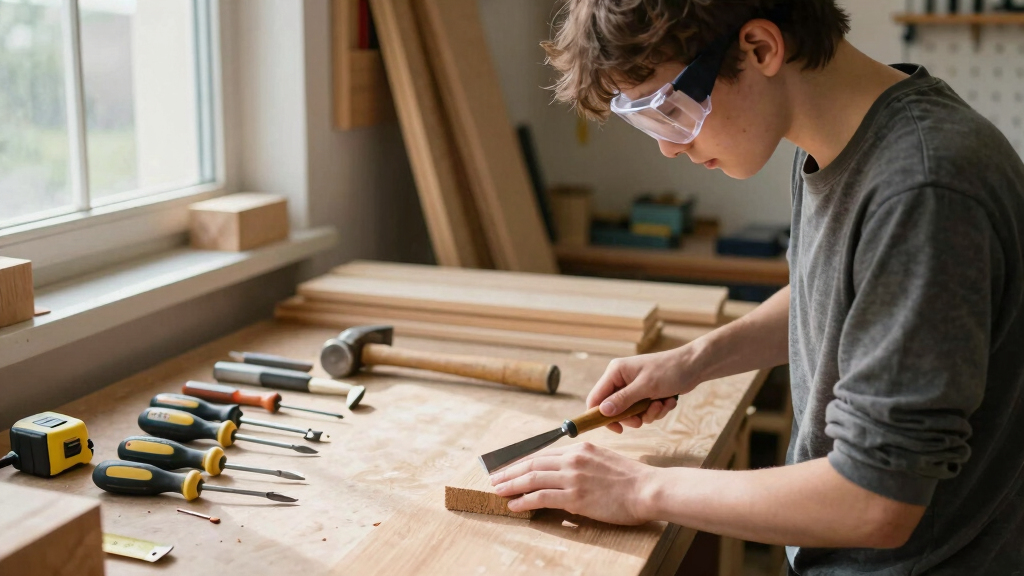
The core of any good set is the basics. For students, a well-rounded starter kit includes a hammer, a tape measure, a square, a handsaw, screwdrivers, chisels, clamps, and safety gear like goggles and gloves. For example, a typical set might have a 16-inch handsaw, a 3-piece screwdriver set, a 10-foot tape, and a beginner-friendly hammer with a soft grip.
Having these essential tools not only enables students to complete a variety of projects—like building shelves, picture frames, or small furniture—but also teaches fundamental skills that are foundational for more advanced woodworking. The importance of quality tools cannot be overstated: sharp blades and sturdy handles make work safer by reducing the risk of slips and accidents, and they produce cleaner cuts, which are crucial for the structural integrity and aesthetic of projects. Investing in durable, well-designed tools also means fewer replacements over time, making it a cost-effective choice that encourages consistent practice and skill development.
Popular right now

Sony WH-1000XM6 Wireless Noise-Canceling Over-Ear Headphones, Blue, Bundle

De'Longhi Linea Classic Espresso Machine with Adjustable Milk Frother

Ninja CREAMi 7-in-1 Ice Cream Maker, NC301
As an affiliate, we earn on qualifying purchases.
How to choose safety features that keep young woodworkers protected
- Pick tools with safety guards—saws with blade covers or safety locks prevent accidental cuts. These features are vital because they act as a first line of defense, especially for beginners who are still developing proper handling techniques. Without guards, even a momentary slip can lead to injury, so choosing tools with built-in safety mechanisms minimizes this risk and fosters safe habits.
- Look for ergonomically designed handles that fit comfortably and reduce slipping. Proper handle design not only improves control but also reduces fatigue, which can lead to careless mistakes. Comfort and grip are especially important for young users whose hand strength and dexterity are still developing.
- Ensure the set includes safety gear like goggles, gloves, and masks. These items are essential because they provide a physical barrier against flying debris, splinters, and dust, which can cause eye injuries or respiratory issues. Teaching young woodworkers to always wear protective equipment ingrains safety into their routine, making it second nature.
- Check if the tools have automatic shut-off or safety locks, especially for power tools. These features prevent accidental activation and overheating, reducing the chance of injury and equipment damage. They also serve as educational tools, teaching students about responsible tool use and safety protocols.
- Supervise use and teach proper handling from day one. While safety features are critical, active supervision and instruction are equally important because they help young learners understand the risks and develop safe habits. Combining good tools with proper guidance creates a safer environment and enhances learning outcomes.
For instance, a 12-year-old working on a birdhouse can avoid mishaps if their saw has a safety lock, and they wear goggles that keep sawdust out of their eyes. Safety isn’t an afterthought; it’s an integrated part of the woodworking process that builds confidence and prevents accidents, ensuring that young woodworkers develop good habits early on.
What recent innovations make woodworking sets safer and more fun?
| Feature | Benefit |
|---|---|
| Multi-functional tools | Reduce clutter and cost, easy for beginners to learn multiple skills. These tools combine several functions into one, streamlining the workspace and teaching versatility, which is crucial for small workshops or limited budgets. They also help beginners understand different techniques without needing multiple separate tools, fostering a broader skill set. |
| Eco-friendly materials | Safer for the environment and for students working close to the tools. Using sustainable materials reduces exposure to harmful chemicals and supports responsible manufacturing practices, which is especially important for young users who are more vulnerable to environmental toxins. It also instills eco-conscious values early on. |
| Safety tech (automatic shut-off) | Prevents accidents, builds confidence in young users. These features act as safety nets, stopping tools if mishandled or overheated, and giving young woodworkers a sense of security as they learn. This technology reduces the likelihood of injuries caused by operator error or fatigue, encouraging more frequent practice and skill mastery. |
| Digital tutorials | Guided learning, easy to follow even without an instructor. Digital guides and augmented reality apps enhance understanding of techniques, safety procedures, and project steps. They make learning more accessible and engaging, especially for visual learners, and can be revisited multiple times for reinforcement. |
| Modular designs | Expandability as skills grow, less waste. Modular tools and kits allow for adding new components or upgrading parts, which means students can progress without buying entirely new sets. This flexibility encourages continued interest and learning, while also reducing environmental impact by minimizing waste and promoting responsible consumption. |
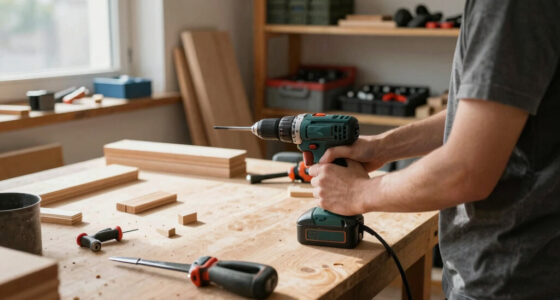
For example, a beginner’s kit might feature a cordless drill with a safety lock and an app that offers step-by-step building plans. These innovations transform woodworking from a risky chore into a safe, engaging hobby that adapts to the learner’s growing skills and interests.
How much should you spend on a student woodworking set? Budget vs. quality
Expect to pay around $20–$50 for a basic beginner set that covers the essentials. These sets typically include simple, reliable tools suitable for initial projects and experimentation. While budget options are accessible, they often have limitations in durability and safety features, which can impact long-term use and confidence-building.
For more comprehensive kits with safety features and higher-quality tools, prices range from $50–$150. Investing in slightly more expensive sets can mean better materials, enhanced safety mechanisms, and longer-lasting tools, which are crucial for fostering safe practices and encouraging ongoing engagement. The tradeoff is that higher-priced sets tend to be more ergonomic, precise, and durable, translating into fewer replacements and a more positive learning experience. Ultimately, choosing a set involves balancing initial cost with long-term value and safety considerations.
What safety tips should students follow while woodworking?
- Always wear goggles and gloves when using cutting tools or power equipment. These protect against flying debris and accidental contact, which can cause serious injuries. Consistent use of safety gear ingrains good habits and minimizes risks, especially as students handle more complex or powerful tools.
- Work in a well-ventilated space to avoid dust build-up. Proper airflow not only reduces inhalation of harmful particles but also prevents dust accumulation that can lead to slip hazards or respiratory issues over time. Maintaining a clean workspace supports both safety and efficiency.
- Keep tools sharp—dull blades are more dangerous than sharp ones. Dull blades require more force, increasing the chance of slips that can cause cuts or bruises. Regular maintenance and proper storage extend tool life and ensure safe, clean cuts.
- Read the instructions and safety warnings before starting. Understanding how to operate each tool correctly prevents misuse and accidents. Emphasizing the importance of reading manuals and labels helps students develop a safety-first mindset.
- Never rush; take your time for precise, safe cuts. Patience is key to avoiding mistakes that can lead to injuries. Encouraging deliberate, careful work builds good habits and produces higher-quality results.
For example, a 14-year-old working on a small chair should double-check that their saw has a safety lock and that they’re wearing all protective gear. Fostering a culture of safety ensures that young woodworkers not only avoid accidents but also develop responsible craftsmanship that lasts a lifetime.
Can kids start woodworking at age 8? What’s safe and smart?
Yes, kids as young as 8 can begin woodworking with proper supervision and age-appropriate tools. The key is to start with simple, low-risk projects that focus on developing basic skills and safety awareness. For example, using pre-cut pieces, glue, and small hand tools designed for children helps build confidence without overwhelming them.
For example, an 8-year-old might build a small wooden picture frame with a parent’s help, using a kid-friendly saw and clamps designed for small hands. Emphasizing supervision, patience, and fun ensures that early experiences are positive and safety is maintained. This approach helps foster curiosity and a love for craftsmanship while minimizing risks associated with more complex tools or techniques.
What should you expect to spend for a beginner woodworking kit?
Starter sets are generally affordable—ranging from $20 to $50. These include essential tools and safety gear, making them accessible options for beginners or young learners. While these sets are designed to be safe and simple, they often lack some of the advanced features found in higher-end kits, which can be a consideration for those seeking more durability or functionality.
If your young woodworker develops a serious interest, you can upgrade to more advanced, expandable sets later. Investing in quality tools and safety features early on ensures a more positive experience, reduces frustration, and encourages continued learning. Remember, the goal is to provide a safe, enjoyable introduction that can grow with their skills, making initial expenditure a worthwhile investment in their craftsmanship journey.
Frequently Asked Questions
What is the safest age for kids to start woodworking?
Children as young as 8 can begin woodworking with proper supervision and age-appropriate tools. Always focus on safety gear and simple projects to build confidence and skills gradually.
Can I find eco-friendly woodworking sets for students?
Yes, many brands now offer tools made from recycled or sustainable materials, combining safety with environmental responsibility. These are perfect for eco-conscious learners.
Are power tools suitable for beginners?
Power tools can be safe if used under supervision and with safety features like locks and guards. For young students, start with small, low-power models designed for beginners.
How do I know if a set is good quality?
Check for sturdy handles, sharp blades, and safety features. Reviews and brand reputation also help gauge durability and safety. Investing in mid-range sets often provides the best balance.
Conclusion
The right woodworking set turns a young beginner’s first cut into a confident hobby. It’s not just about the tools; it’s about inspiring creativity while keeping safety front and center. A well-chosen kit can spark a lifelong passion for craftsmanship—so pick wisely, teach safety, and watch your young maker thrive.
Remember, every master was once a beginner with the right tools in hand. Why not start today?