
To layer embroidery thread for richer color, choose threads that complement or are close shades to create a seamless blend. Use darker threads beneath lighter ones to add depth, and layer gradually to build a natural gradient. Pay attention to tension to keep stitches secure, and select durable threads for longevity. Experiment with textures and finishes to enhance the effect. If you keep exploring, you’ll discover even more ways to make your designs stand out.

Get business pricing on tools and workshop supplies
- Business-only prices and quantity discounts
- Tax-exempt purchasing
- Multiple users, one account, clear invoices
Key Takeaways
- Select threads within the same color family with slight hue or shade variations for seamless blending.
- Layer darker threads underneath lighter ones to add depth and enhance vibrancy.
- Gradually build up layers with different thread shades to create smooth gradient effects.
- Use high-quality, durable threads to ensure rich color and longevity of the design.
- Plan color placement carefully to maximize blending and achieve a multi-dimensional look.
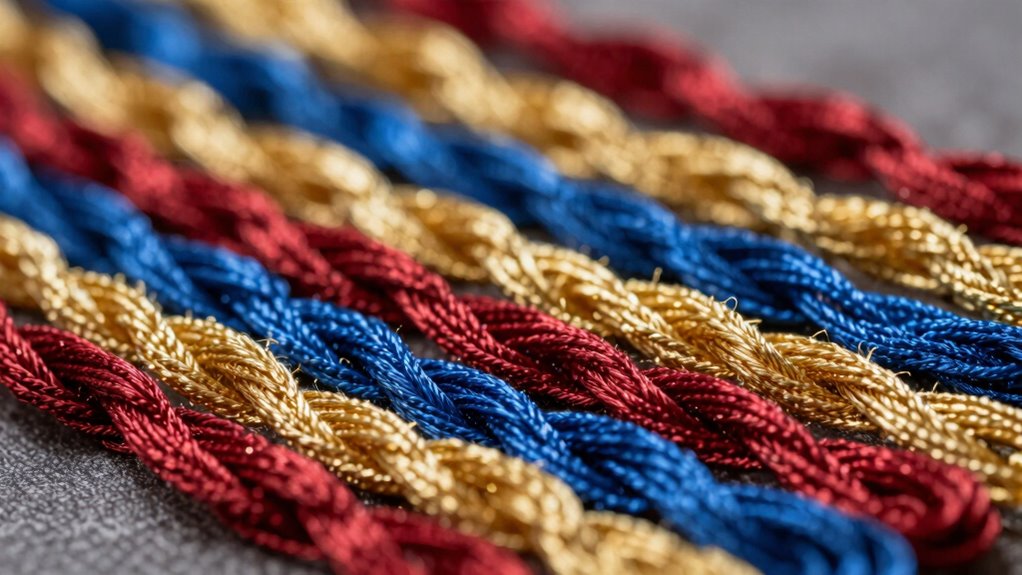
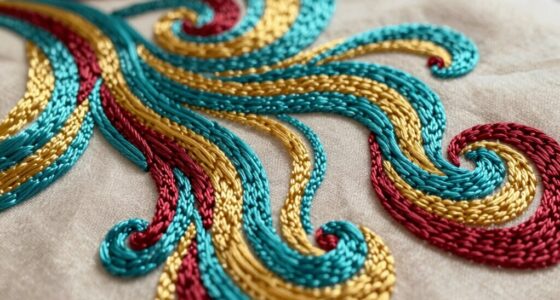
Layering embroidery thread can considerably enhance the richness and depth of your designs, making colors pop with vibrancy. When you layer threads thoughtfully, you create a complex, multi-dimensional look that transforms simple stitches into eye-catching artwork. The key to successful layering is understanding how different threads interact, especially in regard to color blending and thread durability. By combining threads carefully, you can achieve smooth gradations and nuanced shades that add sophistication to your embroidery.
Layering embroidery threads adds depth, vibrancy, and sophistication to your designs through thoughtful color blending and durable choices.
Start with selecting threads that complement each other or belong to the same color family. To create seamless color blending, choose threads that vary slightly in hue or shade. When you layer these threads, overlapping them gradually, you produce a gradient effect that appears natural and vibrant. You might want to experiment with combining a darker thread underneath a lighter one, which can add depth and make the top layer’s color stand out more vividly. The technique allows you to customize shades on the fly, giving you full control over the final look. Remember, the way you layer these threads influences how well the colors blend, so plan your color placement thoughtfully. Additionally, understanding thread properties helps you select the best threads for your design, ensuring optimal results.
Thread durability is equally important regarding this process. Using high-quality, sturdy threads ensures your layered embroidery will hold up over time without fraying or breaking. Cheaper threads tend to have weaker fibers that can unravel when layered repeatedly, diminishing the overall appearance of your work. Opt for threads with high tensile strength and good resistance to wear, especially if you’re working on projects meant to last. When layering, avoid excessive tension on your stitches, which can strain the threads and cause breakage. Instead, maintain even, moderate tension so the threads stay secure without compromising their integrity. Proper thread care and selection are essential; durable threads maintain their color and texture even after multiple layers and washes. Additionally, selecting high-quality threads can make a significant difference in the final outcome, as they are less prone to fraying and fading over time. Exploring thread types and finishes can also open up new possibilities for textured and visually interesting layered designs. To further enhance your results, consider the influence of thread finishes on the sheen and texture of your embroidery.
In addition, consider the type of thread you’re using—cotton, polyester, silk—each has different properties that affect how well they layer and blend. Polyester threads, for example, tend to be more durable and resist fading, making them ideal for layered designs that require longevity. Silk threads offer a luxurious sheen and smooth blending but may be less durable. By understanding these characteristics, you can select the best threads for your project, ensuring your layered embroidery remains vibrant and intact over time. Moreover, experimenting with different thread types can help you discover unique textures and finishes that enhance your layered designs.
Ultimately, successful layering involves a balance of color blending techniques and choosing threads that offer durability. With patience and practice, you’ll develop a keen sense of how to layer threads for maximum vibrancy and longevity, elevating your embroidery from simple stitches to stunning, richly layered art.
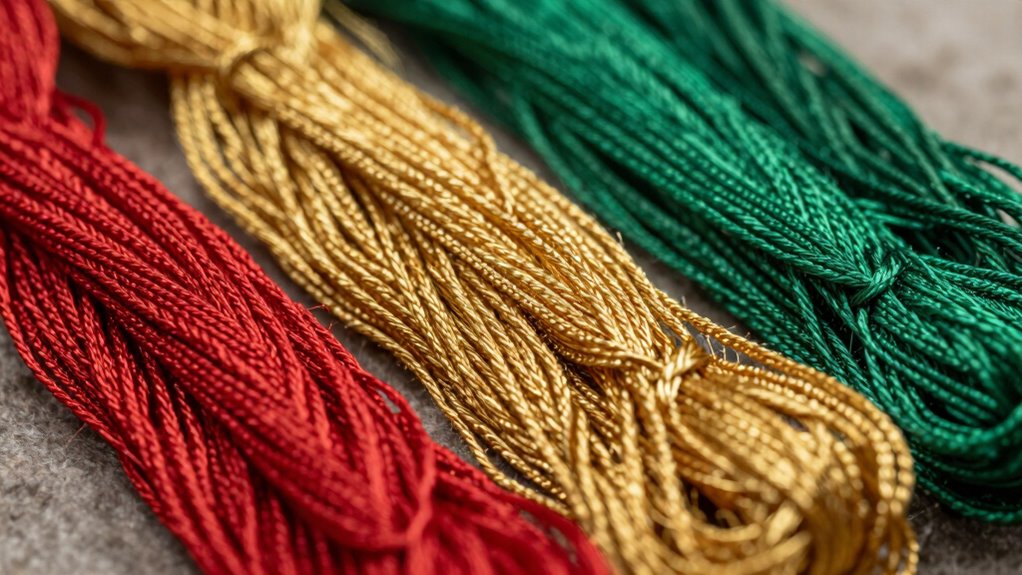
embroidery thread set for blending
As an affiliate, we earn on qualifying purchases.
As an affiliate, we earn on qualifying purchases.
Frequently Asked Questions
Can I Layer Different Types of Embroidery Threads Together?
Yes, you can layer different types of embroidery threads together. Combining various thread textures and thicknesses enhances thread color blending, creating richer, more dynamic embroidery. This technique also offers unique embroidery design enhancements, making your work stand out. Just make certain the threads are compatible with your fabric and needle. Experimenting with layering different threads lets you achieve unique visual effects and adds depth to your embroidery projects.
What Tools Help Achieve Precise Thread Layering?
You use specialty embroidery needles, thread organizers, and magnifying glasses to achieve precise thread layering. These tools help you control color blending and maintain thread texture, ensuring each layer sits perfectly. The needle guides your stitches, the organizer keeps your threads untangled, and the magnifier lets you see detail clearly. Together, they empower you to craft intricate, vibrant designs with seamless color shifts and rich thread texture.
How Does Thread Thickness Affect Layering Outcomes?
Thread thickness directly impacts your layering results by influencing color blending and thread density. Thicker threads create more prominent, bold textures, making colors stand out vividly. Thinner threads allow for smoother, more gradual color blending, giving a nuanced look. When layering, consider how thread thickness affects overall density—using a mix can add depth and richness, but too much thickness may result in uneven textures. Adjust your thread choices based on the desired visual effect.
Is There a Limit to How Many Layers I Should Add?
There’s a limit to how many layers you should add, as too many can turn your embroidery into a tangled mess. You want to strike a balance for smooth color blending without compromising fabric compatibility. Usually, 3 to 5 layers are enough to enrich the color without risking damage or stiffness. Always test on a scrap piece first, as different fabrics react differently to multiple layers.
How Do I Prevent Thread Tangling During Layering?
To prevent thread tangling during layering, keep your thread tension consistent, ensuring smooth stitches without excess slack. Use high-quality threads for better control and fewer knots. When blending colors, switch colors carefully and avoid crossing threads unnecessarily. Regularly thread your machine and check for any snags. These steps help maintain even tension and prevent tangling, allowing for seamless color blending and richer embroidery layers.
Conclusion
Layering embroidery thread is like painting with a richer palette—you’ll find your designs come alive with vibrancy and depth. When you stack different shades thoughtfully, you create a tapestry bursting with personality. Don’t shy away from experimenting; each layer adds a new dimension, transforming your project from simple to stunning. Remember, the more you layer, the more your thread’s true potential shines through—turning your embroidery into a masterpiece that’s as vivid as a sunset sky.
Fall yard work Picks
leaf blowers
As an affiliate, we earn on qualifying purchases.