The ‘glue baste’ trick is a handy shortcut for temporarily holding fabrics together during sewing, especially for delicate or intricate projects. It’s smart when you need a quick, adjustable fix, like lining up layers or applique, but it can turn into a disaster if you use too much glue or apply it on incompatible fabrics. To succeed, you must choose the right adhesive and apply carefully. Keep going to discover how to get it right every time.
Key Takeaways
- Glue baste is smart for temporary fabric positioning, quick fixes, and detailed sewing projects requiring precision.
- It’s a disaster when used for permanent bonds or on incompatible materials, risking damage or puckering.
- Proper application, including thin layers and correct drying time, is crucial to avoid fabric stiffness or failure.
- Always test adhesive compatibility with fabrics to prevent staining, discoloration, or weak adhesion.
- Use glue baste mainly for short-term tasks; opt for stronger, permanent adhesives for long-lasting projects.
What Is the ‘Glue Baste’ Trick and How Does It Work?
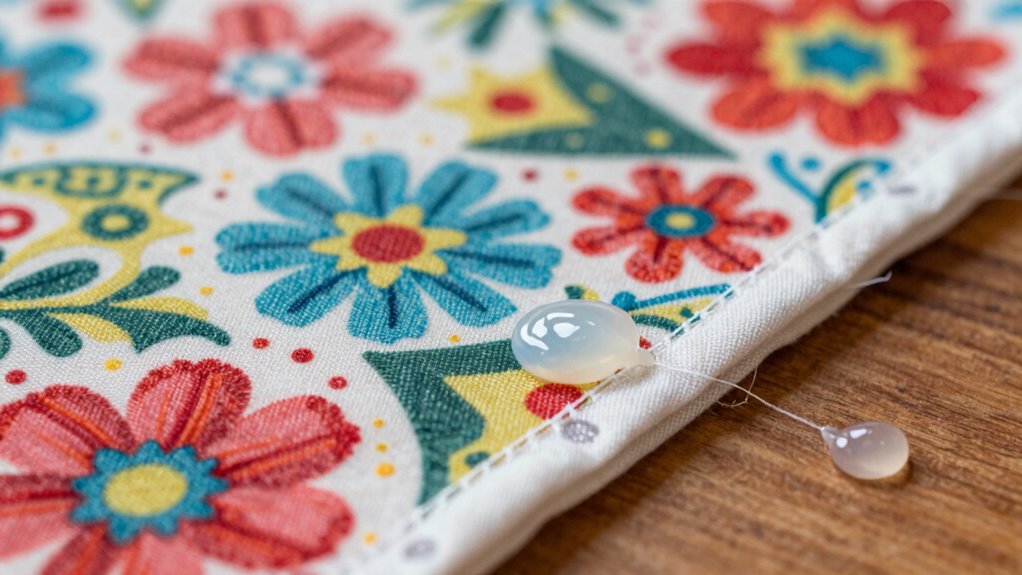
Have you ever wondered how magicians make objects appear or vanish seamlessly? The ‘Glue Baste’ trick uses a clever form of adhesive bonding to create the illusion. It involves applying a small amount of glue or adhesive in a way that temporarily fixes objects together, making it seem as if they are effortlessly connected or separated. This technique relies on the adhesive’s properties to bond surfaces just long enough for the trick to work, then easily be undone. It’s a smart approach for quick fixes or illusions, allowing you to manipulate objects without permanent damage. However, understanding how the adhesive behaves—its strength, drying time, and removability—is key to executing the trick successfully. It’s all about timing and control. Mastering this method also highlights the importance of creative storytelling in engaging your audience and enhancing the illusion. Knowing the adhesive properties ensures that you can predict how the glue will behave during the performance, making your illusion more convincing. Additionally, being aware of application techniques can help improve the precision and effectiveness of the trick.
Is a Glue Baste the Right Shortcut for Your DIY Project?
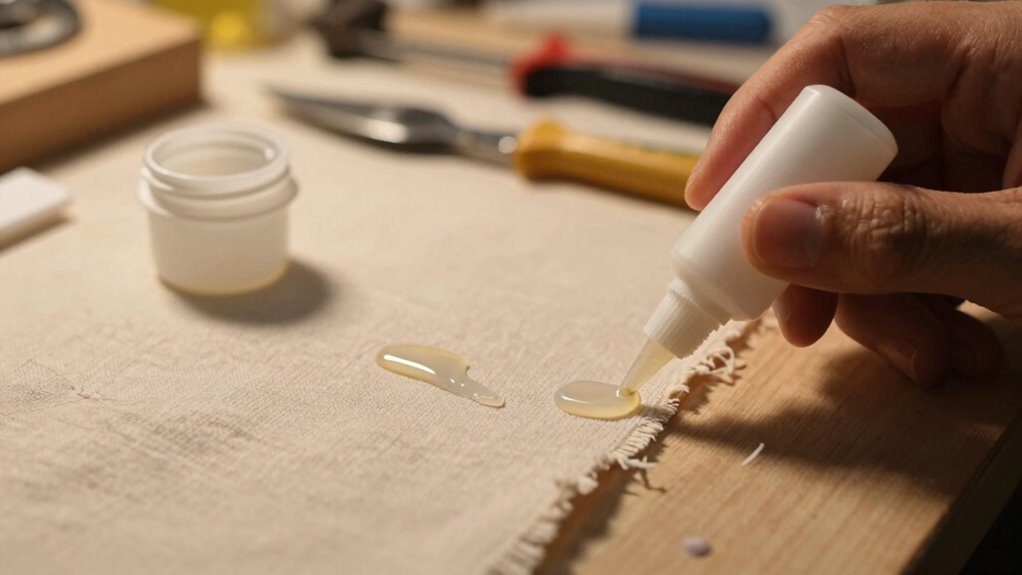
Before using a glue baste, consider if your project’s materials are compatible and can handle the adhesive. Think about whether you need a temporary fix or a permanent solution, as this affects your choice. Evaluating these points helps you decide if a glue baste is the right shortcut for your DIY task. Incorporating imagination can also help you visualize potential outcomes and determine if this approach aligns with your project goals. Additionally, understanding connected equipment and their compatibility can ensure your project remains effective and safe. Moreover, assessing piercing materials and their resilience to adhesives can prevent damage and ensure a secure bond. Recognizing cleaning and maintenance needs of your materials can further help avoid future issues caused by improper use of adhesives. Considering landscaping elements can also influence the overall success of your project and its integration with outdoor features.
Project Compatibility Checks
| Aspect | Consideration |
|---|---|
| Material Type | Compatible with porous surfaces; avoid glossy or oily ones. Using the right surface enhances bond strength and longevity. Additionally, selecting appropriate materials can prevent surface damage over time. |
| Load Requirements | Suitable for light to medium loads. |
| Surface Condition | Needs smooth, clean surfaces for best results. |
| Environmental Factors | Resistance to moisture or temperature changes? |
| Time Constraints | Quick fixes may be tempting, but check drying time. |
| Durability Expectations | Ensure the bond can withstand structural stresses over time. |
Material Considerations Matter
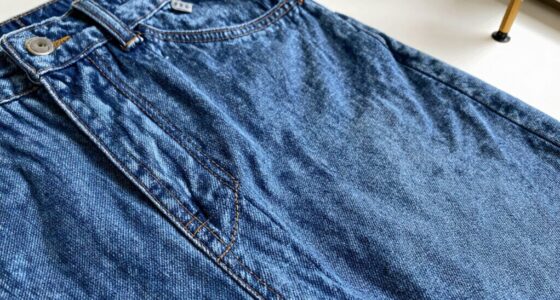
Choosing the right adhesive for your project depends heavily on the materials you’re working with. Your fabric choice plays a vital role; some fabrics absorb glue differently or may be sensitive to certain adhesive types. For example, lightweight or delicate fabrics like silk require gentle adhesives that won’t damage fibers, while heavier fabrics like denim can handle stronger glues. Understanding different adhesive types—such as hot glue, fabric glue, or spray adhesives—helps you select the best option. Hot glue provides quick bonds but may be too rigid or cause burns. Fabric-specific glues are flexible and washable, ideal for clothing projects. Always consider your fabric’s texture, weight, and purpose before choosing an adhesive to make certain your DIY project turns out sturdy and professional-looking. Additionally, adhesive compatibility is essential to ensure the glue bonds properly without damaging your materials.
Temporary Versus Permanent
Are you wondering if a glue baste is the right choice for your project? If you’re aiming for a permanent bonding, a glue baste might not be your best option, as it’s better suited for temporary fixes. Consider whether you need a quick, removable hold or something that lasts long-term. Additionally, understanding adhesive durability can help determine if a glue baste will meet your project’s needs. You should weigh these points: – Use a glue baste for temporary fixes, not permanent bonding. – For long-lasting results, opt for stronger adhesives designed for durability. – Think about future adjustments or disassembly—if you might need to redo it, a glue baste is ideal. Proper adhesive selection is essential to ensure your project’s success and longevity. Moreover, knowing the types of adhesives can help you choose the most appropriate one for your specific needs. In short, if permanence matters, don’t rely solely on a glue baste; choosing the right permanent adhesive ensures a lasting bond.
When Should You Use a Glue Baste? Projects That Benefit Most
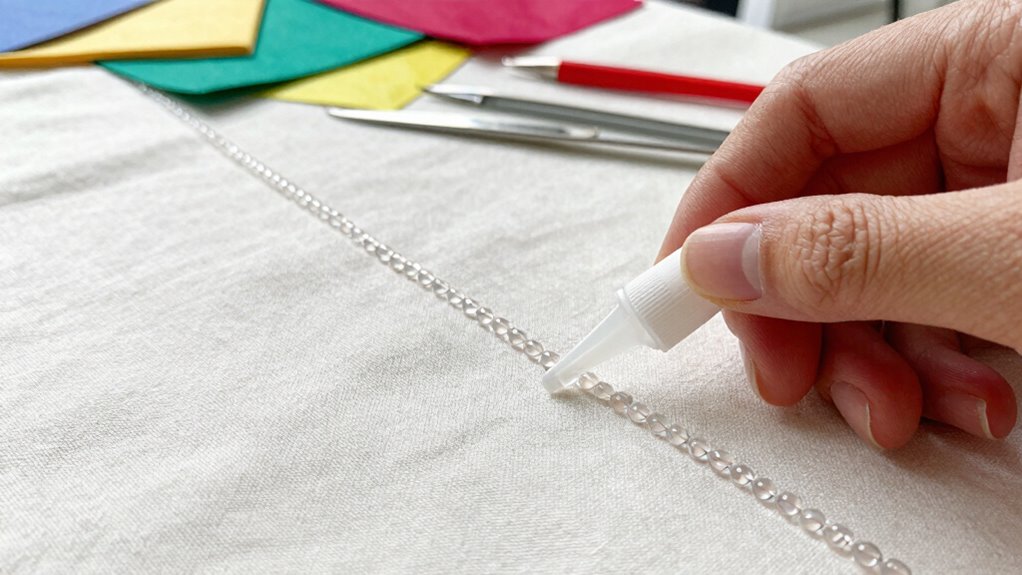
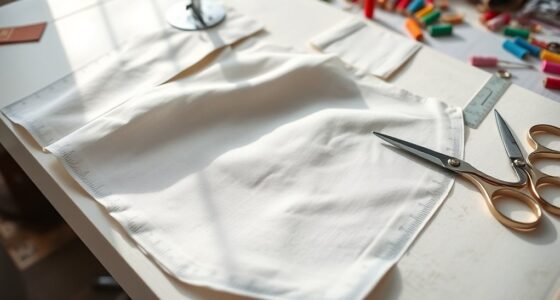
A glue baste works best when you need a quick, controlled way to hold fabric layers together temporarily, especially during intricate sewing or quilting projects. It’s ideal for delicate fabrics like silk or chiffon that may shift easily, or heavy materials like denim that require extra stability. Ensuring glue compatibility is vital—use a fusible or fabric-safe adhesive to prevent staining or damage. Projects such as appliqué, complex quilting patterns, or layered garment details benefit from a glue baste because it keeps pieces in place without pins or pins that could distort fabric. This method saves time and offers precision, making it perfect when precision matters most and you want to avoid shifting during stitching. Just confirm your fabric types and glue compatibility beforehand for best results.
How Do You Apply a Glue Baste Correctly? Step-by-Step Guide
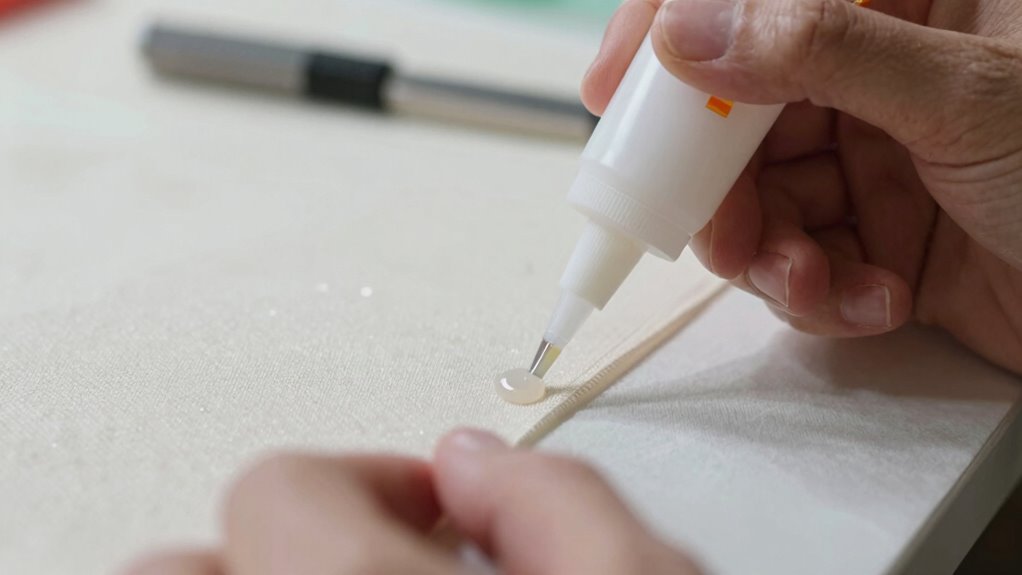
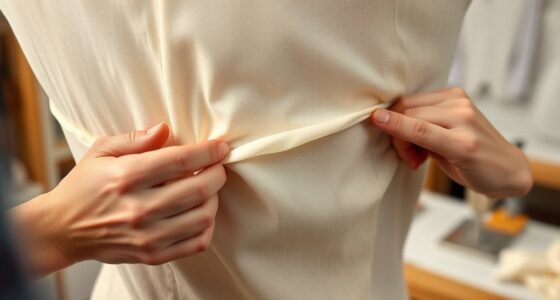
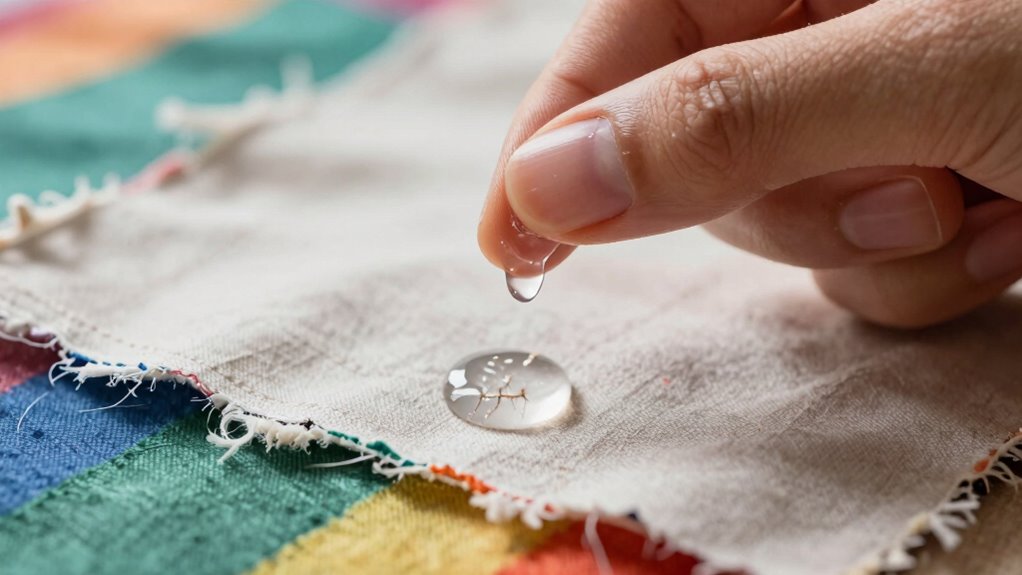
Applying a glue baste correctly guarantees your fabric pieces stay in place without shifting during sewing. To do this effectively, start by choosing the right fabric—smooth, stable fabrics work best. Then, follow these steps:
- Use a thin, even layer of glue along the edges or seam line.
- Press the fabric pieces together gently, ensuring proper alignment.
- Allow sufficient drying time before sewing, usually a few minutes, depending on the fabric choice and glue type.
- Remember, proper application techniques are essential to avoid puckering or stiffness and to maintain fabric flexibility.
- Consistent adhesive application helps prevent uneven bonding and ensures a professional finish.
- For optimal results, consider project management support and advice from experienced professionals to refine your technique.
- Being mindful of drying time is crucial; rushing can cause shifting or puckering.
- Understanding adhesive properties can help you select the best glue for your specific fabric and project, ensuring better results.
Pay close attention to drying time; rushing can cause shifting or puckering. Avoid over-applying glue, which can seep through and create stiffness. Proper application ensures your pieces stay secure without compromising the fabric’s flexibility or finish.
How Can You Tell If a Glue Baste Might Fail? Warning Signs to Watch For
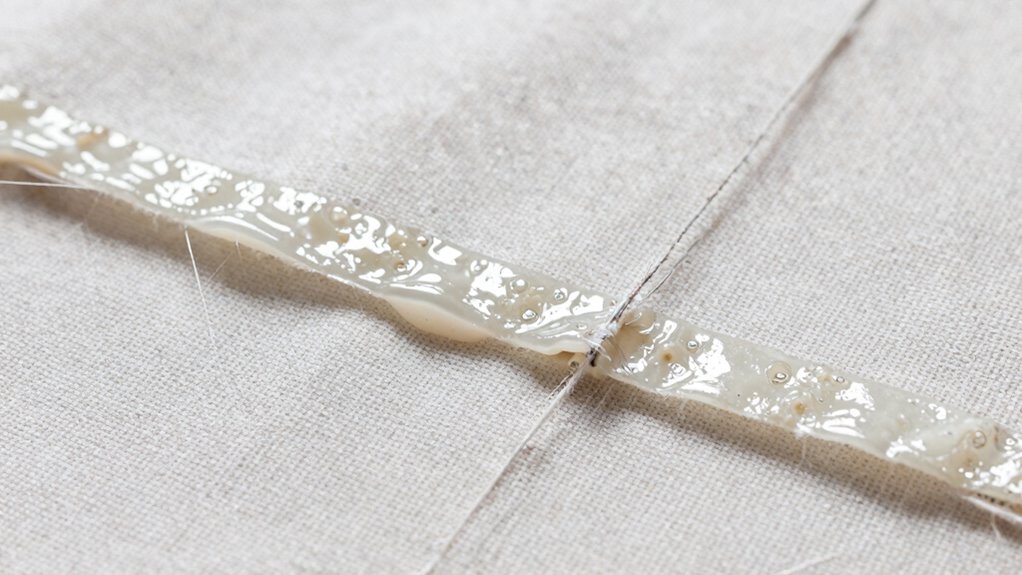
Even when you follow proper application techniques, a glue baste can still fail if you don’t watch for warning signs. One key indicator is uneven or inconsistent adhesive durability; if the glue doesn’t hold firmly across the fabric, it’s a sign the bond may weaken over time. Pay attention to fabric compatibility—if the glue causes the fabric to pucker, stain, or react negatively, it’s likely to fail prematurely. Changes in texture or color after drying also suggest poor adhesion or incompatible materials. Additionally, if the glue peels or bubbles after several wears or washes, it’s a clear warning sign the baste isn’t durable enough. Recognizing these signs early helps you decide whether to reinforce or redo the job before it becomes a bigger disaster. Monitoring adhesion quality can help ensure the longevity and safety of your repair or application. Being aware of glue properties such as flexibility and strength is essential for successful results. Understanding material compatibility ensures the adhesive bonds properly without causing damage or failure over time. Moreover, paying attention to manufacturer instructions can prevent many common issues related to improper application or curing.
Common Mistakes That Can Ruin Your Glue Baste Job
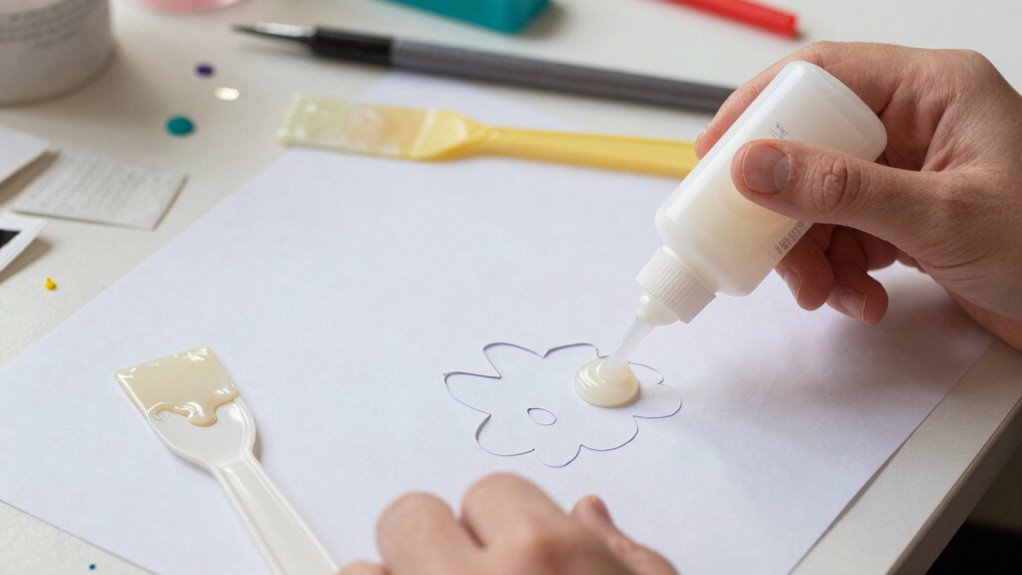
One common mistake that can ruin your glue baste job is not preparing the fabric properly before applying the adhesive. If the fabric frays easily or isn’t clean, the glue may not adhere well, leading to glue mishaps. To avoid this, ensure your fabric edges are neat and secured. Also, skip using too much glue, which can cause seepage and mess. Additionally, rushing the drying process can weaken the bond. Ensuring a proper sleep routine for your fabric can also improve adhesive effectiveness.
Proper fabric prep and patience prevent glue mishaps and ensure a strong, neat bond.
- Failing to stabilize fraying edges before gluing
- Applying excess glue, leading to seepage and mess
- Not waiting long enough for the glue to dry properly
These mistakes can compromise your project, causing uneven bonding or even failure of the glue baste. Proper preparation and patience are key to avoiding common pitfalls.
What Are the Best Alternatives to a Glue Baste? Seamless Finish Options
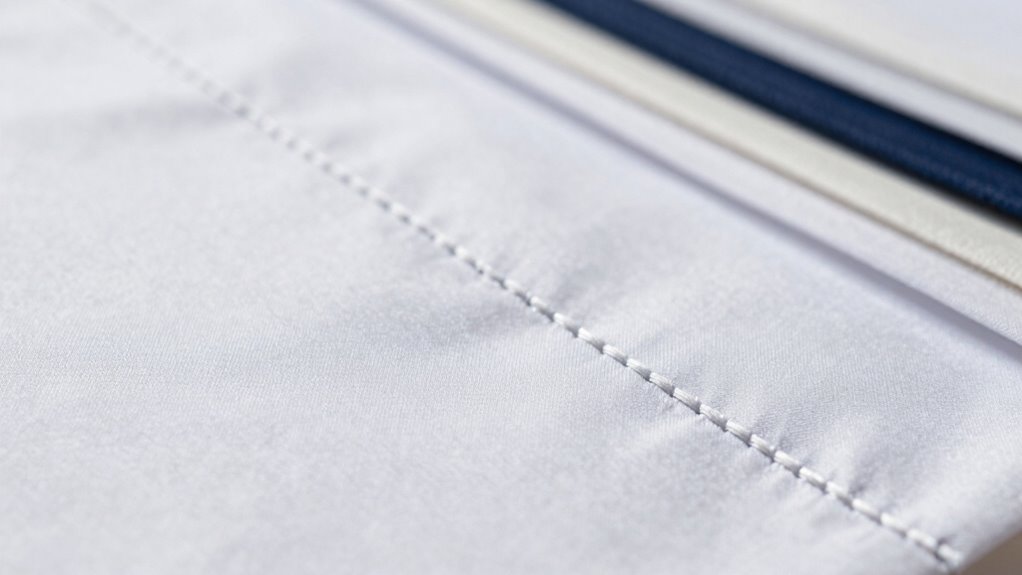
When you want a seamless finish without the mess of glue baste, there are several effective alternatives to consider. One option is using fusible webbing, which offers strong adhesion and clean edges, especially when your fabric selection includes cotton or lightweight materials. Double-sided tape designed for sewing projects is another choice; it’s quick, easy, and compatible with most fabrics, provided you check adhesive compatibility beforehand. For a more permanent solution, consider hand or machine sewing with fine stitches, which ensures durability without any sticky residue. Additionally, fabric glue sticks formulated for textiles can provide a neat finish, but only if they are compatible with your fabric choice. Always test adhesive compatibility before committing to a specific method to achieve a flawless, mess-free result.
Real-Life Successes and Failures With the Glue Baste
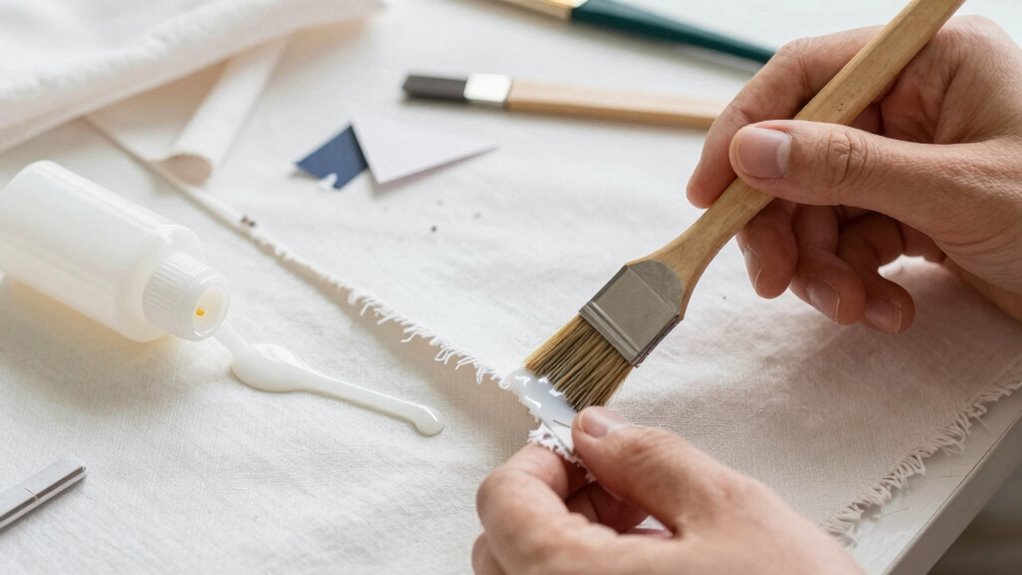
Many crafters have found the glue baste to be a convenient method for temporarily holding fabric pieces, but its success often depends on the project and materials used. Some have experienced great results, especially with lightweight fabrics or short-term projects, praising its speed and ease. However, others have faced failures when the glue didn’t hold long-term or caused fabric stiffness.
Glue basting works well short-term, but long-term success depends on fabric type and glue quality.
- Using fabric alternatives like spray adhesives or temporary spray starch can improve long term durability.
- For projects needing lasting hold, glue basting might not be ideal, and sewing or pinning may be better.
- Success largely depends on the fabric type, glue quality, and how well you prepare the surfaces.
Choose carefully based on your project’s needs to avoid disappointment.
Final Tips: Deciding When to Use a Glue Baste and How to Maximize Results

Deciding whether to use a glue baste depends on your project’s specific needs and the materials involved. To maximize results, consider surface compatibility—ensure the adhesive works well with your materials to prevent future issues. Using a glue baste can enhance adhesive longevity when applied correctly, but it’s not suitable for all surfaces or projects. Test compatibility first, especially with delicate or porous materials. Apply a thin, even layer to avoid excess that can weaken the bond or create messes. For best results, allow sufficient drying time and follow manufacturer instructions. Keep in mind that a well-chosen glue baste can improve durability, but misuse may lead to failure. Use it selectively, and always evaluate your project’s requirements to decide if it’s the right solution.
Frequently Asked Questions
Can a Glue Baste Be Used on All Types of Fabrics?
No, a glue baste isn’t suitable for all fabrics. You need to verify fabric compatibility because some glue types can damage delicate materials like silk or lace. For sturdy fabrics like denim or canvas, most glues work well, but for sensitive fabrics, choose a gentle, washable glue. Always test on a small area first to prevent disasters and ensure the glue holds without harming the fabric.
How Long Does a Glue Baste Typically Last?
A glue baste typically lasts around 24 to 48 hours, depending on fabric and drying time. Notably, a well-applied glue basted seam can hold for multiple sewing projects, offering good longevity. To maximize its lifespan, ensure the glue dries completely before handling or sewing. Keep in mind, factors like fabric type and environmental conditions can influence how long the glue basted hold remains reliable.
Is There a Way to Remove Excess Glue After Applying a Baste?
To remove excess glue after applying a baste, you should act quickly before it dries completely. Use a damp cloth or sponge for glue cleanup, gently wiping away the excess. For stubborn spots, a bit of rubbing alcohol can help. Always work carefully to avoid smudging your project. Remember, prompt removal makes your finished piece look neat and professional.
Can a Glue Baste Be Reapplied if Needed?
You can reapply a glue baste if needed, but it’s tricky. While the initial glue might still have some strength, reapplication can weaken overall adhesion or cause uneven sticking. If you want a stronger bond, make sure the original glue is still tacky and lightly sand or clean the surface first. Remember, reapplying too many times can compromise glue strength, so use it wisely for the best results.
Are There Safety Precautions to Consider When Using Glue as a Baste?
When using glue as a baste, you should take safety precautions seriously. Keep it away from flammable hazards, as many glues are flammable. Also, avoid skin contact risks by wearing gloves and working in a well-ventilated area. Always read the label for specific safety instructions, and wash your hands thoroughly afterward. These steps help prevent accidents and guarantee safe, successful crafting.
Conclusion
Ultimately, knowing when to use a glue baste can save you from biting off more than you can chew. If you follow the right steps and watch for warning signs, it can be a handy shortcut. But don’t rush in blindly—sometimes it’s better to play it safe than to regret rushing to the finish line. Remember, a stitch in time saves nine, so choose wisely and let your projects turn out just the way you want them to.