To achieve a perfect fit, start by choosing high-quality fabric that matches your style and comfort needs, like wool for a polished look or cotton for casual wear. Next, work with an expert tailor to make precise adjustments to your shoulders, waist, and sleeves, ensuring your suit contours your body. Proper pressing and ongoing tweaks keep your look sharp over time. Want to discover more pro tricks? Keep going, and you’ll uncover all the tailoring secrets to elevate your style.
Key Takeaways
- Prioritize expert tailoring techniques like shoulder, waist, and sleeve adjustments for a flawless silhouette.
- Choose high-quality fabrics that complement your body shape and suit your style for better fit and longevity.
- Use precise measurements and fittings to identify areas needing tweaks before finalizing the garment.
- Incorporate subtle details such as lapel width and pocket placement to enhance overall proportion and style.
- Maintain your tailored pieces through regular pressing and professional adjustments to keep them looking sharp over time.
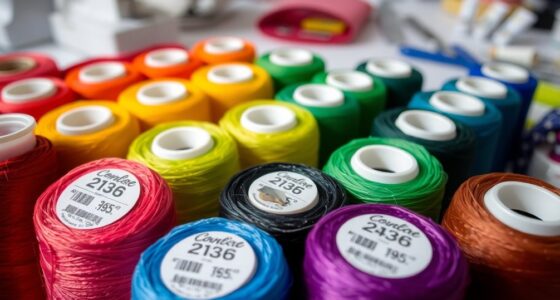
Have you ever wondered what sets a perfectly tailored suit apart from off-the-rack options? It all starts with the right fabric selection. When you choose high-quality fabric, you’re investing in a garment that not only looks better but also feels more comfortable and ages gracefully. The texture, weight, and drape of the fabric play vital roles in the final appearance. For a classic look, opt for wool or wool-blend fabrics—they’re breathable, durable, and naturally resistant to wrinkles. If you’re after something more casual, cotton or linen can work well, but keep in mind they may require more careful handling. The fabric’s color and pattern also matter; subtle pinstripes or solid hues tend to look more polished, while bolder patterns can make a statement but might limit versatility.
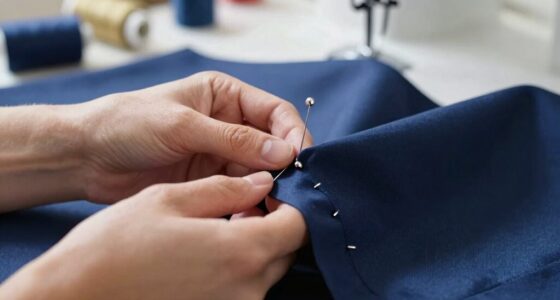
Once you’ve selected the fabric, the next key to a perfect fit lies in expert alteration techniques. No matter how beautifully the fabric looks, it’s the tailoring that ensures the suit complements your body shape. Proper alterations focus on details like adjusting the shoulder seams, taking in or letting out the waist, and refining the length of sleeves and trousers. Skilled tailors use specific techniques, such as darting or seam pressing, to contour the fabric precisely to your measurements. These techniques help eliminate excess fabric or gaps, giving you a clean, streamlined silhouette. For the jacket, they might add or remove padding or tweak lapel widths to enhance your natural proportions. When it comes to trousers, alterations like adjusting the rise or tapering the legs make a noteworthy difference in comfort and style.
A tailored suit isn’t just about the initial fit—it’s about the ongoing refinement. Quality tailors use pressing and seam-stitching techniques that keep the lines crisp and professional-looking over time. They understand how different fabrics respond to these techniques and adjust their approach accordingly. For example, delicate fabrics require gentler handling, while thicker materials may need more sturdy stitching. Remember, a well-made suit is an investment, and paying attention to these alteration techniques ensures you get the most out of your clothing.
Ultimately, the secret to a perfect fit hinges on thoughtful fabric selection and expert tailoring. When you combine the right materials with precise alterations, you’ll achieve a look that’s not just stylish but also uniquely yours. It’s about making small adjustments that considerably elevate your appearance, confidence, and comfort. Tailoring isn’t just a craft; it’s a way to express your personal style with sophistication and finesse.
Frequently Asked Questions
How Long Does a Typical Tailoring Process Take?
A typical tailoring process takes about one to two weeks, depending on the complexity and the fabric’s durability. You’ll want to allow extra time if you’re following current style trends or choosing specialty fabrics that may require special handling. Quick turnarounds are possible, but for the best fit and quality, plan ahead. This way, you guarantee your garment aligns with both your style preferences and durability needs.
What Materials Are Best for Alterations?
Think of your garment as a story woven in fabric, and the right materials are its chapters. For alterations, choose fabrics like wool, cotton, or silk, which respond well to shaping and stitching. These fabric types are resilient and easy to work with using alteration techniques like taking in seams or adjusting hems. They’ll guarantee your clothes fit perfectly, like a story that’s been beautifully tailored to your unique shape.
How Do I Choose the Right Tailor?
You should choose a tailor based on their expertise with fabric selection and fitting techniques. Look for someone with a strong reputation and positive reviews, especially for the type of fabric your garment requires. Ask to see their portfolio or previous work, and verify they communicate clearly about what’s possible. A skilled tailor will understand how to work with different fabrics and execute precise fittings for a perfect, comfortable fit.
Can Tailoring Fix Structural Flaws in Clothing?
Yes, tailoring can fix structural flaws in clothing. You should focus on fabric quality because high-quality fabrics respond better to alteration techniques. Skilled tailors can adjust hems, take in or let out seams, and reinforce weak spots to improve fit and durability. Keep in mind, some flaws like poor construction might be harder to fix, but a good tailor will assess your garment and suggest the best alteration techniques for a more polished look.
What Is the Cost Range for Custom Fittings?
Custom fittings typically cost between $50 and $300, depending on fabric selection and complexity. You can choose luxurious fabrics or simpler materials, impacting pricing strategies. When planning your budget, consider how fabric quality influences the overall cost. A skilled tailor offers personalized service, ensuring a perfect fit, but be prepared for variation in pricing based on the fabric and detail level you desire.
Conclusion
So, after all these tips, you’d think nailing the perfect fit would be simple. Yet, here you are, still chasing that elusive sewing fairy. Ironically, the secret to a flawless fit isn’t just in knowing the tricks, but in trusting someone else to do the heavy lifting. Next time your jacket feels off, remember: sometimes, the best tailor is just a stitch away—and you don’t even have to lift a finger.