Ease in design means creating interfaces and products that feel natural, comfortable, and effortless for users. It’s often overlooked as a key measure, causing mismatches between what you build and what users really need or can handle. When you ignore ease, users struggle, become frustrated, or abandon your product altogether. To avoid this, you need to measure and prioritize ease effectively. Continue exploring to understand how paying attention to ease can improve your success.

Get business pricing on tools and workshop supplies
- Business-only prices and quantity discounts
- Tax-exempt purchasing
- Multiple users, one account, clear invoices
Key Takeaways
- Many designs overlook the true user effort involved, focusing only on task completion rather than measuring physical and cognitive ease.
- Without clear, consistent metrics for ease, organizations miss critical insights, leading to mismatched products that don’t fit user needs.
- Ignoring ergonomic and aesthetic factors in measuring ease results in discomfort and dissatisfaction, causing users to abandon the product.
- Failing to gather user feedback prevents understanding of real-life challenges, making it impossible to improve the fit and usability effectively.
- Neglecting to regularly assess ease and fit leads to persistent issues, costly redesigns, and a disconnect between design and user expectations.
As an affiliate, we earn on qualifying purchases.
What Does Ease Really Mean in Design?

Ease in design refers to how effortlessly users can interact with a product or interface. It’s rooted in ergonomic principles, ensuring that every element fits naturally with how people move and think. When a design follows these principles, users don’t struggle to find buttons or understand functions; instead, they experience smooth, intuitive interactions. Aesthetic balance also plays a pivotal role, creating a clean, visually pleasing layout that guides your eye effortlessly across the interface. If a design maintains harmony between elements—colors, shapes, spacing—it reduces confusion and cognitive load. Additionally, monitoring social media for giveaways and contests can introduce elements of surprise and delight, enhancing the overall user experience. Incorporating performance cookies helps optimize loading times and responsiveness, contributing to a seamless experience. Consistent layout and predictable navigation further support users in accomplishing their goals without frustration. Incorporating feedback mechanisms allows designers to continuously improve the interface based on user input. Ultimately, ease in design means crafting an experience where users feel comfortable, confident, and unburdened, making their interaction seamless and enjoyable. This effortless flow is the core of effective, user-centered design. Additionally, incorporating energy-efficient cloud solutions can further enhance user experience by ensuring fast, reliable access with minimal environmental impact.
Why Ease Is Crucial for User Satisfaction

When users find an interface intuitive and simple to navigate, they’re more likely to feel satisfied and confident in their experience. Ease reduces frustration and encourages continued engagement. Ergonomic considerations play a crucial role here; a design that fits naturally into how people move and interact minimizes effort and discomfort. Aesthetic harmony also enhances simplicity by creating a visually pleasing environment that guides users effortlessly. When these elements work together, users can focus on their tasks without distraction or confusion. This sense of flow boosts overall satisfaction and builds trust in the product. Prioritizing usability and ease ensures that users feel comfortable, confident, and motivated to keep using your interface, leading to a more positive and lasting relationship. Incorporating user experience principles from the Gold IRA market can help optimize the interface for better clarity and efficiency. Additionally, considering adaptive lighting and other smart home features can enhance the overall user experience by creating environments that respond seamlessly to user preferences. Understanding how sound vibrations influence perception can further refine how interfaces deliver feedback, making interactions more natural and engaging. Recognizing the importance of ergonomic design in the overall user experience can also prevent fatigue and discomfort during extended use.
Common Mistakes When Ignoring Ease

When you overlook ease, you risk frustrating users by ignoring their effort and learning curves. Ignoring task complexity can make processes seem overwhelming or confusing. These mistakes can lead to lower satisfaction and decreased engagement. Incorporating user-friendly solutions can greatly improve the experience and help prevent these issues. Additionally, understanding contrast ratio and its impact on image quality can simplify decision-making for users choosing the right projector. Recognizing ease of use as a critical factor can help design better, more accessible systems that accommodate diverse needs. Moreover, considering intuitive design ensures that technology remains approachable for all users, reducing the learning curve and increasing adoption. Paying attention to usability testing can further identify potential barriers before deployment, ensuring seamless user experiences.
Overlooking User Effort
Many designers overlook user effort, assuming users will adapt regardless of how complicated or unintuitive a product is. This mindset ignores how vital ergonomic design and aesthetic appeal are to ease. When effort isn’t minimized, users face frustration, slower task completion, and a sense of incompetence. Consider these pitfalls:
- Ignoring physical strain—poor ergonomic design leads to discomfort and fatigue.
- Sacrificing simplicity for looks—aesthetic appeal becomes pointless if users struggle to navigate.
- Forcing unnecessary steps—adding complexity makes tasks seem intimidating and discourages use.
- Neglecting the importance of intuitive design—it can significantly impact user satisfaction and success.
- Additionally, failing to consider user effort in product development can result in decreased engagement and higher abandonment rates. Understanding the role of AI Ethicist Jobs highlights how crucial ethical considerations are to user trust and overall ease of use.
Ignoring Learning Curves
Overlooking how users learn to navigate your product can lead to significant frustration. Ignoring learning curves means you underestimate the time and effort users need to adapt. When you fail to consider user adaptation, your product may seem harder than it actually is, discouraging continued use. People often assume ease from the start, but learning curves reveal how initial difficulty diminishes over time. By neglecting this, you risk designing interfaces that don’t support gradual mastery or provide adequate onboarding. Recognizing the importance of learning curves helps you create smoother transitions, reducing user frustration and improving overall experience. Remember, ease isn’t static; it evolves as users become more familiar. Understanding user adaptation is key to designing more intuitive products. Failing to consider this can lead to misjudging your product’s true user-friendliness, especially when it comes to body piercing jewelry and aftercare processes. Additionally, learning curve management can significantly impact user retention and satisfaction, especially when considering how vetted lifestyle products aim to enhance daily routines efficiently.
Neglecting Task Complexity
Neglecting task complexity can lead you to underestimate how difficult certain actions are for users, which often results in overly simplistic designs that don’t match real user needs. When you ignore task complexity, you risk misjudging the true user effort required, making tasks seem easier than they are. This oversight can cause frustration and drop-offs, as users struggle with hidden challenges. Additionally, failing to consider Suprem fabric’s durability and versatility can lead to incomplete solutions that don’t fully address user concerns. Recognizing the AI-powered personalization in user experiences can help tailor designs that better accommodate varying levels of task difficulty.
Key Factors That Affect Fit and Comfort

The fit and comfort of a product depend on several key factors that directly influence how well it adapts to your body. Ergonomic design plays a essential role by ensuring the product supports your natural movements and minimizes strain. Proper alignment reduces discomfort and enhances usability. Aesthetic considerations also matter; a visually appealing design can boost your confidence and satisfaction, making the product more inviting to wear or use. Materials and construction quality further influence comfort, affecting breathability and flexibility. Fit adjustments, such as sizing options or customizable features, help tailor the product to your unique shape. Ultimately, understanding these factors helps you choose products that not only look good but also feel good, ensuring long-term comfort and proper fit.
How to Measure Ease Effectively

To measure ease effectively, you need to set clear criteria that define what ease means for your specific context. Consistent metrics help guarantee your evaluations stay objective and comparable over time. By establishing these standards, you can accurately assess how well your designs or processes meet ease expectations.
Establish Clear Criteria
Establishing clear criteria is essential for accurately measuring how easy a process or product truly is. Without specific standards, your assessment becomes vague and unreliable. To evoke genuine understanding and confidence, consider these key points:
- Aesthetic appeal: Does the design feel intuitive and pleasing, encouraging users to engage effortlessly?
- Technical feasibility: Can the solution be implemented smoothly within existing constraints without unnecessary complexity?
- User satisfaction: Will users find the experience straightforward, reducing frustration and increasing adoption?
Use Consistent Metrics
Using consistent metrics is key to accurately evaluating how easy a process or product truly is. To do this effectively, incorporate ergonomic principles that prioritize user comfort and minimize effort, ensuring the experience feels natural. Don’t forget aesthetic considerations—they influence perception and can enhance or hinder perceived ease. When measuring ease, use clear, repeatable metrics such as task completion time, error rates, or user satisfaction scores. Avoid mixing different evaluation methods, as inconsistent metrics lead to confusing results. By maintaining uniformity in your measurements, you create a reliable basis for comparison and improvement. This consistency helps identify real issues versus superficial ones, allowing you to refine design elements rooted in ergonomic and aesthetic factors that genuinely enhance user ease.
Real-Life Examples: When Ease Makes a Difference
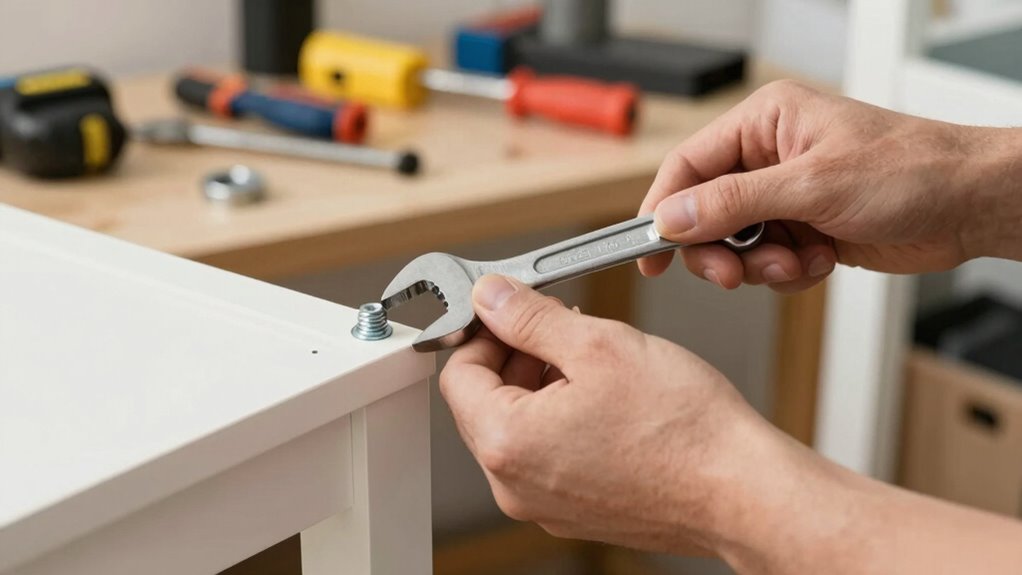
Have you ever experienced how a simple change can make a task feel effortless? That’s the power of understanding ease in real life. For example, when designing a website, usability metrics show that reducing clicks improves user satisfaction. Similarly, ergonomic considerations in office furniture can drastically decrease fatigue, boosting productivity. Consider these moments:
- An ergonomic chair that supports your back, making long work hours comfortable.
- A one-touch coffee machine that saves time and frustration.
- Streamlined checkout screens that eliminate confusion, increasing sales.
These examples reveal how small adjustments, driven by ease, impact daily experiences. By focusing on usability metrics and ergonomic considerations, you create environments where tasks become smoother, less stressful, and more natural. Ease truly transforms ordinary interactions into effortless routines.
Tips to Improve Ease and Achieve Better Fit

To improve ease and get a better fit, start by refining your measurement techniques to guarantee accuracy. Always keep user comfort in mind, making adjustments that prioritize how it feels during use. By focusing on these areas, you’ll create a more seamless and comfortable experience.
Adjust Measurement Techniques
Adjusting measurement techniques can make a significant difference in achieving the right fit and ease. To do this, focus on precise measurement calibration and ergonomic adjustments. Small tweaks can open greater comfort and prevent discomfort down the line.
Consider these tips:
- Use reliable tools and double-check measurements to guarantee accuracy, avoiding guesswork.
- Make ergonomic adjustments based on your body’s unique shape—don’t rely on generic standards.
- Regularly reassess your measurements as your body or project needs change, maintaining ideal fit.
Prioritize User Comfort
Prioritizing user comfort is essential for achieving the best fit and ease in your design or setup. Focus on ergonomic design principles that support natural movement and reduce strain, making your setup more comfortable for everyday use. An ergonomic approach not only enhances comfort but also contributes to better productivity and well-being. Additionally, consider aesthetic appeal, ensuring your design looks pleasing while remaining functional. When comfort and style work together, users are more likely to engage with and enjoy the setup. Test different configurations to find what feels most natural and supportive. Remember, a comfortable design encourages longer use and greater satisfaction, ultimately leading to a better fit and a more seamless experience.
Why Ease Gets Overlooked: and How to Prioritize It

Many people overlook ease because they often equate productivity with complexity or effort. But neglecting ease harms user experience and aesthetic balance, making interactions frustrating. When you prioritize ease, you create a seamless flow that feels natural and inviting.
Consider these emotional impacts:
- Frustration turns into satisfaction as tasks become effortless.
- Confidence grows when users feel in control, not overwhelmed.
- Loyalty strengthens because smooth experiences foster trust.
To prioritize ease, focus on simplifying processes, reducing unnecessary steps, and designing with clarity. Remember, a balanced aesthetic isn’t just pretty—it guides users intuitively. When you put ease first, you craft experiences that resonate deeply and stand out.
How Improving Ease Boosts Long-Term Success

When you focus on making interactions easier, you set the stage for sustained success over time. Improving ease perception reduces accessibility barriers that can frustrate users or customers, encouraging continued engagement. When tasks are straightforward and intuitive, people are more likely to return and recommend your product or service. Addressing ease perception also builds trust, as users feel confident they can navigate your offerings without struggle. Over time, this creates a positive feedback loop: easier experiences lead to increased loyalty, more consistent usage, and better word-of-mouth. By prioritizing ease, you’re not just removing immediate friction—you’re investing in long-term growth and stability. Making things simpler today ensures your success scales and endures well into the future.
Quick Checklist: Prioritize Ease in Your Projects
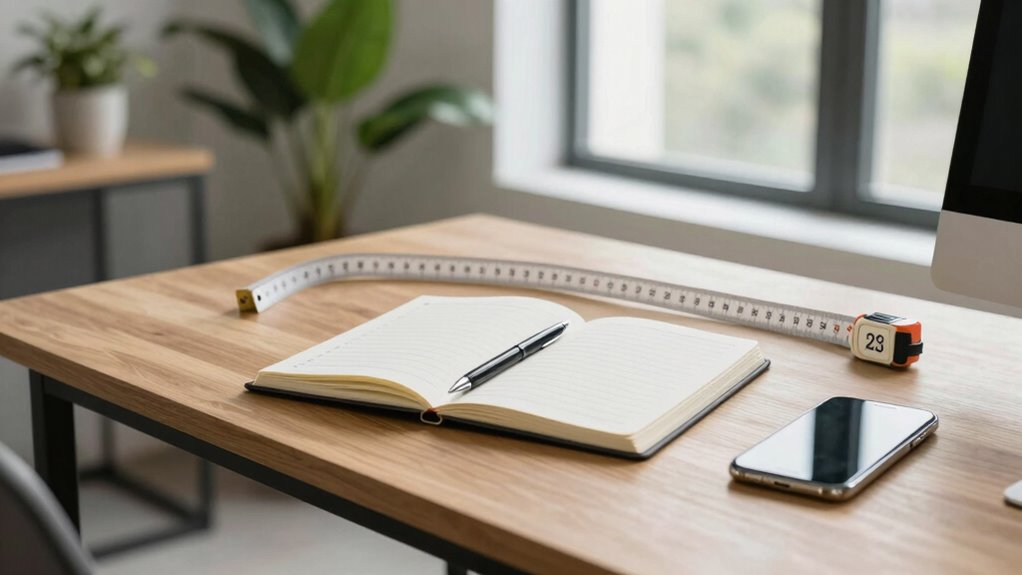
To effectively prioritize ease in your projects, start with a clear, actionable checklist that addresses key areas influencing user experience. Focus on usability metrics and actively seek user feedback to identify pain points and opportunities for improvement.
Here’s a quick checklist to guide you:
- Measure usability metrics regularly to track how users interact with your project and identify friction points.
- Gather and analyze user feedback to understand their frustrations and preferences firsthand.
- Simplify workflows based on insights, making tasks more intuitive and reducing cognitive load.
Frequently Asked Questions
How Does Ease Influence Overall Product Longevity?
Ease greatly influences your product’s longevity by enhancing usability simplicity and user comfort. When a product is easy to use, you’re less likely to guarantee it or seek quick replacements, reducing wear and tear. Comfortable, straightforward designs encourage consistent use, preventing damage from misuse or frustration. Ultimately, prioritizing ease assures your product remains functional longer, saving you money and effort while keeping you satisfied with its performance over time.
Can Ease Be Quantified Objectively in Design?
Yes, ease can be quantified objectively in design through usability metrics and user comfort assessments. You measure how intuitive a product is by tracking task completion times, error rates, and user satisfaction scores. These metrics provide tangible data, allowing you to compare designs and improve ease systematically. By focusing on usability metrics and user comfort, you turn subjective impressions into concrete evidence, making ease a measurable, actionable aspect of your design process.
What Industries Most Overlook Ease in Their Products?
You often find that industries like software, automotive, and consumer electronics overlook ease in their products. When they neglect user experience, customer satisfaction drops because users struggle with complex interfaces or complicated features. If you focus on ease, you enhance usability and foster loyalty. Prioritizing simplicity makes products more intuitive, ensuring users enjoy a seamless experience and stay satisfied, ultimately boosting your brand’s reputation and success.
How Does Ease Impact User Retention Rates?
Ease acts like a gentle hand guiding users along a smooth river, reducing learning curves and preventing user frustration. When your product’s ease is high, users glide effortlessly, making them more likely to stay. Conversely, if it’s difficult, frustration builds like turbulent rapids, pushing users away. By prioritizing ease, you create a seamless experience that keeps users engaged, encouraging loyalty and boosting retention rates over time.
Are There Any Tools to Assess Ease During Development?
Yes, you can use tools like usability metrics and design simplicity assessments during development. These tools help you measure how intuitive and straightforward your design is, allowing you to identify areas that need improvement. By regularly evaluating usability metrics, you guarantee your product remains user-friendly, which boosts retention. Incorporating usability tests and simplicity benchmarks into your process makes it easier to create an engaging, easy-to-use experience for your users.
Conclusion
Remember, ease is the silent conductor guiding your design’s harmony. Ignoring it is like steering a ship blindfolded—sure to hit rough waters. By valuing and measuring ease, you transform your work into a perfectly fitting puzzle piece that users can’t put down. Prioritize it, nurture it, and watch your project sail smoothly into long-term success. Ease isn’t just a detail; it’s the secret ingredient to making your designs truly feel like they were made just for everyone.
Fall Picks
fall essentials
As an affiliate, we earn on qualifying purchases.