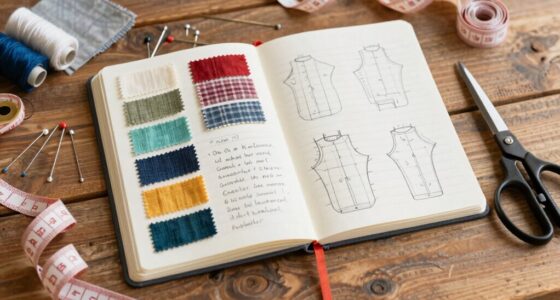

To plan seasonal sewing projects without burnout, start by making a list of upcoming projects and narrow it down to those that bring you joy and match your skill level. Develop a fabric palette ahead of time and break each project into manageable steps with deadlines. Use planning tools and deadlines to stay organized, and include fun projects for relaxation. Celebrate your progress along the way to keep motivation high. For more tips, you’ll find helpful strategies to keep your sewing both enjoyable and sustainable.

Get business pricing on tools and workshop supplies
- Business-only prices and quantity discounts
- Tax-exempt purchasing
- Multiple users, one account, clear invoices
Key Takeaways
- Prioritize enjoyable projects that match your skill level to maintain enthusiasm and prevent overwhelm.
- Break projects into small, manageable steps with realistic deadlines to avoid last-minute stress.
- Plan fabric choices and supplies in advance to streamline workflow and reduce last-minute shopping.
- Use planning tools like checklists or apps to track progress and stay organized throughout the season.
- Celebrate small milestones and balance main projects with fun ones to stay motivated and prevent burnout.

Planning seasonal sewing projects can be rewarding, but it’s easy to feel overwhelmed if you try to do too much at once. To keep your motivation high and avoid burnout, it’s essential to set clear priorities from the start. Begin by making a list of the projects you want to complete for the upcoming season, then narrow that list down to a manageable number. This way, you won’t overcommit yourself, and you’ll have a better chance of finishing what you start. When it comes to fabric selection, choose materials that suit the season and your existing wardrobe. Opt for fabrics that inspire you and align with your skill level, so you don’t get discouraged when the project becomes more challenging than expected. Having a well-thought-out fabric palette also prevents last-minute trips to the store, saving you precious time and reducing stress. Recognizing the importance of setting clear priorities can help you focus on what truly matters and prevent feeling overwhelmed. Additionally, understanding fabric suitability can ensure you select the best materials for each project, making the process more enjoyable. Being mindful of time management allows you to allocate your sewing hours more effectively, preventing last-minute rushes and missed deadlines. Incorporating planning tools such as checklists or digital apps can further streamline your project management and keep you on track. Time management plays a *vital* role in successful seasonal sewing. Break your projects into smaller, achievable steps and assign realistic deadlines to each one. Using a sewing calendar or planner can help you allocate your time efficiently, ensuring you’re not rushing to finish at the last minute. Be honest with yourself about how much time you can dedicate each week, and build in buffer periods for unexpected delays or additional adjustments. Prioritizing your projects based on importance and how much joy they bring you can help you stay motivated and focused. If certain projects are just for fun, schedule them for when you have extra time, rather than making them your main focus. Incorporating sewing tools and accessories that enhance your efficiency can make a significant difference in your overall experience. *Finally*, don’t forget to celebrate your progress along the way. Completing even small steps can boost your motivation and prevent the sense of burnout from taking hold. By managing your time carefully and choosing your fabrics thoughtfully, you’ll enjoy a fulfilling sewing season without the stress of overcommitment.
As an affiliate, we earn on qualifying purchases.
Frequently Asked Questions
How Do I Choose the Right Fabrics for Seasonal Projects?
To choose the right fabrics for seasonal projects, consider fabric durability to guarantee your pieces last through the season’s wear and tear. Also, match your fabrics to seasonal color palettes for a cohesive look. For summer, go lightweight and breathable fabrics in vibrant shades, while winter calls for thicker, warmer textiles in cozy hues. This thoughtful selection helps your projects stay stylish and functional all season long.
What Are Quick Sewing Projects for Busy Schedules?
Imagine slipping into a cozy, handmade pillowcase after a busy day—that’s the magic of quick sewing projects. To save time, use sewing hacks like pre-cut fabrics and straight-line stitching. Quick tips include making pillow covers, tote bags, or simple skirts. These projects fit busy schedules perfectly, giving you instant satisfaction without burnout. With a little planning, you’ll enjoy sewing more and creating beautiful, functional pieces in record time.
How Can I Incorporate Eco-Friendly Materials Into Seasonal Sewing?
You can incorporate eco-friendly materials by choosing sustainable fabric options like organic cotton, hemp, or Tencel for your seasonal sewing projects. Opt for eco-conscious sewing practices such as using biodegradable thread, repurposing fabric scraps, and avoiding excess waste. Additionally, support suppliers committed to sustainability. These steps help reduce your environmental impact while creating beautiful, seasonally appropriate garments that align with your eco-friendly values.
What Tools Help Streamline My Seasonal Sewing Workflow?
Tools that truly transform your sewing workflow include tidy fabric storage and clever pattern organization. Using labeled bins or clear containers keeps your fabrics visible and accessible, saving time. Digital pattern organizers or physical files help you find designs quickly, avoiding frustrating rummaging. These tools streamline your process, making seasonal sewing smoother and more enjoyable. With everything in order, you can focus on creating beautiful pieces without feeling overwhelmed or burnt out.
How Do I Handle Unexpected Project Delays or Setbacks?
When facing unexpected project delays or setbacks, you handle them by adapting your project management approach. Incorporate time buffering into your schedule to account for unforeseen issues. Stay flexible and reassess your timeline regularly, prioritizing tasks to stay on track. Communicate promptly if delays occur, and consider adjusting your goals or deadlines. This proactive management helps you maintain momentum and reduce stress, ensuring your seasonal sewing projects stay on course.
Conclusion
By thoughtfully planning your seasonal sewing projects, you prevent burnout and keep your passion alive. For example, imagine tackling a spring quilt after setting realistic goals and scheduling breaks—you’ll enjoy the process more and create something beautiful without feeling overwhelmed. Remember, pacing yourself and embracing flexibility turns sewing from a stressful chore into a fulfilling hobby. With mindful planning, each season becomes an opportunity for fresh creativity and satisfaction, not exhaustion.
Halloween Picks
halloween
As an affiliate, we earn on qualifying purchases.