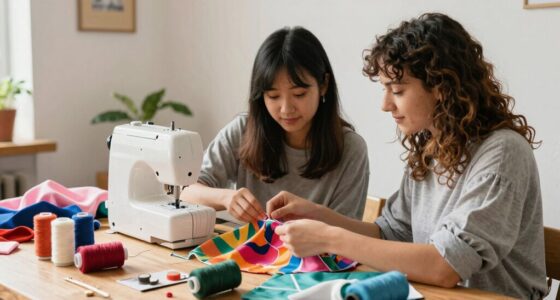
Most hobby sewists can comfortably set aside between $25 and $75 each month for supplies. This budget covers affordable fabrics like cotton or linen, notions, and tools, helping you stay organized and avoid overspending. By purchasing in bulk, shopping sales, and tracking expenses, you can enjoy your hobby without stressing about costs. Staying within this range helps keep sewing fun and sustainable; keep exploring for tips to make your budget work even better.

Get business pricing on tools and workshop supplies
- Business-only prices and quantity discounts
- Tax-exempt purchasing
- Multiple users, one account, clear invoices
Key Takeaways
- A typical sewing hobbyist might spend $50-$150 monthly on fabrics, notions, and tools, depending on project frequency.
- Prioritizing affordable fabrics like cotton and linen helps keep costs manageable and versatile.
- Organizing supplies and tracking expenses prevents overspending and promotes budget discipline.
- Shopping during sales, bulk purchasing, and leveraging online deals maximize savings.
- Setting a monthly or project-specific budget encourages sustainable, enjoyable sewing without financial stress.

Are you a hobbyist keen to plunge into sewing without breaking the bank? If so, establishing a realistic sewing budget is essential. It’s easy to get caught up in the excitement of new projects and buy every fabric and tool you see, but setting limits helps keep your hobby enjoyable and sustainable. Start by considering your fabric selection. Instead of splurging on expensive designer fabrics, focus on affordable options that still suit your project. Cotton and linen are versatile, budget-friendly choices, and buying in bulk or from discount fabric stores can significantly cut costs. Don’t forget to look for sales or clearance items—these can be gold mines for quality yet inexpensive fabrics. By curating your fabric selection wisely, you ensure you won’t overspend on materials you don’t really need, and you’ll build a collection of versatile fabrics suitable for a wide range of projects. Additionally, smart shopping strategies can help you find the best deals and stretch your sewing budget further.
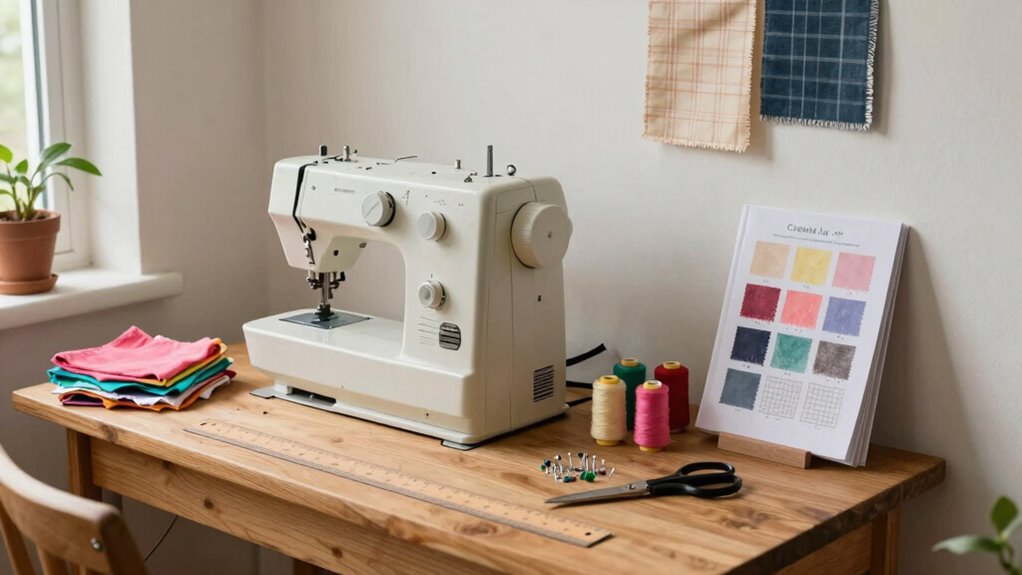
Another key aspect of managing your sewing budget is sewing room organization. When your workspace is tidy and well-organized, you waste less time and money searching for supplies or re-purchasing materials you already own. Invest in storage solutions like clear bins or drawer units for fabrics, notions, and tools. Label everything so you can quickly find what you need without rummaging through clutter. Keeping your sewing area organized also helps you evaluate what supplies you already have, preventing unnecessary purchases. For example, if you see you already have enough zippers or thread in your stash, you won’t spend extra money on duplicates. Plus, maintaining a neat space encourages you to plan projects ahead and stick to your budget, avoiding impulsive buys. Additionally, budget-conscious shopping can help you make smarter purchasing decisions and maximize your resources. To further enhance your budgeting efforts, being aware of cost-effective materials can help you select fabrics and notions that provide the best value for your money.
To keep your sewing budget realistic, set a monthly or project-based limit. This way, you can enjoy your hobby without financial stress. Keep track of your expenses in a simple spreadsheet or notebook, noting what you spend on fabric, notions, patterns, and tools. Over time, this will give you a clear picture of your spending habits and help you adjust accordingly. Remember, sewing doesn’t have to be expensive—by choosing affordable fabrics, organizing your space efficiently, and monitoring your expenses, you can enjoy making beautiful creations without overspending. With discipline and a strategic approach, your sewing hobby will stay fun, fulfilling, and budget-friendly.
affordable sewing fabric bundles
As an affiliate, we earn on qualifying purchases.
As an affiliate, we earn on qualifying purchases.
Frequently Asked Questions
How Can I Save Money on Sewing Supplies?
You can save money on sewing supplies by planning your sewing projects carefully, which helps avoid unnecessary purchases. Use fabric storage solutions like clear bins or hanging organizers to keep track of what you already have. Additionally, buy fabrics and supplies during sales or from thrift stores. By organizing your materials and planning ahead, you reduce waste and make smarter, budget-friendly choices for your sewing hobby.
What Budget Should I Allocate for Beginner Sewing Tools?
For beginner sewing tools, allocate around $50 to $100, focusing on essential items like scissors, needles, and a basic sewing kit. As you progress, invest in good sewing storage to keep your tools organized. Start with simple beginner project ideas like pillow covers or tote bags, which help you practice without overspending. This budget balances quality and affordability, setting you up for enjoyable, stress-free sewing experiences.
Do I Need a Separate Budget for Fabric Purchases?
Yes, you should set aside a separate budget for fabric purchases. As you organize your sewing room, consider storage solutions that keep fabrics neat and accessible. This way, you can easily track your fabric expenses without mixing them with your tool budget. Having a dedicated fabric fund helps you plan for new projects and prevents overspending, ensuring your sewing hobby remains enjoyable and financially manageable.
How Often Should I Upgrade My Sewing Machine?
You should consider upgrading your sewing machine when it begins to hinder your creativity or frequently needs repairs, despite regular sewing machine maintenance. Keep an eye on sewing machine warranties; if they are nearing expiration and repairs become costly, it might be time for a change. Upgrading guarantees you stay productive and enjoy smooth operation, avoiding frustration and maximizing your sewing experience. Regularly evaluating your needs helps determine the right time to switch.
Are There Affordable Alternatives to High-End Sewing Brands?
Yes, you can find affordable alternatives to high-end sewing brands through vintage brands and discount stores. Vintage sewing machines often offer reliable performance at lower prices, and discount stores or online marketplaces provide budget-friendly options. By exploring these alternatives, you can enjoy quality sewing equipment without overspending. Just make sure to check the condition and reviews before purchasing, ensuring your investment aligns with your hobby’s needs and your budget.
Conclusion
Creating a realistic sewing budget keeps your hobby enjoyable without breaking the bank. By prioritizing essential tools and gradually expanding your collection, you can sew more and spend less stressfully. Remember, it’s not about having everything all at once but about enjoying the process and improving over time. So, why not start small and watch your skills—and your stash—grow? After all, isn’t the best part of sewing the journey, not just the finished project?
Columbus Day / Indigenous Peoples' Day Picks
long weekend sales
As an affiliate, we earn on qualifying purchases.