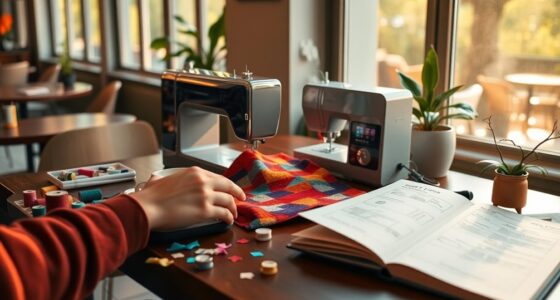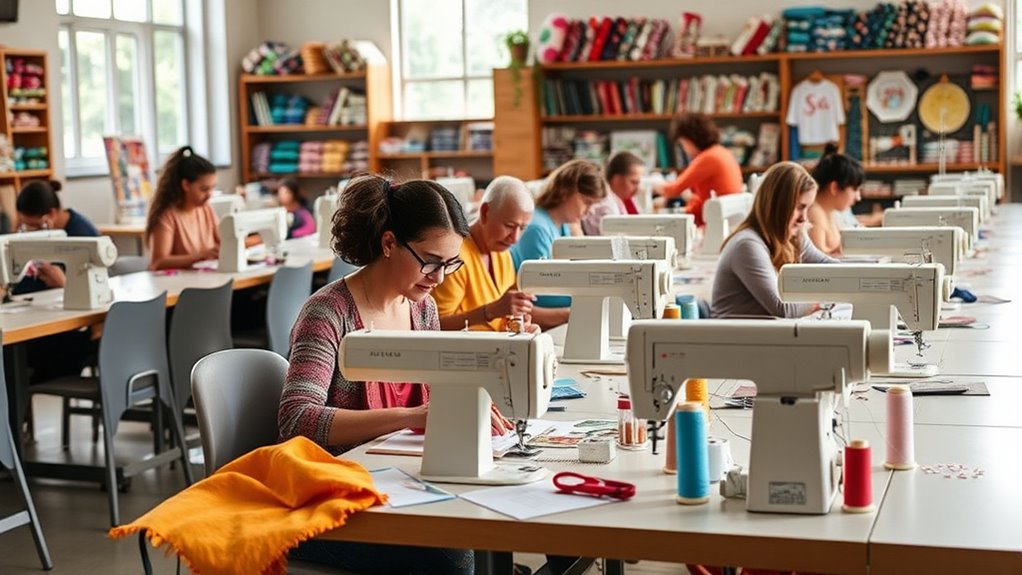

When attending a sewing workshop or retreat, you can expect hands-on learning, guidance from instructors, and a chance to connect with fellow sewists. Preparation is key: choose your fabrics, plan your project, and gather essential tools ahead of time to avoid stress and stay focused. Many workshops provide helpful materials or advice, making your experience more enjoyable. Keep an open mind and stay flexible—you’ll discover tips to enhance your sewing skills and have fun along the way.
Key Takeaways
- Proper preparation, including fabric selection and project planning, ensures a smoother, more enjoyable workshop experience.
- Bring essential tools and gather all materials in advance to prevent delays during the retreat.
- Understand the project’s goals and break it into manageable steps for better focus and productivity.
- Utilize instructor and peer guidance for fabric choices and troubleshooting throughout the workshop.
- Stay flexible and revisit your plan if feeling overwhelmed to enhance learning and enjoyment.

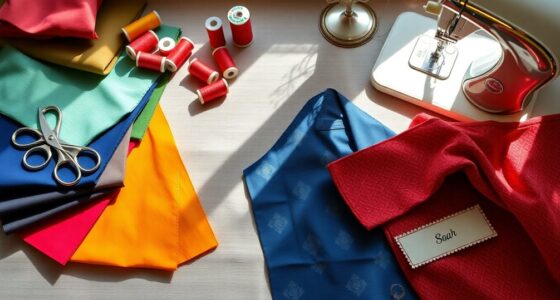
Whether you’re looking to improve your sewing skills or simply want to enjoy a relaxing weekend immersed in fabric and thread, a sewing workshop or retreat offers the perfect setting. When you arrive, you’ll notice that a lot of your success depends on your preparation beforehand, especially regarding fabric selection and project planning. Choosing the right fabric is vital because it influences the entire process, from cutting to finishing. Think about the project you want to tackle and consider fabrics that match its purpose and your skill level. If you’re uncertain, most retreats provide guidance or samples to help you select suitable fabrics on-site, but having a clear idea before you go can save time and reduce stress.
Proper preparation, including fabric selection and project planning, ensures a successful and enjoyable sewing workshop experience.
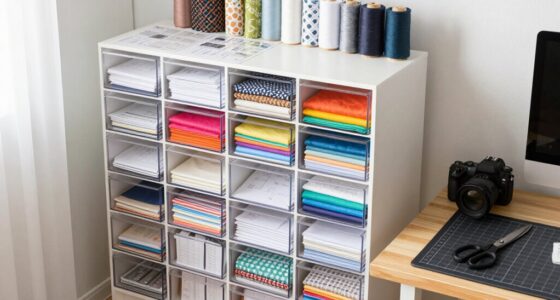
Project planning is equally significant. Before attending, identify what you’d like to create—be it a simple tote, a garment, or an intricate quilt. Break down the project into steps and gather all the necessary materials. This way, you’ll avoid scrambling for supplies once you’re at the retreat. Many workshops provide kits or supply lists, but bringing your own tools—sharp scissors, pins, measuring tape—ensures you’re comfortable and ready to work. When planning, consider the complexity of your project and your current skill level. Setting realistic goals helps you stay motivated and makes the experience more enjoyable.
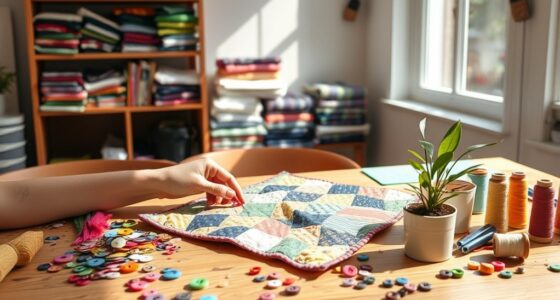
During the workshop or retreat, you’ll find that instructors and fellow attendees are enthusiastic to share tips on fabric choices and project planning. Don’t hesitate to ask questions or seek advice—this is a fantastic opportunity to learn new techniques and troubleshoot potential issues early. As you work through your project, keep your fabric selection in mind; choosing the right fabric can make a significant difference in the final product’s appearance and durability. Remember that understanding psychological principles involved in motivation and learning can greatly enhance your sewing experience. If you find yourself overwhelmed, take a step back and revisit your initial project plan. Flexibility is key—sometimes, a different fabric choice or a slight adjustment to your plan can lead to better results.
Ultimately, your success at a sewing retreat hinges on your preparation and willingness to learn. By carefully selecting your fabrics and planning your project beforehand, you set yourself up for a more productive and enjoyable experience. Not only will you leave with a finished piece, but you’ll also gain confidence and new skills to carry into future sewing projects. Remember, sewing is as much about the journey as the end result, so stay patient, stay curious, and most importantly, enjoy the creative process.

Coquimbo Sewing Kit Mothers Day Gifts for Mom Grandma Women Wife Teen Girls Beginner Traveler, Portable Sewing Supplies Accessories Contains Thread, Needles, Scissors, Dorm Room Essentials (Black)
𝑾𝒐𝒏𝒅𝒆𝒓𝒇𝒖𝒍 𝑮𝒊𝒇𝒕𝒔 𝑰𝒅𝒆𝒂𝒔: This sewing kit is terrific gifts for people who travel frequently, mother, grandmother, backpacker, adults,…
As an affiliate, we earn on qualifying purchases.
As an affiliate, we earn on qualifying purchases.
Frequently Asked Questions
Are There Any Prerequisites for Attending a Sewing Retreat?
There are usually no strict prerequisites for a sewing retreat, but your crafting skill levels might influence your experience. Beginners should choose simple projects and ask instructors for guidance. It’s helpful to contemplate fabric selection beforehand, bringing a variety suited to your skill level. Most retreats welcome all skill levels, so just come prepared to learn, have fun, and bring your enthusiasm along!
What Types of Sewing Projects Are Typically Covered?
At a sewing retreat, you’ll typically cover projects that vary in complexity, from simple pillowcases to more advanced garments. You’ll work with a variety of fabrics and tools, gaining hands-on experience with different techniques. Expect to learn how to select appropriate fabrics for each project and manage tools efficiently. The projects are designed to suit all skill levels, so you can challenge yourself or reinforce basic skills as you prefer.
Can Beginners Participate or Is Prior Experience Required?
You’re stepping into a world where sewing skills bloom, and beginners are warmly welcomed with open arms. No prior experience is needed; the workshop offers beginner-friendly options that feel like a gentle breeze guiding you through stitches. Imagine transforming simple fabric into beautiful creations—your confidence growing with each stitch. This is your chance to learn, create, and flourish, no matter where you start on your sewing journey.
Are Meals and Accommodations Included in the Retreat Fee?
Meals and accommodations are usually included in the retreat fee, but it’s best to check specific details. You’ll find retreat meal options often cater to various dietary needs, so you can enjoy delicious, nourishing food. Accommodation arrangements are typically made for you, whether in shared rooms or individual spaces. Confirm these details before booking, so you can relax and focus on your sewing experience without worries.
What Should I Bring With Me to the Workshop?
Think of your sewing kit as your treasure chest—bring essential sewing tools like scissors, pins, and measuring tape to unlock your creativity. Don’t forget fabric selection, which is your palette for expression. Pack a variety of fabrics, your favorite sewing tools, and any personal notions. Also, include a notebook for ideas. With these, you’ll be ready to craft, learn, and transform your ideas into beautiful creations.

Fiskars RazorEdge Fabric Scissors, Heavy Duty Fabric Shears, Ultra-Sharp Stainless Steel Blades & SoftGrip Ergonomic Handle, 8”, White/Orange
RAZOREDGE FABRIC SCISSORS: Ultra-sharp, premium-grade stainless steel blades with a precisely honed edge for clean cuts to the…
As an affiliate, we earn on qualifying purchases.
As an affiliate, we earn on qualifying purchases.
Conclusion
Attending a sewing workshop or retreat offers a fantastic chance to boost your skills, connect with fellow enthusiasts, and enjoy creative relaxation. As over 70% of participants report feeling more inspired and confident after such events, you’ll likely leave feeling motivated and accomplished. Just remember to pack your essentials, keep an open mind, and embrace the community spirit. With the right preparation, you’ll make the most of this enriching experience and leave with new skills and friends.

Quilting Project Planner: Organize Your Quilting Life
As an affiliate, we earn on qualifying purchases.
As an affiliate, we earn on qualifying purchases.

Anitor Large Sewing Supplies Organizer, Double Layer Sewing Storage Organizer with Two Detachable Dividers, Travel Sewing Bag Organizer with Shoulder Strap for Accessories, Purple, (Bag Only)
Careful Design: The sewing accessories organizer has 2 removable dividers fixed by stickers. Heavy duty nylon sewing box…
As an affiliate, we earn on qualifying purchases.
As an affiliate, we earn on qualifying purchases.