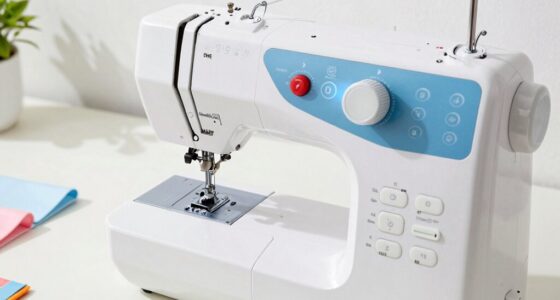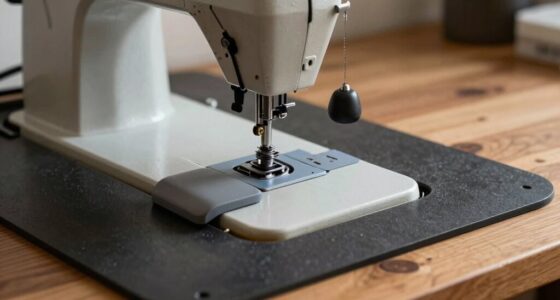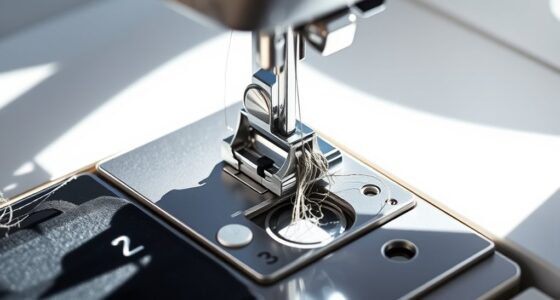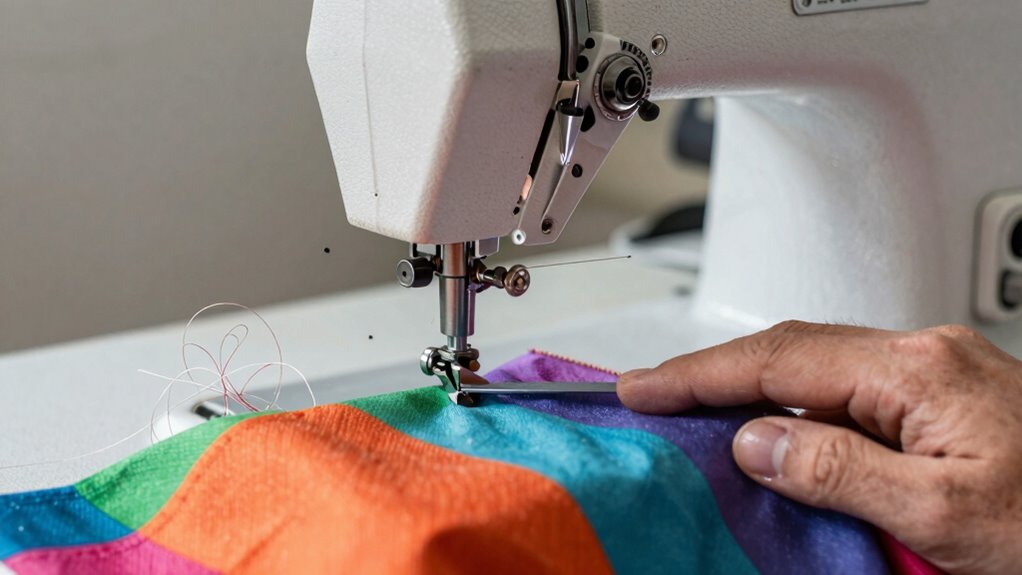

Automatic thread cutters save you time when you’re working on simple projects with uniform, lightweight fabrics and clear-cut designs. They work best when properly calibrated and maintained, reducing manual trimming. However, they often fall short with intricate or delicate designs, requiring manual adjustments and careful material handling. Dull blades or debris can also slow things down. To get the most from your cutter, understanding its limitations is essential—if you keep exploring, you’ll discover exactly how to maximize your efficiency.

Get business pricing on tools and workshop supplies
- Business-only prices and quantity discounts
- Tax-exempt purchasing
- Multiple users, one account, clear invoices
Key Takeaways
- Automatic cutters save time on large, simple projects with predictable cuts, but may require manual adjustments for complex designs.
- Proper setup and calibration are crucial; neglecting these can negate time savings.
- Thin, lightweight fabrics are ideal; thicker materials may cause delays and inconsistent cuts.
- Regular maintenance like sharpening blades ensures efficiency; dull blades slow down processing.
- For delicate or detailed embroidery, manual trimming may be faster and more precise than automatic cutters.
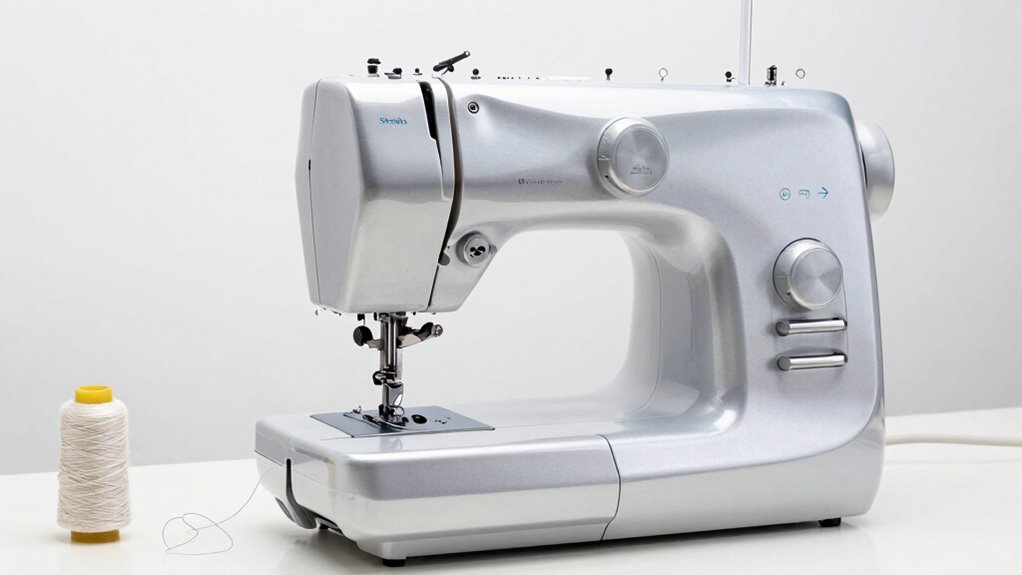
Automatic thread cutters can substantially boost productivity in sewing and embroidery, but they don’t always deliver the time savings you might expect. While they can streamline your workflow, their effectiveness depends heavily on proper setup and understanding their limitations. One key factor is manual adjustments. Even with automatic cutters, you often need to fine-tune settings to match your specific machine and project. For example, the cutter’s timing, blade position, and cutting length may require tweaks to ensure clean, efficient cuts without disrupting your stitching. If you overlook these adjustments, you risk wasting time fixing thread snags or dealing with uneven cuts, which can negate the time-saving benefits altogether. Additionally, understanding machine calibration is essential for optimal performance. Material compatibility also plays a critical role. Automatic thread cutters work best with certain fabrics and thread types. Thin, lightweight fabrics tend to cut cleanly, but thicker or textured materials may cause the cutter blades to struggle or produce inconsistent results. If you regularly work with diverse materials, you might find yourself manually trimming threads more often than expected, reducing the overall efficiency gain. Knowing which materials are compatible with your machine’s automatic cutter helps you avoid frustration and delays. Sometimes, switching to a different thread or adjusting tension settings can improve cut quality and reduce manual intervention. You should also consider the type of project you’re working on. For projects with many color changes or intricate designs, automatic thread cutters can save you time by quickly trimming threads at each stage. However, if your work involves delicate embroidery or fine detail work, the cutter’s precision may not be sufficient, leading to frequent manual corrections. In such cases, relying solely on automatic cutters can slow you down rather than speed you up. Another factor is the maintenance and cleanliness of the cutter. Dull blades or buildup of lint and thread debris can impair performance, causing miscuts and jams. Regular manual adjustments, like sharpening blades or cleaning components, are necessary to keep the cutter functioning efficiently. Proper maintenance routines are vital to ensure the cutter continues to operate smoothly and efficiently over time. Being aware of automatic cutter limitations can help you set realistic expectations and avoid unnecessary frustration.
automatic thread cutter for sewing machines
As an affiliate, we earn on qualifying purchases.
As an affiliate, we earn on qualifying purchases.
Frequently Asked Questions
How Do Automatic Thread Cutters Impact Sewing Machine Maintenance?
Automatic thread cutters can reduce your sewing machine maintenance by minimizing thread jams and tangles, but you still need to check thread tension regularly to guarantee smooth operation. Also, ensure your needle compatibility with the cutter system, as incompatible needles can cause damage or malfunctions. Proper maintenance includes cleaning the cutter mechanism and monitoring thread tension to keep your machine running efficiently and prevent unnecessary repairs.
Are Automatic Thread Cutters Suitable for All Fabric Types?
Automatic thread cutters are like a magic wand, but they’re not perfect for every fabric. You’ll find they work best with stable, medium-weight fabrics, where thread tension stays consistent. Delicate or stretchy materials might not cooperate, causing misfires or snags. Always check fabric compatibility and adapt thread tension accordingly. If you’re sewing a variety of fabrics, test the machine first to ensure smooth, snag-free results.
What Safety Features Do Automatic Thread Cutters Include?
Automatic thread cutters include safety mechanism features like blade covers and sensor-triggered cuts to prevent accidental injuries. The thread cutter placement is designed for easy access, reducing the risk of mishaps during operation. These safety features guarantee you’re protected while working, as sensors detect fabric or hand proximity and activate only when safe. Always check your machine’s safety mechanisms to ensure proper function before use.
Can Automatic Thread Cutters Be Manually Overridden?
Think of automatic thread cutters as a trusty ship’s autopilot—generally smooth, but sometimes you need manual override to steer. Yes, you can manually override automatic thread cutters, giving you full user control when needed. This feature guarantees safety and precision, especially in delicate tasks. By maintaining manual override, you stay in command, avoiding surprises and ensuring your work remains flawless, even when automation is in play.
Do Automatic Thread Cutters Increase Machine Noise Levels?
Automatic thread cutters can increase machine noise levels, especially during operation, due to the cutting action producing additional sound. This added noise, known as thread cutter noise, might bother you in quiet environments. Regular maintenance considerations, like keeping the cutter clean and lubricated, help minimize noise and guarantee smooth functioning. Proper upkeep also prevents excessive wear, reducing the likelihood of loud, disruptive sounds during sewing.
Conclusion
While automatic thread cutters can be a subtle boost to your efficiency, they aren’t a one-size-fits-all solution. Sometimes, their presence gently streamlines your workflow; other times, they may introduce a delicate complexity that slows you down. Recognize when they serve as a silent partner and when they’re better left in the background. Mastering this balance lets you craft with both precision and grace, ensuring your process remains smooth and refined.
Fall yard work Picks
leaf blowers
As an affiliate, we earn on qualifying purchases.