
Clipping and notching are small yet powerful modifications that help prevent curves from buckling by redistributing stress and strengthening the structure. Clipping creates smooth edges that improve aesthetics and reduce material waste, while notching introduces relief zones that enhance stress distribution and load transfer. The choice depends on your project’s needs—whether you prioritize a clean look or structural stability. To discover how these tiny cuts can optimize your designs, keep exploring further.
Key Takeaways
- Small notches act as stress relief zones, preventing crack initiation and buckling in curved structures.
- Clipping provides smooth, aesthetic curves that reduce stress concentrations and improve overall stability.
- Proper placement of notches redistributes stress, enhancing buckling resistance in complex or load-bearing components.
- Clipping simplifies manufacturing and maintains structural integrity with cleaner edges, minimizing weak points.
- Combining clipping and notching techniques optimizes stress management, preventing buckling in curved metal or composite parts.

Mutt Tools 30° Sheet Metal Notcher for HVAC – Professional V Notcher with Spring-Loaded Design – Heavy-Duty Corner Cutter for Ductwork – Precision Steel Tool with Safety Lock
Precision Built for HVAC Pros: This sheet metal notcher creates clean 30° corner cuts in ductwork with ease—perfect…
As an affiliate, we earn on qualifying purchases.
As an affiliate, we earn on qualifying purchases.
Why Curved Structures Buckle and How Tiny Cuts Help
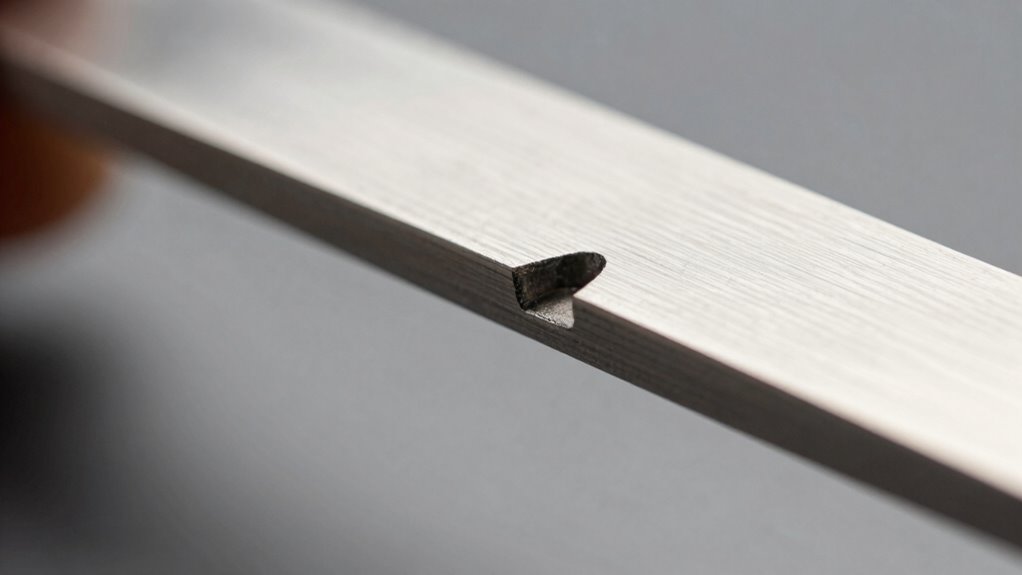
Curved structures tend to buckle because their shapes concentrate stress in specific areas, making them less stable under load. When you apply force, stress redistributes unevenly, causing certain points to bear more pressure than others. This uneven stress leads to material deformation, where the material stretches or compresses beyond its elastic limit. As a result, the structure becomes prone to buckling, especially in thin or unsupported sections. Tiny cuts or notches help by altering how stress redistributes across the surface. Instead of concentrating stress at one point, these small modifications redirect forces, reducing the likelihood of deformation-induced failure. By controlling stress flow, you can prevent buckling and improve the stability of curved structural elements considerably. European cloud innovation demonstrates how applying innovative solutions can enhance structural resilience and sustainability. Incorporating stress redistribution techniques can further optimize the structural performance and prevent failure, particularly when combined with material optimization strategies that enhance durability and flexibility.

DPLWJPP Sausage Packaging Sealing Machine Manual U-Shape Sausage Clipper Clipping Machine Manual U Shape Plastic Bag Sealing Pliers Compatible for Supermarkets and Bakeries
【ADJUSTABLE SEALING THICKNESS】: Plastic bag tying manual u-shape built-in stop screw allows for easy control of the clip…
As an affiliate, we earn on qualifying purchases.
As an affiliate, we earn on qualifying purchases.
How Clipping Reinforces Curved Structural Elements

Clipping techniques strengthen curved structural elements by directly modifying their shape to better handle stress. This process reduces material fatigue by alleviating stress concentrations that cause cracks. Here’s how clipping reinforces your structure:
- It smooths sharp curves, distributing loads evenly.
- It minimizes stress risers that accelerate material fatigue.
- It preserves aesthetic considerations by maintaining sleek, clean lines.
- It enhances durability without adding weight or complexity.

JOEYANK Fidget Cube New Version Fidget Finger Toys – Metal Infinity Cube Prime for Stress and Anxiety Relief/ADHD, Ultra Durable Sensory Gifts for Adults and Teens Kids
INFINITY CUBE – Infinity Cube is made from premium anodized aluminum alloy,CNC machined.The foldable Infinity Cube is composed…
As an affiliate, we earn on qualifying purchases.
As an affiliate, we earn on qualifying purchases.
Understanding Notching and Its Role in Preventing Buckling

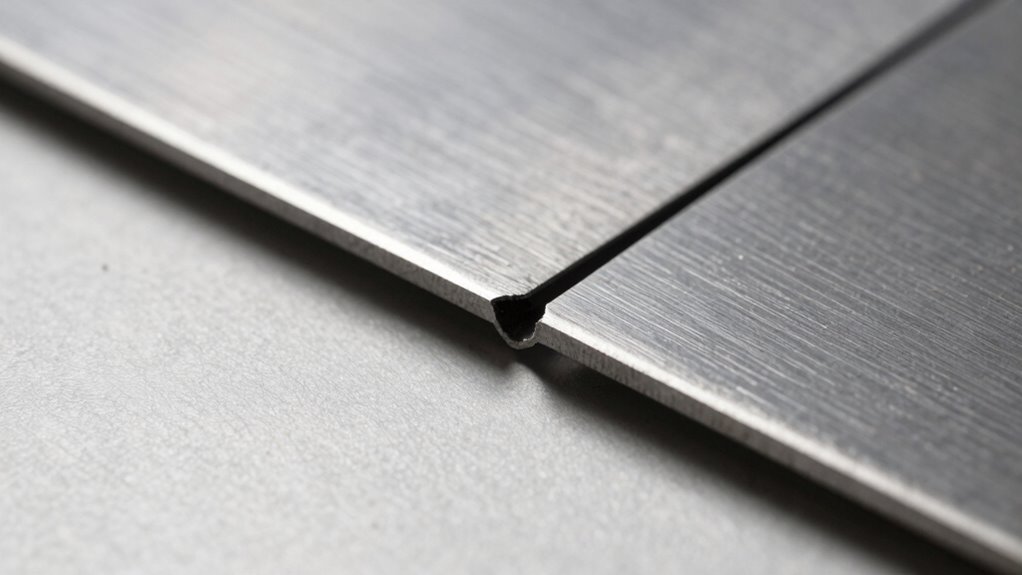
Notching plays a crucial role in preventing buckling by strategically introducing small cutouts or indentations into structural elements. This technique influences material deformation, allowing the structure to distribute stress more evenly and resist instability under load. During manufacturing processes, notching helps control how materials respond to forces, reducing the risk of sudden failure. By creating precise notches, you can weaken specific areas to prevent the development of critical stress points that lead to buckling. Notching effectively manages how the structure deforms under compression, enhancing its overall stability. It’s a simple yet powerful method to improve the load-bearing capacity of curved or slender components, ensuring they maintain their shape and integrity under various stress conditions. Proper notching techniques are essential for optimizing structural performance and safety. Additionally, understanding the material properties allows for better design decisions when applying notching to prevent buckling effectively. Incorporating stress distribution principles into notching strategies helps achieve more reliable and durable structural designs. Recognizing how material behavior affects notching outcomes can further improve the effectiveness of this technique. Furthermore, selecting the appropriate notch size and placement based on material and load conditions can significantly enhance the preventative benefits of notching.

Pine & Linen 2 Pack Automatic Rebar Tie Wire Twister, Rebar Tool Wire Twister Pull Tie Tool, Concrete Metal Twisting Fence for Construction/Contractors(Curved Hook)
Structure: This product is 260mm (10.24inch) long,the inside of the hook has a threaded and rebounded structure; After…
As an affiliate, we earn on qualifying purchases.
As an affiliate, we earn on qualifying purchases.
Clipping vs Notching: Differences, Benefits, and When to Use
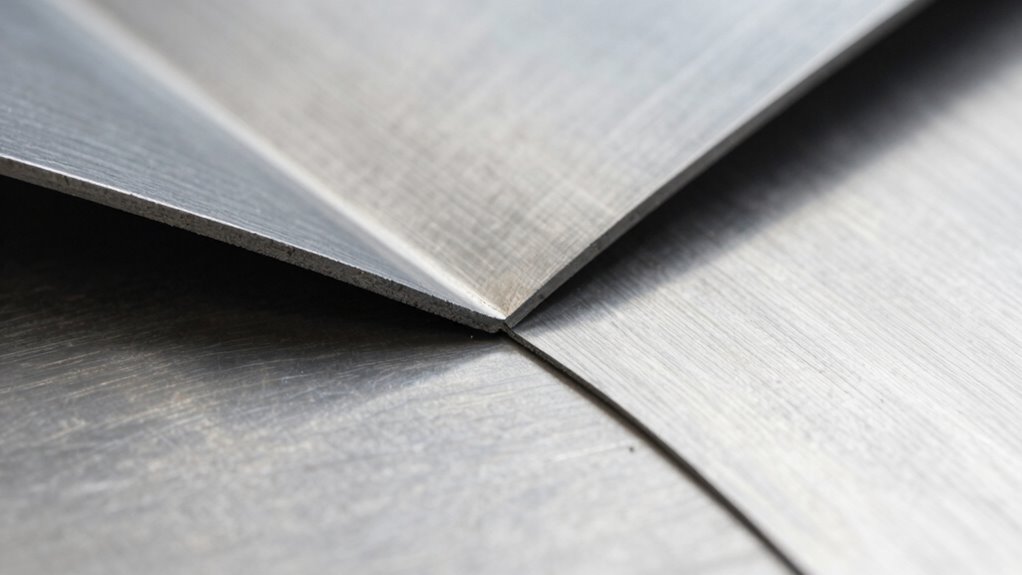
Clipping and notching each offer unique structural benefits and are suited for different applications. Understanding their techniques and when to use them helps you strengthen your designs effectively. Let’s explore how these methods compare and guide you on choosing the right one for your project. Additionally, selecting the appropriate method can improve your project’s durability and aesthetic appeal, especially when considering styling techniques. Proper application of these methods can also prevent common issues like curves from buckling, ensuring a smooth and professional finish in your construction.
Structural Benefits and Uses
Understanding the structural benefits of clipping and notching helps you choose the right technique for your project. Both methods enhance strength, reduce stress concentrations, and improve load distribution.
- Clipping offers a cleaner appearance, aligning with aesthetic considerations and providing smooth curves.
- Notching creates precise, localized reliefs, which can help distribute forces more effectively in complex shapes.
- Clipping can simplify manufacturing challenges by reducing material waste and easing assembly.
- Notching allows for better fitment in tight spaces, minimizing the need for additional modifications.
Application and Technique Guidelines
Choosing between clipping and notching depends on your project’s specific requirements, such as the material, design complexity, and desired aesthetic. Clipping is generally simpler and faster, making it ideal for projects where aesthetic considerations focus on clean, smooth curves. Notching, however, offers greater precision, especially in complex designs, but can present manufacturing challenges due to the need for accurate cuts. When applying these techniques, consider the material’s thickness and flexibility—clipping works well for softer materials, while notching suits sturdier ones. Be mindful of the visual impact; notching can create more intricate details, whereas clipping emphasizes simplicity. Always match your technique to the project’s goals, balancing aesthetic appeal with manufacturing practicality for ideal results.
How Small Cuts Improve Structural Stability Under Stress
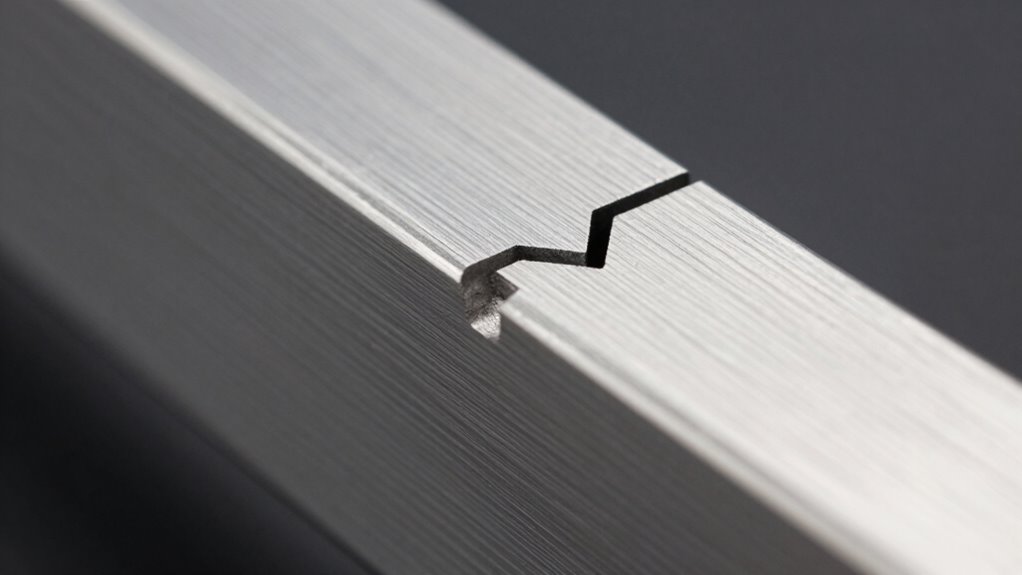
Small cuts can help you better distribute stress across a structure, reducing points of weakness. They also boost buckling resistance, making the overall design more durable. Plus, these cuts enable you to use materials more efficiently without sacrificing strength. Incorporating seasonal maintenance tips can further ensure your structures remain resilient over time. Understanding essential gear for every prepper, such as fire-starting kits and water purification systems, can also support long-term structural safety during emergencies. Additionally, consulting with architectural solutions specialists can optimize the placement of these cuts for maximum stability. Implementing smart home automation techniques can aid in ongoing monitoring and adaptive responses to structural stress, enhancing overall resilience.
Stress Distribution Enhancement
Small cuts, or notches, can considerably improve a structure’s ability to withstand stress by redistributing the internal forces more evenly. This redistribution minimizes stress concentrations that often lead to material fatigue and failure. Here’s how:
- They create stress relief zones, preventing localized overloads.
- Enhancing manufacturing precision ensures the cuts are correctly placed for ideal effect.
- They promote uniform load transfer across the structure, reducing weak points.
- Over time, this leads to better durability and longer lifespan by avoiding crack initiation.
- Proper design and placement of notches are essential to optimize their stress-relieving benefits, especially considering cybersecurity vulnerabilities that can impact structural integrity in digital systems. Additionally, understanding stress distribution techniques is crucial for designing resilient structures that can adapt to varying load conditions.
Buckling Resistance Increase
Notches can considerably enhance a structure’s buckling resistance by disrupting the formation of critical stress pathways. This small modification helps redistribute loads more evenly, preventing localized failures. Additionally, stress redistribution plays a crucial role in how effectively these notches improve stability. While the benefits are clear, you must consider aesthetic considerations, as even tiny notches can impact the visual appeal of your design. Manufacturing challenges arise because precise placement and sizing are essential for effectiveness, demanding careful planning and quality control. By strategically incorporating these small cuts, you strengthen the overall stability of your structure without extensive material use or heavy reinforcement. Moreover, understanding the power output of electric bikes can inform how additional stress might influence structural components. Recognizing stress distribution principles helps engineers optimize where to place notches for maximum benefit with minimal visual or manufacturing compromise. Considering structural analysis techniques can further improve the accuracy of notch placement and effectiveness. Incorporating analytical modeling allows for more precise predictions of how these small cuts will perform under various load conditions.
Material Efficiency Gains
Incorporating notches or cuts into a structure allows you to optimize material use while maintaining, or even improving, its stability under stress. Small cuts help reduce material waste and enhance overall efficiency. Here’s how:
- They minimize excess material, reducing weight without sacrificing strength.
- Properly placed notches distribute stress more evenly, lowering material fatigue risks.
- They streamline fabrication techniques, speeding up production and cutting costs.
- By controlling stress concentrations, small cuts extend the lifespan of components under cyclic loads.
- This technique aligns with principles of personal transformation, encouraging continuous improvement and adaptation in structural design.
This approach maximizes material efficiency gains, making structures more durable and cost-effective. Using precise notching, you optimize every inch of material, ensuring stability under stress while conserving resources.
Practical Examples of Clipping and Notching in Engineering

Understanding how clipping and notching manifest in real-world engineering helps you design more effective electronic systems. For example, notching is often used in PCB design to reduce stress concentration at sharp corners of mounting holes, preventing cracks that could lead to material fatigue. Clipping appears in connector design, where trimming excess material ensures components fit snugly without undue stress. In structural components, notches are strategically placed to control stress distribution, avoiding fatigue failure over time. Similarly, clipping can be used to remove unnecessary material, reducing weight and stress buildup. Recognizing these practical applications allows you to optimize designs, improve durability, and extend the lifespan of electronic and mechanical components by minimizing stress-related issues. Additionally, understanding stress management techniques helps in selecting the appropriate clipping or notching methods to enhance overall structural integrity.
Materials and Design Tips for Effective Clipping and Notching

Choosing the right materials and design strategies is essential for creating effective clipping and notching features. To guarantee durability, consider these tips:
Selecting durable materials and precise designs ensures reliable clipping and notching features.
- Select materials with high fatigue resistance to prevent cracks under repeated stress.
- Maintain strict manufacturing tolerances to achieve precise cuts, reducing stress concentrations.
- Use materials with good ductility to accommodate minor deformations without cracking.
- Incorporate smooth progressions around notches and clips to minimize stress risers and improve overall strength.
- Employ performance cookies during manufacturing assessments to analyze stress distribution and optimize design parameters.
- Additionally, understanding material properties allows for better prediction of how components will perform under various load conditions, leading to more reliable designs.
Common Mistakes in Clipping and Notching : and How to Avoid Them

One common mistake in clipping and notching is neglecting proper material selection, which can cause cracks or premature failure. Using incompatible materials or ignoring welding techniques can weaken the cut areas, making them prone to stress and fatigue. Additionally, overlooking paint finishes after clipping or notching can lead to corrosion and rust, compromising the part’s integrity over time. To avoid these issues, choose materials suited for your specific application and follow recommended welding techniques to ensure strong, clean joints. After cutting, properly prepare and protect the surface with appropriate paint finishes to prevent corrosion. Paying attention to these details helps maintain structural strength and durability, preventing failures caused by overlooked mistakes in material handling or surface protection.
Choosing Between Clipping and Notching for Your Project
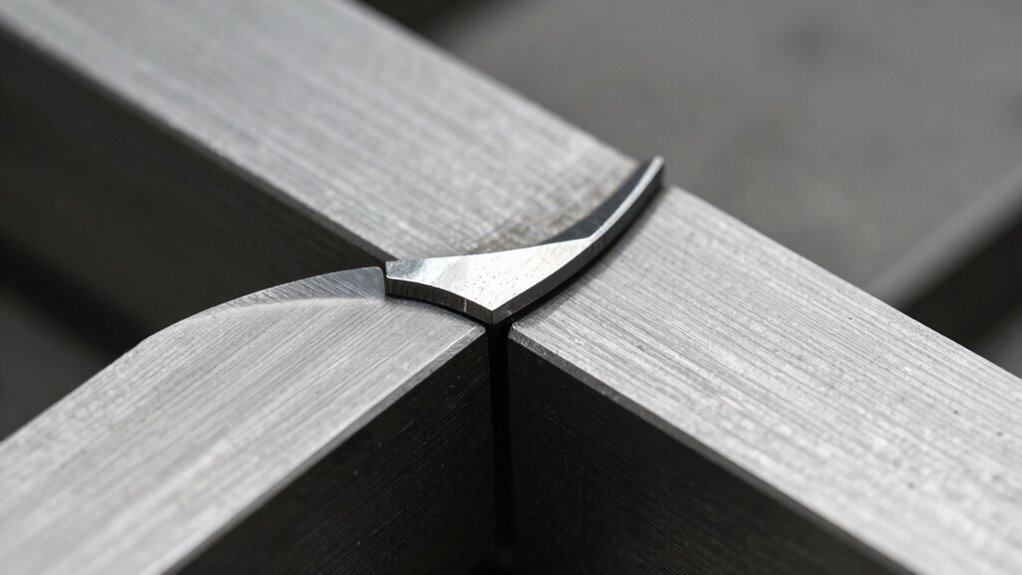
Deciding whether to clip or notch depends on the specific requirements of your project, including the type of material, the desired strength, and the complexity of the joint. Your choice impacts not only functionality but also aesthetic considerations and manufacturing challenges.
- If you prioritize a smooth appearance, clipping often provides cleaner edges, enhancing aesthetics.
- For stronger joints that resist buckling, notching offers greater structural integrity.
- Consider manufacturing challenges: notching can be more precise but may require specialized tools.
- Clipping is quicker and easier for simple projects but might compromise strength in load-bearing applications.
Evaluate these factors carefully to align your choice with your project goals, balancing visual appeal with durability and manufacturability.
Frequently Asked Questions
Can Clipping or Notching Be Applied to Non-Metallic Materials?
Yes, clipping and notching can be applied to non-metallic materials like composite materials and plastics. You can make small cuts or modifications to improve their strength and prevent buckling or cracking under stress. These techniques help in plastic modifications, providing better load distribution and flexibility. When working with non-metallics, verify your cuts are precise to avoid damaging the material’s integrity, enhancing performance without compromising durability.
What Are the Long-Term Effects of Clipping Versus Notching?
Think of clipping and notching as two different armor layers protecting your structure. Over time, clipping may lead to increased material fatigue, weakening the overall structural integrity, while notching often creates stress concentrations that can cause cracks. Long-term, notching might be more prone to failure if not properly reinforced, but clipping can distribute stress more evenly. Choose wisely to guarantee your structure remains resilient against the test of time.
How Do Environmental Factors Influence Clipping and Notching Effectiveness?
Environmental factors like corrosion impact and temperature sensitivity profoundly influence clipping and notching effectiveness. You’ll find that corrosion can weaken cuts over time, reducing their ability to prevent buckling, while temperature fluctuations can cause expansion or contraction, affecting the precision of your cuts. To maintain peak effectiveness, you should consider protective coatings against corrosion and choose materials suited for the temperature conditions, ensuring your clips or notches continue to perform reliably.
Is Specialized Equipment Required for Precise Clipping and Notching?
Yes, you do need specialized tools for precise clipping and notching. These tools guarantee you achieve accurate cuts, which are vital for preventing buckling in curves. With specialized equipment, you can make precise measurements and clean cuts, reducing the risk of structural issues. Investing in the right tools makes your work more efficient and reliable, giving you peace of mind that your curves are properly supported and secured.
Are There Specific Standards or Codes Governing Clipping and Notching Practices?
Yes, building codes and safety standards govern clipping and notching practices. You must follow local and national regulations to guarantee structural integrity and safety. These standards specify the types of cuts allowed, the placement, and the materials used. By adhering to these codes, you help prevent buckling, maintain compliance, and ensure your project meets all safety requirements. Always consult relevant codes before starting any clipping or notching work.
Conclusion
By understanding when to clip or notch, you hold the key to opening stronger, more resilient structures. Think of these tiny cuts as the silent guardians that brace your curves against buckling’s chaos. As you craft your design, remember: a small cut can be the difference between a fragile form and a masterpiece that stands tall through stress. Embrace these techniques, and let your creations defy the forces trying to bring them down.