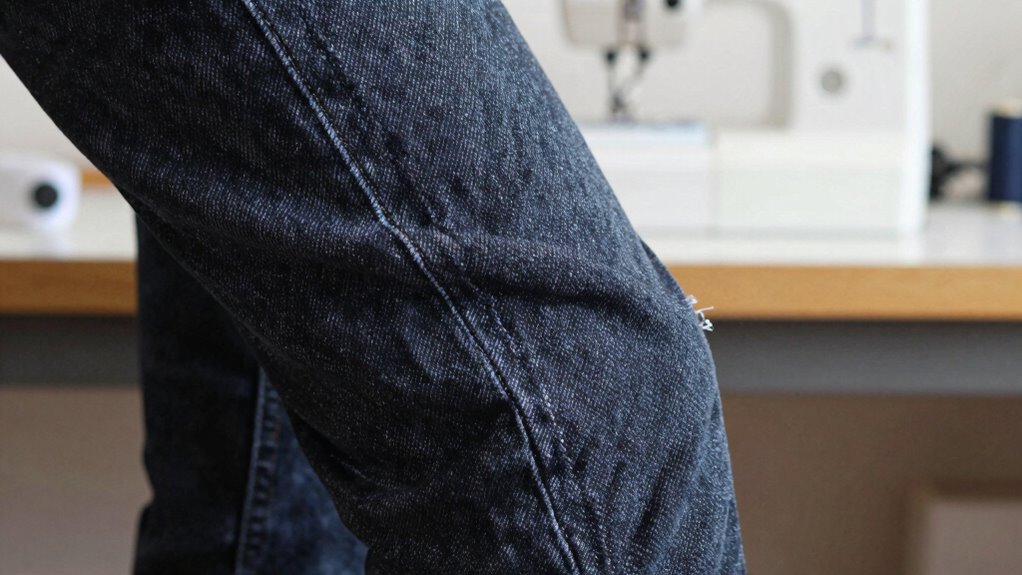
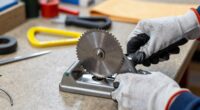
A twisted pant leg usually happens because the fabric grain isn’t aligned properly during sewing. Grain matters because it affects how your pants fit and hang. To fix this, lay your pants flat, smooth out the fabric, and re-align the grainline, using an iron or adjusting seams if needed. Ensuring proper grain alignment prevents future twists and gives a polished look. Keep going to learn more tips for fixing and preventing crooked pant legs effectively.
Key Takeaways
- Twisted pant legs often result from fabric grain misalignment during sewing or wear, causing uneven drape and distortion.
- Proper fabric grain ensures pants hang smoothly; misalignment leads to twisting, puckering, and poor fit.
- To fix a twisted pant leg, straighten fabric and re-align the grain line using pressing and sewing adjustments.
- Always check and match the fabric’s grainline to the pattern before sewing to prevent future twisting issues.
- Correcting grain misalignment preserves garment shape, enhances durability, and gives a polished, professional appearance.

SAVINA Safety Ruler with Handle & Stainless Steel Edge – 13in Handmade Hardwood Ruler for Quilting, Sewing, Fabric, Paper & Leather Crafts – Comfortable Grip for Precision Tailoring & DIY Projects
- Safety and Precision Design: Hardwood ruler with stainless steel edge and ergonomic handle
- Comfortable Grip: Built-in handle for secure lifting and aligning
- Premium Hardwood Material: Smooth, durable hardwood with refined grain
As an affiliate, we earn on qualifying purchases.
As an affiliate, we earn on qualifying purchases.
What Causes a Twisted or Crooked Pant Leg?
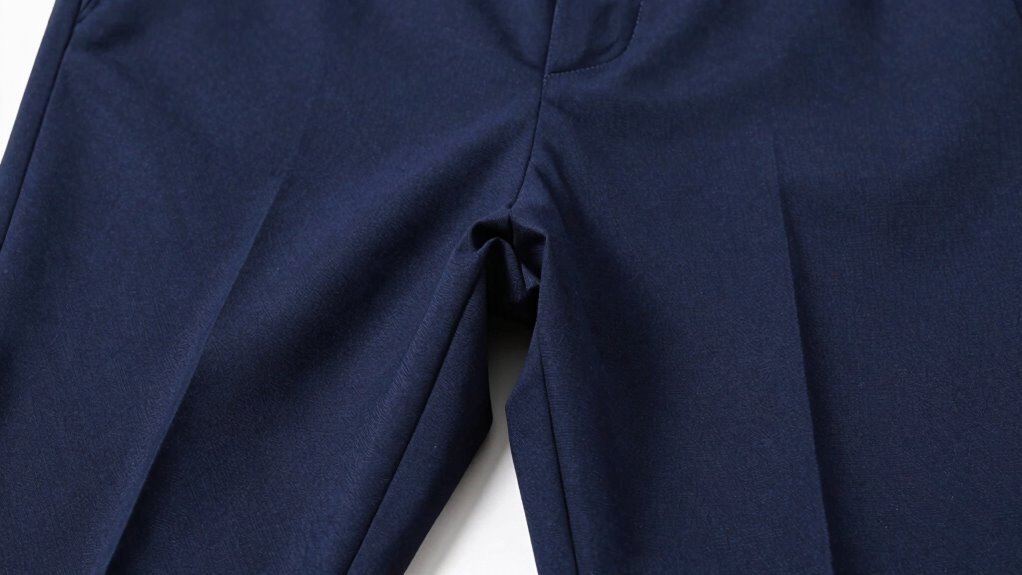
A twisted or crooked pant leg often results from how the fabric is handled during manufacturing or wear. Fabric patterns, like stripes or plaids, play a significant role because if they’re not aligned properly during sewing, the pants can twist over time. Sewing techniques are equally essential; improper stitching, such as sewing with uneven tension or inconsistent seam allowances, can cause the fabric to shift and warp. When fabric patterns aren’t matched correctly at seams, the resulting misalignment can make the pant leg appear crooked or twisted. Additionally, if you don’t follow the grain line during cutting and sewing, the fabric may stretch or skew, leading to a twisted appearance. Paying attention to fabric patterns and precise sewing techniques helps you prevent and correct these issues. Properly handling the fabric’s grain line during construction ensures the final garment maintains its intended shape without twisting.
Signs Your Pants’ Grain Is Misaligned
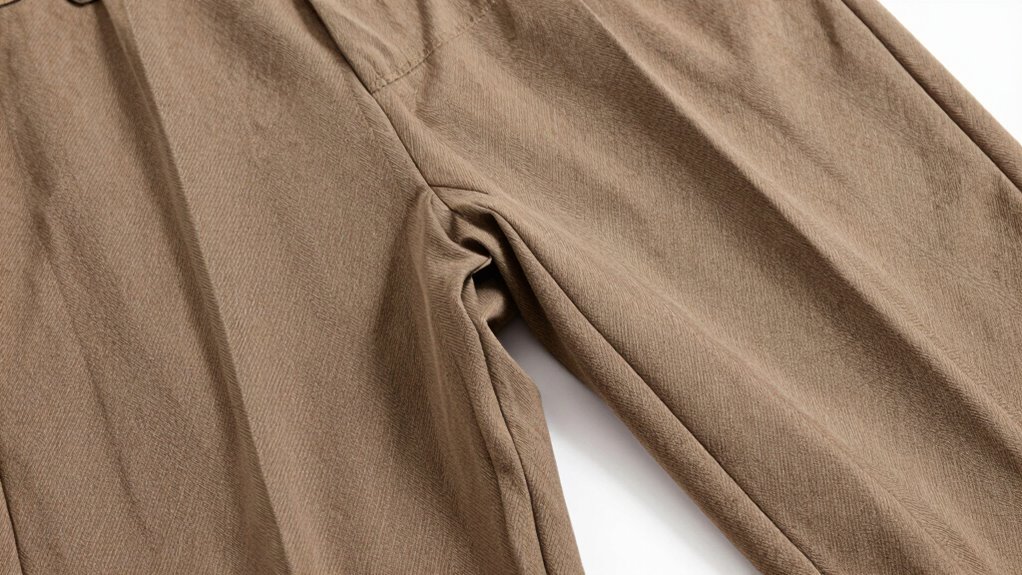
Have you noticed your pants tend to twist or twist when you wear them? This often signals a misaligned fabric grain. Look for uneven drape or pulling along the seams, especially at the waistband or hem. If the fabric appears distorted or the pattern doesn’t sit straight, your pants’ grain might be off. Wrinkles or puckering along the fabric’s length can also be a clue. Proper fabric care helps maintain the grain, but sewing techniques are vital for correction. When sewing or hemming, make sure the fabric’s grainline is aligned correctly to prevent twisting. Recognizing these signs early saves you from bigger issues later, and understanding how to keep the grain straight is essential to maintaining well-fitting, comfortable pants. Using the right fabric maintenance techniques can help preserve the correct grain over time. Checking the fabric grain before sewing or tailoring ensures your pants stay straight and comfortable longer. Additionally, being aware of how cryptid sightings influence local culture can deepen your appreciation for folklore’s role in communities. Regularly inspecting the fabric’s grain alignment during alterations can also prevent future twisting issues.
Understanding Fabric Grain: Warp, Weft, and Crossgrain
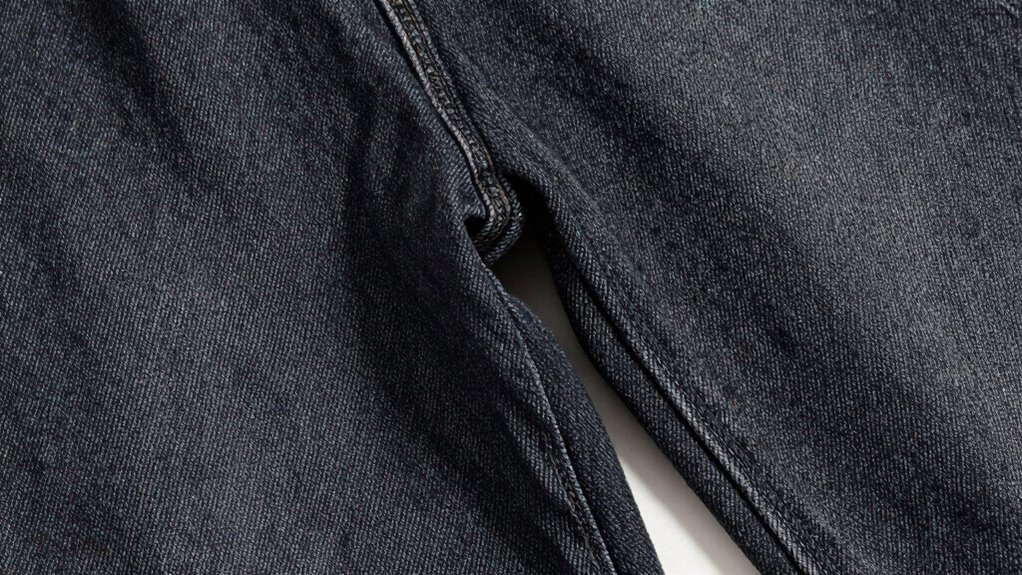
Understanding fabric grain is essential for sewing and maintaining well-fitting pants because it determines how the fabric behaves and drapes. Recognizing the fabric weave and textile orientation helps prevent twisting or distortion. Here’s what to know:
- Warp: The vertical threads providing strength, running lengthwise.
- Weft: The horizontal threads woven through the warp, giving flexibility.
- Crossgrain: The fabric’s bias or diagonal direction, often more stretchable.
- Fabric orientation: Paying attention to the grain lines ensures your pants hang correctly and resist twisting.
How Fabric Grain Affects the Fit and Drape of Your Pants

When your fabric grain isn’t aligned properly, it can cause your pants to fit oddly or hang unevenly. The way the grain runs affects how the fabric drapes over your body, influencing comfort and appearance. Adjusting the grain alignment can help you achieve a smoother fit and better drape for your pants. Using proper fabric grain techniques can make a significant difference in the overall look and feel of your garment.
Fabric Grain Alignment
The fabric grain plays a crucial role in how your pants fit and drape. When the grain is aligned properly, your pants will hang smoothly and feel comfortable. Misaligned grain can cause twisting, puckering, and uneven fit. To guarantee proper fabric grain alignment: 1. Always cut along the fabric’s selvage, which indicates the true grain. 2. Check for fabric stretch, as it can distort grain lines if not accounted for. 3. Be mindful of color bleeding, which may affect the appearance if the fabric is cut or washed incorrectly. 4. When sewing, align pattern pieces carefully to maintain consistent grain orientation. Paying attention to fabric grain direction during construction ensures the final garment maintains its intended fit and appearance. Proper alignment prevents twisting and maintains the intended fit. It also helps avoid issues like fabric stretch affecting the shape or color bleeding disrupting the visual consistency of your pants. Additionally, understanding fabric properties can help you select materials that are less prone to distortion or twisting during wear and washing. Recognizing how fabric stretch can influence fit allows for better pattern adjustments and sewing techniques.
Impact on Drape
Ever wonder how the direction of your fabric’s grain influences the way your pants hang and move? The grain directly affects fabric stability, which determines how well your pants drape. When the grain is aligned correctly, your pants will fall smoothly, creating a natural, flattering silhouette. If the grain is off, the fabric may pull or sag, disrupting the intended shape and reducing aesthetic appeal. A properly aligned grain guarantees the fabric flows effortlessly with your movements, enhancing comfort and style. Conversely, a twisted or skewed grain can cause uneven drape, making your pants look distorted or stiff. Paying attention to the fabric’s grain direction helps you achieve a polished look, with pants that hang properly and move gracefully throughout your day. fabric stability plays a crucial role in ensuring the fabric drapes as intended and maintains its shape over time.
Adjusting for Fit
Your fabric’s grain direction plays a crucial role in how well your pants fit and drape on your body. When the grain is off, you might notice issues like fabric stretch in unwanted areas or color bleeding along the seams. To adjust for fit:
- Check the grain line by laying your pants flat and aligning the selvage; ensure it runs straight along the leg.
- If fabric stretches unevenly, avoid pulling or stretching the fabric excessively, which can worsen the problem.
- To prevent color bleeding, wash and dry your pants separately the first few times, especially if the fabric is prone to bleeding.
- When sewing or altering, be mindful of the grain to maintain the fabric’s natural drape and avoid twisted seams that cause fit issues.
Simple Ways to Straighten a Twisted Pant Leg at Home
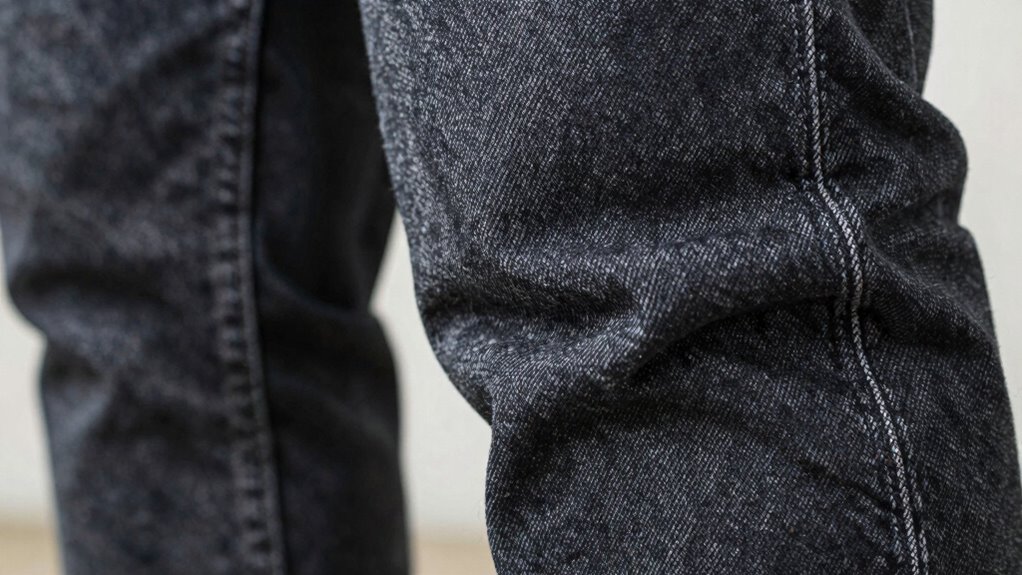
Twisted pant legs can be frustrating, but fixing them at home is simple and quick. Start by laying your pants flat on a clean surface, ensuring the fabric patterns align properly. Gently smooth out the fabric, paying attention to the direction of the grain. If the twist is minor, you can use basic sewing techniques like sewing a new seam or re-stitching the existing one to straighten the fabric. Use pins to hold the fabric in place before sewing, and work slowly to maintain accuracy. For more stubborn twists, pressing with an iron and steam can help relax the fibers. Always match the grain and fabric pattern during these adjustments to prevent future twisting. Understanding fabric grain is essential for proper alignment and preventing twists in the future. With patience and proper sewing techniques, you can restore your pants’ straight, polished look.
Fixing Grain Misalignment During Alterations or Repairs
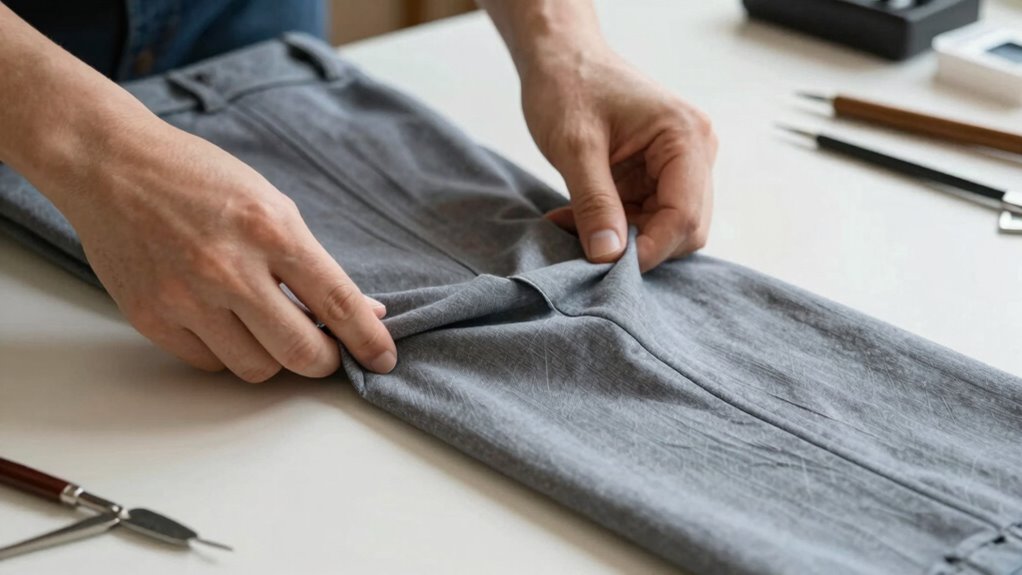
When making alterations or repairs to your pants, ensuring the fabric’s grain lines up correctly is essential for a professional look. Fabric distortion can cause misalignment, so use proper sewing techniques to correct it. Here’s how:
Align fabric carefully and sew slowly to ensure a polished, professional finish.
- Identify the grain line by gently pulling the fabric to see the straightest edge.
- Align fabric pieces carefully, pinning along the grain to prevent distortion.
- Use proper sewing techniques, sewing slowly and maintaining tension to avoid shifting.
- Press seams thoroughly after sewing to set the grain and reduce any twist or distortion.
Choosing Fabrics With Proper Grain for Better Pants Fit
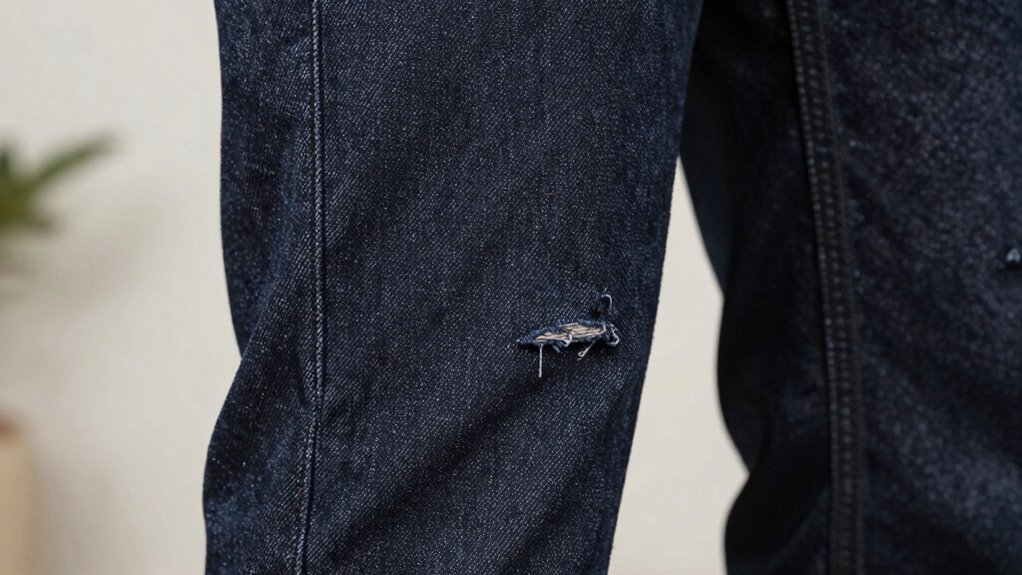
Choosing fabrics with the proper grain is essential for guaranteeing your pants fit well and look polished. The fabric pattern should align with the grainline, which runs parallel to the selvage, providing stability and shape. When selecting fabric, check the weave to confirm the grain is straight and true; a skewed or uneven grain causes twisting and misfit. Using correct sewing techniques, such as aligning pattern pieces along the grainline, helps maintain that stability. Properly chosen fabric with a consistent grain reduces the risk of twisted legs and uneven seams. Always test the fabric’s grain before cutting, and follow your pattern’s grainline markings carefully. This attention to detail ensures your pants sit correctly, hold their shape, and prevent future twisting issues. Ensuring the fabric’s grain consistency is maintained throughout your project will lead to a more professional and durable finish. Additionally, understanding how grain direction affects fabric drape can help you achieve a better overall fit and appearance. Recognizing the significance of Cultural Symbols like those in Polynesian art can deepen your appreciation for craftsmanship and design. Being mindful of the fabric’s grain stability during cutting and sewing further enhances the durability and appearance of your finished garment. Moreover, incorporating knowledge of sound healing science can inspire a mindful approach to sewing, turning it into a calming, healing activity.
Tips to Prevent Twisted Legs When Sewing New Pants
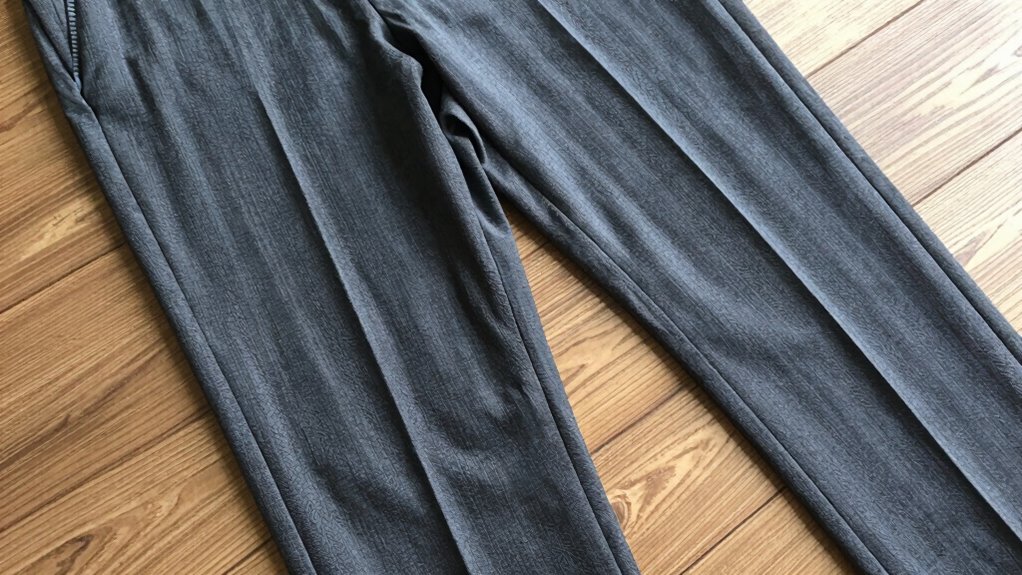
To prevent twisted pant legs during sewing, it’s essential to pay close attention to your fabric’s grainline and pattern placement from the start. First, carefully align your fabric patterns with the pattern pieces to ensure they run straight along the grain. Second, mark the grainline on your fabric using tailor’s chalk or fabric markers for guidance. Third, double-check your sewing machine settings, adjusting stitch length and tension for smooth sewing. Fourth, pin or clip fabric pieces securely, matching the grainline markings. Additionally, using proper body jewelry measurements can help maintain fabric stability during sewing. Incorporating grainline awareness into your sewing process can significantly reduce the risk of twisting. Paying attention to fabric quality can also contribute to easier handling and better results. By following these steps, you help prevent twisting and maintain the integrity of your fabric patterns. Staying mindful of grainline and pattern placement, along with proper sewing machine settings, makes a significant difference in achieving straight, professional-looking pant legs. Understanding the importance of fabric stability can further enhance your sewing results and prevent distortion.
When to Consult a Tailor for Grain Corrections

Even with careful sewing, sometimes fabric grain issues become noticeable after completing your pants. If you notice persistent twisting or misalignment that affects the fit or appearance, it’s time to consult a tailor. They have the expertise to correct grain issues without compromising fabric longevity. Attempting to fix severe twisting yourself can sometimes worsen the problem or damage the fabric, especially if sewing techniques aren’t precise. A professional tailor can assess whether the problem stems from improper grain alignment or construction flaws. They’ll use specialized techniques to straighten the fabric and ensure your pants hang properly. Recognizing fabric grain issues early can help prevent long-term damage and ensure proper fit. Knowing when to seek expert help saves you time, preserves your fabric, and guarantees your pants look polished and fit comfortably.
Why Proper Grain Alignment Ensures Comfortable, Long-Lasting Pants
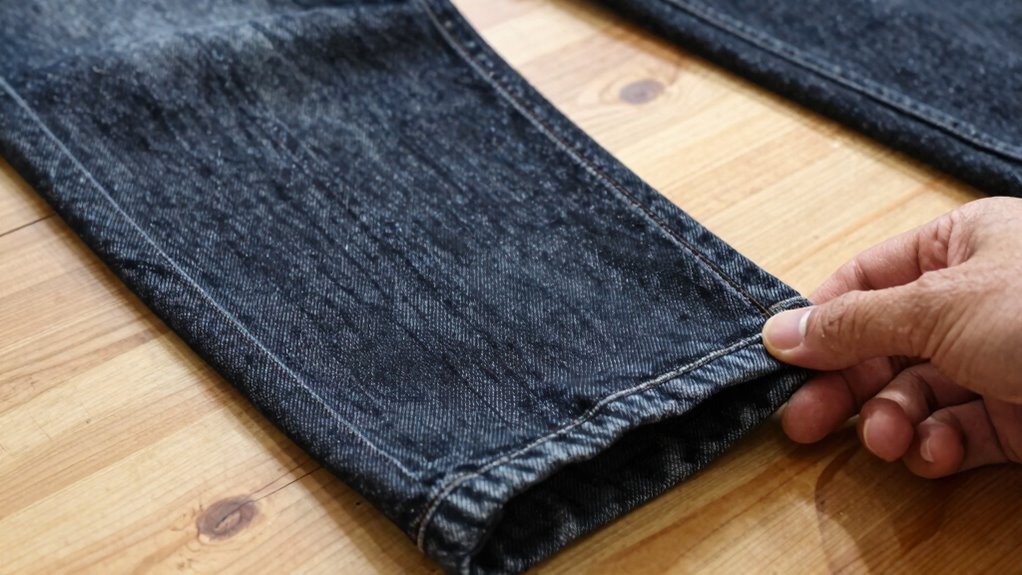
Proper grain alignment is essential because it directly impacts how your pants fit and feel throughout the day. When fabric is aligned correctly, it maintains its stability, reducing stretching or twisting over time. This stability is crucial for maintaining the overall shape and durability of your garments. It enhances comfort and ensures your pants don’t become misshapen. Using proper sewing techniques helps preserve fabric stability by securing the grain during construction. To maximize these benefits, keep these tips in mind:
- Always cut fabric following the grain line for uniformity.
- Use precise sewing techniques to prevent shifting.
- Reinforce seams at stress points to maintain alignment.
- Regularly check grain alignment during alterations or repairs.
Additionally, understanding the comparative advantage of proper fabric handling can lead to better overall garment quality. Recognizing the importance of Youngster Choice in selecting fabrics can also influence the longevity and appearance of your pants.
Frequently Asked Questions
How Can I Identify if My Pants’ Grain Is Seriously Misaligned?
You can tell if your pants’ grain is misaligned by examining the fabric distortion along the seams. Look for uneven puckering or twisting, especially around the legs, which indicates fabric distortion. Also, check the seam tension—if the seams pull or gape, it’s a sign the grain isn’t aligned properly. Running your fingers along the fabric can help you feel inconsistencies, helping you identify serious misalignment.
Are Certain Fabrics More Prone to Twisting or Crooked Pant Legs?
If you think your pants are auditioning for a roller coaster ride, it’s probably the fabric type or weaving pattern. Silks and linens, with their delicate fibers and loose weaves, love to twist and turn. Conversely, sturdy twills and denims hold their shape better. So, if you want less crookedness, choose fabrics with tight weaving patterns—your pant legs will thank you and stay straight, no acrobatics required.
What Tools Are Best for Correcting Grain Issues at Home?
To correct grain issues at home, you’ll want fabric stabilizers like starch or spray-on solutions to help realign the fabric. A seam ripper is essential for carefully removing stitches that may be causing the twist. Use the stabilizers to reshape the fabric, then gently tug and straighten the pant leg. Once aligned, re-stitch if needed, ensuring your pants hang straight and look polished.
How Does Improper Fabric Handling During Sewing Cause Grain Misalignment?
Did you know that improper fabric handling during sewing causes 65% of grain misalignment issues? When you don’t handle fabric carefully, it stretches or shifts, disrupting the grainline. This results in twisted pant legs and poor seam alignment. To avoid this, always keep the fabric flat and aligned before sewing, and sew with the grain to make sure your finished garment looks professional and fits perfectly.
Can Regular Washing and Drying Fix a Twisted Pant Leg?
Regular washing and drying won’t fix a twisted pant leg caused by fabric grain misalignment. Proper fabric care and sewing techniques are essential to prevent or correct this issue. To fix it, you need to re-align the fabric grain, often by carefully pressing or resewing the seam. Relying solely on laundry processes won’t address the root cause; instead, focus on correct sewing methods and fabric handling to guarantee your pants stay straight.
Conclusion
So, next time your pants decide to twist like a bad magic trick, remember: it’s all about respecting the fabric’s grain. Ignore it, and you’ll be stuck with crooked hems and a questionable fashion statement. But get it right, and you’ll look sharp—literally. Who knew fabric alignment could be so rebellious? Just treat it with respect, and your pants will stay straight, stylish, and ready to impress—without a single twist in sight.