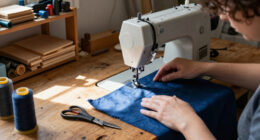
The best beginner sewing machine overall is the Brother GX37, which balances useful stitch variety with a straightforward mechanical design. The Brother XM2701 is a strong alternative for shoppers who want a lighter, simpler machine, while the Brother CS5055 suits beginners who prefer computerized controls. The main tradeoff is between compact machines with basic functions and sturdier models with more room to grow into heavier fabrics or quilting. Included kits can help you start sewing, but a large accessory bundle does not make a machine easier to learn on. Read on for the full breakdown and buying advice for all 15 picks.

Get business pricing on tools and workshop supplies
- Business-only prices and quantity discounts
- Tax-exempt purchasing
- Multiple users, one account, clear invoices
Complete the kit



Key Takeaways
- The Brother GX37 is the most balanced beginner pick: its mechanical controls and 37 built-in stitches offer room to learn without requiring a computerized interface.
- Portable minis and full-size machines serve different jobs: compact models are easier to store, while full-size options generally provide a more practical base for regular garment and home sewing.
- Stitch count is not the best measure of beginner value: reliable basic stitches, manageable threading, and accessible controls matter more for early projects.
- Heavy-duty labels should match the fabric you plan to sew: sturdier models make more sense for frequent denim or layered projects, but may be unnecessary for basic repairs and lightweight fabrics.
- Bundles vary in usefulness: a practical extension table or task-specific accessories can help more than a large thread assortment that does not address your main sewing needs.
| Zeuboary Portable Sewing Machine with 12 Stitches and 32-Color Thread Kit |  | Best for Portable, Flexible Practice | Brand and model: Zeuboary 505 | Stitch options: 12 | Controls: Foot pedal or push-button | VIEW LATEST PRICE | See Our Full Breakdown |
| SINGER Smart Heavy Duty 9120 Computerized Sewing Machine |  | Best for App-Guided Growth | Brand and model: SINGER Smart Heavy Duty 9120 | Machine type: Computerized sewing machine; embroidery capable with optional attachment | Stitch options: 200+ via the CREATIVATE app, plus built-in straight stitch | VIEW LATEST PRICE | See Our Full Breakdown |
| EVNEXTIA Beginner Sewing Machine with 12 Stitches and 42-Piece Kit |  | Best Starter Kit for Small Repairs | Brand and model: EVNEXTIA SSM-1X-101 | Stitch patterns: 12 | Speed settings: 2 | VIEW LATEST PRICE | See Our Full Breakdown |
| Verdanika 725 Portable Mini Sewing Machine |  | Best Mini Machine with Adjustable Tension | Brand and model: Verdanika 725 | Stitch options: 12 | Speed settings: 2 | VIEW LATEST PRICE | See Our Full Breakdown |
| Brother GX37 Sewing Machine with 37 Built-In Stitches |  | Best Overall for Everyday Beginner Sewing | Brand and model: Brother GX37 | Built-in stitches: 37 | Included sewing feet: 6 | VIEW LATEST PRICE | See Our Full Breakdown |
| Hearth & Harbor Mini Sewing Machine Kit for Beginners, Red |  | Best Beginner Project Kit | Brand: Hearth & Harbor | Model: HH-MINISWNGSET | Dimensions: 10.4 x 6.5 x 10.2 inches | VIEW LATEST PRICE | See Our Full Breakdown |
| Brother XM2701 Portable Sewing Machine with 27 Stitches | 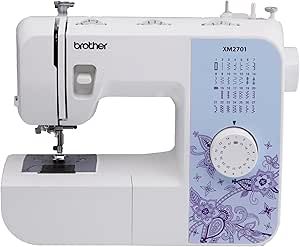 | Best Overall for Everyday Beginners | Brand: Brother | Model: XM2701 | Built-in stitches: 27 | VIEW LATEST PRICE | See Our Full Breakdown |
| KPCB Tech Mini Sewing Machine for Beginners with Fabric Bundle and Finger Guard |  | Best Mini Machine for Practice Fabric | Brand: KPCB Tech | Model: FHSM-201 | Dimensions: 10 x 9 x 6.9 inches | VIEW LATEST PRICE | See Our Full Breakdown |
| SINGER Heavy Duty 4452 Sewing Machine Bundle with Extension Table and Accessories |  | Best for Beginners Tackling Thick Fabrics | Model: 4452 | Built-in stitches: 32 | Stitch applications: 110 | VIEW LATEST PRICE | See Our Full Breakdown |
| Brother XR3774 Sewing and Quilting Machine with 37 Built-In Stitches |  | Best for Beginner Quilting | Brand: Brother | Model: XR3774 | Built-in stitches: 37 | VIEW LATEST PRICE | See Our Full Breakdown |
| Portable Sewing Machine with 16 Stitch Patterns and Single or Double Needle |  | Best for Stitching Variety in a Compact Machine | Brand and model: Crazyboy Deluxe Edition16 | Stitch patterns: 16 | Tension settings: 1–9 | VIEW LATEST PRICE | See Our Full Breakdown |
| Brother ST371HD Heavy-Duty Sewing Machine with 37 Built-In Stitches |  | Best for Everyday Repairs and Heavier Fabrics | Brand and model: Brother ST371HD | Machine type: Mechanical sewing machine | Built-in stitches: 37 | VIEW LATEST PRICE | See Our Full Breakdown |
| Brother CS5055 Computerized Sewing Machine with LCD Display |  | Best Computerized Pick for Learning New Stitches | Brand and model: Brother CS5055 | Built-in stitches: 60 | Buttonholes: 7 one-step styles | VIEW LATEST PRICE | See Our Full Breakdown |
| Brother XR9550 Computerized Sewing and Quilting Machine |  | Best for Beginners Ready to Quilt | Brand and model: Brother XR9550 | Built-in stitches: 165 total: 110 utility, decorative, and heirloom; 55 alphanumeric | Buttonholes: 8 auto-size styles | VIEW LATEST PRICE | See Our Full Breakdown |
| SINGER M1500 Lightweight Portable Sewing Machine with Accessory Kit |  | Best Portable Starter for Simple Sewing | Brand and model: SINGER M1500 | Stitch applications: 57 | Built-in stitches: 6 | VIEW LATEST PRICE | See Our Full Breakdown |
| beginner sewing machine | Brand and model | Dimensions | Built-in stitches |
|---|---|---|---|
| Zeuboary Portable Sewing Machi | Zeuboary 505 | 10.6 × 4.5 × 9.3 inches | — |
| SINGER Smart Heavy Duty 9120 C | SINGER Smart Heavy Duty 9120 | — | — |
| EVNEXTIA Beginner Sewing Machi | EVNEXTIA SSM-1X-101 | 12 × 11 × 6 inches (D × W × H) | — |
| Verdanika 725 Portable Mini Se | Verdanika 725 | 10.82 × 6.1 × 9.33 inches (D × W × H) | — |
| Brother GX37 Sewing Machine wi | Brother GX37 | 7 × 15 × 17 inches (D × W × H) | 37 |
| Hearth & Harbor Mini Sewing Ma | — | 10.4 x 6.5 x 10.2 inches | — |
| Brother XM2701 Portable Sewing | — | — | 27 |
| KPCB Tech Mini Sewing Machine | — | 10 x 9 x 6.9 inches | — |
| SINGER Heavy Duty 4452 Sewing | — | — | 32 |
| Brother XR3774 Sewing and Quil | — | — | 37 |
| Portable Sewing Machine with 1 | Crazyboy Deluxe Edition16 | — | — |
| Brother ST371HD Heavy-Duty Sew | Brother ST371HD | — | 37 |
| Brother CS5055 Computerized Se | Brother CS5055 | 7 × 17 × 12 inches | 60 |
| Brother XR9550 Computerized Se | Brother XR9550 | — | 165 total: 110 utility, decorative, and heirloom; 55 alphanumeric |
| SINGER M1500 Lightweight Porta | SINGER M1500 | 14.57 × 7.12 × 11.34 inches | 6 |
More Details on Our Top Picks
Zeuboary Portable Sewing Machine with 12 Stitches and 32-Color Thread Kit
The Zeuboary makes sense for beginners who want to practice in different spots or store a machine between projects. At 5.7 pounds, it is easier to carry than the Brother GX37, while its foot pedal or push-button controls let a new sewer try different ways of managing speed. The 12 stitch patterns, reverse sewing, extension table, and included 32-color thread kit cover basic practice and small repairs without needing to gather as many supplies first.
That portability comes with limits: its plastic construction is less reassuring for frequent work or heavier fabrics than the GX37’s larger setup. Battery operation can help when an outlet is inconvenient, but the four AA batteries are not included. I’d choose this for light, occasional projects, not as a long-term machine for bulky sewing.
Pros:- Lightweight 5.7-pound body is easy to carry and store.
- Foot-pedal and push-button operation give beginners control options.
- Extension table, LED light, thread cutter, and storage drawer support small projects.
- Includes a 32-color thread kit and 12 stitch patterns.
Cons:- Plastic construction may be less suited to frequent use or demanding fabric work.
- Four AA batteries for portable operation are not included.
Best for: Beginners with limited storage who want a lightweight machine for basic repairs and small projects, with the option to use batteries.
Not ideal for: People planning frequent sewing, heavier fabrics, or larger projects who would benefit from a more substantial machine such as the Brother GX37.
- Brand and model:Zeuboary 505
- Stitch options:12
- Controls:Foot pedal or push-button
- Power:AC adapter or 4 AA batteries (not included)
- Dimensions:10.6 × 4.5 × 9.3 inches
- Weight:5.7 pounds
- Material:Plastic
- Included thread:32 colors
Our verdict“Choose the Zeuboary for portable practice and basic repairs; choose the Brother GX37 for a more substantial setup and broader everyday use.”
SINGER Smart Heavy Duty 9120 Computerized Sewing Machine
The SINGER Smart Heavy Duty 9120 is the most feature-rich choice here for a beginner who expects to keep learning well beyond basic repairs. Its CREATIVATE app offers project guidance and access to more than 200 stitch options, including lettering and buttonhole styles; the Brother GX37’s 37 built-in stitches are simpler to select but offer less variety. A full metal interior frame, speed control, and a start/stop button make this a more capable platform for varied work than the compact Zeuboary.
The tradeoff is a steeper learning curve: some stitch choices and adjustments depend on the app, so it may not suit someone who wants entirely on-machine controls. The optional embroidery attachment is sold separately, and the broad feature set may be more than a first-time sewer needs. I’d pick it for app-comfortable beginners who want room to expand.
Pros:- CREATIVATE app provides stitch control, tutorials, and project guidance.
- More than 200 stitch options include utility, stretch, decorative, lettering, and buttonhole styles.
- Full metal interior frame supports a sturdier platform for varied sewing.
- Speed control, start/stop button, and built-in needle threader help make operation more manageable.
Cons:- Some stitch selection and adjustments rely on the app.
- Embroidery requires a separately sold attachment.
- The extensive features may feel complicated for someone seeking a basic first machine.
Best for: Tech-comfortable beginners who want guided learning, many stitch choices, and a machine they can grow into.
Not ideal for: New sewers who prefer straightforward physical controls or want embroidery included without buying a separate attachment.
- Brand and model:SINGER Smart Heavy Duty 9120
- Machine type:Computerized sewing machine; embroidery capable with optional attachment
- Stitch options:200+ via the CREATIVATE app, plus built-in straight stitch
- Maximum sewing speed:Up to 900 stitches per minute
- Frame:Full metal interior frame
- Bobbin system:Drop & Sew; Class 15 transparent bobbin
- App compatibility:CREATIVATE app for iOS and Android
- Needle threader:Built in
- Embroidery attachment:900E attachment sold separately
Our verdict“Pick the SINGER 9120 if you want app-guided learning and broad creative scope, but choose the Brother GX37 for simpler, on-machine beginner operation.”
EVNEXTIA Beginner Sewing Machine with 12 Stitches and 42-Piece Kit
The EVNEXTIA is aimed squarely at practice and modest jobs: hemming, simple repairs, and small fabric projects. Its two speed settings give a beginner a slower option while building control, and the free arm makes sleeves and pant legs easier to reach than on a flat-bed-only setup. The included 42-piece kit also gives it a more project-ready feel than the Verdanika 725’s described starter accessories, though both machines keep the stitch count to 12.
Its compact form is useful for storage, but the product information frames it around basic work rather than larger or demanding projects. The power source is listed as both battery-powered and corded electric without clarifying battery details, so I would verify the intended setup before buying. Compared with the Brother GX37, it offers fewer stitch options and a more limited stated scope; its appeal is the modest starter bundle.
Pros:- Two speed settings support gradual practice and more controlled sewing.
- Free arm helps reach sleeves and pant legs.
- Includes a 42-piece accessory kit and foot pedal.
- Compact dimensions make storage and moving it easier.
Cons:- Product description focuses on basic repairs and small fabric projects.
- Power is listed as battery-powered and corded electric, but the details are unclear.
- Twelve stitch patterns offer less variety than the Brother GX37’s 37.
Best for: First-time sewers who want a compact machine, a slow-speed practice option, and a kit for basic mending or small projects.
Not ideal for: Buyers who need clearly specified power arrangements or plan to sew larger projects and want more stitch variety, such as the Brother GX37 offers.
- Brand and model:EVNEXTIA SSM-1X-101
- Stitch patterns:12
- Speed settings:2
- Power:Listed as battery-powered and corded electric
- Dimensions:12 × 11 × 6 inches (D × W × H)
- Material:ABS
- Included kit:42-piece sewing kit
- Features:Free arm, sewing light, thread cutter, adjustable tension, bobbin winding
Our verdict“Choose the EVNEXTIA for a compact, bundled introduction to small sewing jobs, but look to the Brother GX37 for more stitch variety and broader project scope.”
Verdanika 725 Portable Mini Sewing Machine
The Verdanika 725 stands out among the mini machines for giving beginners more control over thread tension: its nine tension levels can help when stitches need adjustment as projects change. Two speed settings and reverse stitching add useful basics, while foot-pedal or button operation lets the user choose a control style. Compared with the Zeuboary, it specifies a metal frame and AC power, but it lacks the Zeuboary’s battery option and included 32-color thread kit.
This is still a small tabletop machine, not a substitute for a larger setup when fabric pieces become bulky. Its AC-only power also ties it to an outlet, and its 12 stitch patterns are modest beside the Brother GX37’s 37. I’d favor it over a bare-bones mini when adjustable tension matters, while keeping expectations to repairs and DIY projects that fit its compact work area.
Pros:- Nine thread tension levels give beginners adjustment options.
- Two speeds and reverse stitching cover useful foundational controls.
- Foot-pedal and power-button operation offer flexibility.
- Includes a starter set of presser feet, needles, bobbins, and thread spools.
Cons:- Compact tabletop size may constrain larger sewing projects.
- AC power requires access to an outlet.
- Twelve stitch patterns provide less variety than the Brother GX37.
Best for: Beginners working on small home repairs or DIY projects who want adjustable thread tension and a choice of pedal or button controls.
Not ideal for: Sewers handling large projects or needing battery-powered portability; its small format and AC-only power limit where and how it can be used.
- Brand and model:Verdanika 725
- Stitch options:12
- Speed settings:2
- Thread tension levels:9
- Controls:Foot pedal or power button
- Power:AC
- Frame:Metal
- Dimensions:10.82 × 6.1 × 9.33 inches (D × W × H)
Our verdict“Choose the Verdanika if adjustable tension is a priority in a compact machine, but choose the Brother GX37 for a broader range of everyday sewing options.”
Brother GX37 Sewing Machine with 37 Built-In Stitches
The Brother GX37 earns the broadest beginner appeal in this group by pairing useful everyday functions with a manageable feature set. Its 37 built-in stitches cover utility and decorative sewing, and the one-step buttonhole gives new users a straightforward way to finish garments. Compared with the Zeuboary and Verdanika mini machines, it is a more versatile choice for regular clothing repairs and quilting projects; unlike the SINGER 9120, its stitch selection does not depend on an app.
The automatic needle threader and jam-resistant drop-in bobbin reduce two common setup frustrations, while six sewing feet give beginners room to try different tasks. The tradeoffs are its corded, 120-volt power requirement and larger, heavier footprint than the mini options. I’d choose it as a first machine for someone planning to sew regularly, rather than needing a tiny machine for occasional touch-ups.
Pros:- 37 built-in stitches offer more variety than the 12-stitch mini machines.
- Automatic needle threader and jam-resistant drop-in bobbin simplify setup.
- One-step buttonhole supports straightforward garment finishing.
- Six included sewing feet and a free arm suit a range of everyday tasks.
Cons:- Corded 120-volt power limits use to compatible outlets.
- At 10.1 pounds and 17 inches wide, it is less compact than the Zeuboary.
- Its broader functions may be more machine than needed for occasional tiny repairs.
Best for: Beginners who expect to sew clothing repairs, simple garments, or quilting projects and want useful built-in variety without app-based controls.
Not ideal for: People who need a very lightweight machine, battery operation, or a model specified for use outside the US 120-volt market.
- Brand and model:Brother GX37
- Built-in stitches:37
- Included sewing feet:6
- Power:Corded electric
- Input voltage:120 volts
- Dimensions:7 × 15 × 17 inches (D × W × H)
- Weight:10.1 pounds
- Warranty:25-year limited
Our verdict“Choose the Brother GX37 as a versatile first machine for regular home sewing; choose a mini model such as the Zeuboary if portability matters more.”
Hearth & Harbor Mini Sewing Machine Kit for Beginners, Red
The Hearth & Harbor Mini is a starter package for learning on small, manageable projects rather than a machine for outfitting a full sewing space. Its illustrated guide covers 10 projects, and the included thread, bobbins, tools, and extension table give a new sewer supplies to practice with right away. Dual speeds let beginners start at a gentler pace, while the built-in light helps with visibility. Compared with the KPCB Tech FHSM-201, this kit emphasizes project instructions and offers dual power options; the KPCB instead includes fabric squares and a finger guard. The tradeoff is its two-pound, compact format: it is easy to store and carry, but the small work area limits larger garments and bulky materials. I’d choose it for guided practice, not as a long-term machine for expanding projects.
Pros:- Illustrated guide provides instructions and patterns for 10 projects
- Dual speed settings give beginners a slower starting option
- Dual power options and two-pound weight support portability
- Extension table, built-in light, and sewing supplies are included
Cons:- Small size limits the space available for larger pieces of fabric
- Beginner-focused mini design is not suited to advanced or heavy-duty sewing
Best for: First-time sewers who want a lightweight machine, basic supplies, and guided small projects in one kit
Not ideal for: People planning to sew full-size garments, quilts, or thick materials, since the mini format limits the work area and project range
- Brand:Hearth & Harbor
- Model:HH-MINISWNGSET
- Dimensions:10.4 x 6.5 x 10.2 inches
- Weight:2 pounds
- Power:Electric; dual power options
- Speed settings:2
- Included kit:48 pieces, including sewing supplies and extension table
- Project guide:Illustrated instructions and patterns for 10 projects
Our verdict“Choose this kit for guided practice and easy storage, but pick a full-size machine if you expect to take on larger projects.”
Brother XM2701 Portable Sewing Machine with 27 Stitches
The Brother XM2701 is the most balanced choice here for a beginner who wants to learn on a conventional, full-featured machine. Its 27 stitches, automatic one-step buttonhole, and six included feet leave room to try alterations, hems, and decorative details without starting on a mini model. The automatic needle threader and drop-in bobbin also reduce two common setup hassles. Compared with the Hearth & Harbor Mini, it offers a more versatile setup for everyday sewing, though it is less compact and does not bundle a project guide and broad starter-supply kit. The free arm is useful for sleeves and cuffs, while its lightweight build keeps it portable. One caution: the product information limits use to 120 V in the US and gives conflicting warranty details, so I would verify coverage before buying.
Pros:- 27 built-in stitches cover everyday, stretch, blind-hem, and decorative sewing
- Automatic needle threader and drop-in bobbin simplify setup
- Free arm provides access for cuffs, sleeves, and pant legs
- Six sewing feet and additional accessories support varied starter projects
Cons:- Product information restricts use or sale to the US at 120 V
- Warranty details conflict between the product description and item details
Best for: US-based beginners who want a portable full-size machine for clothing repairs, basic garments, and occasional quilting
Not ideal for: Buyers outside the US or anyone who needs clear, consistent warranty terms before purchase
- Brand:Brother
- Model:XM2701
- Built-in stitches:27
- Sewing feet:6
- Buttonhole:Automatic one-step
- Bobbin:Jam-resistant drop-in top bobbin
- Needle threader:Automatic
- Voltage:120 V
- Free arm:Yes
Our verdict“Pick the XM2701 for a capable everyday starter machine if its US-only use and unclear warranty terms fit your situation.”
KPCB Tech Mini Sewing Machine for Beginners with Fabric Bundle and Finger Guard
The KPCB Tech FHSM-201 has a more hands-on practice setup than the Hearth & Harbor Mini: it pairs a finger guard and two stitching speeds with 20 patterned cotton squares, so beginners can start sewing without sourcing practice fabric. Its double-thread design is listed for up to five fabric layers, which gives it a little more stated layering capacity than a basic mini machine. Tutorial videos, an extension table, and simple tools round out the package. Still, that capacity does not make it a substitute for a full-size machine. Compared with the Brother XM2701, the KPCB is more compact and beginner-oriented, while the Brother offers more stitch choices and features for ongoing garment sewing. This is the better fit for short practice sessions and small crafts; its mini format and 110 V US adapter narrow its usefulness for bigger work and international buyers.
Pros:- Finger guard adds a protective feature for beginners
- Two stitching speeds support slower practice and faster simple sewing
- Includes 20 patterned cotton fabric squares and tutorial-video access
- Double-thread design is specified for sewing up to five fabric layers
Cons:- Mini format limits the room and range of projects it can handle
- 110 V input and included US adapter may not suit international use
Best for: New sewers who want fabric included for practice and a finger guard while learning basic machine control
Not ideal for: People sewing large garments or quilts, or buyers who need a machine compatible with power systems outside its 110 V US setup
- Brand:KPCB Tech
- Model:FHSM-201
- Dimensions:10 x 9 x 6.9 inches
- Weight:3 pounds
- Input voltage:110 V
- Stitching speeds:2
- Maximum fabric layers:5
- Fabric bundle:20 patterned cotton squares, 8 x 8 inches each
- Included accessories:Extension table, foot pedal, sewing tools, and US adapter
Our verdict“Choose the KPCB for guided mini-machine practice with fabric included, not for a long-term full-size sewing setup.”
SINGER Heavy Duty 4452 Sewing Machine Bundle with Extension Table and Accessories
The SINGER Heavy Duty 4452 is the pick for a beginner whose first projects include denim, canvas, or multiple layers—not just light practice fabric. Its full metal frame, powerful motor, and adjustable presser-foot pressure offer more scope across fabric weights than the Brother XM2701, which is a more approachable choice for routine repairs and everyday sewing. The 4452 also supplies 32 built-in stitches and 110 stitch applications, plus a removable extension table for larger pieces. That strength comes with a steeper learning curve: its 1,100-stitch-per-minute maximum can feel fast to someone still learning control, and some projects call for manual stitch-length and width adjustments. The table also has to be attached when extra work surface is needed. I’d choose it for sturdy materials and room to grow, rather than for the simplest first lessons.
Pros:- Full metal frame and powerful motor support thicker fabrics and layered work
- Adjustable presser-foot pressure accommodates different fabric weights
- Removable extension table adds workspace for larger projects
- Built-in needle threader, top drop-in bobbin, and LED lighting aid setup
Cons:- Maximum speed of 1,100 stitches per minute may be challenging for beginners learning control
- Some projects require manual stitch-length and width adjustments
- Extension table must be attached separately when extra workspace is needed
Best for: Beginners who already plan to sew denim, canvas, or layered projects and want a sturdier machine to grow into
Not ideal for: New sewers focused on slow, simple practice or a compact setup, since its speed and larger-project orientation may feel like more machine than needed
- Model:4452
- Built-in stitches:32
- Stitch applications:110
- Maximum sewing speed:1,100 stitches per minute
- Frame:Full metal
- Bobbin:Top drop-in with clear-view cover
- Lighting:StayBright LED
- Presser-foot pressure:Adjustable
- Included workspace accessory:Removable extension table
Our verdict“Choose the 4452 if sturdy fabrics are part of your plans; for basic repairs and a gentler learning curve, the Brother XM2701 is a simpler fit.”
Brother XR3774 Sewing and Quilting Machine with 37 Built-In Stitches
The Brother XR3774 makes the most sense for beginners who want to sew ordinary projects and try quilting without buying a separate machine. Its 37 built-in stitches include quilting and decorative options, and the wide table gives larger pieces more support than the compact Hearth & Harbor and KPCB machines can offer. An automatic needle threader, top-loading bobbin, and eight included feet add useful variety without requiring a computerized setup. Compared with the Brother XM2701, the XR3774 is more tailored to quilting thanks to its wide table and broader stitch selection, while the XM2701 is lighter on quilting accessories and suited to everyday portability. The tradeoff is a 15-pound, corded 120 V machine intended for US use, so it is less convenient to move or use internationally. The listed USB cable is not included, which may matter if you expected one.
Pros:- 37 built-in stitches include quilting, decorative, and blind-hem options
- Wide table supports larger fabric pieces during quilting and sewing
- Automatic needle threader and top-loading bobbin simplify setup
- Includes eight sewing feet, a machine cover, and instructional DVD
Cons:- At 15 pounds, it is less portable than the mini machines and lightweight XM2701
- 120 V specification and US-use limitation make it a poor fit for many international buyers
- USB cable is not included
Best for: Beginners who want a conventional sewing machine with quilting stitches, a wide table, and several included presser feet
Not ideal for: People seeking a highly portable machine or buyers outside the US who need a different voltage setup
- Brand:Brother
- Model:XR3774
- Built-in stitches:37
- Buttonhole:One-step
- Needle threading:Automatic
- Bobbin:Top-loading
- Voltage:120 volts
- Weight:15 pounds
- Included accessories:Wide table, 8 sewing feet, machine cover, and instructional DVD
Our verdict“Choose the XR3774 if quilting is part of your learning plan and you can accommodate a heavier, US-voltage machine.”
Portable Sewing Machine with 16 Stitch Patterns and Single or Double Needle
For a beginner sewing mostly lightweight fabric who wants options beyond basic straight stitching, this Crazyboy Deluxe Edition16 offers 16 patterns and adjustable tension from 1 to 9. Its two-speed foot pedal gives new sewists a slower setting for practice, while reverse stitching and automatic thread cutting reduce a few routine steps. The single- and double-needle modes add flexibility, but they also make fabric limits worth taking seriously: the machine is specified for material up to 0.17 inches thick, and multiple layers may jam or tangle. Compared with the SINGER M1500, it offers more direct tension adjustment and a double-needle option, while the Singer has clearer preset stitch settings. I’d choose this for light projects, not denim or frequent layered sewing.
Pros:- 16 stitch patterns provide more variety than a basic straight-stitch machine.
- Adjustable tension offers control for different lightweight fabrics.
- Two-speed pedal lets beginners practice at a controlled pace.
- Reverse stitching, LED lighting, and automatic thread cutting support everyday sewing tasks.
Cons:- Designed for fabric no thicker than 0.17 inches.
- Six layers in single-needle mode may jam, while four layers in double-needle mode may tangle.
- The extra needle mode and tension adjustments may take practice to set up confidently.
Best for: Beginners sewing lightweight fabrics who want adjustable tension, several stitch patterns, and a compact machine for small projects.
Not ideal for: People planning to sew denim, bulky seams, or several fabric layers, since the specified thickness limit and reported jamming or tangling risks constrain those projects.
- Brand and model:Crazyboy Deluxe Edition16
- Stitch patterns:16
- Tension settings:1–9
- Needle modes:Single or double
- Foot pedal:Two speed modes
- Recommended fabric thickness:0.17 inches or less
- Lighting:LED
- Additional features:Reverse stitching and automatic thread cutting
Our verdict“Choose this machine for lightweight projects and stitch variety, but skip it if your beginner plans include thick or layered fabrics.”
Brother ST371HD Heavy-Duty Sewing Machine with 37 Built-In Stitches
The Brother ST371HD is the strongest fit here for beginners who expect to mend clothes, alter garments, and work across fabrics from silk to denim. Its 37 utility and decorative stitches cover practical tasks without the large stitch menus of computerized machines such as the Brother XR9550. A metal needle plate, automatic needle threader, and jam-resistant drop-in bobbin help make routine setup and sewing less fiddly; the free arm is useful for cuffs and sleeves. This is a mechanical machine, so stitch selection stays hands-on rather than screen-based. Its 800-stitches-per-minute maximum is adequate for learning and home sewing, but it offers less speed headroom than some heavy-duty alternatives in the roundup. I’d favor it over compact beginner models when fabric range matters more than portability.
Pros:- Designed to handle a broad fabric range, including lightweight silk and denim.
- 37 utility and decorative stitches include buttonhole and stretch options.
- Automatic needle threading and a jam-resistant drop-in bobbin simplify setup.
- Free arm helps sew cuffs, sleeves, and other narrow tubular sections.
Cons:- Its 800-stitches-per-minute maximum gives less speed headroom than some machines aimed at heavier work.
- Mechanical controls lack the LCD-guided selection found on the Brother CS5055 and XR9550.
- The included manual is in English and Spanish, which may not suit every learner.
Best for: New sewists who want one mechanical machine for clothing repairs, alterations, sleeves, and occasional denim projects.
Not ideal for: Beginners who prioritize a light machine for classes or want computerized stitch selection, an LCD, or a very broad decorative stitch library.
- Brand and model:Brother ST371HD
- Machine type:Mechanical sewing machine
- Built-in stitches:37
- Maximum sewing speed:800 stitches per minute
- Included sewing feet:6
- Bobbin:Jam-resistant drop-in top bobbin
- Needle threader:Automatic
- Needle plate:Metal
- Warranty:25-year limited
Our verdict“Pick the ST371HD if your beginner projects include repairs and denim, rather than prioritizing portability or computerized features.”
Brother CS5055 Computerized Sewing Machine with LCD Display
Beginners who want a machine that can grow with changing projects may prefer the Brother CS5055. Its 60 built-in stitches and seven one-step buttonhole styles offer substantially more choice than the mechanical Brother ST371HD, while the LCD makes stitch selection easier to follow than a long series of dials. An automatic needle threader and drop-in bobbin help reduce setup friction; the metal frame and fixed needle bar are intended to support steadier stitching. The workspace is also roomier than the compact SINGER M1500, which can help when guiding larger pieces. The tradeoffs are its 120-volt US-use restriction and a more involved computerized interface than a basic mechanical starter machine. It suits learners willing to spend time exploring settings, not those seeking the simplest controls.
Pros:- 60 built-in stitches and seven one-step buttonhole styles support varied projects.
- LCD display makes stitch selection and settings easier to identify.
- Automatic needle threading and a drop-in bobbin simplify setup.
- Metal frame and spacious needle-to-arm workspace support steadier sewing and larger pieces.
Cons:- Designed for 120-volt use in the US; other use or sale may void the warranty.
- The computerized controls may feel less direct than a simple mechanical machine.
- Its larger stitch selection can add setup choices for someone who only needs basic mending.
Best for: Beginners who want LCD-guided stitch selection, one-step buttonholes, and room to explore decorative or heirloom sewing.
Not ideal for: Sewists outside the US who need a machine suited to a different voltage, or beginners who want only simple mechanical controls.
- Brand and model:Brother CS5055
- Built-in stitches:60
- Buttonholes:7 one-step styles
- Display:LCD
- Frame material:Metal
- Included sewing feet:7
- Dimensions:7 × 17 × 12 inches
- Weight:10.5 pounds
- Input voltage:120 volts
Our verdict“Choose the CS5055 if you want a beginner-friendly route into computerized stitches and buttonholes and will use it in the US.”
Brother XR9550 Computerized Sewing and Quilting Machine
The Brother XR9550 makes the most sense for a beginner who already has quilting or larger creative projects in mind. Its 165 stitches include alphanumeric options, and the wide table gives fabric more support than the Brother CS5055 provides for general sewing. Drop feed enables free-motion work, while the eight presser feet and included hard case make this a more project-oriented setup than the simpler SINGER M1500. Automatic needle threading, a top drop-in bobbin, and an LCD soften the learning curve, but the breadth of features can be more machine than a first-time sewist needs for basic hems. It is also intended for 120-volt use in the US. I’d rank it below simpler choices for basic mending, but ahead of them for someone who expects quilting to become a regular part of sewing.
Pros:- 165 built-in stitches include alphanumeric options and eight automatic buttonhole styles.
- Wide table supports larger quilting pieces more effectively than a compact beginner machine.
- Drop feed enables free-motion sewing.
- Automatic needle threading, eight presser feet, and a protective hard case add useful support and storage.
Cons:- Its extensive features may be unnecessary for beginners doing only basic mending.
- Intended for 120-volt US use; other use or sale may void the warranty.
- The hard-case Styrofoam lining should not be removed.
Best for: New sewists planning quilts, free-motion practice, or decorative projects that benefit from a wide table and many stitch choices.
Not ideal for: Beginners focused on basic repairs who want a compact, uncomplicated machine, or buyers who need a machine for use outside the US.
- Brand and model:Brother XR9550
- Built-in stitches:165 total: 110 utility, decorative, and heirloom; 55 alphanumeric
- Buttonholes:8 auto-size styles
- Display:LCD
- Presser feet:8 included
- Free-arm capability:Yes
- Drop feed:Yes
- Voltage:120 V, intended for US use
- Warranty and support:25-year limited warranty; lifetime technical support
Our verdict“Choose the XR9550 if quilting is part of your beginner plan; choose a simpler machine if you mainly need dependable basic sewing.”
SINGER M1500 Lightweight Portable Sewing Machine with Accessory Kit
For a first machine that needs to move between home and sewing class, the SINGER M1500 keeps the controls approachable: a stitch selector dial, guided threading, and preset stitch length and width limit the number of decisions a beginner must make. Its 57 stitch applications cover sewing, quilting, crafts, and mending, though it has six built-in stitches rather than the larger stitch libraries on the Brother CS5055 or XR9550. At 9.7 pounds, it is easier to carry than those broader computerized machines. That portability comes with fewer adjustments: preset length and width leave less room to fine-tune a stitch, and the four-step buttonhole takes more handling than the one-step options on the Brother models. I’d choose it for straightforward learning and small-space storage, not for users who want detailed control or lots of automatic features.
Pros:- At 9.7 pounds, it is convenient to carry to classes or store in a small space.
- Guided threading and clearly marked stitch selection make initial setup more approachable.
- Preset stitch length and width reduce setup choices for basic sewing.
- Included presser feet and sewing accessories support common beginner tasks.
Cons:- Preset stitch length and width limit fine control over sewing results.
- The four-step buttonhole takes more manual handling than the one-step styles on the Brother CS5055.
- Six built-in stitches offer less variety than the computerized Brother options.
Best for: First-time sewists who need a light machine for classes, small living spaces, simple mending, and basic craft projects.
Not ideal for: Beginners who want adjustable stitch length and width, one-step buttonholes, or a broad range of built-in stitch types.
- Brand and model:SINGER M1500
- Stitch applications:57
- Built-in stitches:6
- Buttonhole:4-step
- Weight:9.7 pounds
- Dimensions:14.57 × 7.12 × 11.34 inches
- Warranty:One year
- Included accessories:All-purpose, zipper, and buttonhole feet; darning plate; needles; bobbins; screwdriver; spool pin felt; seam ripper/lint brush; soft-sided dust cover
Our verdict“Pick the M1500 if portability and simple controls matter more than adjustable stitch settings or one-step buttonholes.”
How We Picked
I compared these machines through the needs of a new sewer: clear controls, useful everyday stitches, a manageable learning curve, and enough capability for common first projects. I also weighed portability, construction and fabric range, included accessories, and whether features such as computerized settings or an extension table solve a real beginner problem.
The ranking favors balanced machines that can support practice beyond the first few projects, rather than models whose appeal rests mainly on a large kit or small footprint. Full-size Brother machines with accessible mechanical controls rank ahead of mini machines for general use; computerized and heavy-duty options rise for buyers with a specific need. Compact and bundled models still have a place, but their narrower use or less established feature detail makes them better fits for occasional sewing than as a default first machine.
Factors to Consider When Choosing Best Beginner Sewing Machines
Before choosing, match the machine to the projects you are likely to make and the space you have for sewing. A beginner does not need every stitch type, but the wrong format can make practice frustrating. These factors help separate a convenient starter from a machine you may outgrow quickly.
Choose a machine format that fits your sewing routine
A compact machine is useful if you sew occasionally, have limited storage, or want to move your setup between rooms. Its small size can also mean a smaller work area and fewer conveniences when handling garments or long seams. For regular practice, a full-size machine usually gives fabric more support and feels less restrictive as projects grow. Think about where the machine will sit while you sew, not just where it will be stored. A portable label does not tell you whether a model is comfortable for sustained use. If you expect to sew weekly, prioritize workspace and stability over the smallest footprint.
Prioritize the stitches you will actually use
Most first projects rely on straight stitching, zigzag, and sometimes a stretch or buttonhole stitch. A long stitch list can look attractive, but decorative options rarely compensate for controls that are hard to understand. Check whether stitch selection and length adjustment are clear enough to use without repeatedly consulting instructions. Beginners often benefit more from learning a few dependable stitches than from sorting through dozens of choices. If you plan to sew knits, confirm that the machine offers a suitable stitch and that you understand what needle and fabric combination it needs. Choose extra stitch options for a real project plan, not as a scorecard.
Match construction and needle capability to your fabrics
Fabric thickness is shaped by the whole project: denim hems, bag straps, and folded seams create more layers than a single piece of cotton. A heavy-duty designation can be helpful for frequent thick-fabric work, but it does not make every machine a substitute for an industrial model. If your plans center on lightweight garments and repairs, a standard beginner machine may be easier to justify. Before sewing a valued garment, practice on scraps with the same number of layers. Use the correct needle and thread for the material rather than forcing the machine through resistance. Repeated skipped stitches or strained movement are signs to reassess the setup or the machine’s limits.
Judge beginner friendliness by setup and controls, not stitch count
Threading, bobbin setup, stitch selection, and changing presser feet are the tasks a beginner repeats most. A machine that explains these steps clearly can save more frustration than one with advanced features. Computerized controls may make stitch selection more visible, while a mechanical model can offer a more direct set of dials and fewer settings to interpret. Neither control style is automatically easier for everyone. Look for clear instructions and check whether the machine has the basic features your projects require. Also consider how easy it will be to access the bobbin area and clean lint from it.
Read bundles as a convenience, not proof of value
A starter kit can save a separate trip for basic supplies, but included thread, fabric, and tools vary in usefulness. The machine itself should remain the deciding factor because you can replace consumables later. Extension tables are more meaningful when you plan to quilt or manage large pieces of fabric; extra colors of thread may matter less if they do not suit your projects. Check exactly what an advertised bundle includes instead of assuming that every accessory is compatible or necessary. Set aside room in your budget for suitable needles, quality thread, fabric, and basic maintenance supplies. Those essentials can improve the learning experience more than a crowded accessory box.
Plan for maintenance and the projects you may grow into
Every sewing machine needs basic care, including removing lint and replacing needles when they become dull or bent. Read the manual before oiling a machine, since maintenance instructions differ by model. A machine that is easy to thread and clean is more likely to stay pleasant to use after the novelty wears off. Consider whether your likely next projects involve quilting, heavier fabrics, or mainly clothing repairs. Paying for features you will not use can add complexity without helping you learn. On the other hand, a modest step up in workspace or stitch control can be worthwhile if you already know your projects will expand.
Frequently Asked Questions
Is a mini sewing machine a good first machine for learning?
It can be a sensible first choice for occasional repairs, small projects, or a home where storage is limited. The tradeoff is that a compact machine may offer less workspace and feel less suited to long seams or larger pieces of fabric. If you want to learn garment construction or sew regularly, a full-size option is usually a more flexible starting point. Decide based on the projects you expect to practice, rather than assuming a smaller machine is easier to use. Check the model’s stated functions and instructions before buying, since compact designs differ.
Should I choose a computerized machine or a mechanical one as a beginner?
Choose based on which controls you find easier to understand. Computerized machines can make stitch selection more visible and offer convenient preset options, while mechanical models often keep adjustments direct and familiar. A computerized display is not a substitute for learning threading, tension, and fabric handling. Mechanical controls are not automatically simpler if their markings are unclear. If possible, compare the control layout and manual before deciding. For a first machine, clarity of setup matters more than the control type itself.
Do I need a heavy-duty sewing machine to sew denim?
Not necessarily for occasional repairs or a simple hem, but thick, folded seams place more strain on a machine than lightweight fabric does. A heavy-duty model may be a better fit if denim, canvas, or layered bags will be regular projects. Needle choice, thread, seam thickness, and a steady sewing pace also affect results. Do not force the fabric if the machine struggles, and test on scraps before working on a finished item. If most of your sewing will use cotton or lightweight clothing fabric, a standard machine may be the more sensible choice.
What should I buy besides the machine before starting?
Start with suitable needles, thread, fabric scraps for practice, fabric scissors, and a seam ripper. A tape measure and pins or clips also help with common beginner projects. Check the machine’s included accessories and manual first so you do not duplicate items or buy parts that do not fit. A large starter bundle can be convenient, but its contents may not match the fabrics you intend to sew. Good thread and the right needle often matter more to stitch quality than extra decorative supplies.
Which type of beginner machine makes the most sense for quilting?
For quilting, prioritize an extension table or room to support larger fabric pieces, along with stitch controls that suit piecing and basic quilting. A machine advertised for sewing and quilting may offer useful features, but the label alone does not tell you how comfortable it will be with a full quilt. Consider whether you will make small projects or handle larger quilts, since workspace needs change considerably. Beginners can start with smaller quilt blocks and build skills before taking on bulky layers. If quilting is a firm goal, favor workspace and project handling over a large decorative stitch selection.
Conclusion
For most new sewers, I recommend the Brother GX37 as the best overall because it balances accessible mechanical operation with enough stitch choice to support varied beginner projects. The Brother XM2701 is my best value-style pick for someone who wants a straightforward, portable full-size machine, while the SINGER Heavy Duty 4452 bundle is the best premium-style option for buyers expecting frequent work with thicker fabrics and who can use its included table and accessories. If you want the best machine for learning the basics, start with a simple mechanical model such as the GX37 or XM2701 rather than paying for features you will not use. For sewing and quilting plans, look toward the Brother XR3774 or XR9550; for occasional repairs and tight storage, a mini model may fit better. Choose the machine that matches your real projects, workspace, and appetite for learning extra controls.