
If you want to guarantee your dyes stay vibrant and long-lasting, I recommend a high-quality colorfastness test kit that’s compatible with various dye types like fiber-reactive or acid dyes. Look for one that’s easy to use, provides clear results, and is durable for repeated testing. Investing in the right kit saves time and preserves color quality over time. Keep going, and you’ll discover more about choosing the best option for your needs.
Key Takeaways
- Choose a test kit compatible with the specific dye type (fiber-reactive, acid, or basic) for accurate results.
- Opt for a kit with durable, stable reagents to ensure consistent performance over multiple tests.
- Select a user-friendly kit with clear instructions and visual indicators for straightforward interpretation.
- Prioritize kits offering comprehensive testing methods, including wash and light exposure tests, for long-term colorfastness assessment.
- Consider quality, reputation, and value to ensure reliable results that protect vibrancy and extend fabric lifespan.
Color Analysis Draping Kit, At Home Color Season Kit (Essential)
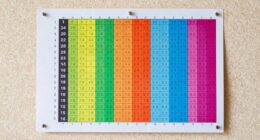
If you’re looking to discover your personal best shades at home, the Color Analysis Draping Kit is an excellent choice. I found it incredibly useful for identifying whether I belong to Spring, Summer, Autumn, Winter, or Neutral seasons. The kit comes with 28 high-quality fabric drapes, a shopping card, and easy-to-follow instructions, making the process straightforward and fun. It helps you determine your warm or cool undertones and find flattering colors for clothing and makeup. Plus, it’s perfect for building a cohesive wardrobe that enhances your natural beauty. Overall, it’s a practical, affordable tool to elevate your personal style confidently.
Best For: individuals interested in discovering their personal best shades at home to enhance wardrobe, makeup, and style choices.
Pros:
- Includes 28 high-quality fabric drapes and a shopping card for comprehensive color analysis.
- Easy-to-follow instructions make it suitable for beginners to perform professional-level assessments.
- Fun and educational, ideal for solo use or group activities like parties and team-building events.
Cons:
- Fabric swatches may be less durable and could bleed or fade with washing over time.
- Packaging issues such as unwrapped swatches or unwanted critters have been reported by some users.
- Initial warm vs cool undertone tests can be misleading without understanding color depth and saturation for accurate results.
Factors to Consider When Choosing Colorfastness Test Kits for Dyes
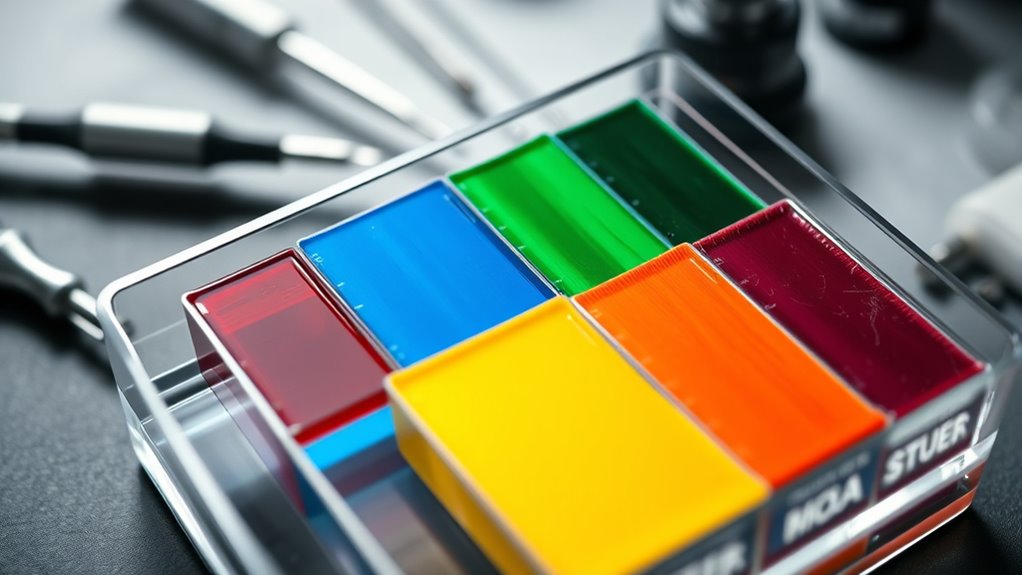
When selecting a colorfastness test kit, I consider the testing methods it offers and how well they match my needs. I also check if it’s compatible with different dyes, provides reliable results, and is easy to use. Finally, I weigh the cost against the value it delivers to ensure I get the best performance for my budget.
Testing Methods Available
Choosing the right colorfastness test kit depends on understanding the different testing methods available, each designed to evaluate specific aspects of dye durability. Wash tests are common; they repeatedly launder fabric to monitor color retention and fading over multiple cycles. Light exposure tests assess how well dyes resist fading when exposed to sunlight or UV light over a set period. Crocking tests evaluate dye transfer through rubbing or friction, highlighting potential bleeding issues. Each method targets a different challenge dyes face in real-world use. When selecting a kit, consider your fabric’s intended environment, the type of dye used, and the specific conditions it will encounter. Understanding these testing options helps guarantee you choose the most effective kit for maintaining long-lasting vibrancy.
Compatibility With Dyes
Selecting the right colorfastness test kit requires ensuring compatibility with the specific dyes used on your fabrics. I always check that the kit is suitable for the dye type—whether fiber-reactive, acid, or basic—since different dyes react differently. It’s vital to verify that the reagents are formulated for the specific dye class to deliver accurate results. I also consider if the chemicals are safe for the fabric type, preventing any damage or dye alteration during testing. Confirming that the test method aligns with industry standards for your dye and fabric combination is essential. Finally, I look for clear instructions on compatibility testing to avoid false positives or negatives, ensuring reliable outcomes that truly reflect the fabric’s colorfastness.
Durability of Results
Have you ever considered how long your colorfastness test results will hold up? The durability largely depends on the quality and stability of the dyes in your fabric samples. High-quality test kits use dyes that resist fading even after multiple washes, giving you consistent, reliable results over time. Environmental factors like sunlight, heat, or chemicals during testing can weaken results, so proper handling is essential. Repeated testing on the same sample may cause dye or fabric degradation, reducing accuracy. That’s why choosing a kit with durable, stable materials is vital. Proper storage and careful handling help preserve the integrity of your results. Ultimately, investing in a test kit designed for longevity ensures your assessments remain accurate and reliable, saving you time and effort in the long run.
Ease of Use
When evaluating colorfastness test kits, ease of use is a key factor that can greatly impact your testing experience. A straightforward kit should include clear, step-by-step instructions that guide you through each stage without requiring specialized training. Look for simple application methods, like swabs or fabric strips, which don’t need complex procedures or extra equipment. Kits with pre-measured reagents or standardized testing materials help reduce user error and save time. Additionally, a user-friendly design minimizes preparation and calibration, making testing quick and hassle-free. Visual indicators, such as color charts or comparison panels, should be intuitive and easy to interpret, so you can confidently assess dye durability without guesswork. Overall, an easy-to-use kit streamlines the process and ensures reliable results.
Cost and Value
Choosing the right colorfastness test kit involves balancing cost with value to guarantee you get accurate results without overspending. Basic kits are more affordable and suited for hobbyists, while advanced options offer detailed analysis and multiple tests, justifying their higher price. When evaluating cost, consider the longevity and reusability of the components—durable kits may cost more upfront but save money long-term. Keep in mind that budget-friendly options might lack accuracy or essential features, so assess whether the lower price compromises reliability. Investing in a well-priced, quality kit can ultimately reduce repeated testing and improve dyeing results, saving you both time and money. Finding the right balance ensures you get thorough, reliable testing without unnecessary expenditure.
Frequently Asked Questions
How Often Should I Test My Dyed Fabrics for Colorfastness?
I recommend testing your dyed fabrics every few months, especially if they’re exposed to frequent washing, sunlight, or harsh conditions. Regular testing helps make certain the colors stay vibrant and don’t fade prematurely. If you notice any dulling or fading, it’s a good idea to test immediately. Staying proactive with testing keeps your fabrics looking fresh and vibrant for longer, saving you time and money in the long run.
Can Colorfastness Test Kits Be Used on Synthetic and Natural Fibers?
Absolutely, colorfastness test kits can be used on both synthetic and natural fibers. Think of them as universal detectives, revealing whether your fabrics will keep their vibrant hue over time. I’ve tested them on everything from cotton to polyester, and they work just as well. Just make sure to follow the instructions carefully for accurate results, and you’ll know if your fabrics are built to last or need some extra care.
What Is the Typical Shelf Life of a Colorfastness Test Kit?
The typical shelf life of a colorfastness test kit is about one to two years, but it varies depending on storage conditions. I always recommend keeping it in a cool, dry place, away from direct sunlight, to preserve its effectiveness. Regularly check the expiration date on the packaging, and if the chemicals seem degraded or the results become inconsistent, it’s time to replace the kit for accurate testing.
Are There Eco-Friendly Options Available for Colorfastness Testing?
Yes, eco-friendly options for colorfastness testing do exist! I’ve found that some brands use natural or biodegradable chemicals that reduce environmental impact. These kits often avoid harsh synthetic dyes and solvents, making them safer for the planet. I recommend looking for tests labeled as organic or environmentally friendly, as they’re designed with sustainability in mind. Switching to eco-friendly options not only benefits the environment but also guarantees safer testing practices.
How Do I Interpret the Results of a Colorfastness Test Accurately?
To interpret my colorfastness test results accurately, I compare the test fabric’s color before and after washing or rubbing. If the color remains vibrant and there’s minimal transfer, I consider it fast. Significant fading or dye transfer indicates poor colorfastness. I also follow the kit’s provided chart for specific ratings, ensuring I understand what each result means for durability. This helps me choose dyes and fabrics that last longer.
Conclusion
So, after all this talk about test kits and durability, you’d think finding the perfect one would be a breeze, right? Turns out, ensuring your dyes stay vibrant is a bit like chasing a rainbow—beautiful but elusive. But hey, with the right kit, at least you’ll have a fighting chance. Who knew that a tiny test could save your favorite fabrics from fading into oblivion? Now, go confidently—your colors depend on it!