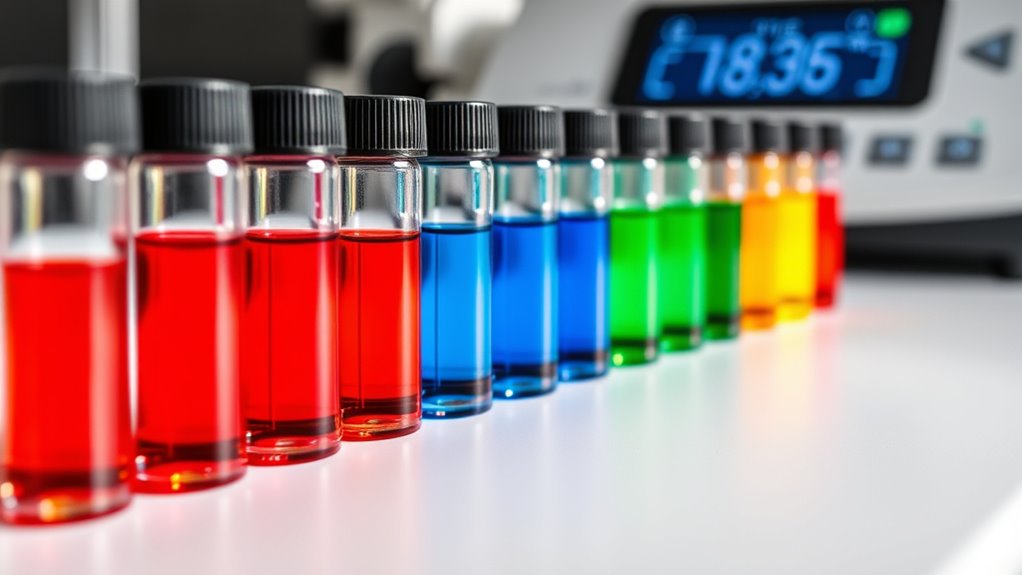

When testing dye colorfastness, selecting the right kit depends on your specific needs—whether for outdoor maintenance or textile quality control. The Anderson Manufacturing FT601 Dye Tester stands out for its convenience and compact design, ideal for quick outdoor testing. In contrast, the Manual Color Crockmeter offers a comprehensive, laboratory-grade solution for detailed textile analysis. Both options have their strengths and tradeoffs: the FT601 is pre-filled and ready to go, but limited in scope, while the crockmeter provides thorough testing but requires manual effort and is more suited to professional settings.

Get business pricing on tools and workshop supplies
- Business-only prices and quantity discounts
- Tax-exempt purchasing
- Multiple users, one account, clear invoices
Complete the kit


Key Takeaways
- The Anderson FT601 is best for quick outdoor dye testing and ease of use, but lacks detailed testing capabilities.
- The manual crockmeter offers more precise textile colorfastness testing but requires manual effort and setup.
- Pre-filled kits save setup time but may limit customization or scope of testing.
- Laboratory-grade equipment like the crockmeter provides detailed results but is less portable and more complex.
- Choosing depends on whether you prioritize convenience or detailed analysis.
| Anderson Manufacturing FT601 Dye Tester Pre-Filled |  | Best for quick outdoor dye testing | Product Type: Outdoor dye tester | Package Length: 3.048 cm | Package Width: 3.048 cm | VIEW ON AMAZON | See Our Full Breakdown |
| Manual Color Crockmeter for Textile Dry and Wet Rubbing Fastness Testing – 16mm Friction Head, 200 Cloths |  | Best for detailed textile colorfastness testing | Friction Head Diameter: 16mm | Cloth Count: 200 | Application: Textile colorfastness testing | VIEW ON AMAZON | See Our Full Breakdown |
| colorfastness test kits for dye | Product Type | Package Length | Package Width | Package Height |
|---|---|---|---|---|
| Anderson Manufacturing FT601 D | Outdoor dye tester | 3.048 cm | 3.048 cm | 16.002 cm |
| Manual Color Crockmeter for Te | — | — | — | — |
More Details on Our Top Picks
Anderson Manufacturing FT601 Dye Tester Pre-Filled
The Anderson Manufacturing FT601 Dye Tester is designed for outdoor use, with the advantage of being pre-filled, allowing immediate testing without fuss. Its compact size makes it highly portable, perfect for outdoor maintenance or quick checks. Compared with more detailed laboratory kits, this device offers simplicity and convenience, but it’s limited in scope—lacking detailed results or multiple testing modes. The absence of customer reviews makes it harder to gauge long-term reliability, but its straightforward design appeals to users needing a rapid, easy solution for outdoor dye testing.
Pros:- Pre-filled for immediate use
- Compact and lightweight design
- Suitable for outdoor testing environments
Cons:- Limited product information and no customer reviews
- No detailed testing capabilities
- Designed mainly for quick, surface-level assessments
Best for: Outdoor maintenance professionals or hobbyists needing quick dye fastness checks in outdoor settings
Not ideal for: Laboratory researchers or those requiring detailed colorfastness data for textiles
- Product Type:Outdoor dye tester
- Package Length:3.048 cm
- Package Width:3.048 cm
- Package Height:16.002 cm
Our verdict“A practical choice for quick outdoor dye testing, but not suited for in-depth or laboratory analysis.”
Manual Color Crockmeter for Textile Dry and Wet Rubbing Fastness Testing – 16mm Friction Head, 200 Cloths
The Manual Color Crockmeter offers a comprehensive testing solution tailored for textiles. Its 16mm friction head and inclusion of 200 cloths and a transfer card enable detailed assessments of dry and wet rubbing fastness. Compared to the pre-filled Anderson kit, this device demands manual operation, which can be more effort but yields precise, laboratory-grade results. It’s ideal for quality control labs, research, or professional textile testing. However, the manual operation might be tiring over extended use, and the absence of digital features means it’s less convenient for high-volume testing.
Pros:- Includes 200 cloths and transfer card for thorough testing
- Manual operation allows precise control
- Compact design suitable for laboratory use
Cons:- Manual effort required, which may be tiring
- Limited to textile applications
- No digital or automated features
Best for: Textile manufacturers, quality control labs, or researchers needing detailed colorfastness data
Not ideal for: Hobbyists or outdoor testers who prefer quick, simple results
- Friction Head Diameter:16mm
- Cloth Count:200
- Application:Textile colorfastness testing
- Operation:Manual
Our verdict“A detailed, manual testing kit best suited for professional textile quality control.”
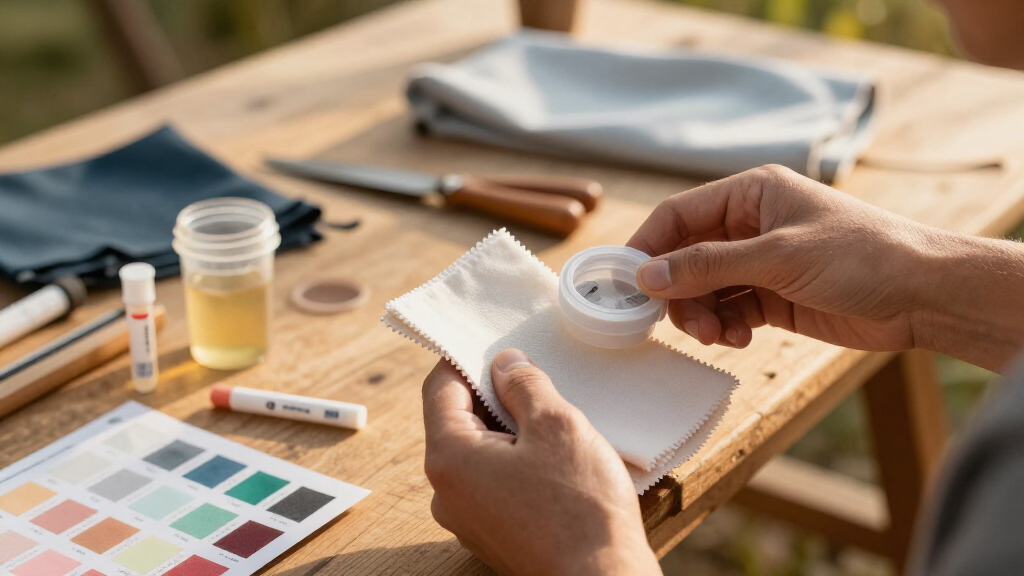
How We Picked
We evaluated colorfastness test kits based on their suitability for specific testing environments, ease of use, comprehensiveness of included materials, and user feedback. Priority was given to products that offer reliable results, clear instructions, and appropriate features for either outdoor or textile testing. We also considered the practicality of each kit’s design, whether pre-filled or manual, to match different user needs—from quick outdoor checks to detailed textile analysis.
Factors to Consider When Choosing Colorfastness Test Kits For Dyes
Choosing the right colorfastness test kit depends on your specific testing environment, desired level of detail, and convenience. Whether you need a quick outdoor test or a detailed laboratory analysis, understanding the key differences will help you make an informed decision.
Testing Environment
If you often test outdoors or need rapid results, a pre-filled, portable kit like the Anderson FT601 offers unmatched convenience. For indoor, detailed textile analysis, a manual crockmeter provides the precision and thoroughness required for professional quality control.
Ease of Use vs. Detail
Pre-filled kits save setup time but may lack versatility, suitable for quick checks. Manual crockmeters, while more effort-intensive, deliver detailed results necessary for research and manufacturing quality assurance.
Budget and Scope
Pre-filled outdoor testers tend to be more affordable and straightforward but limited in scope. Laboratory-grade crockmeters are more expensive but offer comprehensive testing capabilities, making them a worthwhile investment for detailed analysis.
Frequently Asked Questions
What is colorfastness testing?
Colorfastness testing measures how well a dye or pigment withstands various conditions such as washing, rubbing, or exposure to light. This process ensures that textiles or dyed materials maintain their color over time, which is vital for quality assurance and consumer satisfaction.
Can I use the Anderson FT601 for indoor textile testing?
The Anderson FT601 is primarily designed for outdoor testing and quick assessments. It may not provide the detailed results or the control needed for indoor textile testing or quality control purposes. For more precise results, a dedicated textile test kit like the crockmeter would be preferable.
How manual are the crockmeters?
Most crockmeters, including the one reviewed here, operate manually. This means you need to manually apply friction, which can be labor-intensive but allows for precise control over testing conditions. They do not typically feature digital automation, so consistent manual effort is necessary for reliable results.
Are these test kits suitable for professional use?
The crockmeter is well-suited for professional textile laboratories needing detailed, repeatable results. The Anderson FT601 is more suited for casual, outdoor testing, or quick checks, making it less appropriate for formal quality control processes.
What should I consider before buying a colorfastness test kit?
Consider your testing environment, whether you need quick or detailed results, and your budget. Outdoor testers like the FT601 are convenient for field use, while laboratory-grade kits like the crockmeter provide comprehensive data but require more effort and investment.
Conclusion
If you need a simple, portable solution for outdoor dye testing, the Anderson FT601 is a practical choice that offers quick results with minimal setup. For professionals or serious hobbyists focused on textile quality, investing in a manual crockmeter provides the detailed, reliable data necessary for quality assurance. Your choice should align with your testing environment, desired accuracy, and how much effort you’re willing to invest.
Fall Picks
fall essentials
As an affiliate, we earn on qualifying purchases.