

TL;DR
Mortgage rates have fallen to their lowest point since May, according to recent reports. This development could influence home affordability and market activity. The exact reasons for the decline are still being analyzed.
Mortgage rates have fallen to their lowest level since May, according to recent reports from ABC News. This decline is expected to influence homebuyer activity and the broader housing market, making borrowing more affordable for some borrowers.
Data from financial sources indicates that the average 30-year fixed mortgage rate has dropped to approximately 6.5%, the lowest since May. Experts attribute this decline to recent shifts in the Federal Reserve’s monetary policy stance and declining bond yields, which typically influence mortgage rates.
Mortgage lenders have begun to lower their rates in response, with some offering new fixed-rate options below 6.5%. Industry analysts suggest this could lead to increased homebuying activity in the coming months, especially among first-time buyers and those refinancing existing loans.
However, it is still unclear how long these lower rates will persist, as market conditions and Federal Reserve policies remain subject to change. Additionally, some lenders may have different criteria, leading to variability in available rates across regions and borrower profiles.
Why the Drop in Mortgage Rates Matters for Homebuyers and the Market
The decline in mortgage rates to their lowest since May could make homeownership more accessible for many Americans by reducing borrowing costs. This may stimulate increased activity in the housing market, potentially boosting home sales and prices.
For current homeowners, lower rates could mean more refinancing opportunities, helping reduce monthly payments or access equity. Conversely, if rates remain low, it could influence Federal Reserve decisions on interest rate policies, impacting the broader economy.
Market observers note that sustained lower mortgage rates could support a more active housing market but caution that other factors, such as housing supply and economic conditions, will also play critical roles.
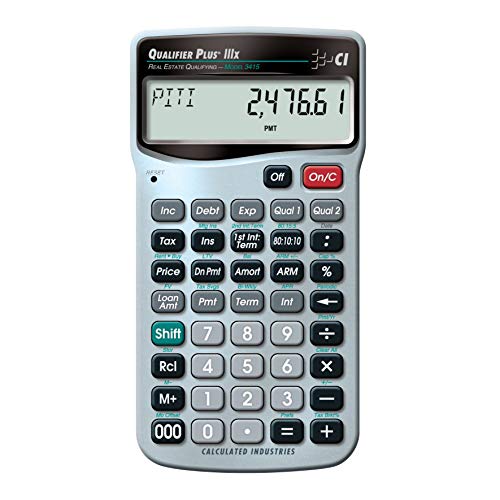
Calculated Industries 3415 Qualifier Plus IIIx Advanced Real Estate Mortgage Finance Calculator | Simple Operation | Buyer Pre-Qualifying | Solves Payments, Amortization, ARMs, Combos, FHA, VA, More
- Language-Specific Keys: Clear labels in mortgage terms
- Easy Financial Calculations: Solves payments, amortization, ARMs, and more
- Buyer Pre-Qualification: Pre-qualify clients based on income and expenses
As an affiliate, we earn on qualifying purchases.
As an affiliate, we earn on qualifying purchases.
Recent Trends and Factors Behind Mortgage Rate Fluctuations
Mortgage rates have experienced volatility over the past year, influenced by Federal Reserve interest rate adjustments, inflation trends, and bond market movements. After reaching recent highs in early 2023, rates have gradually declined as the Fed signaled a pause in rate hikes and market expectations shifted.
Prior to this decline, mortgage rates hovered around 7% or higher, dampening homebuyer affordability. The recent drop to below 6.5% marks a notable shift, driven partly by declining Treasury yields and investor sentiment favoring lower borrowing costs.
Experts have indicated that while this decline is significant, it is part of broader economic adjustments, and rates could fluctuate further depending on inflation data and Federal Reserve policy signals.
Factors That Could Influence Future Mortgage Rate Movements
It is not yet clear how long the current low rates will last, as they depend on Federal Reserve policies, inflation trends, and bond market dynamics. Market analysts are watching upcoming economic data and Fed statements closely to gauge future movements.
Additionally, regional differences and lender-specific criteria may lead to variability in available mortgage rates, complicating predictions for consumers and industry observers.
Next Steps for Homebuyers and Market Watchers
Market participants should monitor Federal Reserve communications and economic indicators for signs of rate stabilization or further declines. Homebuyers considering refinancing or purchasing should consult with lenders to explore current offers, as rates may continue to fluctuate.
Real estate professionals anticipate increased activity if rates remain low, but they caution that housing supply constraints and economic conditions will also influence market trends in the coming months.
Key Questions
How much have mortgage rates decreased since May?
Mortgage rates have fallen from around 7% or higher in early 2023 to approximately 6.5%, reaching their lowest point since May.
What is causing the decline in mortgage rates?
The decline is mainly attributed to changes in Federal Reserve policy, declining bond yields, and shifts in investor sentiment favoring lower borrowing costs.
Will mortgage rates stay low for long?
It is uncertain; rates depend on upcoming economic data, inflation trends, and Federal Reserve decisions. Analysts suggest they could fluctuate further.
How might this impact homebuyers?
Lower mortgage rates could reduce monthly payments, making homeownership more affordable and potentially increasing home sales activity.
Should I consider refinancing now?
Homeowners interested in refinancing should consult with lenders to determine current offers, as rates are still subject to change based on market conditions.
Source: google-trends