
TL;DR
A Hunker report describes a do-it-yourself front-door wreath made by gluing cleaned, painted pistachio shells in overlapping layers to resemble flowers. The project uses a cardboard or pool-noodle base and offers a way to reuse shells, though the time required and the wreath’s outdoor durability are not quantified.
Hunker has outlined a DIY front-door wreath made from cleaned, painted pistachio shells arranged in overlapping layers to resemble flower petals. The project turns a food byproduct into customizable door decor, but the report describes it as a time-intensive craft and does not provide independent testing of how well it holds up outdoors.

Get business pricing on tools and workshop supplies
- Business-only prices and quantity discounts
- Tax-exempt purchasing
- Multiple users, one account, clear invoices
The instructions call for a wreath base made from cardboard, a pool noodle, or an old wreath, along with pistachio shells, adhesive, twine or ribbon, and spray paint. For a cardboard base, the report suggests cutting a circular ring from reused packaging. It says a 24-inch diameter can suit a standard 36-inch-wide door, though that is a design suggestion rather than a universal sizing rule.
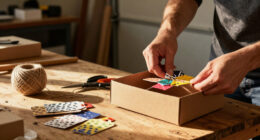
Before assembly, the shells should be rinsed in hot water to remove residue and left to dry on a baking sheet. The maker can paint them one color or sort them into shades, coating both sides. To form each bloom, glue three or four shells upright at the center of a small cardboard circle, then add more shells around them in layers, placing adhesive along the lower edge of each shell. The flower size and number are left to the maker’s design.
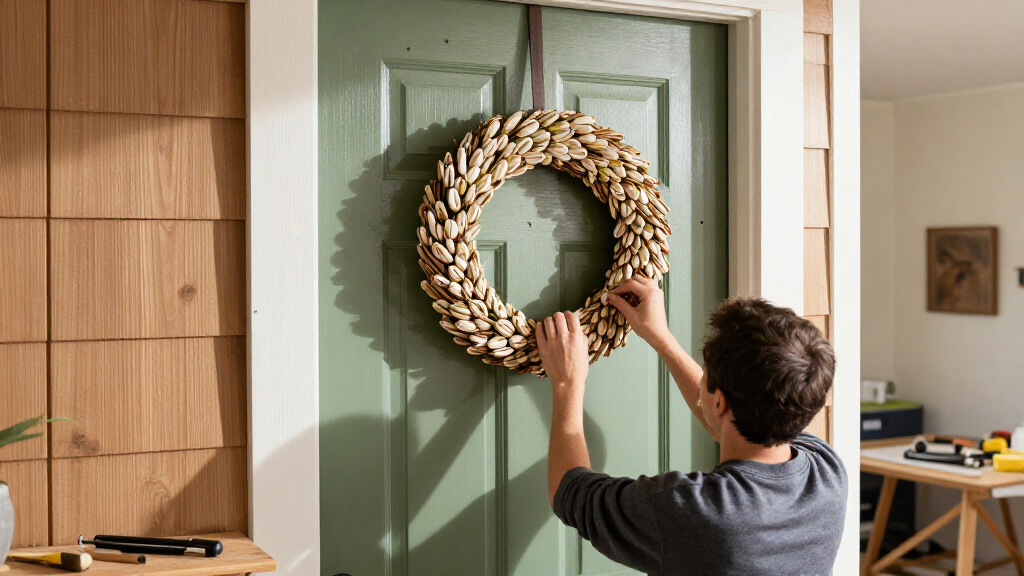
After the flowers are assembled, the guide says to attach them to the wreath form and add a ribbon for hanging once the adhesive has set. It suggests changing the flower colors or ribbon to suit a season or occasion. Adhesive options named in the report include a glue gun, super glue, or B7000; the source does not compare their performance on different materials or in outdoor conditions.
A Reuse-Based Alternative to Fresh Blooms
The project offers readers a way to make a personalized wreath from materials that may already be at home, rather than buying a ready-made decoration or fresh flowers. It may appeal to people seeking a lower-cost craft or a way to reuse shells and packaging, although the report provides no price estimate and does not establish that the finished wreath will cost less than store-bought options.
Its main practical trade-off is time. Each flower requires shells to be cleaned, dried, painted, and glued in layers, and the report warns that the small details take time. In return, the maker can choose the colors, flower sizes, and arrangement. Hunker says the shell blooms can last season after season and withstand everyday handling, but those durability statements are the report’s claims, not results from a documented outdoor test.
Popular right now

Hisense E7 Cinema Series 65-Inch Hi-QLED Mini-LED 4K UHD Smart Fire TV

TCL 55-Inch R7D Series QLED 4K UHD HDR Roku Smart TV (55R7D, 2026)

Hisense 55E6QF 55-Inch E6 Cinema Series 4K QLED Smart Fire TV
As an affiliate, we earn on qualifying purchases.
How the Shell Flowers Are Built
The guide’s approach is based on overlapping shell layers: shells are set upright at a flower’s center, then added outward to create a bloom shape. Small cardboard circles serve as supports for each flower before the finished blooms are attached to the larger wreath form.
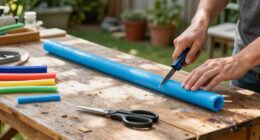
For the base, the report offers two made-from-scratch choices. A cardboard ring can be cut from a shoe box or shipping box; alternatively, a pool noodle can be bent into a circle, secured at its ends with duct tape, and wrapped in twine or ribbon. A stored wreath can also be reused. The instructions suggest positioning the hanging ribbon so the wreath sits about 14 inches below the top of the door, but do not explain how that placement should change for different doors or hardware.
““you’ll have to sweat the small details for this DIY.””
— Hunker report
Outdoor Wear and Project Costs
The source does not give a materials budget, completion time, or shell count, so readers cannot estimate the project’s exact cost or workload from the instructions alone. It also does not specify which paint or adhesive is best for exposure to sunlight, rain, or temperature changes. While Hunker says the flowers will hold up season after season, it supplies no testing details or maintenance guidance to support a precise lifespan.
The suggested hanging position and wreath dimensions are starting points, not measurements confirmed for every entryway. The finished wreath’s weight, resistance to wind, and suitability for a covered or uncovered door are also not addressed.
Choose Materials Before Assembly
Readers following the guide can begin by choosing a base and collecting enough clean shells for their intended design. They should allow time for the shells to dry fully after rinsing and for paint and adhesive to set, following the product labels. The source gives no specific drying or curing times, so those steps depend on the materials used.
Before hanging the finished wreath, makers can check that the flowers are firmly attached and that the ribbon or other hanging method fits their door. Whether the decoration will remain in good condition outdoors, and how often it might need repair or repainting, remains unreported.
Key Questions
How do you make flowers from pistachio shells?
Rinse and dry the shells, then paint both sides. Glue three or four shells upright at the center of a small cardboard circle and add more shells in overlapping layers until the flower reaches the desired size.
What can be used as a wreath base?
The Hunker guide suggests a cardboard ring, a pool noodle wrapped in twine or ribbon, or an old wreath that can be reused.
Is the wreath suitable for outdoor use?
The report says the shell flowers can hold up season after season, but it does not describe outdoor testing or identify paint and adhesive products rated for rain or sun. The wreath’s performance will depend on the materials and where it is hung.
How long does the project take?
The source does not provide a completion-time estimate. It cautions that the small details require time, including cleaning, drying, painting, and attaching the shells.
Can the wreath be changed for different seasons?
Yes. The guide suggests painting the flowers in different colors and switching the twine or ribbon to alter the look for a season or occasion.
Source: hunker.com