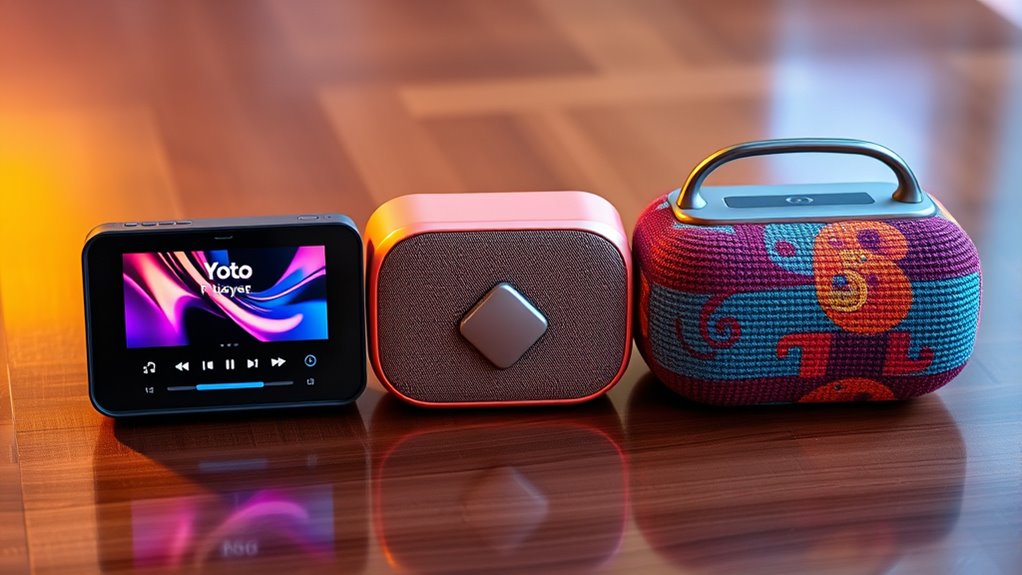

Choosing between the Yoto Player and Toniebox depends on what kind of experience you want for your child. The Yoto Player (3rd Gen.) stands out for its versatility, offering a range of functions like nightlight, thermometer, and multiple audio options, making it ideal for parents seeking a multi-use device. The Toniebox, on the other hand, is known for its simple, tactile interface and extensive library of character-themed figurines that are easy for little hands to use. For those prioritizing screen-free entertainment, both options excel, but they differ significantly in content management, expandability, and interactive features. My top picks include the Yoto Player for its robustness and versatility, the Yoto Mini for its portability, and the Toniebox for its tactile simplicity. Each offers unique tradeoffs, so understanding those differences is key to selecting the best fit for your child’s needs.

Get business pricing on tools and workshop supplies
- Business-only prices and quantity discounts
- Tax-exempt purchasing
- Multiple users, one account, clear invoices
Complete the kit


Key Takeaways
- The Yoto Player (3rd Gen.) combines multifunctionality with a vivid display, making it suitable for varied activities beyond listening.
- The Yoto Mini is ideal for travel, offering portability and a long battery life, but relies heavily on physical cards for content.
- The Toniebox emphasizes tactile, character-based interaction, making it very intuitive for younger children but less flexible for custom content.
- Content expandability and customization are better with Yoto, whereas Toniebox relies on pre-designed figurines and content sets.
- Choosing depends on whether you prioritize screen-free physical interaction or flexible content and device features.
| YOTO Player (3rd Gen.) + Starter Pack for Little Kids Bundle |  | Best Overall for Versatility and Content Expandability | Model: 3rd Gen. | Includes: YOTO Player, Starter Pack | Battery Life: Up to 16 hours | VIEW ON AMAZON | See Our Full Breakdown |
| YOTO Marvel: Spidey & His Amazing Friends – Audio Card, Ages 3+ |  | Best for Superhero Fans and Themed Content | Brand: YOTO | Series: Marvel: Spidey & His Amazing Friends | Type: Audio Card | VIEW ON AMAZON | See Our Full Breakdown |
| Yoto Mini (2024 Edition) – Kids Travel Audio Player, Screen-Free, Ages 3-12 |  | Best for Portability and Interactive Content | Brand: YOTO | Model: 2024 Edition | Age Range: 3-12+ | VIEW ON AMAZON | See Our Full Breakdown |
| YOTO Player (3rd Gen) – Kids Audio Player, Screen-Free, Ages 3-12 |  | Best for Creative Play and Independence | Battery Life: Up to 16 hours | Internal Storage: 32GB | Compatibility: Yoto Cards, Yoto App | VIEW ON AMAZON | See Our Full Breakdown |
| Yoto Mini (2024 Edition) + Starter Pack for Little Kids Bundle, Ages 3+ |  | Best for Easy Setup and Extensive Content Library | Device Type: Audio Player | Display: Pixel display | Battery Life: Up to 14 hours | VIEW ON AMAZON | See Our Full Breakdown |
| yoto player vs toniebox review | Battery Life | Display |
|---|---|---|
| YOTO Player | Up to 16 hours | Vivid pixel display |
| YOTO Marvel: Spidey & His Amaz | — | — |
| Yoto Mini | Up to 14 hours | — |
| YOTO Player | Up to 16 hours | Pixel display |
| Yoto Mini | Up to 14 hours | Pixel display |
More Details on Our Top Picks
YOTO Player (3rd Gen.) + Starter Pack for Little Kids Bundle
The YOTO Player (3rd Gen.) stands out for its multi-functionality—playing stories, music, podcasts, and serving as a nightlight and thermometer. It offers a large, vivid display that enhances engagement, particularly for preschoolers who may benefit from visual cues. Compared to the Toniebox, which relies solely on figurines, the Yoto’s ability to customize content via physical cards and its multi-use features make it a strong all-rounder. However, it does depend on purchasing audio cards, which can add to ongoing costs, and it lacks built-in visual interaction beyond the display. This makes it better suited for parents seeking a device that grows with their child and offers diverse features, but less ideal if you want a simple, tactile experience.
Pros:- Versatile functions including nightlight, thermometer, and alarm clock
- Large, colorful display for visual cues
- Expandable content via physical cards
Cons:- Requires purchase of audio cards, increasing ongoing costs
- Limited visual interaction beyond the display
- Battery life varies with usage
Best for: Parents wanting a multifunctional device that combines storytelling, music, and smart features in one.
Not ideal for: Families seeking a purely tactile, character-based experience without ongoing content purchases.
- Model:3rd Gen.
- Includes:YOTO Player, Starter Pack
- Battery Life:Up to 16 hours
- Display:Vivid pixel display
- Features:Parental controls, nightlight, alarm clock, room thermometer, Bluetooth speaker
Our verdict“A versatile, expandable device ideal for parents wanting a multi-use, screen-free entertainment hub.”
YOTO Marvel: Spidey & His Amazing Friends – Audio Card, Ages 3+
This audio card offers superhero stories from Marvel’s Spidey & His Amazing Friends, designed for children aged 3 and up. It delivers screen-free storytelling and is very easy to use—just insert into a compatible Yoto device. Compared to the Yoto Player, which offers broader functions and content, this card is focused solely on a specific theme, making it perfect for young Marvel fans but less adaptable for varied entertainment needs. It requires a Yoto Player or Mini for use, so it’s not standalone. For parents wanting themed, character-driven content that sparks imagination, this is a strong pick; for those seeking broader functionality, a full Yoto device is better.
Pros:- Engages children with popular Marvel characters
- Easy to insert and control
- Wide range of stories, music, and activities
Cons:- Requires a Yoto device for use
- Limited content without purchasing more cards
- No visual or interactive features beyond audio
Best for: Parents seeking themed storytelling for Marvel fans aged 3+.
Not ideal for: Families wanting a device with extensive content options without additional purchases.
- Brand:YOTO
- Series:Marvel: Spidey & His Amazing Friends
- Type:Audio Card
- Ages:3+
- Running Time:35 min
Our verdict“Great for Marvel fans but limited in scope without further content purchases or compatible devices.”
Yoto Mini (2024 Edition) – Kids Travel Audio Player, Screen-Free, Ages 3-12
The Yoto Mini (2024 Edition) brings portability and interactive features into a compact package, perfect for travel and bedtime. Its physical pixel display can show simple images or animations, making it more engaging than basic audio players. It supports over 1000+ cards, including audiobooks, educational activities, and music, making it highly versatile. Compared to the larger Yoto Player, the Mini sacrifices some size and feature depth but gains in portability. Its long battery life and app control make it suitable for children aged 3 to 12, though it relies on physical cards for content, which can get lost. This makes it ideal for families prioritizing travel-friendly, screen-free entertainment with a touch of interactivity.
Pros:- Compact, lightweight, perfect for travel
- Supports a vast library of over 1000 cards
- Interactive pixel display enhances engagement
Cons:- Requires physical cards, which can be misplaced
- No built-in Wi-Fi or internet access
- Some features may need app familiarity
Best for: Travelers or parents wanting a portable, content-rich device for kids on the go.
Not ideal for: Families seeking a device with built-in Wi-Fi or internet access for streaming.
- Brand:YOTO
- Model:2024 Edition
- Age Range:3-12+
- Battery Life:Up to 14 hours
- Content Type:Audiobooks, music, educational activities, podcasts, soundscapes
Our verdict“A portable, engaging device ideal for travel and on-the-go families, though content management relies on physical cards.”
YOTO Player (3rd Gen) – Kids Audio Player, Screen-Free, Ages 3-12
The YOTO Player (3rd Gen.) is designed to foster independent, creative play with a focus on safety and offline content. Its vivid pixel display, combined with functions like sleep sounds, alarm, and thermometers, makes it a well-rounded device for children aged 3-12. Compared to the Mini, it offers more internal storage (32GB) and offline capabilities, making it better suited for long trips without internet. However, like other Yoto models, it depends on physical cards for content, which can be lost or require ongoing purchase. It’s a good choice for parents who want a device that encourages self-directed activity and safe, screen-free fun but may be less appealing for those wanting multimedia or internet features.
Pros:- Encourages creative and independent play
- Long battery life with fast charging
- Multiple functions including sleep sounds and alarm
Cons:- Requires physical Yoto Cards for content
- Limited to audio content only
- May be costly for some budgets
Best for: Parents seeking a durable, offline-capable device for creative and independent play.
Not ideal for: Families wanting streaming or internet-connected content features.
- Battery Life:Up to 16 hours
- Internal Storage:32GB
- Compatibility:Yoto Cards, Yoto App
- Display:Pixel display
- Connectivity:USB-C fast charge
Our verdict“A durable, offline-focused device perfect for fostering independent play and safety, with the tradeoff of needing physical cards.”
Yoto Mini (2024 Edition) + Starter Pack for Little Kids Bundle, Ages 3+
This Yoto Mini bundle combines portability with a large content library, including stories, music, and activities. Its simple card system and app control make it very user-friendly for young children and parents alike. Compared to the standard Mini, this bundle includes a starter pack to jump-start entertainment options, making it particularly appealing for families new to screen-free audio devices. While it offers significant content options, the reliance on physical cards for content means that additional purchases are often necessary for expanding the library. It’s a flexible, easy-to-use device that emphasizes simplicity and variety, ideal for busy households needing a portable multimedia option.
Pros:- Simple setup with app and card controls
- Large content library with over 1000 cards
- Child-friendly design with parental controls
Cons:- Limited content without purchasing additional cards
- Requires charging for portable use
- Some features may need app familiarity
Best for: Parents seeking a straightforward, content-rich, travel-friendly device for kids.
Not ideal for: Families wanting internet streaming or built-in Wi-Fi features.
- Device Type:Audio Player
- Display:Pixel display
- Battery Life:Up to 14 hours
- Content Compatibility:1000+ cards including stories, music, activities, podcasts
- Connectivity:Bluetooth, app control
Our verdict“A versatile, easy-to-use portable device with extensive content, perfect for families seeking simplicity and variety.”

How We Picked
We selected these products based on their popularity, feature sets, and user reviews from trusted sources. We prioritized devices that focus on screen-free entertainment, ease of use for young children, and expandability through physical cards or figurines. Devices with long battery life, parental controls, and content diversity rated higher, helping us identify options suitable for different budgets and ages. We also considered the tradeoff between simplicity and functionality, aiming to highlight products that serve specific parenting styles and child preferences.
| yoto player vs toniebox review | Battery Life | Display |
|---|---|---|
| YOTO Player | Up to 16 hours | Vivid pixel display |
| YOTO Marvel: Spidey & His Amaz | — | — |
| Yoto Mini | Up to 14 hours | — |
| YOTO Player | Up to 16 hours | Pixel display |
| Yoto Mini | Up to 14 hours | Pixel display |
Factors to Consider When Choosing Yoto Player Vs Toniebox Review
When deciding between a Yoto Player and Toniebox, consider what features matter most for your child’s age, interests, and your household routines. Both prioritize screen-free entertainment but approach content and interaction differently. The Yoto offers more customization, expandability, and multifunctionality, making it suitable for parents who want a device that can grow with their child and serve multiple purposes. The Toniebox emphasizes tactile, character-based interaction, which appeals to younger children and simplifies content selection. Your choice should reflect whether you value versatility and content control or tactile simplicity and character familiarity.
Content and Expandability
Yoto devices excel in offering a broad library of physical cards, which cover stories, music, and educational content. This allows parents to customize and expand their child’s experience over time, though it requires ongoing purchases. Toniebox relies on figurine-based content, which is easy for kids to use but less flexible for customization. If you prefer a device with a wide range of content options, Yoto’s ecosystem is more adaptable. Conversely, if simplicity and themed content are your priority, Toniebox’s character figurines are more appealing.
Ease of Use and Engagement
Both devices are designed to be child-friendly, but they approach engagement differently. The Toniebox’s tactile, character figurines are intuitive for very young children, making it easy for them to select and listen independently. The Yoto Player’s physical cards and digital controls offer more variety and interactivity, but may require more setup and understanding. For parents seeking a straightforward, tactile experience, Toniebox wins. For those wanting more control and a richer library, Yoto provides more options, albeit with a slightly steeper learning curve.
Portability and Design
The Yoto Mini and the standard Yoto Player are both portable, with the Mini being especially travel-friendly thanks to its small size and long battery life. Toniebox is inherently portable as well, with a soft, durable design perfect for young children. If you need a device primarily for travel or bedtime routines, the Mini or Toniebox are excellent choices. The larger Yoto Player offers more features but is less portable, making it better suited for stationary use at home.
Price and Content Costs
Yoto devices tend to have a higher upfront cost but offer vast content expandability through physical cards, which can be purchased gradually. Toniebox is often less expensive initially but may incur ongoing costs for figurine content sets. Consider whether you prefer to invest upfront in a device with an extensive library or to add content gradually through physical figurines or cards. This tradeoff influences long-term value and content flexibility.
Frequently Asked Questions
Are Yoto players suitable for very young children?
Yes, Yoto players are designed with safety and ease of use in mind, featuring tactile controls and a screen-free design. Their physical cards and simple interface make them suitable for children as young as three, especially with parental controls to limit content access and volume. However, younger children may find the card system challenging to manage over time, so supervision or help may be needed initially.
Can I stream music or stories directly on a Yoto device?
Most Yoto devices rely on physical cards for content, and do not have built-in Wi-Fi or internet access for streaming. However, some models support app control for managing content and updates. For streaming or internet-based content, a device with Wi-Fi or a dedicated app is necessary, but this typically involves a different device or additional accessories.
Is the Toniebox better for younger children than Yoto?
The Toniebox is often preferred for very young children because of its tactile, character figurines that are easy for small hands to grasp and operate. Its simple interface minimizes frustration and encourages independent use without screens. Yoto devices, while versatile, may be more suitable for slightly older children who can handle physical cards and navigate multiple functions.
How does battery life compare between these devices?
Most Yoto models, including the Mini and 3rd Gen., offer impressive battery life, often up to 14-16 hours on a single charge. The Toniebox’s battery life is similar, generally lasting for a full day of use depending on the activity. If portability and long battery life are priorities, both options perform well, but Yoto’s longer battery life on some models gives it a slight edge for extended travel or day-long use.
Are there any ongoing costs with Yoto or Toniebox?
Yes, both platforms can involve ongoing costs. Yoto typically requires purchasing physical cards to expand content libraries, which adds to the overall expense over time. Toniebox requires buying new figurines or audio sets for new stories or music, also incurring ongoing costs. The initial device price is usually comparable, but your long-term expenses depend on how much content you want to add and how often you purchase new figurines or cards.
Conclusion
For parents prioritizing a highly customizable, multifunctional device with extensive content options, the Yoto Player or Mini makes the most sense. They are especially suitable for households that want to grow their library over time and prefer offline, physical content. On the other hand, families seeking a simple, tactile experience that younger children can operate independently may find the Toniebox to be a better fit. Its character figurines and intuitive design make it ideal for very young children and those who value ease of use over expandability. Your choice should align with your child’s age, your content preferences, and whether portability or simplicity is most important.
Fall yard work Picks
leaf blowers
As an affiliate, we earn on qualifying purchases.