
Gussets are fabric inserts that help you add needed room and flexibility to outfits, improving fit and comfort. To avoid weird wrinkles, choose the right gusset style and placement, like underarms or crotch areas, and match the fabric for stretch and durability. Carefully sew and align the gusset, using pins and consistent tension, then finish seams neatly. Keep these tips in mind, and you’ll master gusset adjustments that look smooth and professional. Stay with us to learn more!

Get business pricing on tools and workshop supplies
- Business-only prices and quantity discounts
- Tax-exempt purchasing
- Multiple users, one account, clear invoices
Key Takeaways
- Choose the appropriate gusset style and shape to match the garment’s movement and avoid puckering.
- Carefully align and pin the gusset to surrounding fabric before sewing to prevent shifting and wrinkles.
- Use a consistent seam allowance and sewing tension, especially when working with stretch fabrics.
- Reinforce and press seams flat to reduce bulk and improve the garment’s appearance and fit.
- Finish seams with serging or zigzag stitches to prevent fraying and maintain a smooth, professional look.
Popular right now

De'Longhi Stilosa Compact Manual Espresso Machine with Milk Frother

Breville Bambino Espresso Machine, Brushed Stainless Steel

Philips 4400 Series Fully Automatic Espresso Machine with LatteGo Milk System
As an affiliate, we earn on qualifying purchases.
What Are Gussets, and How Do They Improve Fit and Comfort?
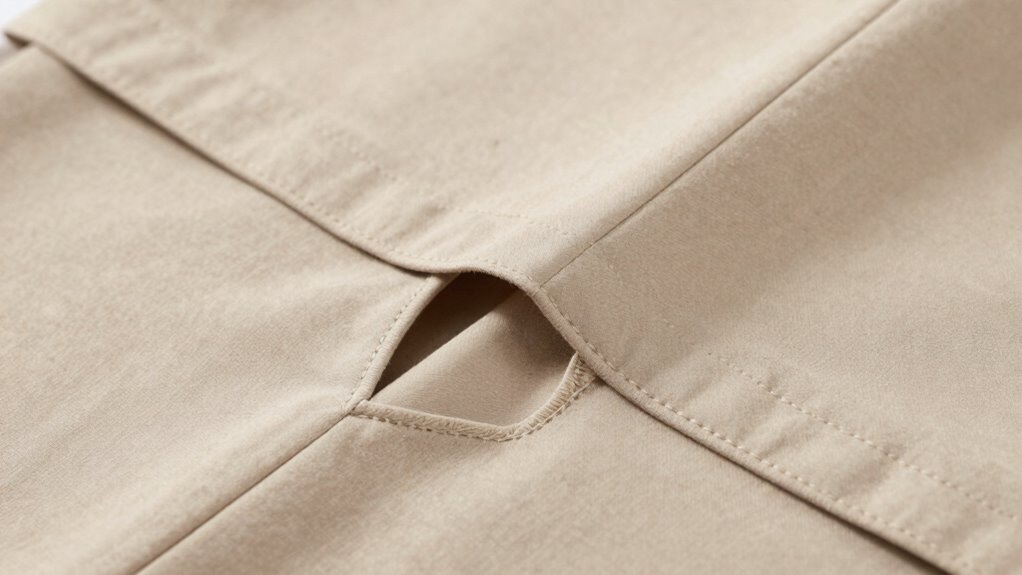
Ever wondered how some clothing fits so well and feels comfortable all day? That’s often thanks to gussets—fabric inserts that add extra room and flexibility. Gussets come in various fabric types, like cotton, spandex, or mesh, chosen to match or enhance the garment’s purpose. To sew a gusset neatly, you’ll need the right sewing tools: sharp pins, a good pair of scissors, and a sewing machine with versatile stitches. These tools help you precisely attach the gusset without puckering or bunching. When sewn correctly, gussets improve fit by reducing tightness and preventing strain in key areas. They also boost comfort by allowing better movement, making your clothes more functional and comfortable throughout the day. Additionally, understanding fabric elasticity can help you select the most suitable gusset material for optimal stretch and durability. Recognizing how fabric stretchability interacts with gusset design can further enhance the overall fit and longevity of your garments.
How to Choose the Best Gusset Style and Placement for Your Project
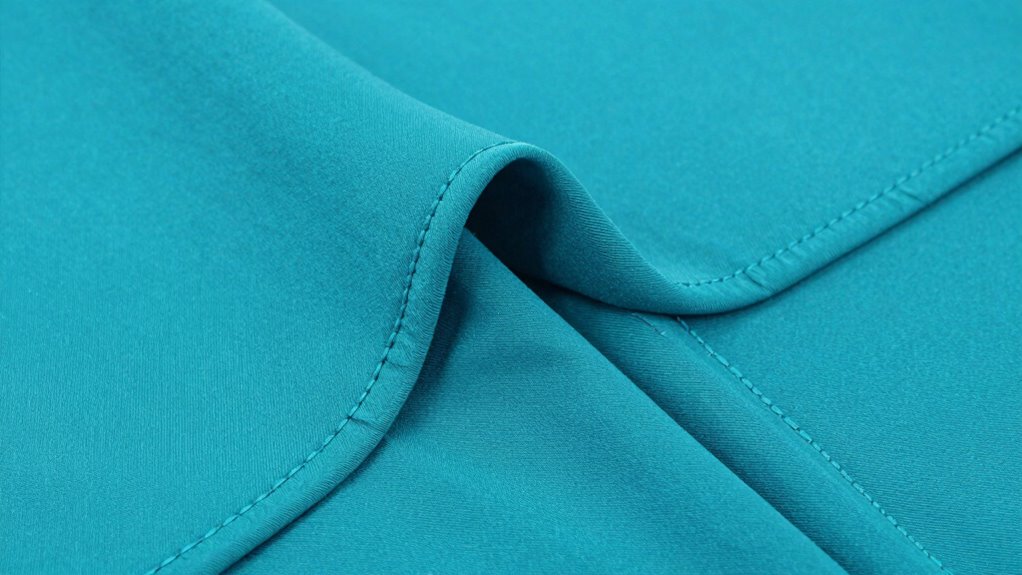
Choosing the right gusset style and placement depends on your project’s specific needs and the area of the garment you’re improving. To do this effectively, consider these factors:
- Match your fabric selection to ensure flexibility and durability, especially if the gusset needs to stretch.
- Adjust your pattern to accommodate the gusset shape and size, making necessary pattern adjustments for a clean fit.
- Think about placement—whether in the underarm, crotch, or side seam—to maximize comfort and avoid wrinkles.
- Select a gusset style (diamond, triangular, or gusseted panel) based on the amount of extra room required and the garment’s intended movement.
These choices will help you customize your project precisely without compromising on fit or style.
Step-by-Step Tips for Sewing Gussets Smoothly and Avoiding Wrinkles
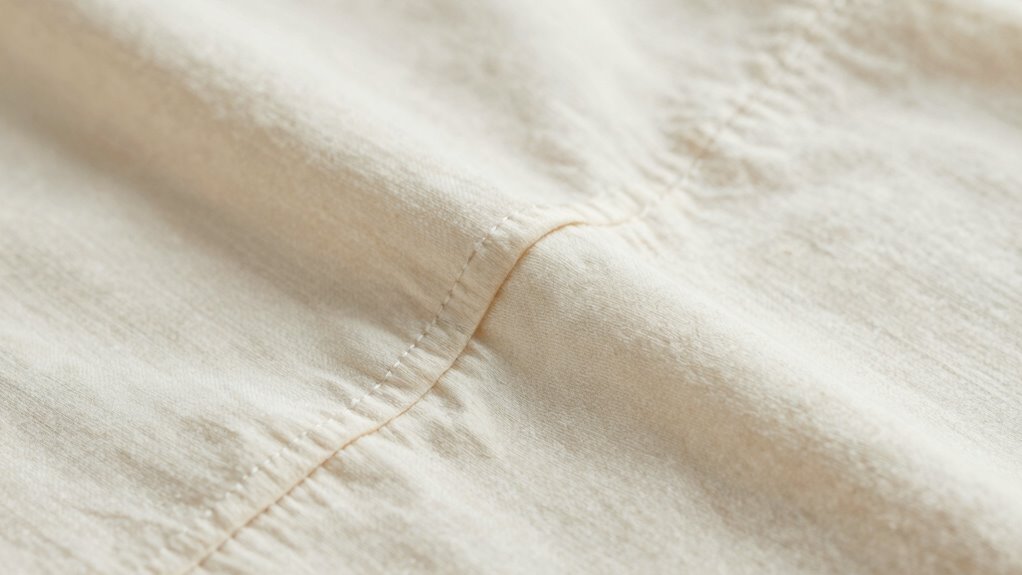
To sew gussets smoothly and prevent wrinkles, start by carefully aligning the gusset with the surrounding fabric. Use pins or clips to secure it, ensuring even distribution of fabric stretch. When sewing, go slowly and use the appropriate sewing tools, like a sharp needle and matching thread, to maintain control. Stitch with a consistent seam allowance, and avoid stretching the fabric as you sew. Paying attention to fabric tension throughout the process can significantly improve the final result. Additionally, selecting the right sewing techniques can help achieve a professional finish. Proper fabric preparation, including pressing and marking, also contributes to a smooth assembly. Ensuring good fabric stability during sewing helps prevent shifting and puckering, which results in a smoother appearance. Maintaining consistent seam allowances throughout your stitching can further improve the overall finish. Following these steps helps create smooth gussets free of wrinkles, giving your project a polished look.
Common Mistakes That Cause Gusset Wrinkles and How to Fix Them
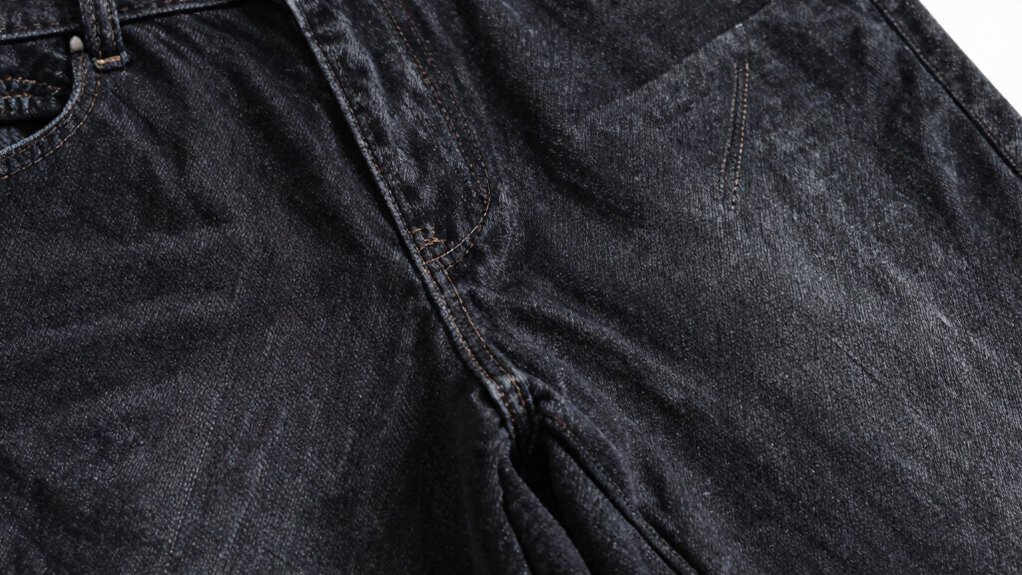
One common mistake that causes gusset wrinkles is failing to properly align and secure the fabric before sewing. Poor seam alignment can lead to uneven tension, causing wrinkles, especially if fabric stretch isn’t accounted for. To avoid this:
- Always match seam edges precisely before sewing, ensuring the gusset is aligned correctly.
- Use pins or clips to hold the gusset in place, preventing shifting during sewing.
- Pay attention to fabric stretch; sew with a consistent, slight tension to accommodate the stretch without puckering.
- Test on scrap fabric first to check seam alignment and tension, adjusting as needed.
Finishing Gusset Seams for a Professional Look
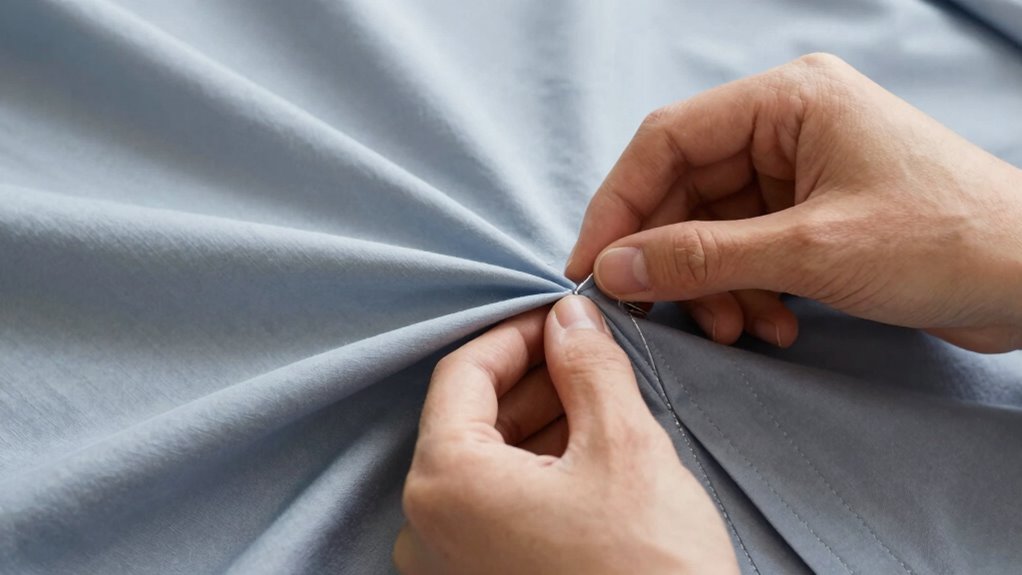
Once you’ve sewn your gusset with proper alignment and tension, finishing the seams neatly is key to achieving a professional look. Gusset finishing techniques, like serging or zigzag stitching, prevent fraying and ensure durability. For extra strength, consider seam reinforcement methods such as topstitching along the seam allowances or adding a narrow line of stitches close to the seam. These methods not only reinforce the seam but also give a clean, polished appearance. Press your seams flat before finishing to reduce bulk and improve the overall look. If you want an even neater finish, try binding the seam allowances with bias tape or using a flat-felled seam for added strength. Proper seam finishing techniques elevates your garment’s quality and longevity, and understanding seam reinforcement techniques can help you achieve more durable results. Additionally, selecting the right sewing tools can make the finishing process more efficient and precise.
Frequently Asked Questions
Can Gussets Be Added to Stretch Fabrics Without Losing Elasticity?
Yes, you can add gussets to stretch fabrics without losing elasticity if you prioritize stretch fabric compatibility and proper sewing techniques. Use stretchy, lightweight fabrics that match the garment’s elasticity and avoid heavy or stiff materials. Sew with a stretch stitch or serger to preserve elasticity, and avoid excessive tension on the fabric. Properly placed gussets enhance fit and comfort without compromising the fabric’s natural stretch.
What Are the Best Tools for Sewing Precise Gusset Corners?
To sew precise gusset corners, you should use sharp sewing machine accessories like a quarter-inch foot and a corner turner. These tools help you achieve clean, accurate seams. Master fabric cutting techniques to guarantee perfect angles before sewing. Using a points turner or a small, pointed tool allows you to push out corners neatly, giving your gussets professional-looking, wrinkle-free results.
How Do I Prevent Gusset Puckering When Attaching to Curved Seams?
To prevent fabric stretch and seam puckering when attaching a gusset to curved seams, use a stretch or lightweight interfacing to stabilize the fabric. Sew slowly and adjust your sewing machine tension if needed. Pin carefully, easing in the fabric gently as you sew, and consider using a stretch stitch or a serger for smoother results. These tips help you achieve a professional finish without puckering.
Are Gussets Suitable for All Types of Clothing or Only Specific Garments?
Gussets work well for many garment types, but their suitability depends on fabric compatibility and design. You’ll find gussets ideal for activewear, skirts, and fitted tops, especially with stretchy or sturdy fabrics. However, for delicate or lightweight fabrics, gussets might add bulk or be harder to sew smoothly. Always consider the fabric’s weight and stretch to make sure the gusset enhances your garment without compromising comfort or appearance.
How Do I Customize Gusset Size for Different Body Shapes?
Imagine your body’s a snowflake—unique and delicate. To customize gusset size, you measure your body carefully, noting areas needing extra room, and consider fabric stretch—stretchy fabrics need less gusset. Adjust the gusset pattern accordingly, making it wider for curvier shapes or narrower for leaner ones. This way, you get a perfect fit, no matter your body measurements, avoiding awkward bunching or tight spots.
Conclusion
Gussets are a game-changer, giving you extra room and a polished look without wrinkles. Did you know that properly sewn gussets can increase garment comfort by up to 30%? By choosing the right style, placing them carefully, and sewing with patience, you’ll guarantee a smooth, professional finish every time. So, don’t be afraid to add gussets—they’re your secret weapon for a perfect fit and maximum comfort!