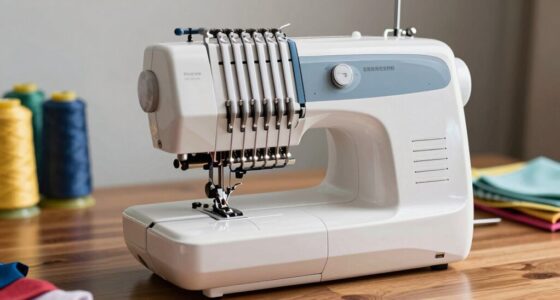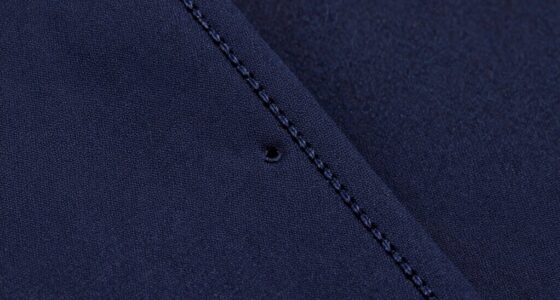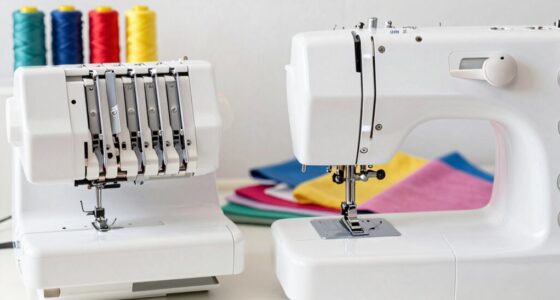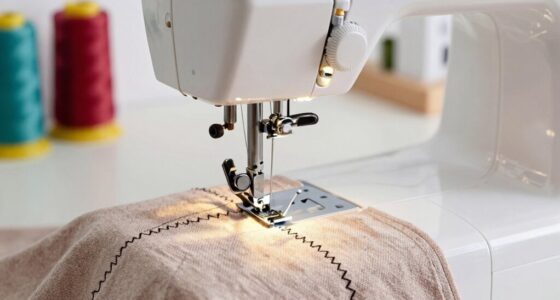

If you’re experiencing skipped stitches, chances are your needle and fabric combo isn’t quite right. Using the wrong needle size, type, or quality for your fabric can lead to uneven stitches or skipping altogether. Make sure to match your needle to the fabric weight and material, and adjust your machine’s tension and stitch length accordingly. Keep your machine clean and well-maintained, and you’ll soon enjoy smooth, consistent sewing—uncover more tips to fix this right.

Get tools and workshop supplies delivered free — and shop member deals
- Fast, free delivery on millions of items
- Access to Prime Big Deal Days deals on October 6–7
- Prime Video, Amazon Music and more included
Key Takeaways
- Use the correct needle size and type suited for your fabric to prevent skipped stitches.
- Ensure the needle is sharp, properly installed, and compatible with your thread and material.
- Match thread tension and stitch length to your fabric’s thickness and texture for optimal stitches.
- Properly clean and maintain your machine to avoid issues caused by lint or debris in the bobbin area.
- Test on scrap fabric after adjustments to confirm stitch quality and prevent future skipped stitches.
As an affiliate, we earn on qualifying purchases.
Diagnosing Why Your Needle and Fabric Are Causing Skipped Stitches
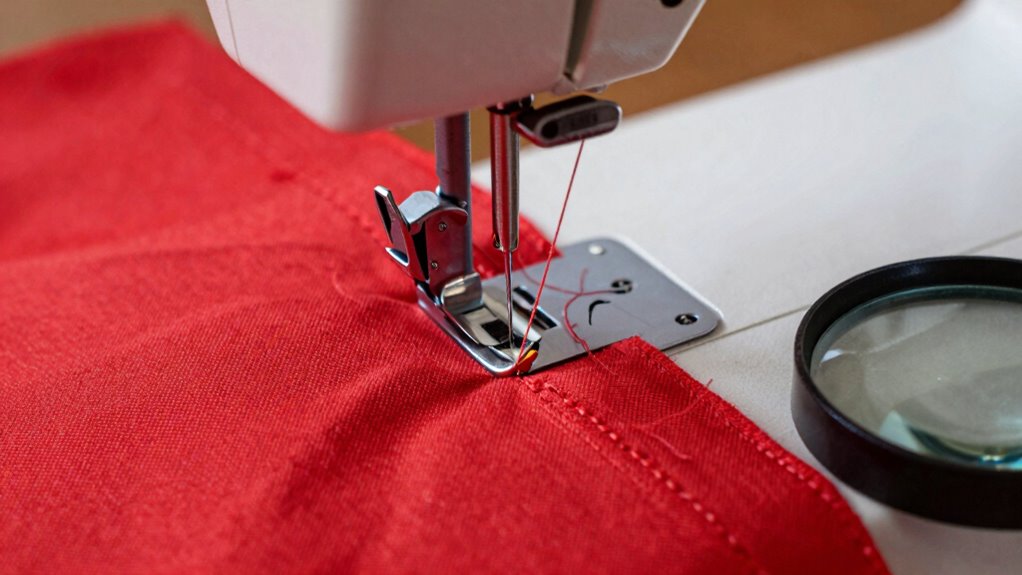
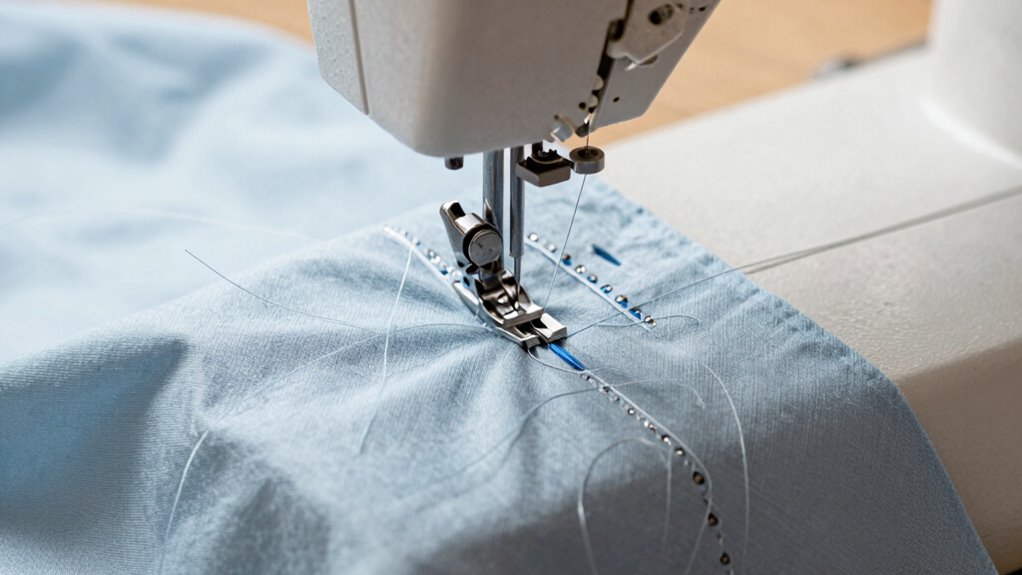
When your sewing machine starts skipping stitches, the issue often lies with the needle or fabric. First, check the thread tension; if it’s too tight or too loose, stitches can become uneven or skipped. Adjust the tension dial gradually, guaranteeing the thread flows smoothly without puckering or slack. Next, examine the bobbin quality—poor-quality or improperly wound bobbins can cause inconsistent stitches. Make sure the bobbin is wound evenly and inserted correctly into the bobbin case. Also, ensure that the needle is the right type and size for your fabric, as incompatible needles can lead to skipped stitches. Addressing these factors helps create balanced tension and a stable stitch, reducing the chances of skipped stitches caused by needle and fabric issues. Additionally, inspecting the projector technology can help identify any underlying causes of image issues that might be confused with mechanical sewing problems. Regularly maintaining your sewing machine and cleaning lint or debris from the bobbin area also contribute to smoother operation and fewer skipped stitches.
Common Causes of Needle and Fabric Compatibility Issues

Choosing the right needle for your fabric is essential to prevent compatibility issues that can lead to skipped stitches. Incorrect thread tension can cause uneven stitching or missed stitches, especially if it’s too tight or too loose for your fabric. Fabric thickness also plays a significant role; using a needle that’s too thin for heavy fabric can cause skipped stitches, while a needle that’s too thick for delicate material may damage the fabric or cause thread breakage. Additionally, mismatched thread tension and fabric type can create puckering or uneven stitches. Always confirm your needle size and type match your fabric’s weight and texture, and adjust thread tension accordingly. Properly matching these factors helps maintain smooth stitching and reduces the chances of skipped stitches caused by compatibility issues. Recognizing the importance of material compatibility ensures that your sewing projects remain reliable and professional-looking. Being aware of needle and thread selection can greatly improve your sewing outcomes by reducing issues related to incompatibility. Paying attention to sewing machine settings can further enhance stitch quality and prevent skipped stitches.
Choosing the Best Needle for Your Fabric Type
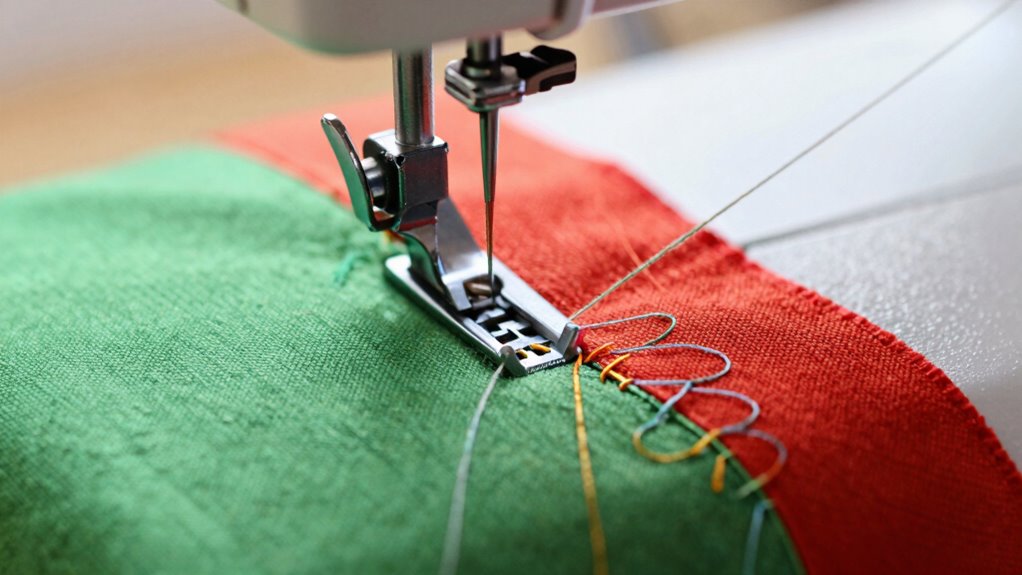
Selecting the right needle for your fabric type guarantees smooth stitching and minimizes issues like skipped stitches or fabric damage. Start by matching the needle size and type to your fabric—thin needles for delicate fabrics and sturdy ones for heavy materials. Proper fabric preparation, such as washing and ironing, ensures the fabric is stable and less likely to cause needle issues. Adjust your thread tension accordingly; too tight or too loose tension can cause skipped stitches regardless of needle choice. Always use a fresh needle suited for your fabric to prevent dullness that can lead to stitching problems. Additionally, understanding the importance of appropriate needle selection can significantly improve your sewing results. Using the correct needle material can help prevent breakage and further stitching issues. Being aware of visual and auditory cues during sewing can also help you identify and correct problems early. Considering needle size and type is essential for tailored sewing outcomes, especially with specialized fabrics. Moreover, staying informed about the latest pinball machine innovations can inspire creative projects and enhance your understanding of mechanical design. By choosing the correct needle and preparing your fabric properly, you’ll improve stitch quality and reduce the frustration of skipped stitches.
Adjust Your Machine Settings to Prevent Skipped Stitches
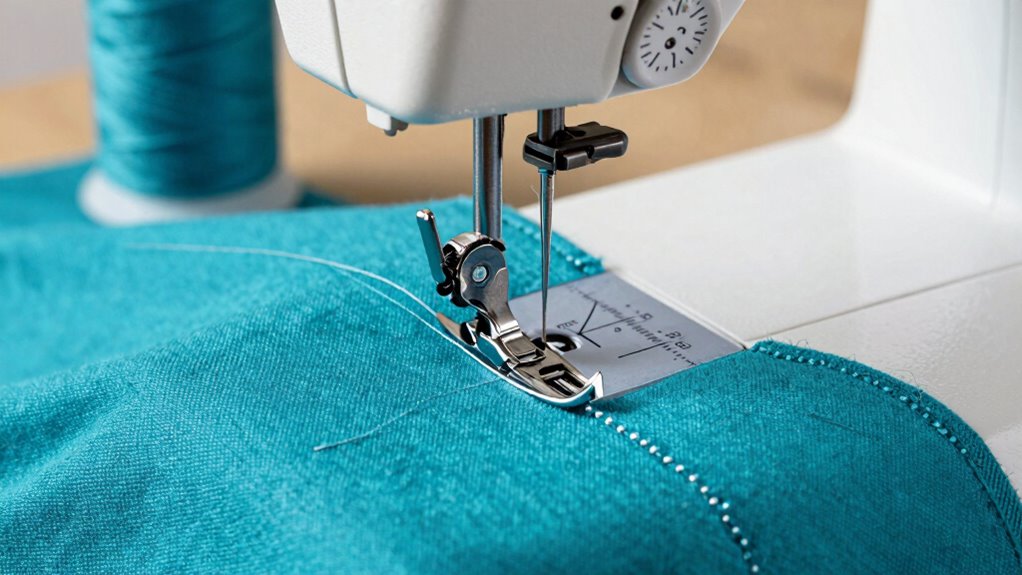
To prevent skipped stitches, you need to fine-tune your machine settings for ideal performance. Start by adjusting the thread tension; if stitches are loose or skipped, increase the tension slightly until stitches are even and secure. Conversely, if the stitches are puckering or thread breaks occur, lower the tension. Next, set the stitch length based on your fabric type—longer stitches for woven fabrics and shorter for stretchy or delicate materials. Proper stitch length ensures even stitching and reduces stress on the needle. Regularly testing these settings on scrap fabric helps you find the right balance. Keep in mind that inconsistent tension or inappropriate stitch length can cause skipped stitches, so make small adjustments and observe the results to achieve smooth, snag-free sewing.
Test Your Needle and Fabric Setup to Confirm the Fix

After adjusting your machine settings, it’s important to test your needle and fabric setup to guarantee the fix works. Start by threading your machine with the correct thread tension—too tight or too loose can cause skipped stitches. Make sure your presser foot is properly adjusted and securely in place, as improper pressure can lead to uneven stitching. Use a scrap piece of fabric similar to your project to run a test seam. Observe the stitches closely: they should be even, balanced, and secure. If you notice skipped stitches, double-check the thread tension and presser foot pressure, then re-test. This step confirms that your adjustments effectively resolve the issue before you move on to sewing your actual project. Additionally, inspecting your Free Floating setup can help identify issues with fabric movement that may contribute to skipped stitches. Ensuring your machine’s threading setup is correct is also vital for consistent stitching performance. Paying attention to material compatibility can further prevent stitch skipping and improve overall results. Proper needle maintenance and regular replacement can also significantly reduce skipped stitches and ensure smooth operation. Regularly checking your machine’s tension settings can help maintain consistent stitch quality over time.
Frequently Asked Questions
Can Using Old Needles Cause Skipped Stitches?
Yes, using old needles can cause skipped stitches. Over time, needle quality deteriorates, leading to dull or bent points that don’t pierce fabric properly. This affects your thread tension, resulting in uneven stitches or skips. Always replace needles regularly, especially after completing projects or every few hours of sewing. Fresh needles maintain proper tension and guarantee smooth, consistent stitching, preventing those frustrating skipped stitches.
How Often Should I Replace My Sewing Machine Needle?
Your sewing machine’s performance depends on proper needle maintenance, so replace your needle every 8-12 hours of sewing—it’s like giving your machine a fresh breath of life. Regularly changing needles prevents skipped stitches and extends the sewing machine lifespan. If you notice uneven stitches or difficulty sewing through thick fabrics, it’s time for a new needle. Stick to this schedule, and your machine will run smoothly like a well-oiled masterpiece.
Do Thread Types Affect Skipped Stitches?
Yes, thread types can affect skipped stitches. Using high-quality thread guarantees smoother feeding through your machine, reducing tension issues. Additionally, consider fabric stretch—stretchy fabrics often need finer, elastic threads to prevent skipped stitches. Poor-quality thread or incompatible types can cause tension problems and skipped stitches, so always match your thread to your fabric and use quality options for the best results.
Is It Better to Use Universal or Specialized Needles?
Choosing between universal and specialized needles often depends on fabric compatibility and needle sizing. Generally, specialized needles are better because they’re designed for specific fabrics, reducing skipped stitches. For versatile projects, a universal needle works well, but if you’re sewing delicate or heavy fabrics, opt for a specialized needle to make certain smooth stitching. Matching needle size to fabric thickness also helps prevent skipped stitches and fabric damage.
Can Environmental Factors Impact Sewing Machine Performance?
Environmental factors can definitely impact your sewing machine’s performance. Poor fabric quality may cause uneven stitching, while high humidity effects can lead to rust or moisture buildup inside your machine. Keep your workspace dry and well-ventilated, and use good-quality fabrics to prevent issues. Regular cleaning and maintenance help guarantee consistent stitches, especially in humid conditions, so your machine runs smoothly and your projects turn out perfect.
Conclusion
Think of your sewing machine as a finely tuned orchestra, where each needle and fabric must play in harmony. When skipped stitches occur, it’s like a discordant note disrupting the melody. By diagnosing the cause, choosing the right needle, and tuning your machine settings, you restore the symphony. Keep testing until everything flows smoothly—soon, sewing feels like a beautiful song again, with every stitch perfectly in tune.
Fall Picks
fall essentials
As an affiliate, we earn on qualifying purchases.