TL;DR
A compact cordless power drill is a battery-powered drill-driver with a shorter, lighter body for drilling holes and driving screws in tighter spaces or during lighter, controlled work. Choose by the jobs you do, the tool’s size with its battery attached, chuck and clutch features, and battery platform; voltage alone cannot tell you how capable it will be.
Choose by your real jobs and by the drill’s weight with the battery attached; a compact body can feel bulky with a large pack.
A 12V drill often handles routine home and finish work, while demanding or repeated heavy drilling may call for a stronger tool.
A drill-driver’s chuck and clutch suit general drilling and controlled screwdriving; an impact driver mainly helps drive fasteners.
Check chuck capacity, battery platform compatibility, charger, and kit contents before comparing prices.
Use a hammer drill or rotary hammer for regular masonry work, and stop if a bit binds or the tool overheats.

Get business pricing on tools and workshop supplies
- Business-only prices and quantity discounts
- Tax-exempt purchasing
- Multiple users, one account, clear invoices
What a compact cordless drill can do around your home
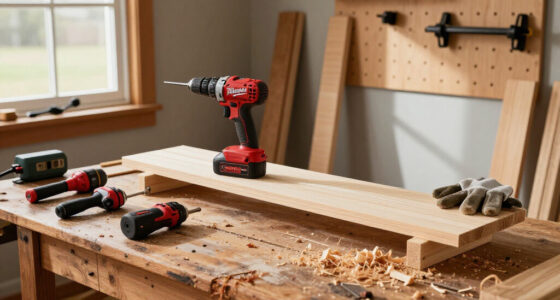
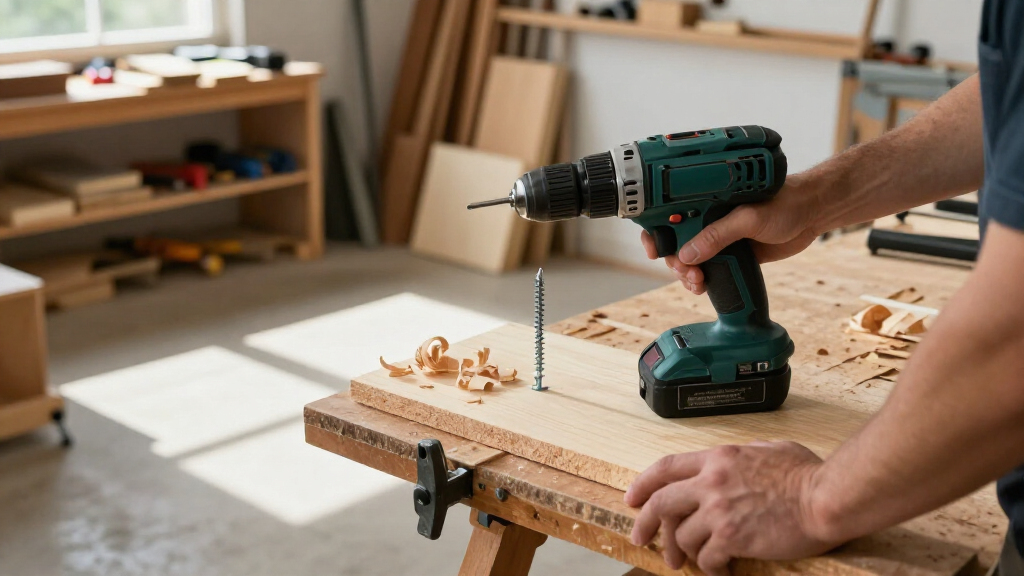
A compact cordless power drill is a battery-powered drill-driver with a shorter, lighter body for drilling holes and driving screws in tighter spaces or lighter work. Its smaller profile can make it easier to control near a cabinet wall, inside a closet, or above your head. You trade some capacity in certain heavy jobs for a tool that feels easier to steer. Think of it like a small car in a crowded city: it can slip into awkward spaces and park with less fuss, but it is not the vehicle you choose to haul a load of stone. A compact drill suits furniture assembly, shelving, cabinetry, curtain brackets, and routine repairs. For example, when you’re fitting a hinge inside a kitchen cupboard, a short tool body may clear the frame where a bulky drill would keep bumping it. The benefit of that shorter body is more than access: it can help you keep the bit aligned when your stance or wrist angle is awkward. A crooked screw often starts with a drill held at an angle, so easier positioning can improve the finished result as well as comfort. There is a limit, though. A small, light tool may have less reserve for large bits or sustained work, and its compactness cannot compensate for an unsuitable bit or material. The word “compact” does not guarantee a particular weight or length. Compare the tool with its battery attached, since the pack sits in your hand and can change the balance. A bare tool may look feather-light on a product page, then feel nose-heavy with a large battery. Grip the tool if you can, or compare its listed weight in the configuration you expect to use. Balance matters because a tool that tires your wrist quickly can make careful work harder, even if its headline specifications look strong. A compact drill still needs the right bit and setup. Clamp loose stock, use eye protection, and keep your free hand away from the rotating bit. Remove the battery before changing bits or making adjustments; a trigger bump should never start the tool while your fingers are near the chuck.Popular right now

KitchenAid Commercial Series 8-Quart Bowl-Lift Stand Mixer, White

Sony BRAVIA 5 85-Inch Mini LED 4K HDR Smart Google TV (K-85XR50)

Vitamix VX1 Professional-Grade Blender, 64 oz, Black
As an affiliate, we earn on qualifying purchases.
How to match voltage and power to your projects
A 12-volt compact cordless power drill often makes sense for routine household repairs and finish work, while a compact 18- or 20-volt model may suit more demanding jobs. Voltage describes the battery system, but it does not measure the drill’s complete performance. Motor design, gearing, battery capacity, bit size, and the material you’re drilling all affect the result. In practice, the right choice depends on how often you encounter difficult work: extra capability can provide a useful reserve, but you carry its added weight on every light task. | Choice | Often suits | What to check | |—|—|—| | 12V compact drill | Furniture assembly, small pilot holes, cabinet work | Comfort, chuck capacity, battery availability | | Compact 18V/20V drill | A wider mix of household tasks and more demanding work | Weight with battery, gearing, and the tool’s limits | | Full-size drill | Repeated heavy drilling or larger bits | Handling, appropriate bit capacity, and the job requirements | Imagine you’re building a pine shoe rack. A 12-volt drill can comfortably drive modest screws and make pilot holes when you use the right bit and avoid rushing. If you regularly bore larger holes in dense wood, a stronger drill may finish the work more confidently, although it will usually feel bulkier. That added capacity is most valuable when the harder job is common; if it is an occasional exception, borrowing or renting a larger tool may make more sense than choosing a heavier drill for every repair. Specifications help with comparisons, but torque numbers don’t tell the whole story. Manufacturers may present torque ratings differently, so compare tools within their product lines and consider the work you’ll do. Gearing also matters: a low-speed setting can help the drill turn a larger bit with control, while a higher setting is useful for smaller holes. Variable speed lets you start gently and keep the bit from wandering; an adjustable clutch helps limit driving force. Set the clutch low for small screws in softwood, then raise it if the fastener stops short. The clutch reduces the chance of stripping a head or burying a screw, but it does not replace choosing the right screw length or drilling a pilot hole when the material calls for one.Choose a drill-driver when you need one tool for holes and screws
A drill-driver is the better all-purpose choice when you need to make holes and drive a range of screws. Its chuck holds many common drill bits, and an adjustable clutch lets you manage driving force. An impact driver delivers repeated rotational impacts that can help with demanding fasteners, but it is not a direct replacement for drilling with ordinary bits. That distinction matters in a real repair. Say you’re hanging a small shelf: first you drill pilot holes in the wall material with an appropriate bit, then drive the screws. A drill-driver can handle both steps with suitable bits. An impact driver may drive screws forcefully, but the hammering action can make delicate driving harder to control, and its bit holder may require compatible hex-shank accessories. The clutch on a drill-driver is especially useful when fasteners vary: it lets you apply more force to a long screw while reducing the risk of crushing a softer surface with a short one. Check the drill-driver’s chuck size before buying. Smaller models commonly use a 3/8-inch keyless chuck; many larger models use a 1/2-inch chuck. The chuck capacity sets a limit on the bit shank it can hold, so confirm compatibility if you already own bits or plan to use a specialty attachment. A quick glance at your existing bit set can prevent an annoying second trip to the store. A larger chuck can accept a wider range of shanks, but that advantage matters only if your planned bits need it; for basic household holes, the bits you already own may be the more useful guide. If you drive large fasteners all day, an impact driver can be a useful companion. For a homeowner choosing one first tool, though, the drill-driver’s wider bit compatibility makes it more versatile. Keep the tasks in view: a tool that makes smooth pilot holes and seats small screws neatly may serve you better than one built mainly for brute force.Battery size changes both runtime and how the drill feels
Battery capacity, usually shown in amp-hours (Ah), affects how long a drill can work between charges, while a higher-capacity pack often adds weight and bulk. That makes battery choice a comfort tradeoff as well as a runtime decision. A compact body paired with a large battery may not feel compact in your hand. Since the battery also affects balance, added weight can matter most when you hold the drill at arm’s length or above shoulder height, where even a modest increase can make precise work tiring. For example, if you’re installing six cabinet knobs, a smaller battery may keep the drill light and comfortable for a short job. During a longer project, such as assembling several bookcases, a larger pack or spare battery can cut interruptions. Actual runtime changes with the material, bit size, speed, and workload: driving small screws into softwood generally uses less energy than drilling larger holes into dense lumber. A spare smaller pack may be a better fit than one very large pack if you want both manageable weight and enough charge to finish a longer session. Battery platforms can make a kit more valuable over time. Many makers sell batteries that fit several tools in their own systems, but compatibility can vary by generation and product line. Confirm the exact tool and battery models before relying on a pack you already own. A bare tool can save money when you have a confirmed compatible battery; a kit with a battery and charger can be the easier starting point if you’re new to that platform. If you expect to buy more tools, the platform’s future choices and battery prices can matter more than a small difference in the drill’s upfront cost. Check what comes in the box, including battery capacity, number of packs, charger, and warranty. A low sticker price can change quickly if you must buy a battery separately. Product lines also change, so consult current manufacturer information when you compare a specific model or try to match older batteries.Small features make awkward jobs easier to finish
A work light, comfortable grip, battery indicator, and belt clip can make a compact cordless power drill easier to use during ordinary projects. These details help when you’re working inside a dim cupboard, climbing a ladder, or switching between measurements and fastening. A high torque figure won’t help much if the tool keeps slipping from your hand or you can’t see the screw head. Comfort and visibility affect accuracy: when you can keep the bit square and see where it lands, you are less likely to damage the work or repeat a step. Use this quick checklist before you buy:- Hold the drill with the battery attached and check whether you can reach the trigger and reverse switch comfortably.
- Confirm the chuck size and bit-shank compatibility for the bits you own or plan to use.
- Check for a clutch and variable speed if you’ll drive screws into furniture, trim, or softwood.
- Compare battery, charger, warranty, and included accessories with the total price.
- Match the tool to your regular jobs, then verify the manufacturer’s limits for bit size and materials.
Know when a compact drill has reached its limit
A compact drill is not automatically suited to large hole saws, long or oversized bits, repeated heavy drilling, or demanding masonry work. When a bit is too large or the material too tough, the motor can strain, the work can slow, and the tool may become harder to control. The job can also become less predictable: a stalled bit can twist the drill in your hand, and continued strain can overheat the tool. Choose equipment rated for the material and task instead of forcing a small drill through a job it was not built to do. A compact model may manage an occasional small masonry hole with a suitable bit, but a standard drill-driver lacks hammer action. If you need repeated holes in brick or concrete, look at a hammer drill or rotary hammer sized for the work. These tools add an impact mechanism that helps break masonry as the bit turns, so the drill can make progress with less reliance on pushing harder. For example, mounting one light fixture in masonry is different from drilling a row of holes for a heavy outdoor structure; the latter calls for more appropriate equipment and planning. Large hole saws and long bits call for particular care, too. Secure the workpiece, use the maker’s recommended speed and accessories, and stop if the drill binds or overheats. Keep a firm grip and wear eye protection; a spinning bit can catch suddenly and twist the tool. If a job involves structural changes, roofing, electrical wiring, or gas lines, use a licensed professional and follow applicable permits and safety requirements. A compact drill earns its place by making common work easier, not by taking every job. The smart move is to notice when the tool is struggling and switch to equipment designed for that material and hole size. A brief pause to reassess can protect the tool, the workpiece, and your hands, while often getting the job done faster with the right equipment.Frequently Asked Questions
Is a 12-volt compact drill powerful enough for home use?
For many household repairs, furniture assembly, and finish work, a 12-volt drill is enough. Frequent large-hole drilling or heavy construction may call for a more capable full-size drill.
Can a compact cordless drill drill into concrete?
Some models can make small masonry holes with a suitable bit, but a standard drill-driver has no hammer action. For regular work in concrete or brick, choose a suitable hammer drill or rotary hammer.
Should I buy a drill-driver or an impact driver?
Choose a drill-driver if you want one tool for ordinary drilling and controlled screwdriving. An impact driver is designed mainly to drive fasteners forcefully and is not a direct substitute for a drill with common bits.
Does a brushless motor matter in a compact drill?
A brushless motor can improve efficiency and avoids carbon brush wear. Its value depends on how often and how hard you use the drill, so compare the price with features you’ll use regularly.
Can I use batteries from another brand?
Usually, batteries are designed for a specific manufacturer’s platform. Compatibility can also vary within a brand, so check the exact tool and battery models before buying or using a pack.
What safety steps should I follow when using a compact drill?
Secure the workpiece, use a suitable bit, wear eye protection, and keep your hands clear of the rotating bit. Remove the battery before changing bits or adjusting the tool, and follow the manufacturer’s instructions.