The differential feed on your serger controls how fabric layers are fed through the machine, helping you create smooth seams and prevent puckering or stretching. You should modify it when you notice uneven stitches or fabric puckering, especially with lightweight or stretchy fabrics. Increasing or decreasing the differential settings ensures your fabric feeds evenly, resulting in professional results. To master this essential feature, learn when and how to tweak it—you’ll find it makes a big difference!
Key Takeaways
- Differential feed adjusts fabric feeding for smooth seams, especially on stretchy or delicate fabrics.
- Increasing differential feed reduces fabric puckering on lightweight or stretchy materials.
- Decreasing differential feed prevents overstretching on woven, non-stretch fabrics.
- Adjust differential feed after testing on scrap fabric to achieve even, professional stitches.
- Proper use and fine-tuning prevent puckering, uneven seams, and improve overall stitch quality.
Understanding Differential Feed: What It Is and How It Works
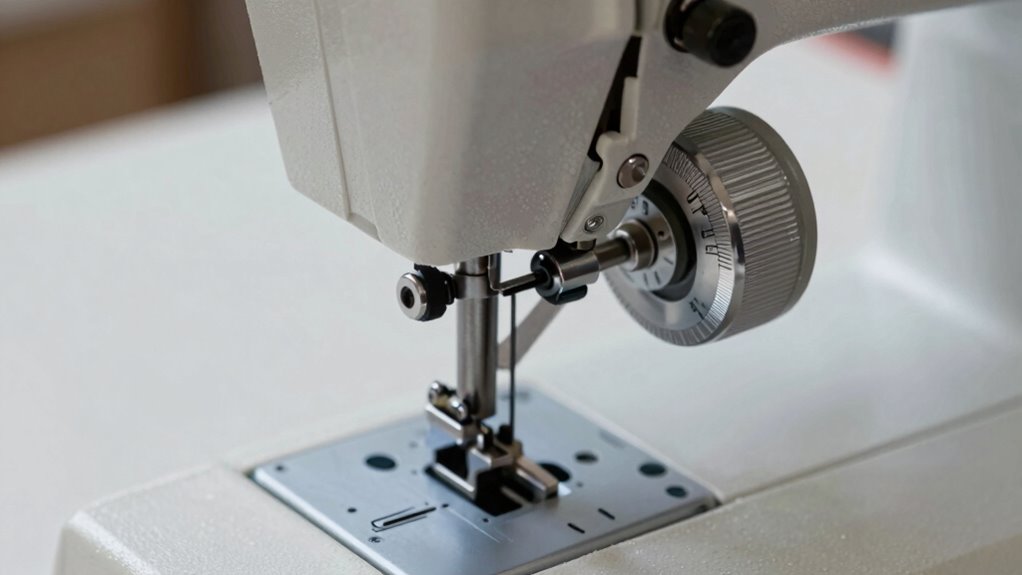
Understanding differential feed is essential for achieving professional-looking seams and finishes with your serger. It works by adjusting the feed dogs, allowing you to control how fabric layers are fed through the machine. This adjustment is pivotal when working with fabrics that have different levels of stretch or seam elasticity. When you increase the differential feed, you can prevent puckering on stretchy fabrics by easing the fabric as it feeds, maintaining smooth seams. Conversely, reducing the differential feed can help gather or ease fabric if needed. By mastering how differential feed interacts with fabric stretch, you gain precise control over your sewing, ensuring clean, even seams. Properly adjusting the differential feed can also improve the seam elasticity of your stitches, making your finished projects more durable. Understanding the mechanics of feed dogs helps you adapt your serger settings to different fabrics, resulting in a professional finish every time. Additionally, knowing when to touch the differential feed allows you to troubleshoot common sewing issues effectively. Recognizing how to adjust for fabric type ensures optimal stitch quality across various materials.
Common Sewing Problems Like Puckering and Uneven Seams That Differential Feed Fixes

Puckering and uneven seams are common sewing problems that can often be traced back to improper fabric feeding, but mastering your serger’s differential feed can effectively remedy these issues. When fabric stretch varies, it can cause puckering or uneven seams, especially with lightweight or delicate fabrics. Adjusting the differential feed ensures the fabric moves smoothly through the machine, preventing gathers or stretching that lead to puckering. This adjustment is particularly important when working with various fabric types, as each may require a different feed setting for optimal results. Proper differential feed balance allows you to handle a variety of fabric types, maintaining a consistent seam. Understanding the feeding mechanism of your serger is key to achieving these results. Additionally, familiarizing yourself with the machine’s manual can help you better understand how to set and adjust the differential feed for different projects. By fine-tuning this setting, you create professional-looking, smooth seams that are free of puckering and unevenness, making your finished projects look polished and neat. Practicing adjustments on scrap fabric can also help you develop an intuitive sense of the correct feed settings before working on your final pieces.
When and Why You Should Tweak the Differential Feed
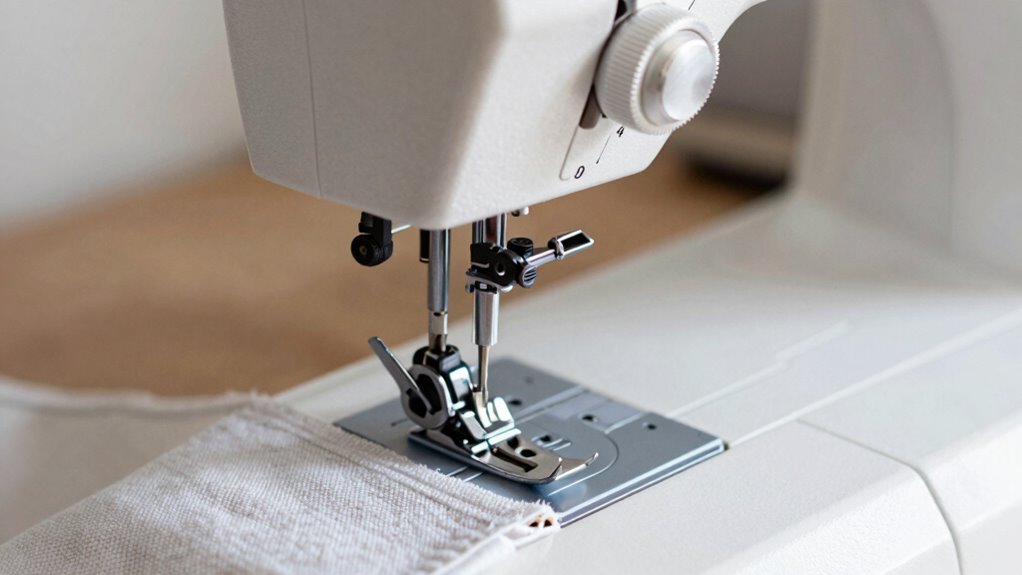
You should tweak the differential feed whenever you notice puckering, uneven seams, or fabric gathers during sewing, especially with lightweight or delicate materials. Adjusting it helps control fabric stretch and maintains proper seam elasticity. If your fabric is stretchy, increasing the differential feed can prevent puckering by easing fabric layers. Conversely, reducing it can tighten seams on less stretchy fabrics. Use the table below as a quick guide:
| Fabric Type | Adjustment Recommendation |
|---|---|
| Lightweight, delicate | Increase differential feed for smooth seams |
| Knits with high stretch | Increase for better fabric handling |
| Woven, non-stretch fabrics | Decrease to prevent overstretching |
| Heavyweight fabrics | No change needed |
Additionally, understanding how the differential feed impacts fabric movement can help you optimize your sewing results, and recognizing how market shifts influence fabric choices and sewing techniques can further enhance your craftsmanship. Being aware of the types of fabrics you are working with will allow you to make more precise adjustments, ultimately leading to better sewing outcomes. A clear understanding of the differential feed mechanism can also assist you in troubleshooting common sewing issues more effectively. Knowing how the connected technology can monitor and adjust sewing parameters in real time is an emerging trend that can further improve precision and efficiency in your sewing projects.
How to Set and Fine-Tune Differential Feed Step by Step
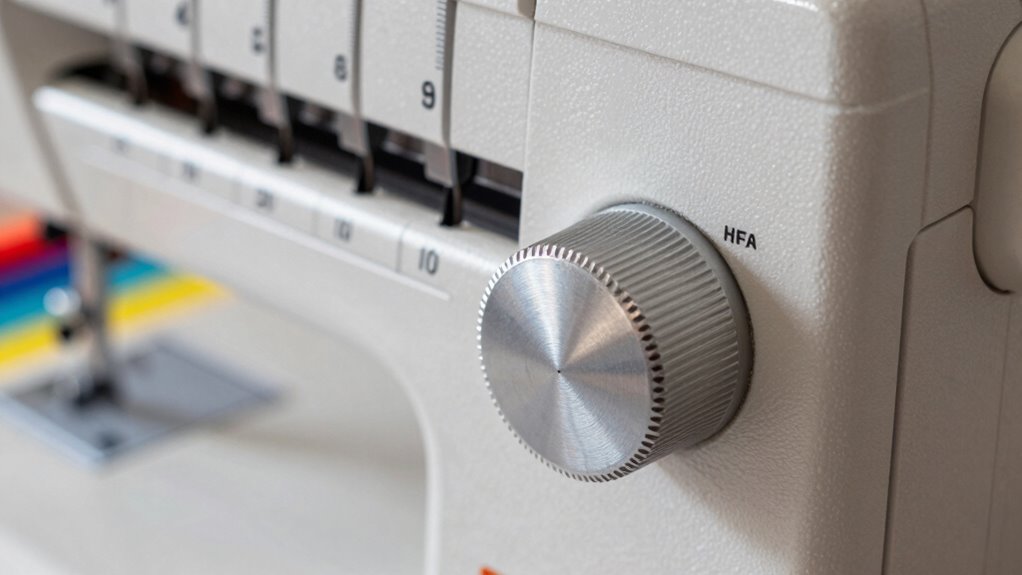
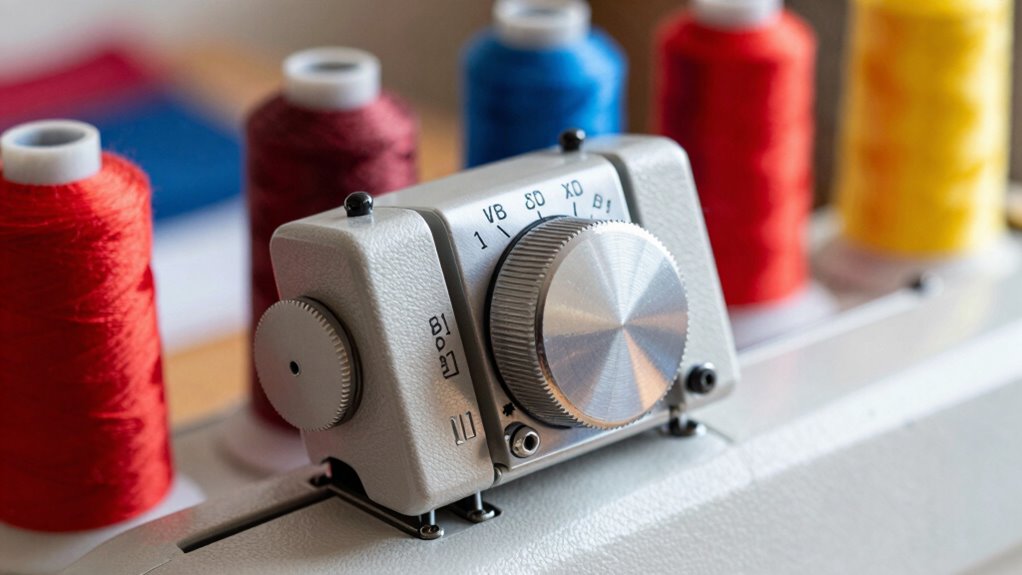
To set and fine-tune the differential feed on your serger, start by locating the differential feed adjustment dial or lever on your machine. Begin with the machine turned off, then adjust the differential to the desired setting based on your fabric type. For stretchy or lightweight fabrics, increase the differential to prevent puckering; for stable fabrics, keep it closer to 1.0. Next, set the stitch length, ensuring it’s appropriate for your project. Test your stitch on a scrap piece, checking the thread tension and stitch appearance. If the stitches are uneven or puckered, tweak the differential slightly and re-test. Fine-tuning involves small adjustments until the stitch is balanced, smooth, and gathers or stretches as needed without compromising thread tension or stitch length. Suprem fabric offers excellent performance in stretch and lightweight applications, making it a suitable choice for testing and adjusting your serger settings. Understanding differential feed mechanism can help you achieve optimal results in various sewing projects. Additionally, familiarizing yourself with the serger manual can provide specific guidance tailored to your machine model. Being aware of how different fabrics interact with the differential feed system is essential for troubleshooting and perfecting your stitches. Remember that regular maintenance and cleaning of the serger will ensure consistent performance and easier adjustments over time.
Troubleshooting Differential Feed Problems and Improving Stitch Quality

When your stitches appear uneven, skipped, or puckered despite proper differential feed adjustments, it indicates a problem that needs troubleshooting. First, check your thread tension; improper tension can cause stitch issues on different fabric types. Second, examine your fabric type and adjust your differential feed accordingly—stretch fabrics need a different setting than woven ones. Third, ensure your threads are correctly threaded and not tangled or skipped, as this can affect stitch quality. Additionally, clean your serger’s loopers and tension discs regularly to prevent issues. Paying attention to thread tension, fabric types, proper threading, and understanding focused workspaces can help you troubleshoot effectively and maintain optimal stitch quality. Regular maintenance and understanding your machine’s adjustment mechanisms are also crucial for consistent results. Being aware of machine diagnostics can further assist in identifying hidden issues that affect stitch performance. Incorporating preventive maintenance routines can help reduce recurring problems and extend your machine’s lifespan. Furthermore, familiarizing yourself with proper threading techniques can significantly impact overall stitch consistency and machine longevity.
Frequently Asked Questions
Can I Use Differential Feed on All Types of Fabrics?
You can use the differential feed on most fabrics, but fabric compatibility varies. For stretchy or lightweight fabrics, adjusting the differential feed helps prevent puckering and stretching. For thicker or woven fabrics, leave it at the default setting or fine-tune as needed. Always consider your sewing project; tweaking the differential feed guarantees smooth stitching and professional results across different fabric types.
How Does Differential Feed Affect Seam Stretchability?
Adjusting the differential feed affects seam stretchability by controlling fabric puckering and enhancing seam durability. When you increase the differential feed, it stretches the fabric more, making seams more flexible and less prone to puckering, especially on stretchy or lightweight fabrics. Conversely, decreasing it tightens the fabric, reducing stretch and puckering but potentially weakening seam durability. Proper adjustments guarantee comfortable, durable seams suited to your fabric type.
Is Differential Feed Necessary for Decorative Topstitching?
Think of decorative topstitching as embroidery on a textured fabric canvas. Differential feed isn’t always necessary, but it can help you achieve smoother, more even stitches on tricky fabrics like knits or layered textiles. When working with delicate or stretchy fabrics, adjusting the differential feed guarantees your decorative stitches stay flat and even. So, use it to tame fabric textures, making your topstitching look professional and polished.
Can Improper Differential Feed Cause Machine Damage?
Improper differential feed can cause machine damage if you neglect proper machine maintenance and thread tension adjustments. When the differential feed isn’t set correctly, it puts extra strain on your serger’s components, leading to wear or mechanical issues over time. Always check and adjust thread tension and differential feed settings as needed, especially when working with different fabrics, to prevent damage and keep your machine running smoothly.
How Often Should I Calibrate the Differential Feed Settings?
You should calibrate the differential feed settings whenever you notice uneven seams, puckering, or fabric mishandling, especially if you change fabric types. Regular calibration isn’t needed for every project, but checking every few months or after significant fabric variability helps ensure smooth operation. Always test on scrap fabric first, and adjust as needed to keep stitches even and consistent, preventing damage and ensuring professional results.
Conclusion
Getting to know your serger’s differential feed is key to flawless sewing. When you understand how to set and adjust it, you can easily fix puckering and uneven seams. Remember, “A stitch in time saves nine”—so don’t hesitate to tweak the settings when needed. With practice, you’ll master it, and your projects will turn out beautifully smooth and professional-looking every time. Happy sewing!