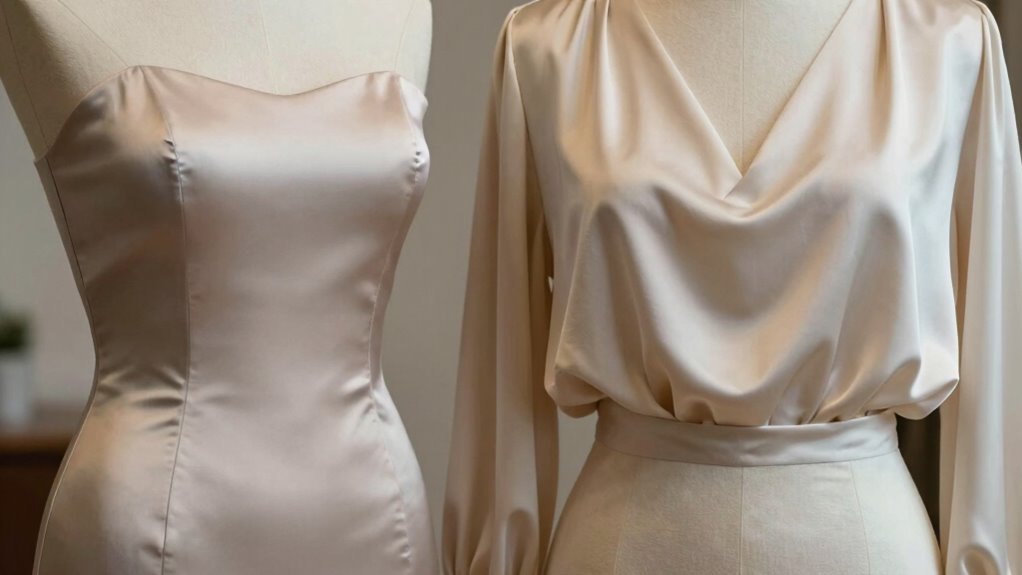
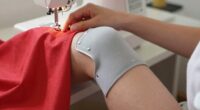
Understanding the difference between design ease and wearing ease helps you make better pattern choices. Design ease adds extra fabric for style and shape, influencing how your garment looks. Wearing ease provides comfort and freedom of movement during wear. Fabric types, like stretch or woven, affect how much ease you need. When you grasp these concepts, you can balance style and comfort perfectly. Keep exploring to discover how to master these skills for your sewing projects.
Key Takeaways
- Design ease adds extra fabric for style and silhouette, while wearing ease ensures comfort and movement during wear.
- Design ease influences the garment’s visual shape, whereas wearing ease affects how comfortable and flexible the fit feels.
- Fabric type (stretch vs woven) determines the amount of ease needed for proper fit and comfort.
- Pattern grading must account for ease to maintain consistent fit across sizes.
- Balancing design and wearing ease results in garments that are both aesthetically appealing and comfortable.
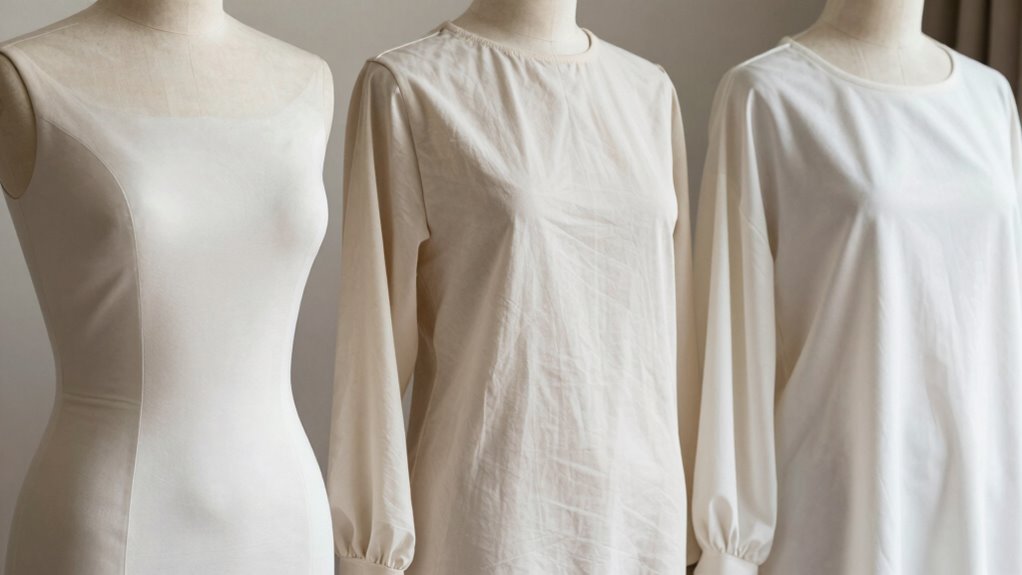
When creating garment patterns, understanding the difference between design ease and wearing ease is essential for achieving a comfortable and stylish fit. Design ease refers to the intentional amount of extra fabric added to a pattern to create the desired silhouette, style, or aesthetic. Wearing ease, on the other hand, is the comfort you feel when wearing the finished garment—it’s how much movement and flexibility you experience during daily activities. Recognizing this distinction helps you make better pattern choices, especially when considering fabric stretch and pattern grading techniques. Fabric stretch plays a crucial role in how much ease you should incorporate into your pattern. Stretch fabrics, like jersey or spandex blends, naturally provide more flexibility, so garments made with these materials often require less wearing ease. For example, a fitted t-shirt made from a stretchy knit can be closer to the body because the fabric itself allows for movement without feeling constrictive. Conversely, woven fabrics with little to no stretch demand more wearing ease to ensure comfort and prevent the garment from feeling tight or restrictive. When working with stretch fabrics, you might reduce the pattern’s design ease, but still, account for enough wearing ease to accommodate body movement and fabric recovery. Pattern grading is the process of resizing a pattern to different sizes while maintaining design proportions. Proper grading ensures that ease is consistent across sizes, which directly affects fit and comfort. If a pattern is graded too tightly, especially in areas requiring more ease, you risk creating a garment that’s uncomfortable or restrictive. Conversely, over-grading can make the garment look baggy and unflattering. When grading, it’s essential to consider how fabric stretch influences ease—if using a stretchy fabric, you might grade closer to the body. For woven fabrics, you should add more wearing ease during grading to allow for comfortable movement. Additionally, understanding fabric recovery is vital, as it impacts how well a garment maintains its shape after wear. Knowing the fabric composition helps predict how the fabric will respond to body movement and washing, influencing ease choices. It’s also beneficial to understand how pattern grading helps adapt a design for different body sizes while maintaining comfort and style. Furthermore, paying attention to the fabric’s recovery properties can help prevent future fitting issues and ensure long-term wearability. Ultimately, understanding how fabric stretch and pattern grading influence ease helps you strike the perfect balance between style and comfort. Design ease shapes the aesthetic, but wearing ease ensures that the garment feels good on your body. By paying attention to these details, you can create patterns that fit well, look great, and feel comfortable to wear. Whether you’re working with stretch or woven fabrics, keeping ease in mind allows you to make smarter choices in pattern drafting, leading to garments that look polished and feel just right.

HONEYSEW 1:1 Fashion Design Ruler for Women Blouse Cloth Design School Student Teching Apparel Drawing Templete Garment Prototype Sewing Ruler Model 160/84A
Premium Material: Transparent ruler made of high-quality plastic, ensuring durability and longevity.
As an affiliate, we earn on qualifying purchases.
As an affiliate, we earn on qualifying purchases.
Frequently Asked Questions
How Do Fabric Types Affect Ease Choices in Patterns?
Fabric types greatly influence ease choices in patterns. If your fabric has good stretch, like jersey, you can opt for a closer fit since it comfortably moves with you. For non-stretch fabrics, you might need to add extra ease or modify the pattern to prevent pulling or tightness. Always consider fabric stretch when selecting or adjusting patterns, and don’t hesitate to do pattern modifications to guarantee a comfortable, flattering fit.
Can Ease Be Adjusted After Garment Construction?
Sure, ease can be adjusted after construction—if you enjoy the irony of a tailor’s “fix-it” magic. With alteration techniques and pattern adjustments, you can take in or let out fabric, reshaping your garment to fit just right. Whether it’s a snug fit or a little extra room, these techniques let you tailor your piece post-creation, transforming a “close call” into a perfectly comfortable wardrobe staple.
What Are Common Mistakes in Estimating Ease?
One common mistake in estimating ease is not accounting for fabric stretch, which can greatly affect fit, especially with knit fabrics. You might also misjudge ease by neglecting proper pattern grading, leading to garments that are too tight or too loose. To avoid these errors, always consider fabric properties and accurately grade your patterns. Testing your pattern with a muslin helps guarantee ease is appropriate for comfort and style.
How Does Ease Influence Garment Drape and Movement?
Ease influences garment drape and movement by shaping fabric behavior and drape dynamics. When you add more ease, your fabric flows more freely, creating a graceful, flowing silhouette. Less ease results in a fitted, structured look, restricting movement. You feel this difference in how the fabric moves and drapes around your body, affecting comfort and style. Embracing ease lets your garment express fluidity, while minimizing ease emphasizes precision and form.
Are There Industry Standards for Ease Percentages?
Yes, industry standards for ease percentages generally guide garment fitting. For example, ease in woven fabrics often ranges from 1-3 inches for close fit, while ease in knits can be 5-10% of body measurements for comfort. These ease percentages help designers create garments that fit well and move comfortably. Keep in mind, specific ease might vary based on style, fabric, and personal preference, but industry standards provide a useful starting point.

Patternmaking with Stretch Knit Fabrics: Studio Instant Access
As an affiliate, we earn on qualifying purchases.
As an affiliate, we earn on qualifying purchases.
Conclusion
So, next time you slip into that perfectly fitted dress, remember: all those tiny ease measurements are secretly playing a game of hide and seek. While design ease guarantees style, wearing ease promises comfort — yet somehow, your outfit’s snug enough to feel like a second skin. Ironically, the very ease meant to make you feel free might just keep you tethered to the sewing table, dreaming of the day clothes fit effortlessly without a second thought.
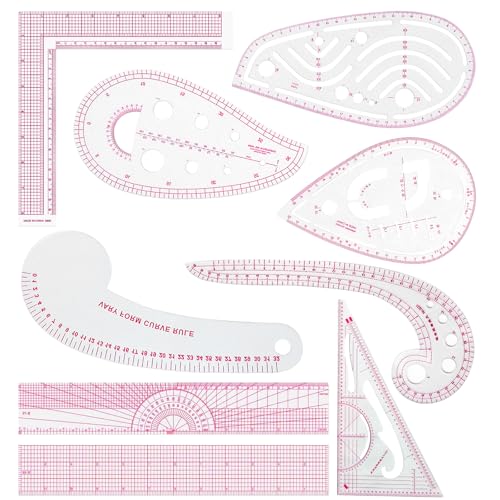
LJLJ Fashion Clear Metric Sewing Ruler Set,French Curve Pattern Rulers for Beginners, Tailors, Designers, Quilting, Embroidery, Cross Stitch, Crochet, Knitting 9pcs (9-Piece Set)
Ruler Set: A variety of styles have a variety of uses and functions, and can be used for…
As an affiliate, we earn on qualifying purchases.
As an affiliate, we earn on qualifying purchases.

AK TRADING CO. Nonwoven 100% Polypropylene Fabric | Non-Woven Spunbond Interfacing for Sewing and Filters, 42 GSM (Medium Weight) (60" Wide, White – 1 Yard)
SEW IN INTERFACING (NON-ADHESIVE) – This sew-in version of nonwoven interfacing lining is perfect for use with materials…
As an affiliate, we earn on qualifying purchases.
As an affiliate, we earn on qualifying purchases.