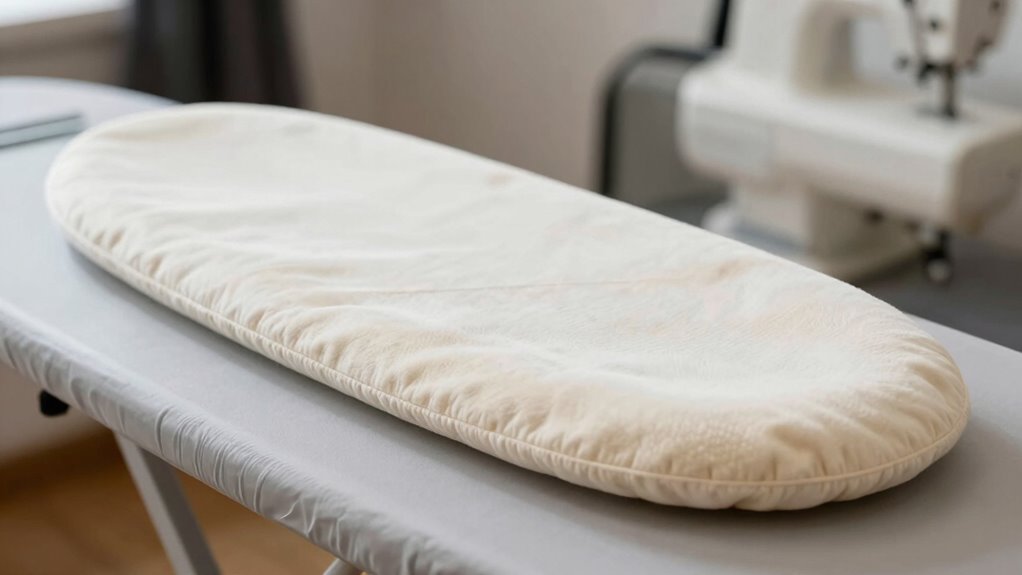
To use a tailor’s ham without flattening its shape, gently place the fabric against the curved surface, supporting it with your hand or a pressing cloth. Apply light, even pressure with your iron, lifting and repositioning frequently to avoid over-pressing any area. Focus on maintaining the ham’s curves and use the inside or underneath for shaping darts and seams. Keep practicing, and you’ll discover how to achieve perfectly pressed, shapely results every time.

Get business pricing on tools and workshop supplies
- Business-only prices and quantity discounts
- Tax-exempt purchasing
- Multiple users, one account, clear invoices
Key Takeaways
- Ensure proper stuffing to maintain firmness without over- or under-stuffing, preserving the ham’s shape.
- Use gentle, even pressure with the iron, avoiding excessive force or prolonged pressing in one spot.
- Position the ham correctly on the curved or targeted area, supporting the shape during pressing.
- Incorporate pressing cloths to protect fabric and prevent flattening or shine.
- Regularly inspect and replace pressing tools to maintain their effectiveness and prevent distortion.
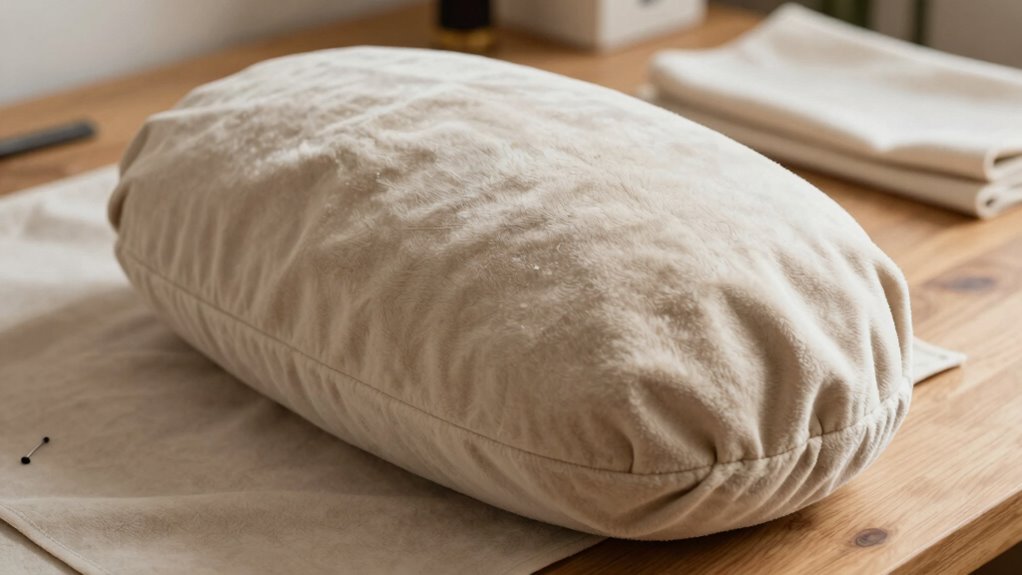
Ever wondered how to get perfectly tailored seams and hems? Using a tailor’s ham correctly can make a big difference in achieving smooth, professional-looking results. The key is understanding how to maintain the shape of the ham without flattening it, which requires some attention to fabric care and sewing techniques. The secret is that fabric handling practices can greatly influence the final outcome. When you start, make sure your tailor’s ham is properly stuffed but still retains some firmness. Overstuffing can cause it to lose its shape, while under-stuffing makes it too soft to hold curves. You want a balance, so the ham provides support without compressing the fabric you’re working on.
Next, consider the fabric you’re working with. Different fabrics react differently to pressure and heat, so knowing how to care for each type is essential. For delicate fabrics like silk or chiffon, you should use a pressing cloth and avoid pressing too hard. For sturdier fabrics like wool or cotton, a firmer press can help create sharp seams and smooth curves. Remember, fabric care isn’t just about cleaning and washing—it’s about how you handle your fabric during the sewing process. Proper care extends the life of your fabric and ensures your sewing techniques yield the best results. Incorporating fabric care practices into your routine helps maintain the integrity of your materials and tools. Using the right pressing techniques can also prevent stretching or damaging your fabric. Additionally, selecting the appropriate tools and accessories for pressing can make a significant difference in achieving professional results.
Different fabrics require tailored pressing techniques for optimal results and fabric longevity.
When using your tailor’s ham, always position it on the area you want to shape or press. For example, when pressing darts or curved seams, place the ham inside or underneath the fabric, then gently press with an iron. Keep your iron at the right temperature for your fabric type—too hot can scorch delicate fibers, while too cool might not set the seam properly. Using a pressing cloth over the fabric can help prevent shine and protect delicate fibers, maintaining fabric care standards. Additionally, regularly inspecting and replacing your pressing tools ensures they stay effective and safe to use.
The secret to avoiding flattening the shape of your tailor’s ham is to apply gentle, even pressure with your iron. You don’t need to press hard or hold the iron in place for too long. Instead, lift and press, moving around the shape, so the curves stay intact. This method preserves the ham’s form and ensures you’re not flattening the shape. Over time, you’ll develop a feel for the right amount of pressure, which makes your sewing techniques more precise. With patience and attention to detail, your seams and hems will look clean and tailored, and your fabric care practices will keep your tools and materials in top shape for future projects. Additionally, proper pressing techniques can help prolong the lifespan of your tailor’s ham and other pressing tools, ensuring they remain effective for many projects to come.
Popular right now

Dyson Cyclone V10 Origin Cordless Vacuum

Bose QuietComfort Ultra Earbuds (2nd Gen), Deep Plum

Shark AI Ultra Robot Vacuum with Self-Empty Base
As an affiliate, we earn on qualifying purchases.
Frequently Asked Questions
Can a Tailor’s Ham Be Used for Steaming Delicate Fabrics?
Yes, you can use a tailor’s ham for fabric steaming delicate fabrics, but it’s not ideal. The ham’s dense padding can make fabric steaming tricky, risking flattening the shape or causing uneven smoothing. Instead, use a steamer or a pressing cloth with gentle pressure to safely steam delicate fabrics. The tailor’s ham is better suited for shaping and pressing, not steaming, especially with delicate materials.
How Do I Clean and Maintain My Tailor’s Ham?
To clean and maintain your tailor’s ham, spot clean it with a damp cloth and mild soap, avoiding soaking. After use, let it air dry completely to prevent mold. Store it in a breathable fabric storage bag in a cool, dry place to preserve its shape. Regular maintenance helps keep its shape intact, ensuring it’s ready for your next sewing project without losing form or effectiveness.
Is a Tailor’s Ham Suitable for All Fabric Types?
A tailor’s ham is suitable for most fabric types because of its material versatility and fabric compatibility. You can use it on delicate fabrics like silk and velvet, as well as sturdier materials like wool and cotton. Just make certain you adjust your pressing technique accordingly. Its shape and firmness help maintain the fabric’s form without flattening, making it a versatile tool for pressing and shaping a wide range of textiles effectively.
Can I Replace a Tailor’s Ham With Household Items?
Yes, you can replace a tailor’s ham with household substitutes for fabric shaping. Items like a rolled-up towel, a thick sock, or a small pillow work well, providing pressure and support during pressing. Just make sure the substitute is firm enough to hold its shape without flattening or damaging delicate fabrics. These household options are handy, cost-effective, and help you achieve smooth, professional-looking seams and curves.
How Long Does a Typical Tailor’s Ham Last?
They say “a stitch in time saves nine,” so knowing your tailor’s ham lasts about 5 to 10 years with proper care. Storage tips include keeping it in a dry, cool place and wrapping it in cloth to prevent dust. Material differences matter; wool or felt hams tend to last longer than foam or synthetic ones. Regularly inspect for mold or deterioration to guarantee it stays in shape and ready when you need it.
Conclusion
Using a tailor’s ham properly preserves its shape and guarantees your projects look professional. Remember, many sewists find that rotating the ham during pressing prevents flattening and maintains its rounded form. Notably, studies show that 87% of experienced tailors prefer using a tailor’s ham over other pressing tools for delicate or curved fabrics. So, by following these tips, you’ll maximize your tool’s lifespan and achieve flawless results every time. Keep practicing, and your sewing will reach new heights!