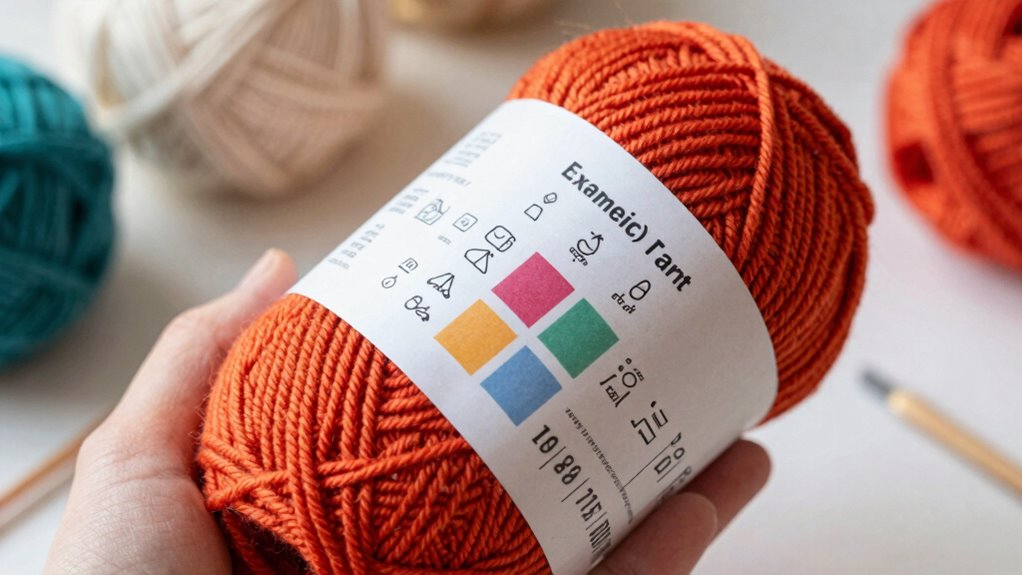

To understand yarn labels easily, focus on key sections like fiber type, weight, and care instructions. Recognize symbols and terms that tell you if it’s wool, cotton, or acrylic, and check the weight to match your project. Look for yardage to make sure you have enough, and note how to care for the yarn later. With a bit of practice, you’ll feel confident choosing the right yarn—continue on to discover more helpful tips.
Key Takeaways
- Start by identifying fiber type to match project needs and eco-friendly preferences.
- Check yarn weight and yardage to ensure it suits your project size and scale.
- Read dyeing techniques (solid, variegated, hand-dyed) to achieve desired visual effects.
- Follow care instructions to maintain yarn quality and project longevity.
- Review environmental info and sourcing details for sustainable and eco-conscious choices.
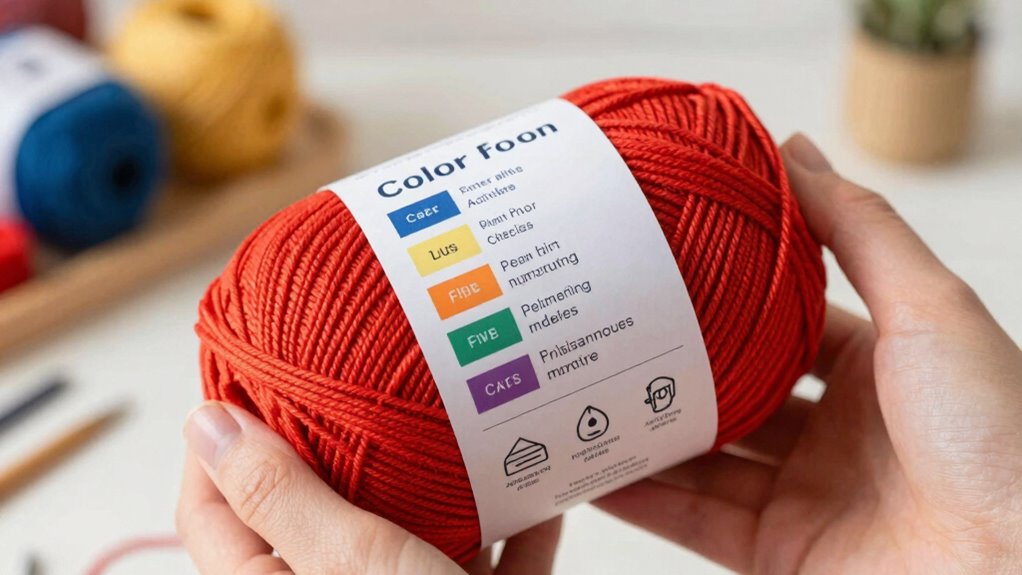
When you pick up a ball of yarn, understanding the label can seem overwhelming at first, but it’s actually straightforward once you know what to look for. The key is to focus on a few essential details, especially fiber types and yarn dyeing information. These elements tell you a lot about how the yarn will behave, how it feels, and how it should be cared for. Starting with fiber types, the label indicates whether the yarn is made from wool, cotton, acrylic, or blends of these fibers. Wool offers warmth and elasticity, making it great for cozy projects, while cotton is breathable and perfect for summer garments. Acrylic is lightweight, affordable, and easy to care for, often mimicking natural fibers. Understanding these fiber types helps you choose yarns suited to your project’s purpose and your personal preferences. Additionally, knowing about fiber sustainability and sourcing can guide you toward more eco-friendly choices, supporting biodiversity and conservation efforts.
Next, pay attention to the section about yarn dyeing. This part reveals whether the yarn is dyed using solid, variegated, or hand-dyed techniques. Solid-colored yarns are uniform and predictable, ideal for simple stitches and clean finishes. Variegated yarns feature multiple colors in one skein, creating vibrant, multi-hued patterns with minimal effort, perfect for adding visual interest. Hand-dyed yarns might have subtle variations, giving a unique, artisanal look to your finished piece. Recognizing how yarn dyeing impacts the appearance helps you plan your project’s color scheme and pattern choices more effectively. Being aware of dyeing methods can also help you determine the durability and colorfastness of your yarn over time. Knowing the dyeing process can further assist in selecting yarns that align with your environmental values, especially if eco-friendly dyes are used. It’s also useful to know how different dyeing techniques influence the overall aesthetic of your project. Moreover, understanding the environmental impact of dyeing methods can help you select more sustainable options, encouraging eco-conscious dyeing practices.
Beyond fiber types and dyeing, the label also includes information on weight category and yardage. Yarn weight affects the thickness of your finished work—fingering, sport, worsted, and bulky are common categories, each suited to different projects. The yardage tells you how much yarn you have, so you can determine if you have enough to complete your pattern. Sometimes, labels include recommended needle or hook sizes, which guide you to achieve the correct gauge, ensuring your project turns out as intended.
Lastly, don’t overlook care instructions printed on the label. These tell you whether the yarn is machine washable or requires hand washing, and if it’s suitable for dry cleaning or needs special treatment. Following these guidelines preserves your yarn’s quality and longevity. Proper understanding of care labels can also prevent accidental damage and help you maintain the beauty of your finished project over time. Additionally, selecting yarns with eco-friendly care options supports sustainable practices and reduces environmental impact.

8 Pack Guided Reading Strips Bookmark, Colored Overlay Highlight Strips
- Reading Focus: Enhances visual tracking and reduces distractions
- 8 Vibrant Colors: Includes 8 soft-tint colored strips
- Versatile Use: Suitable for reading, studying, and homework
As an affiliate, we earn on qualifying purchases.
As an affiliate, we earn on qualifying purchases.
Frequently Asked Questions
What Does “Superwash” Mean on a Yarn Label?
“Superwash” on a yarn label means the fiber has been treated to be machine washable and less prone to felting. It alters the fiber properties, making care instructions easier, as you can usually wash superwash yarns in warm water without shrinking or felting. This treatment is especially helpful if you’re looking for low-maintenance, durable yarn for garments or accessories, simplifying your knitting or crocheting process.
How Do I Choose the Right Yarn Weight for My Project?
Like choosing a smartphone in the era of the iPhone, picking the right yarn weight depends on your project. Consider fiber composition to guarantee durability and softness, and explore color options that match your vision. Light weight yarns are perfect for delicate accessories, while thicker yarns suit cozy blankets. Match the weight to your pattern’s gauge, and you’ll craft something both beautiful and functional, just like a timeless device.
Are All Yarn Labels Standardized Internationally?
Not all yarn labels are standardized internationally, but many adhere to certifications guaranteeing quality and safety. These certifications, like OEKO-TEX®, promote yarn safety, while labels often specify dye lot information to help you achieve color consistency. When choosing yarn, check for certification marks and dye lot details on labels to ensure your project maintains uniformity and meets safety standards, making your crafting experience smoother and more reliable.
How Can I Tell if a Yarn Is Suitable for Beginners?
If you’re a beginner, look for yarns with natural fibers like cotton or wool, which are easy to handle and forgiving. Avoid yarns with colorfast dyes that might bleed or require special care. Soft, smooth textures without complicated labels make your first projects more enjoyable. Opt for thicker yarns, which are easier to see your stitches, and choose simple, clear labels that guide you without confusion, making your learning curve smoother.
What Does “Hand Wash” vs. “Machine Wash” Indicate?
“Hand wash” means you should gently clean the yarn with water and mild detergent, as it’s often delicate and has specific fiber composition that could be damaged in a machine. “Machine wash” indicates the yarn is more durable with stable dye, allowing you to wash it in a machine without worry. Understanding these labels helps protect your project’s fiber quality and dye stability, ensuring your creation stays beautiful longer.
Conclusion
Now that you know how to read yarn labels with confidence, you’re ready to pick the perfect yarn for any project. Remember, “a stitch in time saves nine,” so taking the time to understand labels guarantees your work turns out just right. Trust your new skills, and don’t be afraid to experiment. With a little practice, you’ll navigate yarn labels like a pro, turning your creative ideas into beautiful realities. Happy knitting!