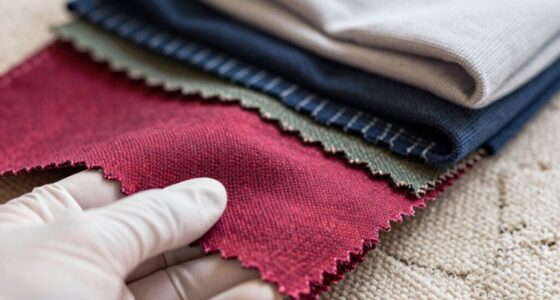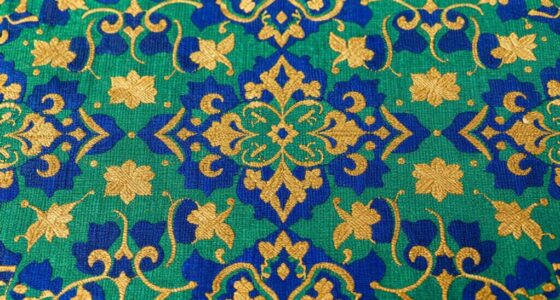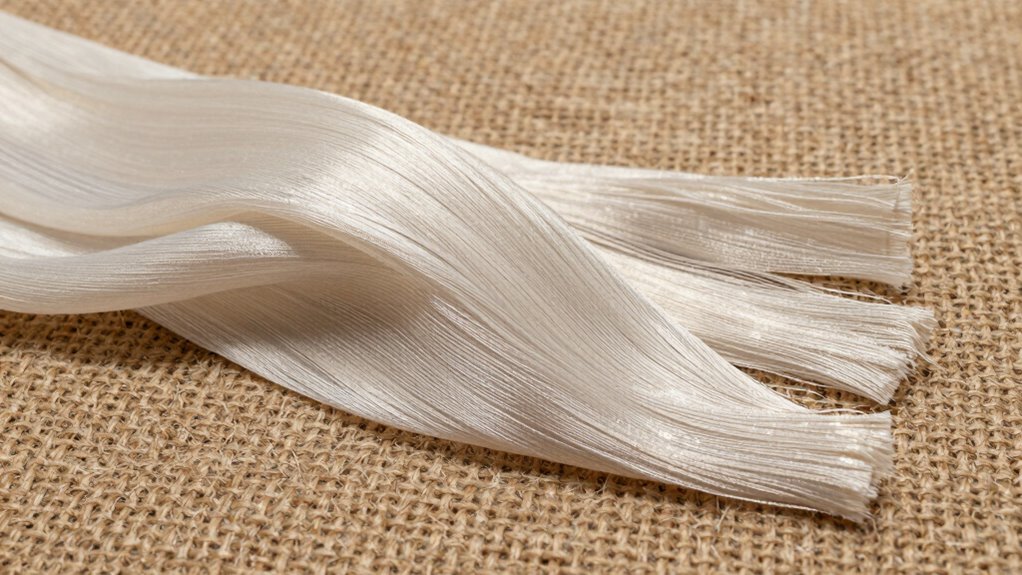

Choosing the right fiber depends heavily on whether you’re crafting luxurious garments or decorative accents. For garments, silk fibers like the Revolution Fibers Grade A Mulberry Silk excel with their softness and durability, but their limited quantity and processing needs can be drawbacks. For decor, larger quantities and ease of dyeing make silk fibers appealing, though they may lack the fiber length ideal for fine clothing. Here, I compare two top silk fibers to help you decide which suits your project needs best—balancing quality, versatility, and tradeoffs.

Get business pricing on tools and workshop supplies
- Business-only prices and quantity discounts
- Tax-exempt purchasing
- Multiple users, one account, clear invoices
Complete the kit


Key Takeaways
- Mulberry silk fibers offer unmatched softness and sheen, ideal for garments and luxurious accessories.
- Higher quality silk fibers tend to have longer staple lengths, key for finer weaving and knitting, but may require multiple purchases for larger projects.
- Decor projects benefit from smaller, dyeable silk fibers that are versatile for felting and blending, even if they aren’t perfect for fine apparel.
- Processing needs and fiber quantity are important tradeoffs—luxury fibers often require more effort or multiple purchases for big projects.
- Choosing between these fibers depends on whether your priority is texture and durability for garments or versatility and color for decor.
| Revolution Fibers Grade A Mulberry Silk Fiber |  | Best Overall for Garments | Fiber Type: Mulberry Silk | Grade: A | Weight: 4 ounces | 115 grams | VIEW ON AMAZON | See Our Full Breakdown |
| Mulberry Silk Fiber for Spinning, Blending, Felting, Dyeing |  | Best for Versatility in Decor & Crafting | Weight: 2 ounces (50g) | Color: Natural white | Staple Length: 6 inches (150mm) | VIEW ON AMAZON | See Our Full Breakdown |
| fibers for garments vs decor | Weight | Color | Fiber Type | Grade |
|---|---|---|---|---|
| Revolution Fibers Grade A Mulb | 4 ounces | 115 grams | White | Mulberry Silk | A |
| Mulberry Silk Fiber for Spinni | 2 ounces (50g) | Natural white | — | — |
More Details on Our Top Picks
Revolution Fibers Grade A Mulberry Silk Fiber
This Grade A Mulberry Silk Fiber stands out for its luxurious sheen, softness, and strength. Its long fibers make it perfect for spinning into fine yarns for garments, ensuring a smooth, durable finish. Compared to similar options, this silk offers a superior luster and resistance to pilling, making it ideal for high-end clothing. However, its limited 4-ounce bundle means you’ll need multiple packages for larger projects, and it requires spinning or processing before use, which could be a barrier for beginners.
Pros:- Luxurious sheen and softness
- Strong and resistant to pilling
- Long fibers ideal for spinning and weaving
Cons:- Limited to 4 ounces per bundle
- Requires spinning or processing before use
Best for: Luxury garments, accessories, and fine weaving projects where fiber quality and sheen are priority.
Not ideal for: Large-scale decor projects or applications requiring bulk fiber without additional processing.
- Fiber Type:Mulberry Silk
- Grade:A
- Weight:4 ounces | 115 grams
- Color:White
- Usage:Spinning, dyeing, blending, felting, knitting, crocheting, weaving
Our verdict“A top-tier silk fiber best suited for detailed, high-quality garment projects where fiber length and sheen matter most.”
Mulberry Silk Fiber for Spinning, Blending, Felting, Dyeing
This premium grade silk fiber is favored for its high dyeability, staple length, and versatility. With a 6-inch staple, it’s well-suited for blending into yarns or felting projects, making it a flexible choice for decorative applications. Compared with the first option, it’s more accessible in quantity (2 ounces) but may require multiple purchases for larger projects. Its ease of dyeing allows for vibrant, sparkling colors that elevate decor pieces, though it’s less optimal for fine, detailed garments due to shorter fiber length.
Pros:- High-quality, durable silk fibers
- Excellent dyeability for bright, sparkling colors
- Versatile for spinning, felting, and blending
Cons:- Limited to 2 ounces, requiring multiple purchases
- Shorter staple length for fine garments
Best for: Decorative projects, felted art, blending into yarns, and dyeing vibrant colors for accents.
Not ideal for: High-end garments requiring ultra-long fibers and smooth texture for clothing.
- Weight:2 ounces (50g)
- Color:Natural white
- Staple Length:6 inches (150mm)
- Material:Mulberry silk
Our verdict“A flexible silk fiber ideal for decorative and craft projects, offering vibrant colors and ease of use but less suited for fine apparel.”

How We Picked
Our selection process focused on fibers that balance quality, versatility, and practicality for both garment making and decor. We prioritized natural mulberry silk for its superior sheen, softness, and long staple length, which are key for clothing. For decor, we looked at fibers that are easy to dye, blend, and felt—making them suitable for a variety of decorative projects. We considered factors like fiber length, ease of use, price per ounce, and typical application to ensure these picks serve different project needs effectively.
| fibers for garments vs decor | Color |
|---|---|
| Revolution Fibers Grade A Mulb | White |
| Mulberry Silk Fiber for Spinni | Natural white |
Factors to Consider When Choosing Fibers For Garments Vs Decor
Deciding between fibers for garments or decor hinges on understanding key differences in fiber length, processing needs, and application suitability. For clothing, the goal is to achieve a silky, smooth finish with fibers long enough to spin into fine yarns. For decor, versatility, ease of dyeing, and blending are often more important than fiber length or strength. This guide walks through important considerations to help you choose the right silk fiber for your specific project goals.
Fiber Quality and Length
For garments, longer staple fibers—like those in the Revolution Fibers Grade A Mulberry Silk—are essential for creating smooth, durable, and high-end textiles. They spin into finer yarns with a luxurious feel. Conversely, for decor projects such as felting or blending, shorter fibers like those in the second silk option are easier to manipulate, dye, and incorporate into various crafts without the need for extensive processing.
Quantity and Cost
High-quality silk fibers tend to come in smaller quantities and at a higher price per ounce, which makes them better suited for detailed, high-end garments. For larger decor projects, smaller quantities—like 2 ounces—are often enough, especially if you’re blending or felting. Budget considerations also influence whether you purchase multiple smaller bundles or larger quantities for bulk decor work.
Application and Processing
Garment makers should prioritize fibers that are ready to spin or weave, with minimal processing required. Silk with longer fibers facilitates this. Decor crafters benefit from fibers that are easy to dye and blend, like the second silk option, which simplifies creating colorful, textured pieces without the need for spinning skills. Keep in mind that some fibers require more prep, impacting time and effort.
Frequently Asked Questions
Can I use silk fiber for both garments and decor?
Yes, silk fibers can be versatile enough for both applications, but the choice depends on fiber length, quality, and project needs. Longer, high-grade silk such as the Revolution Fibers Grade A Mulberry Silk is ideal for garments that demand a smooth, durable finish. Shorter fibers, like those in the second option, are more suited for decor projects involving felting, blending, or dyeing, where fiber length is less critical.
How does fiber length affect the final product?
Longer fibers, such as those used in fine silk yarns, produce smoother, stronger, and more luxurious textiles suitable for clothing. Shorter fibers are easier to manipulate and are better suited for felting, blending, or creating textured decor pieces. The choice of fiber length directly influences the texture, durability, and appearance of your finished item.
Is higher dyeability important for garments?
While dyeability is more critical for decor and craft projects, it can also benefit garment making if you want vibrant, customized colors. Silk fibers that are easy to dye, like the second option, allow for bright, consistent hues, especially useful for decorative accents or fashion pieces requiring bold colors. For high-end garments, colorfastness and dye quality are equally important to ensure longevity.
Are these silk fibers suitable for beginners?
The second silk fiber, with its shorter staple length and easier dyeing process, is more accessible for beginners or hobbyists. The first option, while offering superior quality, requires more skill in spinning or weaving and might be better suited for experienced crafters focusing on luxury projects. Beginners should consider their comfort level with processing and project scope when choosing.
What should I consider when buying silk for large projects?
For large-scale projects, quantity and cost become significant factors. Fibers like the second silk option, sold in smaller amounts but easier to blend or felt, may require multiple purchases to meet project needs. Higher-quality fibers like the first option, despite higher costs, provide long fibers and durability that can reduce the need for additional processing or blending, making them more efficient for big, detailed projects.
Conclusion
If your focus is on creating luxurious garments and accessories with a silky finish, the Revolution Fibers Grade A Mulberry Silk Fiber is the clear choice, especially for experienced crafters. For decorative pieces, felted art, or projects requiring vibrant dyeing, the versatile second silk fiber makes more sense, especially for hobbyists and those working on smaller batches. Consider your project scale, skill level, and whether fiber length or dyeability is more important to decide which silk fiber best matches your needs.