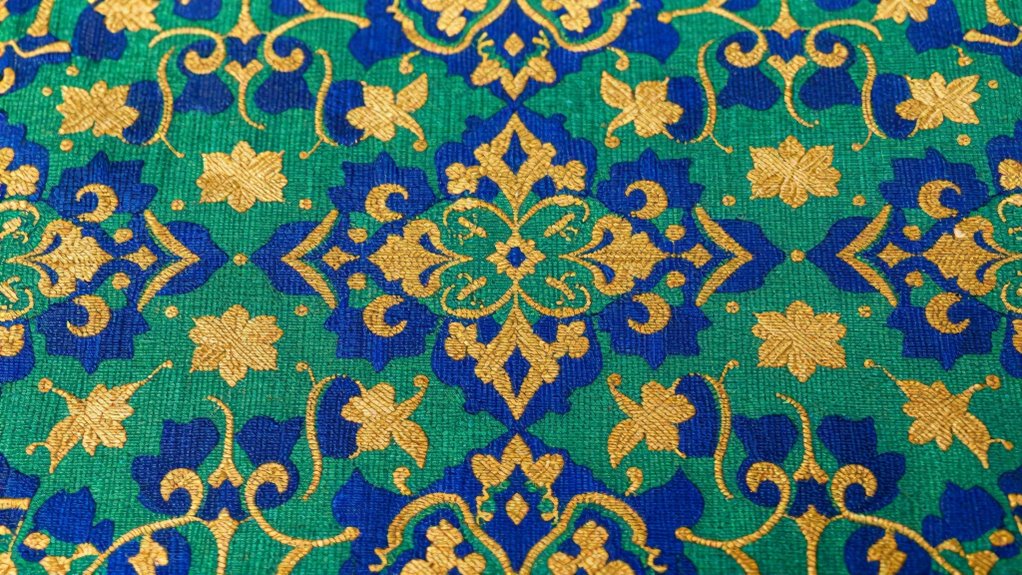

When creating textile motifs and repeat patterns, understanding their cultural significance helps you craft meaningful designs. Motifs often symbolize ideas, beliefs, or social status, while repetition can represent continuity or community bonds. Incorporating these symbols thoughtfully enhances the narrative and emotional impact of your work. Respect for cultural context prevents misappropriation and deepens your appreciation. As you explore further, you’ll discover how to weave these traditions into your designs with authenticity and respect.
Key Takeaways
- Motifs in textiles often symbolize cultural beliefs, ideas, or social status, adding deeper meaning beyond aesthetics.
- Repeat patterns enhance symbolism, creating continuity, unity, and storytelling within textile designs.
- Understanding cultural symbols helps makers create authentic, respectful, and meaningful textile patterns.
- Repetition can signify eternity, community bonds, or tradition, influencing the emotional and visual impact.
- Considering symbolism and cultural context ensures responsible, intentional, and culturally sensitive textile design.

Cultural symbolism plays an equally important role. Each pattern or motif often carries a deeper meaning beyond its visual appeal. In many cultures, motifs symbolize specific ideas, beliefs, or social statuses. For instance, certain motifs in African textiles symbolize fertility, protection, or spiritual connections. In Asian fabrics, floral patterns often represent seasons, virtues, or auspicious qualities. When you select or create repeat patterns, think about what these symbols communicate. Are you aiming to evoke harmony, strength, or celebration? Understanding the cultural significance behind patterns allows you to create designs that are not only visually striking but also meaningful.
The use of repeat patterns amplifies these symbolic messages and cultural connections. Repetition itself can symbolize eternity, continuity, or community bonds. For example, repeating motifs in Indian textiles often serve to unify the fabric’s narrative, emphasizing the importance of tradition and shared identity. When you craft or interpret these patterns, consider how repetition influences the overall rhythm and tone of your design. It’s not just about aesthetics; it’s a way to embed cultural stories into your work, creating a layered, textured narrative that resonates with viewers or users. Additionally, understanding cultural symbolism can help makers avoid cultural misappropriation and ensure respectful representation. Recognizing traditional motifs can deepen your appreciation and authentic expression in textile design. Developing an awareness of cultural context can further enrich your understanding and respect for these symbols.

Tatuo 12 Pieces African Fabric Fat Quarters African Ankara Wax Print Fabric for Sewing, Face Covering Make, Craft Projects and Patch Work DIY(50 x 40 cm/ 19.5 x 15.7 Inches)
- Number of Fabric Pieces: 12 pieces of African fabric
- Fabric Size: 50 x 40 cm (19.5 x 15.7 inches)
- Material: Cotton with wax print
As an affiliate, we earn on qualifying purchases.
As an affiliate, we earn on qualifying purchases.
Frequently Asked Questions
How Do I Choose the Right Motif for My Project?
To choose the right motif for your project, consider its symbolism and cultural influences. Think about what message or emotion you want to convey through your design. Research motifs from different cultures to find patterns that resonate with your theme. Select a motif that aligns with your project’s purpose, ensuring it reflects the intended symbolism and cultural significance. This thoughtful approach creates a meaningful, authentic textile pattern.
What Software Is Best for Creating Repeat Patterns?
Think of creating repeat patterns as painting with pixels, and the best software as your trusty brushes. You’ll want digital tools like Adobe Illustrator or Photoshop for their versatility, but don’t overlook pattern libraries within programs like Canva or Affinity Designer. These tools help you seamlessly craft, mirror, and tile motifs, turning your ideas into harmonious repeats. With the right software, your designs flow effortlessly, like a melody woven into fabric.
How Can I Ensure Seamless Repeats in My Design?
To guarantee seamless repeats, focus on maintaining pattern symmetry and color harmony across your design. Use design software with grid and snapping tools to align motifs precisely. Check your pattern by tiling it repeatedly to spot any gaps or mismatches. Adjust colors to create visual harmony, making the repeat flow smoothly. Regularly preview your pattern in its intended application to catch any irregularities before finalizing.
What Are Common Mistakes in Designing Textile Patterns?
You often make mistakes like ignoring color harmony and overcomplicating pattern complexity. When designing textile patterns, guarantee your colors complement each other to create visual harmony. Avoid overly intricate motifs that can disrupt the flow, making the pattern look busy or chaotic. Keep your design balanced, simple where needed, and test repeats to spot inconsistencies. Focusing on these aspects helps you create more appealing, seamless textile patterns.
How Do I Scale Patterns for Different Fabric Sizes?
Sure, because nothing says “fun” like adjusting fabric scale and pattern sizing, right? To scale patterns for different fabric sizes, you simply resize your motifs proportionally to guarantee they look balanced. Use design software to adjust the pattern dimensions, maintaining the same repeat ratio. Remember, smaller fabrics need smaller motifs, and larger fabrics can handle bigger patterns—so, yes, it’s all about respecting the fabric scale for perfect results.
Conclusion
Now that you understand textile motifs and repeat patterns, you’ll see how they intertwine effortlessly in your creations. As you experiment, you might unexpectedly notice a pattern or motif emerging in your own work—like a coincidence that feels too perfect to ignore. Embrace these moments; they remind you that inspiration often comes when you least expect it. Keep exploring, and you’ll find that your unique designs are shaped by these delightful, coincidental discoveries.