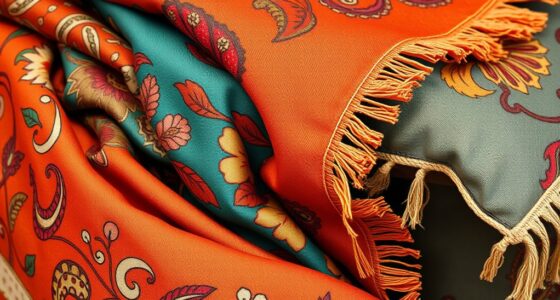
To make your sewing projects more eco-friendly, try using sustainable fabrics like organic cotton, hemp, linen, or bamboo, which are grown without harmful chemicals and require less water. Recycled materials like polyester made from plastic bottles also help reduce waste and energy use. Notions made from biodegradable or recycled materials further lessen environmental impact. By choosing these options, your sewing becomes a powerful way to support a healthier planet—discover more ways to sew sustainably as you continue.
Key Takeaways
- Opt for fabrics made from recycled materials like recycled polyester and nylon to reduce waste and energy consumption.
- Choose organic fibers such as organic cotton, hemp, and bamboo for sustainable, chemical-free sewing projects.
- Prioritize biodegradable fabrics that break down easily, minimizing long-term environmental impact.
- Use eco-friendly notions like biodegradable threads, natural dyes, and recycled notions to support sustainable sewing.
- Support brands and certifications (GOTS, OEKO-TEX) that verify eco-conscious sourcing and manufacturing practices.
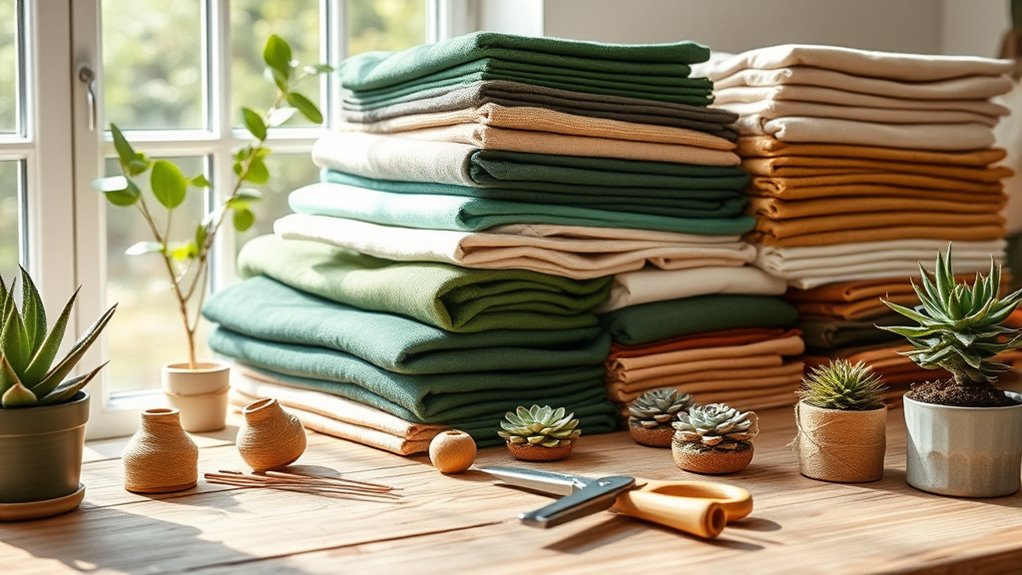
Have you ever wondered how your sewing habits impact the environment? Every stitch you take influences not just your projects but also the planet. Choosing sustainable fabrics is a powerful way to reduce your carbon footprint and create eco-friendly garments. Recycled materials are a fantastic starting point. They transform waste like plastic bottles, old fabrics, and discarded textiles into new, usable fabrics. When you opt for recycled polyester or nylon, you’re giving waste a second life instead of letting it pile up in landfills. These fabrics often require less energy to produce than virgin materials, which means fewer emissions and a smaller environmental impact. By incorporating recycled materials into your sewing projects, you contribute to a circular economy, where waste is minimized and resources are reused.
Choosing recycled fabrics reduces waste, lowers energy use, and supports a circular economy in sustainable sewing.
In addition to recycled fabrics, organic fibers are another eco-conscious choice. Organic cotton, hemp, linen, and bamboo are grown without harmful chemicals, pesticides, or synthetic fertilizers. This not only benefits the environment by reducing soil degradation and water pollution but also results in fabrics that are healthier for your skin. When you choose organic fibers, you’re supporting farming practices that prioritize soil health, biodiversity, and water conservation. These fibers often require less water and energy during cultivation compared to conventional crops, making them a more sustainable option overall. Using organic fibers in your sewing projects means you’re actively participating in a movement towards more sustainable agriculture, helping to preserve ecosystems and reduce the chemical load on the environment.
Moreover, sustainable fabrics like organic fibers tend to be biodegradable, which means they break down more easily after disposal, unlike synthetic fabrics that can linger in the environment for decades. This biodegradability reduces long-term pollution and aligns with eco-friendly sewing goals. When selecting fabrics, pay attention to certifications such as GOTS (Global Organic Textile Standard) or OEKO-TEX to ensure that you’re purchasing authentic organic and eco-friendly materials. These certifications guarantee that the fabrics meet strict environmental and social standards.
Your choice of fabrics sends a message about your values as a sewer and a consumer. By prioritizing recycled materials and organic fibers, you’re actively reducing reliance on resource-intensive, environmentally damaging fabrics. Your sewing projects can be more than just creative outlets—they can become statements of sustainability. Every time you pick eco-friendly fabrics, you’re helping to create a more sustainable fashion industry, one stitch at a time. Making these conscious choices can inspire others and foster a community committed to protecting the planet while pursuing their passion for sewing.
Frequently Asked Questions
How Do I Identify Genuinely Sustainable Fabric Brands?
You can identify genuinely sustainable fabric brands by checking their certification labels like GOTS or OEKO-TEX, which guarantee eco-friendly practices. Also, look for brand transparency—reputable companies openly share their sourcing, manufacturing processes, and sustainability goals. Do some research online, read reviews, and visit their websites to verify their commitments. This way, you’ll confidently choose brands that prioritize eco-conscious materials and ethical production.
Are Natural Dyes More Eco-Friendly Than Synthetic Dyes?
Natural dyes are generally more eco-friendly than synthetic dyes because they rely on plant-based, biodegradable materials, reducing chemical runoff and pollution. In contrast, synthetic dyes often contain harmful chemicals that impact water quality and ecosystems. When you choose natural dyeing, you’re supporting sustainable practices and minimizing environmental harm. While natural dyes might require more effort and produce less vibrant colors, their lower synthetic dye impacts make them a better eco-conscious choice.
What Tools Are Best for Eco-Friendly Sewing Projects?
For eco-friendly sewing projects, you should use recycled sewing needles and biodegradable cutting mats. Recycled needles reduce waste and environmental impact, making your sewing more sustainable. Biodegradable cutting mats are great because they break down naturally, avoiding plastic pollution. Pair these tools with organic fabrics and eco-friendly threads to enhance sustainability. These choices help you sew responsibly while minimizing your ecological footprint and creating beautiful, eco-conscious projects.
How Can I Reduce Waste When Sewing With Sustainable Fabrics?
To reduce waste when sewing with sustainable fabrics, you should focus on upcycling techniques and fabric waste management. Reuse leftover scraps for smaller projects or accessories, and plan your cuts carefully to minimize excess. You can also repurpose fabric scraps into patches or embellishments. Always measure precisely and optimize your pattern layout to maximize fabric use, helping you create beautiful projects while staying eco-friendly and reducing waste.
Are There Eco-Friendly Notions and Trims Available?
You can find eco-friendly notions and trims, like recycled trims and biodegradable notions, to make your sewing more sustainable. For example, imagine sewing a tote bag with recycled cotton ribbons or buttons made from biodegradable materials. These options reduce waste and environmental impact. By choosing these sustainable notions, you support eco-conscious practices and guarantee your projects are both beautiful and environmentally friendly.
Conclusion
By choosing sustainable fabrics and eco-friendly notions, you’re not just crafting; you’re making a difference. Think of your sewing projects as a gentle breeze, spreading positive change with every stitch. When you opt for eco-conscious materials, you help protect the planet and create beautiful, responsible creations. So go ahead, sew with purpose and passion—your efforts ripple outward like waves, inspiring others to join in this green sewing movement.