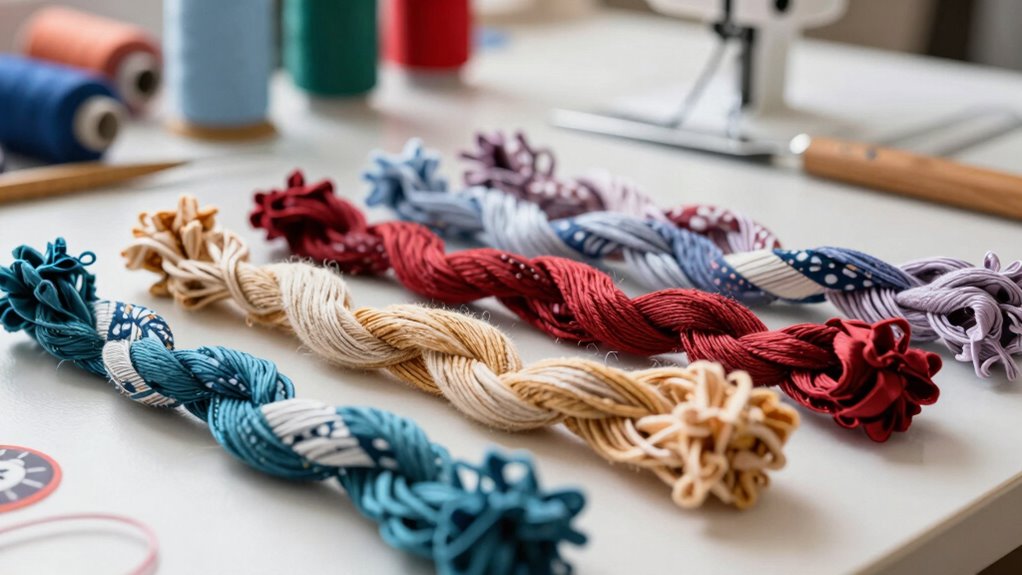

To turn fabric scraps into useful twine in just 10 minutes, gather lightweight fabric pieces, cut them into strips, and stack them neatly. Twist each strip tightly from one end, then fold the twisted fabric in half and interlock the ends. Twist again to secure the strands. This versatile, eco-friendly twine can be used for crafts, gift wrapping, or organization. Keep exploring for tips on making your fabric twine even stronger and more creative!
Key Takeaways
- Cut fabric scraps into uniform strips, fold and twist tightly to create durable, homemade fabric twine in approximately 10 minutes.
- Interlock the twisted ends by folding the strand in half and twisting again to secure and strengthen the twine.
- Use scissors, a needle, or a sewing machine to join strips smoothly for longer or thicker twine.
- Customize the color and texture by dyeing or selecting different fabric scraps before twisting.
- Repurpose the finished fabric twine for craft projects, gift wrapping, organization, or decorative accents.
Materials and Tools Needed for Quick Fabric Twine
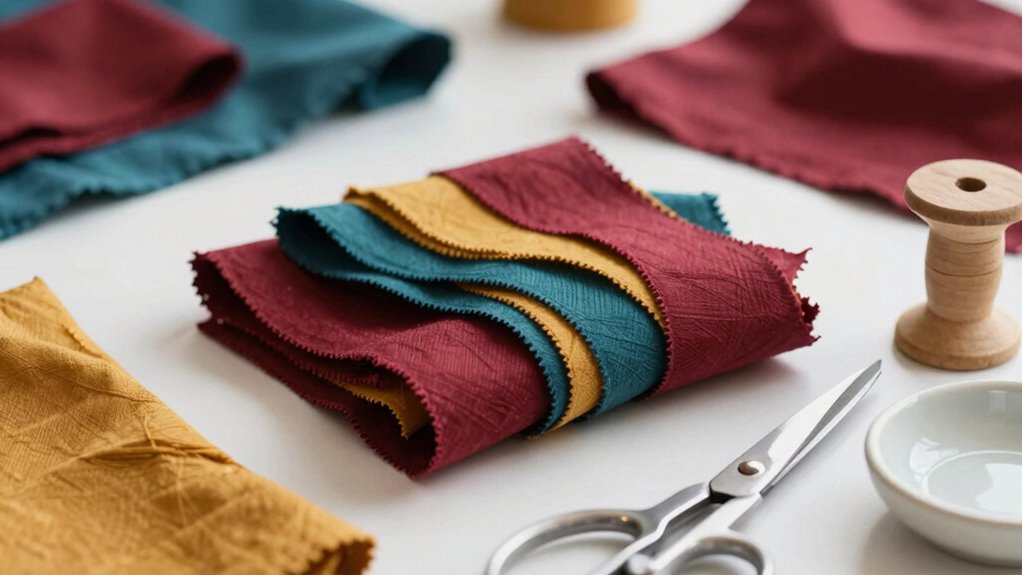
To make quick fabric twine, you’ll need a few simple materials and tools. Start with fabric scraps, preferably lightweight cotton or linen, which are easy to manipulate using basic sewing techniques. You’ll also need scissors to cut strips, and a sturdy needle or a sewing machine if you prefer sewing the strips together. For added flair, consider fabric dyeing to customize your twine’s color, giving it a unique look. A hot glue gun or strong adhesive can help secure the ends if needed. Keep some water and mild soap handy for cleaning or prepping the fabric. Understanding fabric manipulation techniques can help you achieve a neater, more durable twine. With these tools, you can quickly transform scraps into versatile twine that’s perfect for craft projects or decorative accents.
Preparing Your Fabric Scraps for Twisting
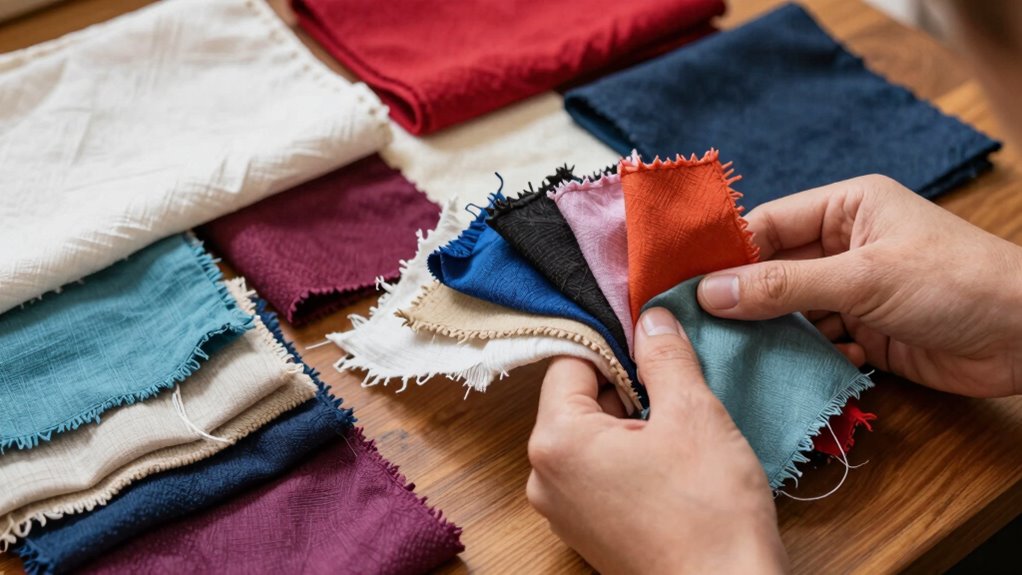
Before twisting your fabric scraps, it’s vital to prepare them properly to guarantee a smooth process. Start by sorting your scraps to ensure uniformity and avoid mixed textures that could complicate twisting. Scrap sorting helps you choose the best pieces for a sturdy twine, especially if you want a consistent look. Next, fold your fabric scraps neatly to make twisting easier and more efficient. Fabric folding aligns the fibers, reducing bulk and preventing uneven twists. Flattening and folding scraps also make it simpler to handle multiple strands at once. Taking a few moments to sort and fold ensures your fabric twine will be strong, even, and easier to work with, saving you time and frustration during the twisting process. Additionally, understanding the role of skilled trades can inspire you to use your fabric scraps in creative, practical projects. Recognizing the importance of craftsmanship can motivate you to perfect your technique and produce a high-quality twisted twine. Incorporating water-related techniques can also help in cleaning or softening the fabric for better twisting results. To further enhance your process, consider learning about fiber characteristics, which can influence how the fabric behaves when twisted. Exploring material durability can help you select the best fabric types for long-lasting twine.
How to Twist Fabric Into Sturdy Twine in 10 Minutes
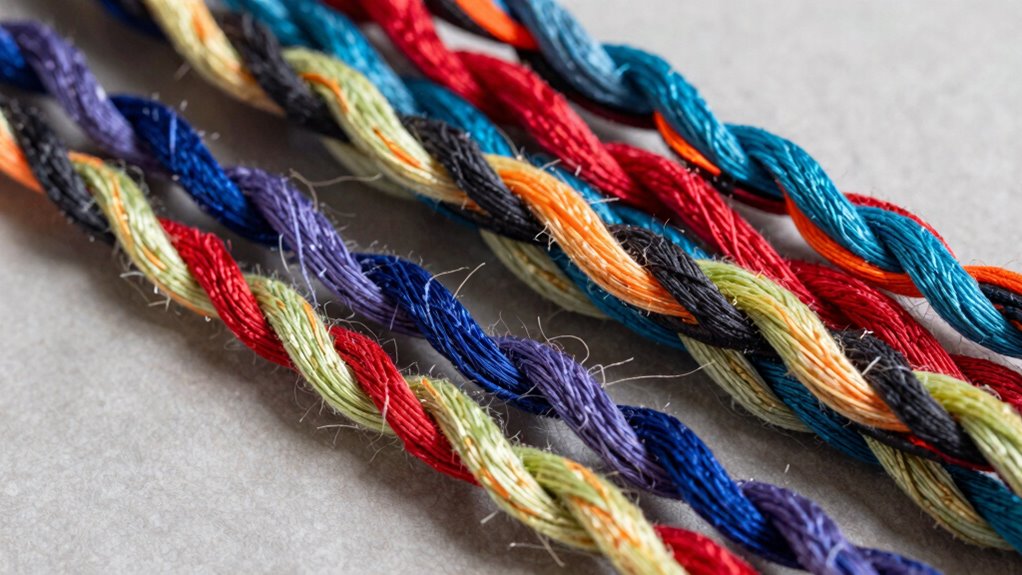
Once your fabric scraps are properly prepared, twisting them into sturdy twine is quick and straightforward. Lay out the strips side by side, then hold one end firmly. Twist the fabric tightly in your hands, making sure to apply even pressure. Continue twisting until the length doubles in thickness, then fold the twisted fabric in half, interlocking the ends. Twist again for added strength. This method creates durable twine perfect for fabric art projects or decorative wrapping. The twisting process ensures the strands stay together, giving you a sturdy cord in just minutes. Use this homemade fabric twine to add a rustic touch to your crafts, gift wrapping, or home decor. It’s an easy, eco-friendly way to turn fabric scraps into functional, attractive twine. For a more polished look, you can also incorporate techniques used in knot tying to secure the ends more effectively. Additionally, understanding the importance of contrast ratio can help you evaluate the visual clarity of your finished project if you plan to display it in a setting with varying lighting conditions. Recognizing the sustainable benefits of repurposing fabric scraps can further enhance your eco-conscious crafting approach. Incorporating handmade techniques can also lend a unique, personal touch to your finished twine, making each piece one-of-a-kind. Moreover, paying attention to dream symbolism related to creativity can inspire new ideas and improve your crafting process.
Creative Ways to Use Your Fabric Twine
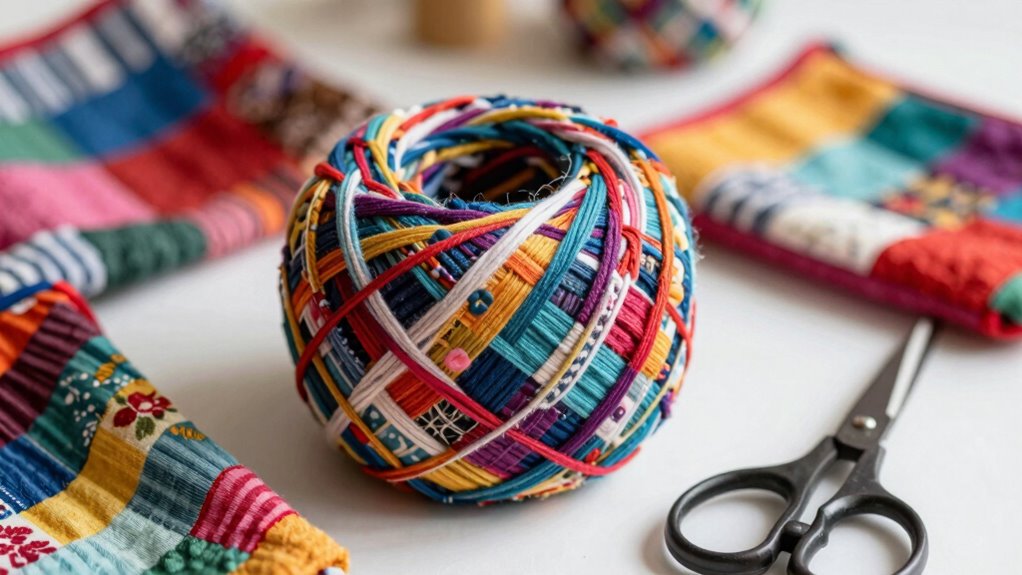
Fabric twine offers a versatile and eco-friendly way to enhance your craft projects and home decor. You can repurpose your recycling fabric by creating beautiful garlands, wall hangings, or table runners, adding a handmade touch to any space. Use your fabric twine to organize craft supplies by tying small jars or bins together, making your storage ideas both functional and stylish. It’s perfect for bundling fabric scraps or securing gift packages with a rustic charm. Additionally, you can craft wind chimes or decorative mobiles, turning leftover fabric into art. The possibilities are endless, and this simple method turns scraps into useful, attractive accents that showcase your creativity and sustainability efforts. This approach aligns with sustainable design principles and upcycling techniques, emphasizing eco-conscious creativity. Incorporating recycling fabric into your projects not only reduces waste but also highlights your commitment to environmentally friendly practices. You might also explore natural fibers to further enhance the eco-friendliness of your creations and support sustainable crafting initiatives. Using recycled materials can further amplify the eco-friendly impact of your handmade projects.
Troubleshooting Tips and Alternatives for Small Scraps
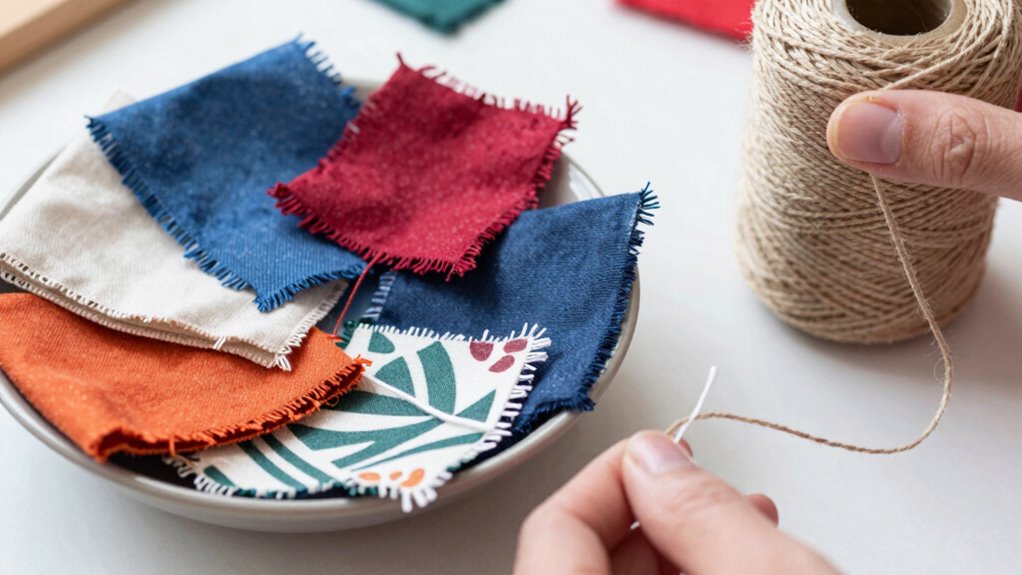
Have you ever struggled to use tiny fabric scraps effectively in your projects? If so, fiber recycling can help you turn small pieces into useful items instead of waste. To improve scrap organization, consider storing scraps by color or fabric type, making it easier to find what you need. When working with tiny pieces, try alternative methods like creating fabric beads or twine, which can incorporate even the smallest scraps. If scraps are too fragile or thin, reinforce them with interfacing or fusible webbing before twisting into twine. Troubleshooting common issues—such as scraps slipping or unraveling—can be addressed by sealing edges with fabric glue or fray check. Understanding fabric manipulation techniques can also inspire creative ways to repurpose fabric scraps into decorative or functional items. Incorporating piercing aftercare tips, such as sealing edges and preventing fraying, can help secure delicate scraps during twisting. Additionally, experimenting with simple binding methods can help secure delicate scraps during twisting. Applying these techniques can also enhance your overall creative storytelling by turning small scraps into compelling craft narratives. These tips help maximize your tiny fabric scraps and keep your creative process smooth and organized.
Frequently Asked Questions
Can I Use Any Type of Fabric for This Twine Method?
Yes, you can use various fabric types for this twine method, but some work better than others. Natural fabrics like cotton, linen, and jute tend to twist easily and hold up well. Synthetic fabrics may be more difficult to work with and can have different dye options if you want to customize your twine’s appearance. Experiment with small scraps first to see how each fabric type behaves before making larger pieces.
How Long Can the Finished Fabric Twine Last?
The finished fabric twine can last several months to years, depending on fabric durability and usage. To maximize its lifespan, store it in a dry, cool place and avoid prolonged exposure to moisture or sunlight. While it’s eco-friendly, consider its environmental impact if used outdoors or in harsh conditions, as natural fibers tend to degrade faster. Proper care guarantees your fabric twine remains functional and environmentally responsible over time.
Is This Method Suitable for Outdoor or Heavy-Duty Use?
While this fabric twine isn’t ideal for outdoor or heavy-duty use, it’s great for light indoor projects. Durability concerns and weather resistance are limited, so exposure to rain, sun, or heavy loads can cause it to weaken or fray. If you need something more robust, consider using synthetic or treated materials designed for outdoor durability. This method suits craft or decorative purposes better than demanding, long-lasting applications.
Can I Dye or Decorate the Fabric Twine After Making It?
Yes, you can dye or decorate your fabric twine after making it. Fabric dyeing allows you to customize the color to match your project, while adding decorative embellishments like beads, charms, or fabric paint can give it a unique touch. Just make certain the dye or embellishments are suitable for your fabric type, and follow proper techniques to achieve the best results. This way, your fabric twine becomes even more personalized and creative.
What Are Some Eco-Friendly Disposal Options for Leftover Scraps?
When you have leftover fabric scraps, you can explore eco-friendly disposal options like recycling or composting. Check if your local recycling center accepts fabric or textile materials, or look for textile recycling programs in your community. Alternatively, consider composting methods if the scraps are natural fibers. You can also repurpose small pieces for craft projects or donate them to organizations that use fabric for art or educational purposes, reducing waste effectively.
Conclusion
Now that you’ve mastered this quick fabric twine trick, you’ve turned tiny scraps into a versatile treasure chest. With just a few minutes and a little twist, you’ve woven new life into your leftovers. Think of this skill as a secret handshake with creativity—simple, satisfying, and endlessly useful. So keep twisting, keep creating, and let your fabric scraps dance into a new purpose, proving that even small pieces can make a big difference.