
When choosing between flat-bed and circular knitting machines, you’ll notice different fabric results. Flat-bed machines produce detailed, textured fabrics perfect for panels and intricate designs, but they require more skill and maintenance. Circular machines create seamless, uniform fabrics suited for high-speed production of garments like T-shirts and hosiery. They’re easier to operate and more efficient for large-scale, continuous work. To uncover how each machine impacts your fabric production, keep exploring the key differences.

Get business pricing on tools and workshop supplies
- Business-only prices and quantity discounts
- Tax-exempt purchasing
- Multiple users, one account, clear invoices
Key Takeaways
- Flat-bed machines produce detailed, textured fabrics, while circular machines create seamless, uniform tubular fabrics.
- Tension control impacts fabric elasticity and quality differently, with circular machines offering easier tension management.
- Flat-bed machines generate intricate designs but require higher operator skill and maintenance.
- Circular machines enable high-speed, continuous production suitable for basic garments like T-shirts and hosiery.
- Results vary: flat-bed offers detailed textures; circular provides consistent, large-scale, seamless fabric output.
When choosing between flat-bed and circular knitting machines, understanding their fundamental differences can help you make an informed decision. Both types serve unique purposes and produce distinct results, largely influenced by how they handle yarn tension and the requirements for machine maintenance. Your choice impacts the quality, production speed, and versatility of your knitted products.
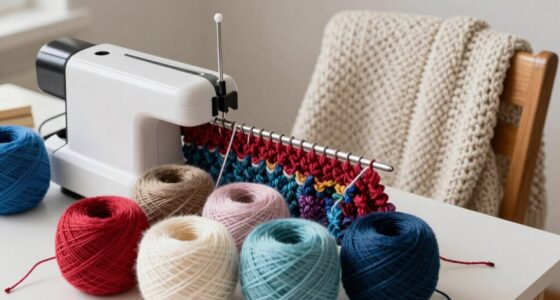
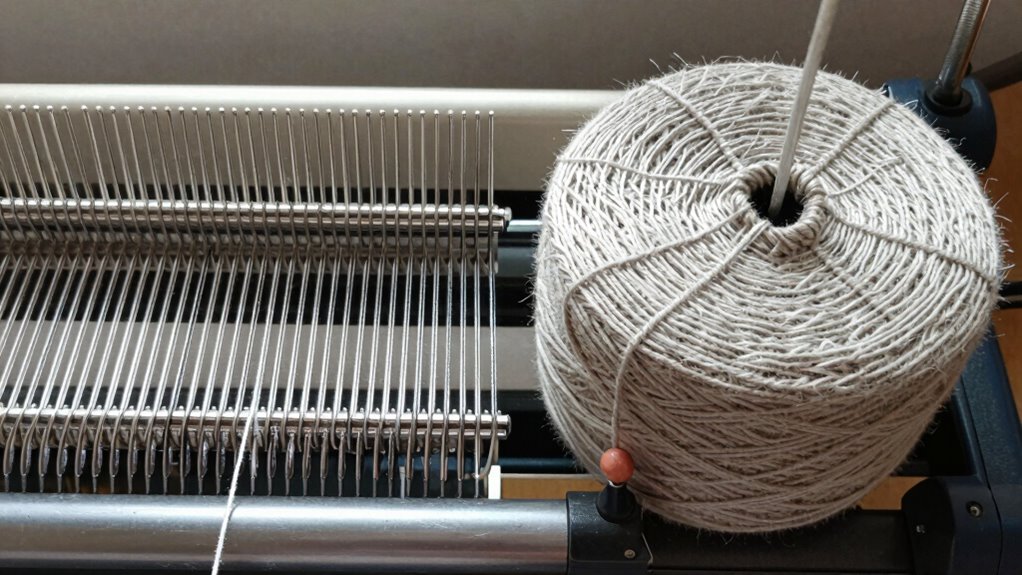
Flat-Bed knitting machines are designed for creating flat, panel-like fabrics. They work by moving the needle bed back and forth, which allows for precise control over stitch formation. Because of this, you can easily adjust yarn tension to suit different yarn types or desired fabric textures. Proper yarn tension is essential here; too tight, and the fabric becomes stiff or puckered, too loose, and the stitches may become uneven. Maintaining consistent tension ensures uniform results and reduces the need for frequent re-tensioning. Flat-bed machines often require more attentive machine maintenance since their complex needle movements and multiple parts are more susceptible to wear and tear. Regular cleaning, lubrication, and inspection of components like needle beds and yarn guides are necessary to keep the machine running smoothly and to avoid production delays. Additionally, the complex needle movements in flat-bed machines make them more sensitive to tension variations, emphasizing the importance of precise adjustments. These machines also demand a higher level of skill from operators to achieve optimal results, especially when working with delicate or intricate yarns.
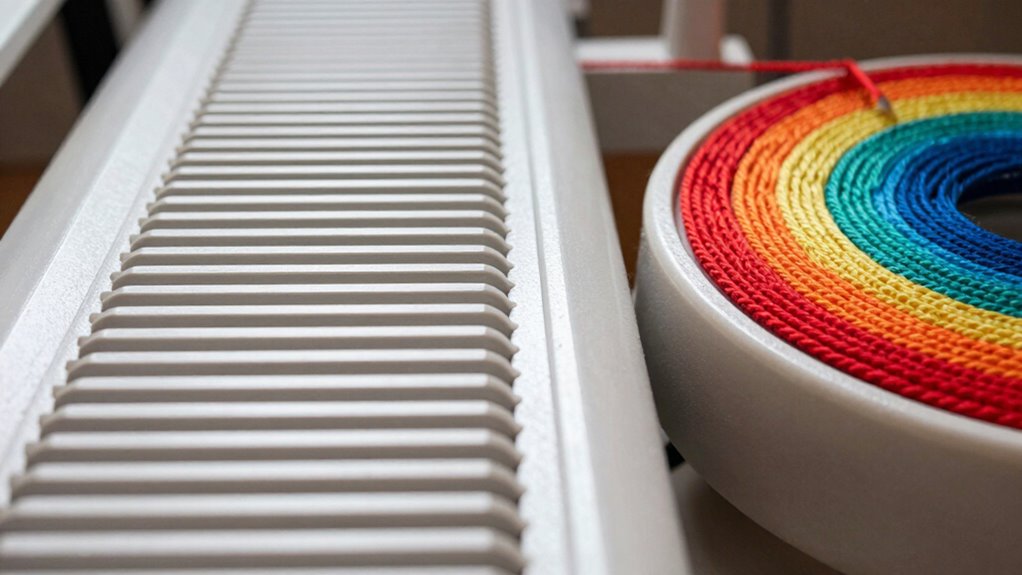
Circular knitting machines, in contrast, produce seamless tubes of fabric, making them ideal for garments like t-shirts, socks, and hosiery. They operate by rotating a circular needle bed, which allows for continuous, high-speed production. Yarn tension management remains critical but is often easier to control in circular machines because of their consistent, repetitive motion. This consistency generally results in more uniform fabric with fewer variations in stitch quality. Due to their simpler design, circular machines tend to require less intensive maintenance compared to flat-bed machines, although regular checks are still necessary to prevent issues like yarn breakage or needle misalignment. Since they produce in a continuous loop, adjustments in yarn tension can greatly impact the fabric’s elasticity and appearance, making it important to monitor tension levels closely during operation. Proper tension control in circular knitting can also influence the elasticity of the fabric, which is crucial for producing high-quality garments. Furthermore, the ease of operation of circular machines makes them popular among manufacturers seeking efficiency and consistency in large-scale production.
Popular right now

Breville Barista Pro Espresso Machine with Grinder, Brushed Stainless Steel

Breville Bambino Espresso Machine, Brushed Stainless Steel

De'Longhi Linea Classic Espresso Machine with Adjustable Milk Frother
As an affiliate, we earn on qualifying purchases.
Frequently Asked Questions
Which Machine Is More Energy-Efficient for Large-Scale Production?
You’ll find circular knitting machines more energy-efficient for large-scale production because they typically consume less energy per unit due to continuous operation and higher production speeds. Their design allows for faster, more automated processes, reducing overall energy consumption. Flat-bed machines might use more energy because of their slower speeds and manual handling requirements, making circular machines the better choice for large, high-volume manufacturing where efficiency matters most.
How Does Machine Maintenance Differ Between Flat-Bed and Circular Knitting Machines?
You might think maintenance is similar for both machines, but it’s quite different. Circular knitting machines often require more frequent upkeep due to their complex moving parts, impacting machine durability. Flat-bed machines, with simpler mechanisms, generally need less frequent maintenance. Regular upkeep keeps both in top shape, but understanding these differences helps you plan better, avoid costly downtime, and ensure consistent production quality.
Can Both Machines Produce the Same Fabric Quality?
Yes, both machines can produce similar fabric quality, but it depends on how you operate them. Circular machines offer greater machine versatility, allowing for faster production of seamless, uniform fabrics with high fabric consistency. Flat-bed machines excel at creating detailed, customized patterns. Your choice affects the fabric’s appearance and consistency, so consider your specific production needs to achieve the best results with either machine type.
What Are the Initial Investment Costs for Each Machine Type?
You’ll find that flat-bed knitting machines generally require a higher initial investment compared to circular machines, making the cost comparison important in your investment analysis. Flat-bed equipment tends to be more expensive because of its versatility and precision, while circular machines are more affordable but may limit fabric types. Consider your production needs and budget, as choosing the right machine impacts your long-term costs and efficiency.
Are There Specific Fabrics Better Suited for One Machine Over the Other?
Think of your knitting machine as a versatile artist’s palette. Flat-bed machines excel with fabrics that need precise stitch consistency, making them ideal for complex, structured textiles like sweaters or panels. Circular machines, however, shine with fabrics that demand high fabric versatility, such as seamless tubes or stretchy materials. For best results, choose the machine that aligns with your fabric’s properties and the desired stitch consistency.
Conclusion
When choosing between flat-bed and circular knitting machines, it’s all about your project needs. Circular machines excel in producing seamless, tubular fabrics quickly, with over 70% of mass-produced textiles made this way. Flat-bed machines, on the other hand, offer more versatility for detailed patterns. So, consider your desired fabric type and production volume. Whichever you pick, understanding these differences will help you make smarter, more efficient choices for your knitting projects.