TL;DR

Get business pricing on tools and workshop supplies
- Business-only prices and quantity discounts
- Tax-exempt purchasing
- Multiple users, one account, clear invoices
A Livingetc bedding guide says thread count alone does not establish sheet quality, and that “breathable” is an imprecise comfort claim. Experts quoted in the report point shoppers toward fiber quality, weaving, finishing and how a fabric handles moisture.
Livingetc’s bed-sheet guide says shoppers should look beyond high thread-count labels and vague claims that sheets are “breathable,” arguing that fiber quality and fabric construction provide more useful clues about comfort and quality. The advice matters to buyers weighing expensive bedding, but the report does not establish a universal best material or guarantee that a particular sheet will improve sleep.
Thread count counts horizontal and vertical threads in a square inch of fabric, but a higher number does not automatically mean better sheets, according to the report. Paul Donegan, founder of The Linen Consultancy, says 200 to 400 thread count can already represent good-quality cotton bedding. Higher counts can appear in premium products if the fibers are high quality, he says, but the number alone does not tell buyers that.
Donegan says some very high-count labels can be misleading when sheets use lower-cost materials or count multiple plies of yarn in a way that raises the advertised figure. He says buyers should also consider fiber quality, weaving, finishing and craftsmanship, as well as production practices. The article mentions a 2008 class-action lawsuit concerning thread-count classification at Bed Bath & Beyond, but the supplied material does not detail the case’s outcome.
The guide also questions the retail use of “breathable.” Dr. Rachel McQueen, a professor of textile science at the University of Alberta, says woven fabrics are porous, so the term can obscure other comfort factors. She says moisture handling matters: cotton and silk fibers take in moisture, while polyester does so much less. The report describes that distinction as relevant to sleeping comfort, not as a guarantee that every person will feel cooler in one fabric.
What Sheet Labels Tell Shoppers
Sheet sets can cost hundreds of pounds or dollars, according to the report, so a prominent label can shape a costly purchase. Treating thread count as a single quality score may leave shoppers with an incomplete picture, while a “breathable” claim may not explain how a fabric handles heat and moisture.
The experts’ comments offer a more practical way to compare products: check the stated fiber, weave and finishing, and look for clear information about manufacturing. Those details still cannot predict an individual sleeper’s comfort with certainty. The guide supports informed comparison, rather than a one-size-fits-all ranking of sheets.
Popular right now

Breville Barista Pro Espresso Machine with Grinder, Brushed Stainless Steel
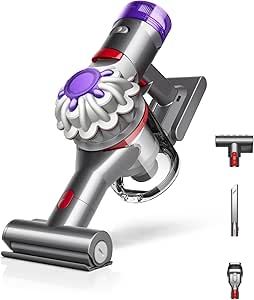
Dyson Car+Boat Cordless Handheld Vacuum

iRobot Roomba Max 715 Pet Robot Vacuum with AutoEmpty Dock
As an affiliate, we earn on qualifying purchases.
How the Guide Weighs Bedding
The Livingetc writer says they tested bedding brands over the past year and spoke with specialists in textile comfort, bedding manufacturing and color consulting. The stated aim was to connect styling choices with how bedding performs in regular use, including after washing.
The supplied excerpt focuses on two issues: thread-count marketing and the meaning of breathability. It begins to introduce material choices but ends before presenting a full comparison of sheet fabrics, styles or care requirements. Its examples and expert views should be read within that limited scope.
“Thread count matters, but it’s only one part of the quality equation.”
— Paul Donegan, founder of The Linen Consultancy
What the Advice Cannot Settle
The supplied report excerpt does not include the full material-by-material guide, test methods, or enough detail to compare specific products. It also does not establish how much any listed fiber’s moisture handling changes sleep comfort for different people. Individual comfort can vary, and the source provides no controlled comparison or outcome data.
The excerpt mentions a past lawsuit over thread-count labeling but does not give its resolution or explain the present rules in each market. Shoppers cannot use that reference alone to determine whether a current label complies with local requirements.
Compare Fibers and Construction
For a purchase, compare the fiber content, weave, finishing and care instructions across the sheets under consideration, then check what the maker says about production. Treat thread count as one detail rather than a verdict on quality, and ask retailers what they mean by “breathable” if the claim is central to the purchase.
The supplied article excerpt does not announce a follow-up test or further reporting. Its promised detailed comparison of materials and styles is not included in the source material provided here.
Key Questions
Does a higher thread count mean better sheets?
No, not by itself. The guide says fiber quality and manufacturing matter more than the number alone. It cites 200 to 400 thread count as a general range that can represent good-quality cotton bedding.
What should I check besides thread count?
Look at fiber quality, weave, finishing and craftsmanship, and review any available information about how the product is made. The source does not provide a universal scoring system for these factors.
What does “breathable” mean on a sheet listing?
The guide calls the term imprecise. Dr. Rachel McQueen says woven fabrics are porous and points to differences in how fibers take in moisture as one factor relevant to comfort.
Does the guide identify one best sheet material?
Not in the supplied excerpt. It discusses cotton, silk and polyester in relation to moisture handling, but does not provide a complete material comparison or name a universally best choice.
Source: rss