TL;DR

Get tools and workshop supplies delivered free — and shop member deals
- Fast, free delivery on millions of items
- Access to Prime Big Deal Days deals on October 6–7
- Prime Video, Amazon Music and more included
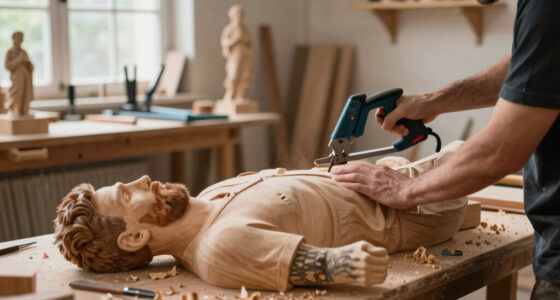
A New York sculptor spent $100,000 on a statue of conservative activist Charlie Kirk. Despite the investment, no buyers have shown interest, raising questions about art, politics, and market demand.
A New York sculptor has spent $100,000 to create a statue of Charlie Kirk, a prominent conservative activist, but no buyers have expressed interest in purchasing it, highlighting challenges in the art market related to politically charged works.
The artist, whose identity has not been disclosed, invested a significant sum into producing the statue, which depicts Kirk in a traditional heroic pose. Despite efforts to market the piece, it remains unsold, with sources indicating that potential buyers have shown little to no interest. The sculpture was intended as a statement piece reflecting political ideology, but the lack of market response underscores the difficulty of monetizing politically motivated art in today’s climate.
According to the artist, the project was driven by a desire to express political views through sculpture. However, reports suggest that the work’s controversial nature may be limiting its commercial appeal. The artist has not publicly commented on whether they plan to lower the price or seek alternative avenues for selling the piece.
Implications for Art Market and Political Expression
This story illustrates the challenges artists face when creating politically charged artwork that may not align with mainstream tastes or market demand. It raises questions about the commercial viability of art that is explicitly partisan and how political expression intersects with economic realities. The failed attempt to sell the Charlie Kirk statue also reflects broader tensions in the art world regarding market acceptance of controversial or polarizing pieces.
As an affiliate, we earn on qualifying purchases.
Background on Political Art and Market Challenges
Political art has historically been a means for artists to express ideological views, often sparking debate and controversy. However, the commercial success of such works varies widely. Recent years have seen polarized reactions to politically motivated art, with some pieces gaining fame while others struggle to find buyers. The case of the Charlie Kirk statue adds to this pattern, illustrating that even substantial financial investment does not guarantee market acceptance for politically charged sculptures.
This incident follows other instances where politically themed art failed to sell, highlighting the current climate’s sensitivity to partisan issues and the difficulty artists face in balancing expression with marketability.
“I created this piece to make a statement, not to make a profit. But it’s disappointing that no one is interested.”
— Anonymous artist
Unclear Future Plans for the Unwanted Statue
It is not yet confirmed whether the artist intends to lower the price, donate the sculpture to a political organization, or attempt alternative sales channels. Details about potential future actions remain undisclosed.
Next Steps for the Artist and Market Response
The artist may consider reducing the price or seeking institutional buyers such as museums or political groups. Meanwhile, the story continues to draw attention to the intersection of art, politics, and market forces, with further developments expected as the artist explores options to sell the piece or repurpose it.
Key Questions
Why did the artist create a Charlie Kirk statue?
The artist aimed to express political views through sculpture, specifically supporting or highlighting Charlie Kirk’s activism.
How much did the artist spend on the statue?
The total investment was approximately $100,000, covering materials, labor, and related expenses.
Has anyone expressed interest in buying the statue?
No, reports indicate that no buyers have shown interest so far, and the sculpture remains unsold.
Will the artist lower the price or change their approach?
This has not been publicly confirmed; the artist has not disclosed future plans regarding sales or pricing adjustments.
What does this say about political art today?
It suggests that politically motivated art may face significant market challenges, especially when it is polarizing or controversial.
Source: local
Fall Picks
fall essentials
As an affiliate, we earn on qualifying purchases.